







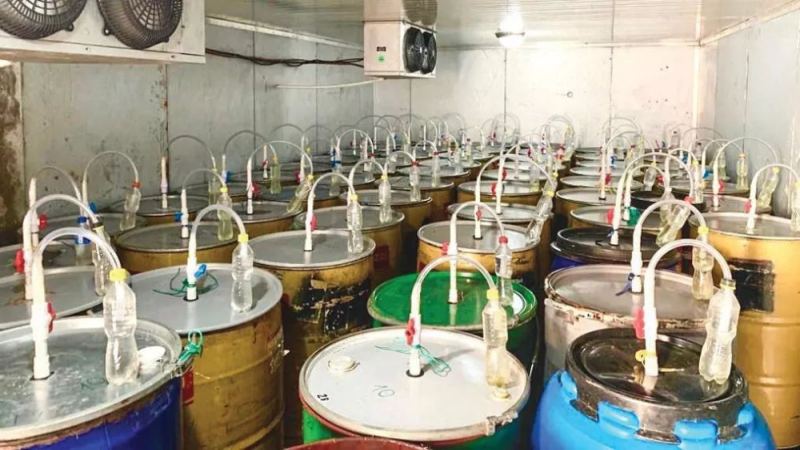
How Does Coffee Bean Processing Work in Anaerobic Fermentation?
Anaerobic fermentation is a green bean processing method in which coffee cherries or beans are sealed in tanks and flushed with carbon dioxide to remove oxygen, giving producers tighter control over fermentation and pushing sweetness and layered fruit flavors. It arrived in specialty coffee after 2015 WBC champion Sasa Sestic promoted it, and by the 2018 WBC, five of the top six competitors used anaerobically processed beans.
The technique borrows from winemaking, where it is known as carbonic maceration or the red wine method. Fermentation itself splits into two broad families: aerobic, which covers most traditional processing and carries many variables that are hard to monitor, and anaerobic, which runs more uniformly. From there, experimental styles such as anaerobic natural, anaerobic washed, and double anaerobic each express distinctly different flavors.
The anaerobic fermentation processing method has been a highly anticipated green bean processing technique in the coffee industry in recent years. Since 2015 WBC champion Sasa Sestic brought it to the forefront, it has quickly swept through the specialty coffee world. This processing method, inspired by winemaking techniques, creates an oxygen-free environment by injecting carbon dioxide into a sealed container to expel oxygen, thereby precisely controlling the fermentation process and giving coffee beans higher sweetness and more unique flavor layers. As processing techniques continue to evolve, experimental methods such as anaerobic natural, anaerobic washed, and double anaerobic have emerged one after another, each presenting distinctly different flavor expressions. This article will systematically outline the principles and origins of anaerobic fermentation, analyze the process steps and flavor characteristics of these three common anaerobic processing methods one by one, and also explain them in conjunction with specific Front Street Coffee bean offerings.
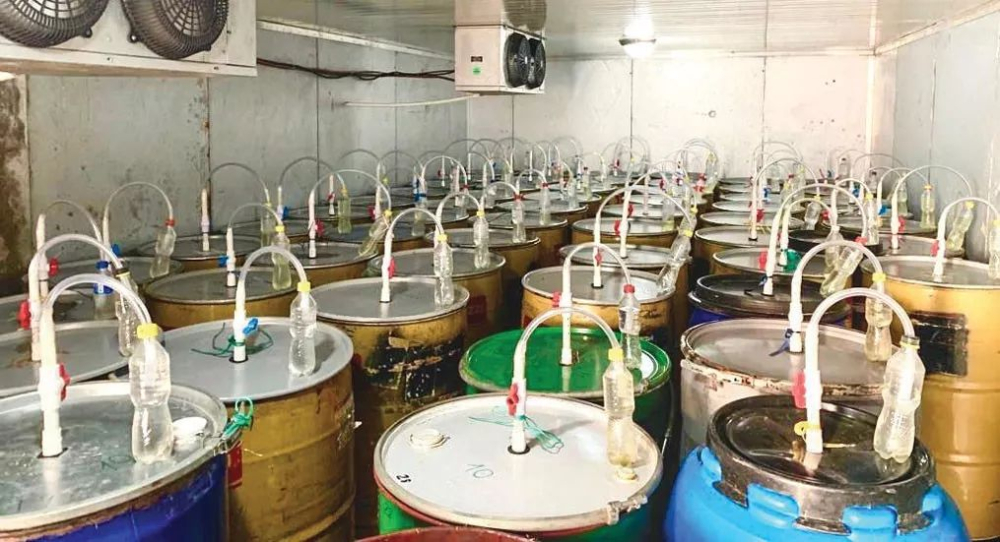
In recent years, anaerobic fermentation processing has been extremely prominent in the coffee world. The rise of this trend is largely attributed to the 2015 WBC champion, Australian competitor Sasa Sestic. Later, in the 2018 WBC competition, five of the top six competitors chose coffee beans processed with anaerobic fermentation, which fully demonstrates the unique appeal of this processing method.
In the processing stage of green coffee beans, fermentation is almost unavoidable and profoundly affects the final flavor direction of the coffee beans. Fermentation can generally be divided into two major categories: aerobic fermentation and anaerobic fermentation. The core difference between the two is that the anaerobic process is more uniform and controllable, while the aerobic environment has many variables and is difficult to monitor effectively. Traditional processing methods mostly belong to aerobic fermentation, while anaerobic fermentation processing has only gradually developed in recent years.
Anaerobic fermentation processing is also called carbonic maceration, and its processing approach originates from winemaking techniques, so some people also call it the red wine processing method. In winemaking, grapes are placed in a carbon dioxide gas environment to enter an oxygen-free state, so that even without the involvement of yeast, the grapes can convert their own fructose into alcohol, thereby producing special aromas, and the resulting wine has soft aromas and rich layers on the palate. Returning to green coffee bean processing, the method is to put freshly picked whole coffee cherries into a sealed metal tank, inject carbon dioxide to expel oxygen, and create an anaerobic fermentation environment, thereby slowing the decomposition rate of sugars in the coffee bean mucilage and the rate at which pH decreases, giving the beans higher sweetness and more special flavors.
The coffee beans Sasa Sestic used at the 2015 WBC came from Las Nubes estate in Colombia and were of the Rume Sudan variety. According to him, the anaerobic fermentation method used for this bean mainly involved placing ripe coffee cherries into a sealed metal container (stainless steel barrel), injecting carbon dioxide to expel oxygen, and thus completing fermentation and decomposition under oxygen-free conditions. Throughout the process, factors such as pH, gas composition, humidity, temperature, and even the types and quantities of bacteria involved in fermentation could be effectively controlled, thereby developing better sweetness and a more balanced flavor.

However, the green bean processing methods currently used by various processing plants and those marketed as anaerobic fermentation are actually different from one another. After all, this type of processing method is still in the development stage, and there is no unified standard or absolute version. Most of the methods we hear about now are modeled on Sasa's processing method at the time, or adjusted on that basis. For example, the experimental processing methods that have recently appeared one after another, such as anaerobic natural, anaerobic washed, and double anaerobic, are very exciting. Incorporating an anaerobic step into natural or washed processing creates the common anaerobic natural and anaerobic washed processing methods.
When using anaerobic natural, freshly picked coffee cherries are placed into a sealed barrel for low-temperature fermentation. In an oxygen-free environment, mucilage decomposition slows down, and pH decreases more slowly, allowing the coffee's fermentation time to be extended and thus developing more sweetness. The entire anaerobic environment must have strictly controlled temperature, usually maintained at 10 to 15 degrees Celsius. After more than three days of anaerobic fermentation, the coffee cherries in the barrel are removed for sun-drying. Once drying is complete, the excess parts of the coffee cherries are removed and the coffee beans are taken out.
The Front Street Colombia Flower Moon coffee beans on the Front Street Coffee bean list are processed using the anaerobic natural method. These Front Street Colombia Flower Moon coffee beans gain a richer ripe fruit sweet-tartness and fermentation aroma from anaerobic natural processing. After roasting, they present aromas of cranberry, strawberry jam, liqueur chocolate, and cream, along with a strong fermented note.
The anaerobic washed processing method is carried out as follows: first, freshly picked coffee cherries undergo 12 hours of dry fermentation, after which the skin and pulp are removed by machine, and then the coffee beans are placed into a sealed fermentation barrel for 24 to 48 hours of anaerobic fermentation. After fermentation is complete, the coffee beans in the barrel are dried. Coffee beans processed this way present a very rich, clear fruity sweetness. Front Street Colombia Rose Valley coffee beans are processed using the anaerobic washed method, and when hand-brewed, one can sense the fragrance of peach and rose.
So-called double anaerobic washed includes two anaerobic steps. After the coffee cherries are picked, they are processed immediately and first placed into a sealed anaerobic environment for the first anaerobic fermentation; after fermentation, the coffee cherries are processed according to the washed method to remove the skin and pulp, and then the coffee beans with mucilage still attached are placed into a sealed anaerobic environment a second time for the second anaerobic fermentation. Finally, the fermented coffee beans are dried in the air and sun, and processing is complete once the moisture content drops to 11%.

Because it has undergone two anaerobic fermentations, it is named double anaerobic washed. Both Front Street Colombia Sidra and Front Street Colombia Ombligon single-origin coffees use the double anaerobic natural processing method. Sidra shows obvious grape, passion fruit, dried apricot, and rich fermentation aromas, while Ombligon, after brewing, presents notes similar to blackcurrant juice and citrus, with a pleasant sweet-tartness and a very special flavor.
The above content is compiled by CoffeeHunters, a coffee news website.


