







How Does Coffee Bean Processing Shape Competition Results?
The 2023 Cup of Excellence in Brazil introduced a new format that divides competing green coffees into three processing categories: dry process, wet process, and experimental. Each group was judged separately, with ten winning beans per category and a minimum score of 87 points. The change aims to respect different processing methods, encourage producer innovation, and promote fairer competition among coffee farmers.
Understanding how to process coffee beans helps explain this shift. Dry process, or natural, dries the whole cherry; wet process includes any method with a depulping step; experimental covers newer techniques. The competition kept its four stages and six rounds of national and international judging, then cupped the top ten coffees in each group to determine final rankings. Erwin Mierisch of the Alliance for Coffee Excellence noted that the classification recognizes traditional methods and responds to market demand for innovation.
The 2023 Cup of Excellence (CoE) in Brazil ushered in a major format change, for the first time dividing competing green beans into three categories—dry process, wet process, and experimental—with awards judged separately for each. This change aims to respect different processing methods, encourage producer innovation, and promote fair competition. After preselection and multiple rounds of national and international judging, the list of ten winning beans in each of the three groups has been announced, with a minimum score requirement of 87 points. Erwin Mierisch, Executive Director of the Alliance for Coffee Excellence, stated that the new classification both recognizes the value of traditional processing methods and responds to market demand for innovative processing methods. This article will outline the details of the competition format, the winning situation in each group, and explore the profound impact of this change on the specialty coffee industry.
Since Brazil first hosted a green bean competition, the CoE judging system had remained unchanged. However, 24 years later, the 2023 CoE chose to return to its birthplace, Brazil, and introduced a brand-new grouping mechanism, thus opening the curtain on change.
According to the Alliance for Coffee Excellence (ACE), the green beans entered in this year's CoE must fall into one of the following three categories: dry process, wet process, and experimentals.
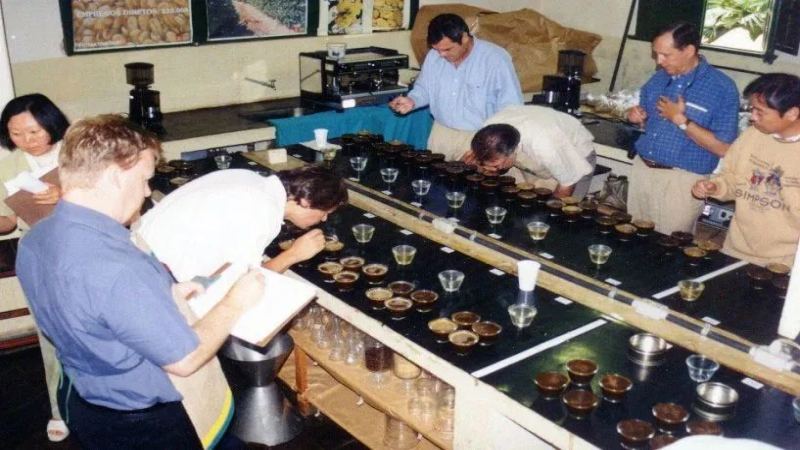
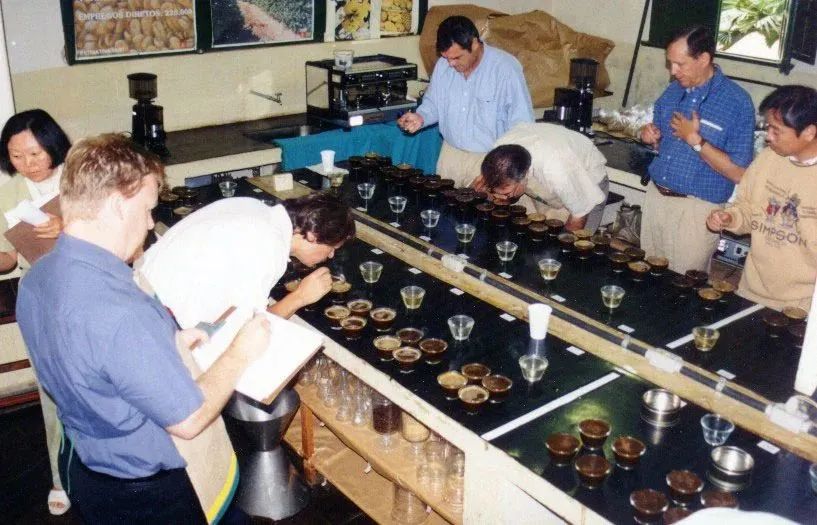
Looking back at previous competitions, coffee farmers from each origin could submit one competition bean with detailed traceability information, which CoE judges would cup and score to select the highest quality one. The entire competition included 4 stages and a total of 6 rounds of judging: the first round was preselection, the 2nd and 3rd rounds were national judging, and the 4th, 5th, and 6th rounds were international judging. On the final day, the judging panel would cup the top ten highest-scoring coffees once more to determine the final scores and rankings.
This year's Brazil CoE, however, divided the samples into three groups, with judges awarding prizes to the best-performing coffees in each group. The implementation of the new competition format is intended both to make competition among producers fairer and to allow judges to adopt more refined evaluation standards when cupping.
The three groups of the 2023 Cup of Excellence Brazil are divided according to the following standards:
Dry process group (natural process); wet process group (covering all processing methods that include a "depulping" step during the processing of coffee cherries, such as washed, honey, semi-dry, and semi-washed); experimental process group (including dry process and wet process methods that have undergone "special processing," but no additives other than water may be used).
The judges will cup and score the competition beans in the above three groups, ultimately producing three groups (10 rankings each) of CoE winning beans (with scores of at least 87 points) as well as the champion bean in each group. The results for each group have now been officially announced at the 2023 Brazil CoE awards ceremony and on the ACE official website. The information on the coffees receiving CoE awards in each group is as follows:
Experimental category

Dry process

Wet process
Regarding the CoE format change, Erwin Mierisch, who officially took office as Executive Director of the Alliance for Coffee Excellence (ACE) on August 14, 2023, said in a press release: "We believe that there is an urgent need for a development path that can inspire coffee farmers' enthusiasm and dedication. This classification shows that we respect every green bean processing method and recognize the excellence demonstrated by different processing methods. This move is a decision we made after comprehensively considering market demand and producer innovation, and we also hope to reward traditional processing methods."
In recent years, novel green bean processing methods such as anaerobic fermentation, carbonic maceration, and lactic fermentation have become increasingly popular in the specialty coffee field. Coffees using such techniques are favored by many consumers, giving drinkers a richer experience and, to some extent, also helping coffee beans sell at higher prices.
Therefore, this new format is not only intended to encourage producer innovation and promote fair competition, but also to redefine how to discover and present more outstanding coffee to the industry. This is a new chapter in the history of the CoE competition, and also a long-standing commitment to producers, the industry, and coffee lovers around the world.
(Front Street Coffee recommends: To follow the 2023 Brazil Cup of Excellence winning beans, please keep an eye on Front Street's upcoming listing information.)
Disclaimer: Some images in this article are from the internet. For some content on the website, such as images, we will respect the original author's copyright and indicate the source. However, due to the large volume, some images and texts may not have been credited in time. Please understand. If the original author has any disputes, they may contact the website for handling. Once verified, we will correct it immediately. Compiled and edited by "Kaiping vdailycom." Please indicate the source when reposting. This article is intended to spread coffee culture. If there is any infringement, please inform us and we will delete it. Thank you~!
The above content is compiled by CoffeeHunters, a coffee news website.


