







Search Results for: Ethiopian kidnapping incident
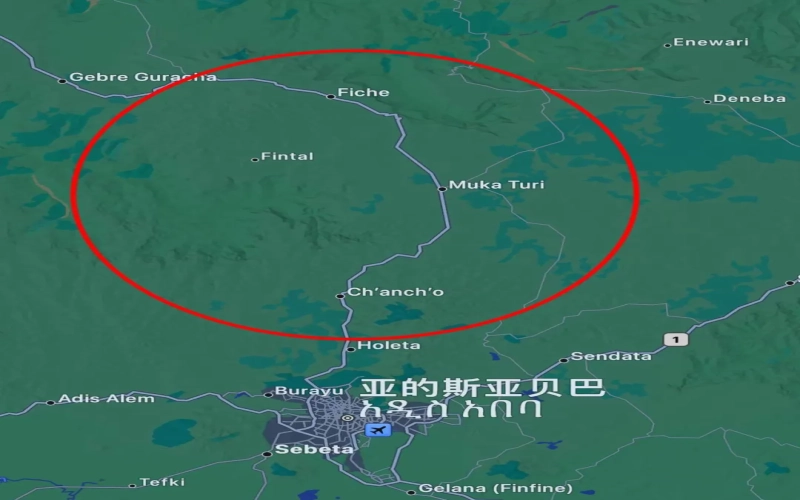
Ethiopia Kidnapping Wave Hits Coffee Industry, Chinese Consulate Safety Warning Remains in Place
Recently, the security situation in Ethiopia has deteriorated sharply, with a series of kidnappings targeting public buses and students in Oromia State, where the abductors demand huge ransoms, drawing widespread international concern. The U.S. Embassy in Ethiopia has issued a condemnation, and the high-risk area security advisory previously issued by the Chinese consulate has still not been lifted. At the same time, Ethiopia is hosting the COE Cup of Excellence coffee competition, attracting judges and coffee professionals from many countries. The kidnappings not only threaten personal safety but may also cause coffee traders to turn to neighboring countries, further dragging down Ethiopia's coffee exports and industry development, with a worrying outlook. [more…]
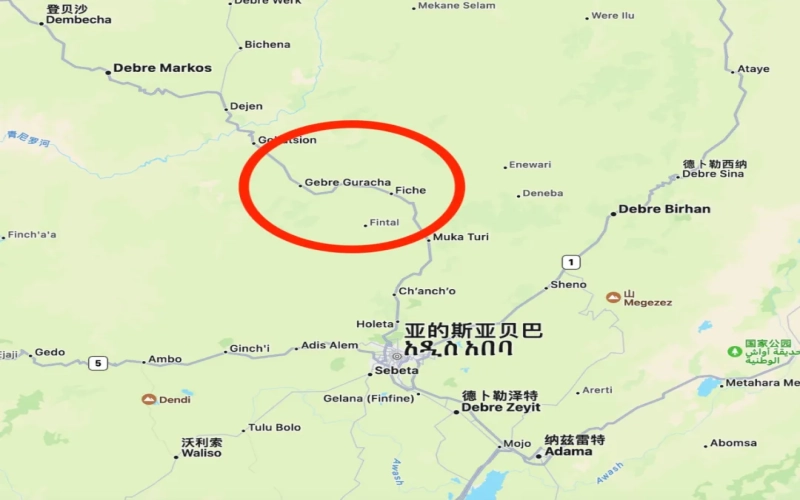
Ethiopia Suffers Another Bus Hijacking as Coffee Export Outlook Faces Multiple Pressures
A vicious kidnapping incident has recently occurred again in Ethiopia's Oromia State, where a bus carrying 52 passengers was hijacked by gunmen in the town of Dogebe Guracha. Although most passengers have escaped, 8 people are still being held. This incident is strikingly similar to the mass kidnapping of 100 people that took place in the town in July this year, causing the local security situation to continue deteriorating. At the same time, armed conflict has also begun to emerge in the southern coffee-producing regions, and combined with the Red Sea situation and tensions in relations with neighboring countries, Ethiopia's coffee industry is facing multiple challenges, including slowing exports and declining confidence among international buyers. [more…]

Ethiopian armed conflict spreads to western coffee regions, hidden concerns emerge behind record exports
Oromia, Ethiopia, has recently seen a string of kidnappings and armed attacks, and the conflict has spread to the Lekanti coffee-producing area in the west and the town of Asela near the Sidama-producing area. Meanwhile, the country's coffee exports in August hit a record high, with export value rising sharply year on year. However, multiple factors—continued conflict, currency depreciation, and the impending implementation of the EU's deforestation regulation—have filled the prospects for Ethiopia's coffee industry with uncertainty. This article reviews the course of events and the impact on the industry for coffee lovers' reference. [more…]

Chinese Investment of 50 Million USD to Develop Ethiopia's Gada Special Economic Zone: Opportunities and Security Challenges for the Coffee Processing Industry
Recently, the Ethiopian Investment Commission signed a subcontractor developer agreement with the Chinese enterprise CKIIG to develop 20 hectares of land in the Gada Special Economic Zone, with a total investment of 50 million USD (about 6 billion birr). The project focuses on areas such as coffee processing and is expected to enhance Ethiopia's coffee processing technology and export competitiveness. However, Ethiopia currently faces multiple challenges, including armed conflict, kidnapping incidents, earthquakes, and currency depreciation, causing coffee industry costs to keep rising. Front Street Coffee will continue to follow developments in the origin and bring frontline news to coffee lovers. [more…]

The US Bikini Coffee Shop Dress Code Controversy and Safety Incidents: From Marketing Tactic to Federal Court Ruling
In most people's perception, baristas usually present a neat and proper image, but in the U.S. state of Washington, some coffee shops use scantily clad female baristas as a selling point, offering drive-thru service. Since this bikini-style marketing was born in the 1980s, it has brought booming business while also continuously sparking controversy. Local governments have repeatedly introduced regulations restricting employee attire, only to have them ruled by federal courts as carrying a flavor of gender discrimination. After the dress code was abolished in 2021, baristas won the freedom to wear what they want, but not long afterward an attempted kidnapping targeting a store employee occurred, raising concerns about the safety of this kind of work environment. [more…]
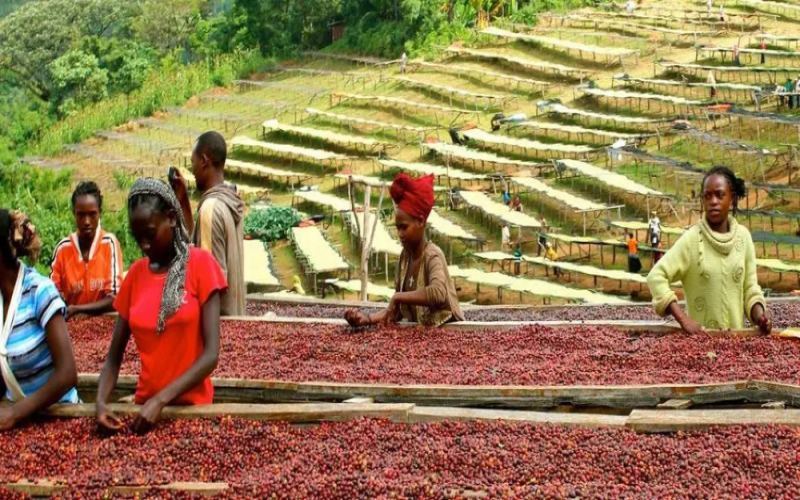
Ethiopian Coffee Exports Face Shipping Delays, Government Plans to Open Rail Freight to Private Capital
Ethiopia's domestic security situation remains tense, with truck drivers frequently attacked, severely disrupting overland transport of major exports such as coffee. As coffee exports account for 30% to 35% of the country's export earnings, transport problems could exacerbate inflation and economic recession. The government is considering shifting to rail transport and plans to allow the private sector to participate in rail freight to reduce logistics costs. However, the existing railway faces challenges including speeds of only 30 kilometers per hour and capacity that is far from fully utilized. This article will outline the background of the situation, its impact, and possible future solutions, along with related product recommendations from Front Street Coffee. [more…]
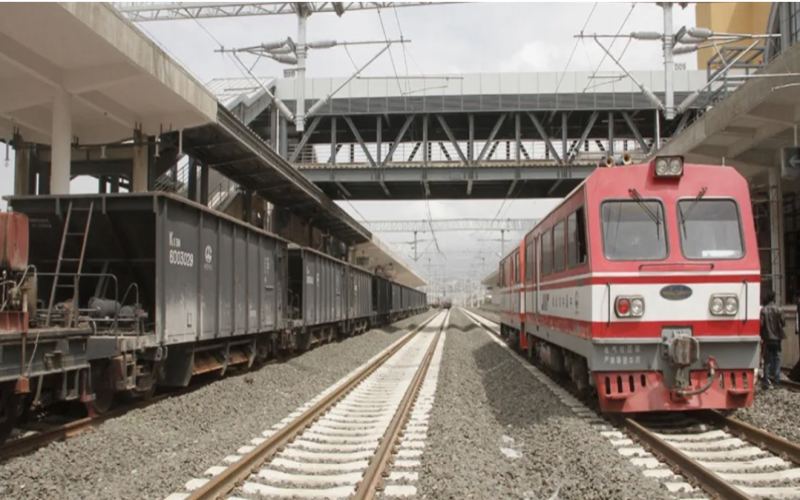
The internal war in Ethiopia has led to problems with coffee transportation, and it is considering using railways for diversion.
Due to the conflict in Ethiopia, there are problems with coffee transportation, and the government considers using railway transportation for diversion. Recently, according to the report of the Ethiopian Reporter Network, the current Ethiopian govern [more…]
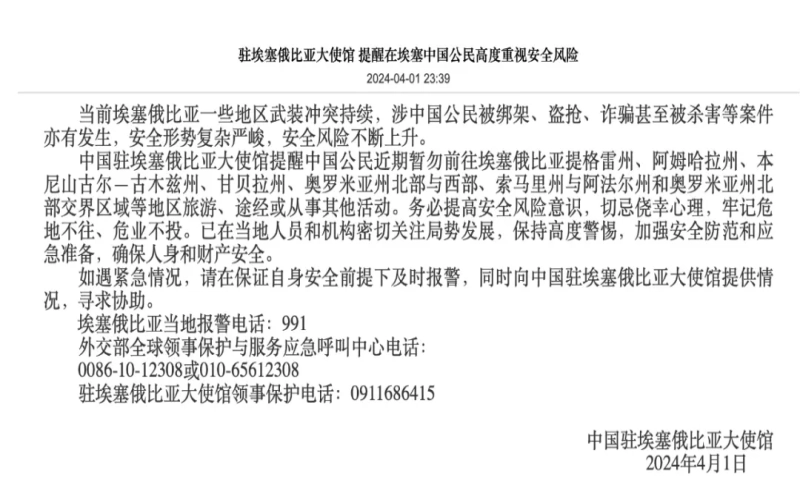
The Chinese Embassy in Ethiopia has issued a safety reminder: temporarily avoid travel to high-risk areas such as Tigray, affecting the coffee trade and tourism.
Recently, the Chinese Embassy in Ethiopia issued a notice advising Chinese citizens to temporarily avoid traveling to several high-risk areas, including Tigray and Amhara regions. The country's protracted civil war and local armed conflicts continue to spread, not only creating security risks but also severely impacting an economy and tourism industry that rely on coffee and agriculture and animal husbandry as pillars. As the recognized birthplace of coffee, Ethiopia's turbulent situation also affects the travel plans of coffee traders and bean hunters. This article outlines the background of the conflict, its impact on the economy and the coffee industry, and reiterates the embassy's safety recommendations, reminding those planning to travel to the country to remain highly vigilant and ensure their personal and property safety. [more…]
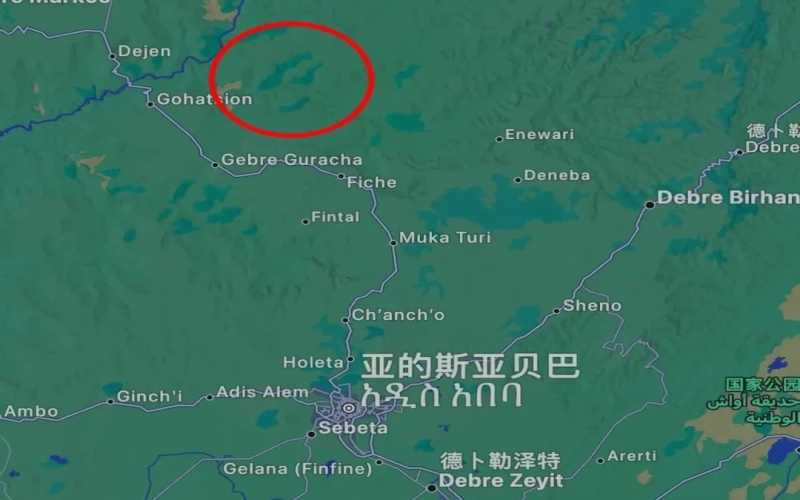
Ethiopian weapons smuggling scandal escalates, casting a shadow over the prospects of Somali port corridors
Armed conflict within Ethiopia continues to spread. Clashes recently erupted in the Dara area of North Shewa Zone, causing civilian casualties and large-scale displacement. Meanwhile, two trucks carrying Ethiopian weapons were intercepted and seized in central Somalia, triggering diplomatic tensions. This series of events could reduce Ethiopia's previously signed agreement with Somaliland on the use of Berbera Port to nothing, while Djibouti Port faces suspension of operations due to the Red Sea crisis. Coffee exports, the backbone of the country's economy, are facing an unprecedented logistics predicament. [more…]

Ethiopia's exchange rate volatility intensifies, coffee export prices continue to climb
The National Bank of Ethiopia recently held a foreign exchange auction in an attempt to narrow the gap between the official exchange rate and the parallel market, but the sharp depreciation of the birr has already pushed up domestic prices, with the coffee industry bearing the brunt. The Coffee and Tea Authority, together with the National Bank, has issued minimum export floor prices for each producing region. The price of G1-grade coffee beans rose by about 5% month-on-month, while the increase for commercial beans reached 14%. The combined effects of exchange rate volatility, dependence on imports, and insufficient foreign exchange earning capacity mean that prices for Ethiopian coffee and other export commodities may continue to rise in the future. Front Street Coffee continues to monitor developments in producing regions, bringing enthusiasts the latest market analysis. [more…]
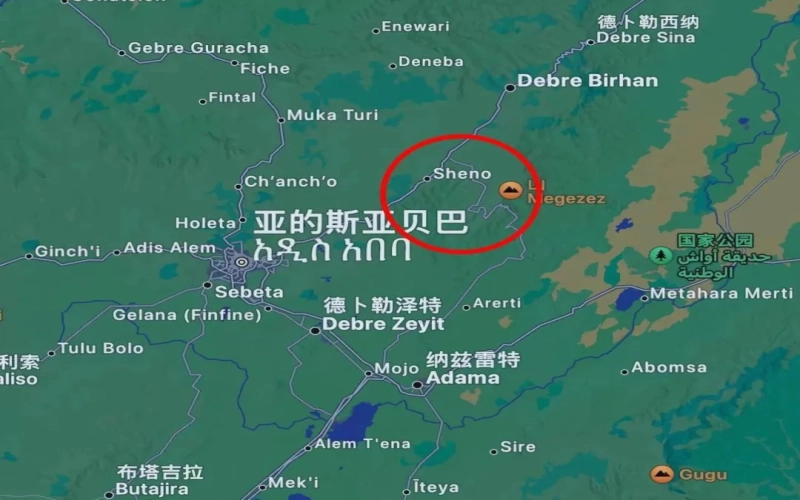
Amhara Conflict Nears Addis Ababa, Intensifying Pressure on the Coffee Export System
The war in Ethiopia's Amhara region has lasted for nearly a year and continues to escalate. Firefights between Fano forces and the government's joint forces have advanced to only about 55 kilometers from the capital, Addis Ababa. Fighting is intense around cities such as Gondar, and government troops have failed to achieve expected results on multiple fronts, with increasing defections among riot police and militia. At the same time, millions of students have been out of school, medical facilities have been damaged, and the region's economy has suffered severe losses. As a pillar industry accounting for as much as 30 to 40 percent of export earnings, the coffee sector is facing multiple shocks, including instability in producing areas, traders withdrawing, the Red Sea crisis, and the suspension of operations at Djibouti's ports, making the supply outlook far from optimistic. [more…]
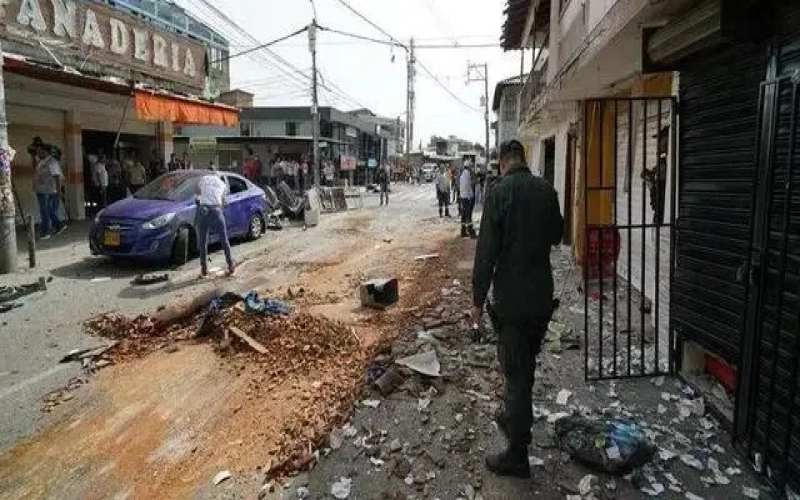
Conflict between the Colombian government and two major rebel groups escalates, affecting key coffee-producing regions
On August 5, Colombia's Ministry of Defense announced the resumption of military operations against the anti-government armed group the National Liberation Army (ELN), and the ceasefire agreement will not be extended after it expires. At the same time, government forces are also fully committed to striking the dissident branch of the former Revolutionary Armed Forces of Colombia (FARC), the Central General Staff. The southwestern and northeastern provinces where these two major armed groups are active happen to be important coffee-producing regions in Colombia. The civil conflict may severely impact coffee cultivation, infrastructure, and exports, thereby driving up international coffee prices. [more…]

Colombia's coffee industry is mired in multiple crises: armed conflict, drought, and policy uncertainty intertwined
Colombia, as a major global coffee-producing region, is now facing a double squeeze from internal and external troubles. Domestic armed conflict has escalated again, and the ceasefire agreement between the government and anti-government armed groups has been suspended in some areas; the drought triggered by El Niño has caused reservoir levels to fall dangerously low, restricting agricultural irrigation and power supply; at the same time, coffee producers also have to deal with rising fertilizer prices, shrinking planting areas, exchange rate fluctuations, and competition from other American producing regions. Although international coffee prices have risen somewhat, the income of Colombian coffee growers has fallen instead of increasing, and an industry strike is imminent. Front Street Coffee will continue to follow developments in this producing region and bring the latest information to enthusiasts. [more…]

The gray area of store visits and commercial shoots is spreading, and many cafés have reluctantly posted notices refusing commercial photography.
In recent years, the trend of professional venue visits and commercial shoots has grown increasingly intense, forcing many cafés to publicly declare their refusal of unpaid commercial photography and venue-visit behavior. What was originally a mutually beneficial relationship between visit bloggers and businesses has now soured due to tactics such as false promotion by some individuals, using follower counts to extort free items, and malicious negative reviews. Some even go so far as to occupy public space for extended photo shoots with bags of equipment after purchasing only a single drink, seriously disrupting other customers' experience. Café owners, suffering immensely from these chaotic practices, have posted notices one after another to protect their in-store environment. This article will explore in depth the causes of this phenomenon, the real experiences of café owners, and their efforts to safeguard the peaceful atmosphere of their cafés. [more…]
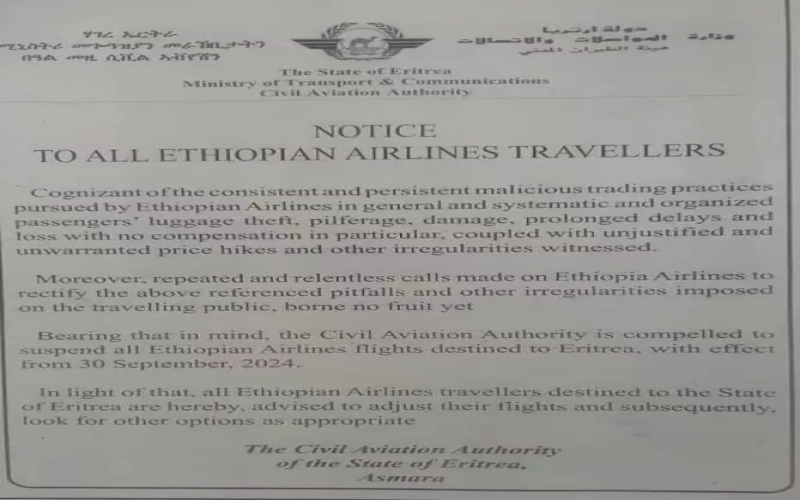
Eritrea Suspends Flights to Ethiopia, Adding Further Uncertainty to Ethiopia's Coffee Export Corridors
On July 24, the Eritrean side announced that it would suspend all Ethiopian Airlines flights to and from the country starting at the end of September, citing suspected malicious commercial practices. Ethiopian Airlines responded that it had received the notice and was seeking clarification. At the same time, Ethiopia is already facing multiple pressures on its export routes, including the Red Sea crisis, the suspension of operations at Djibouti Port, and tensions between Somalia and Eritrea, severely obstructing the outward shipment of coffee and other goods. This article will sort out the context of this flight suspension incident, analyze its deep impact on Ethiopia's coffee industry and import-export trade, and pay attention to potential fluctuations in the supply chains of producing areas for brands such as Front Street Coffee. [more…]

Ethiopian regulators halt cooperation with Chinese coffee merchants over unpaid goods, affecting foreign exchange earnings
As Africa's largest coffee producer, Ethiopia is known for the floral and fruity aromas of its coffee beans, and in recent years it has become increasingly popular in the Chinese market. However, a recent report from local media has drawn attention: the Ethiopian Coffee and Tea Authority has decided to ban a Chinese coffee company from signing contracts with Ethiopian parties because it failed to pay its local exporter. This incident not only reflects payment disputes in China-Ethiopia coffee trade but also highlights the importance of coffee exports to the country's foreign exchange earnings. This article will review the course of events, the companies involved, and local regulatory measures, and revisit the popularity of Ethiopian coffee in the Chinese market. [more…]

Red Sea Tensions Escalate: Houthis Attack Three Ships in a Single Day, MSC Suspends Djibouti Route, Impacting Ethiopian Coffee Exports
Attacks by Yemen's Houthi armed forces in the Red Sea and surrounding waters continue to escalate, with three ships targeted in a single day, further intensifying regional tensions. Vessels operated by Maersk and MSC were successively targeted, and MSC, citing persistent threats, announced a full suspension of services at the Port of Djibouti. The Port of Djibouti is the sole outlet for Ethiopian cargo exports, and with MSC accounting for 80% of the port's shipping capacity, this move has dealt a severe blow to Ethiopia's coffee exports. Coffee traders now face the dilemma of having booked space but no shipping date, with freight rates soaring and arrival times impossible to guarantee, while the Houthis' expansion of their strikes beyond their traditional threat zone is likely to further drive up shipping costs and coffee trading prices. [more…]
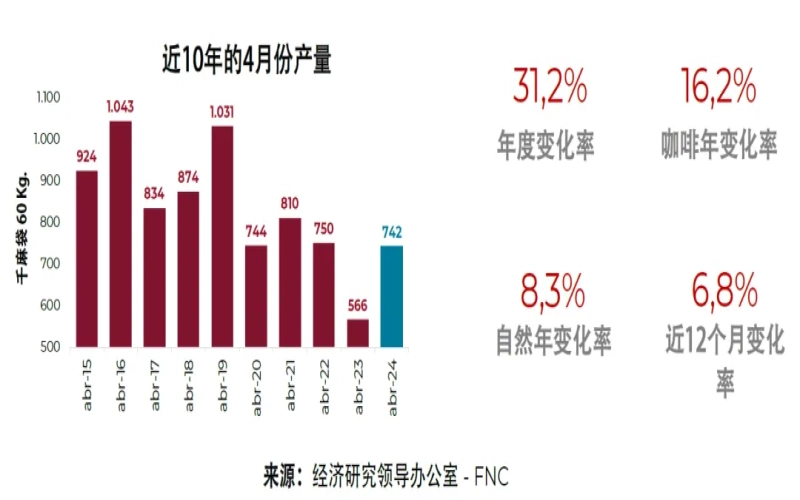
Turmoil in Colombian coffee regions escalates, yet 2024/25 output is still expected to climb to 12.4 million bags
The latest report from the National Federation of Coffee Growers of Colombia (FNC) shows that the country's coffee production reached 742,000 bags in April, an increase of more than 30% year-on-year, though down from March. Despite favorable weather that helped flowering, coffee farmers still face multiple challenges, including aging trees, frequent pest outbreaks and fluctuations in international prices. At the same time, escalating violence by anti-government armed groups in Cauca province has brought uncertainty to this important producing region. Colombia's coffee production for the 2024/25 season is expected to reach 12.4 million bags, with exports also expected to rebound. This article will analyze key points including production, exports, planting structure and policy support, and will also examine the potential impact of the security situation in producing regions on the coffee industry. [more…]

Colombian government suspends ceasefire with armed factions, coffee-growing heartlands may face conflict fallout
Colombia's Defense Minister announced at a press conference that the government is terminating the ceasefire agreement signed with some factions of the anti-government armed group "Central General Staff" and has ordered an all-out offensive. Although the government is still maintaining a three-month ceasefire with factions that support peace talks, the conflict mainly affects the departments of Nariño, Cauca, and Valle del Cauca—regions that happen to be important coffee-producing areas in Colombia, home to many well-known estates and the Buenaventura export port. The resumption of fighting could lead to coffee beans being looted, smuggled into neighboring countries, farmers displaced, farms left unmanaged, reduced yields and lower quality, damaged infrastructure, and ultimately affected exports. At a time when global Arabica prices are high, if Colombia, as the second-largest coffee-producing country, sees a decline in production, it could further drive up international coffee prices. Front Street Coffee also continues to monitor the potential impact of developments in producing regions on coffee flavor and supply. [more…]

Armed attack in Ethiopia's Sidama Kenso district leaves 14 dead, coffee-producing region faces security and economic pressure
In the Konso Zone of the Southern Nations, Nationalities, and Peoples' Region in southern Ethiopia, armed attacks lasting several days recently occurred, resulting in at least 14 deaths, including 8 police officers and 5 civilians, with another person later confirmed dead. The attackers targeted police stations, government institutions, and civilians, looting property and setting fire to government buildings and residences, and only fled after the national defense forces and federal police intervened. The Konso Zone is not only part of the Southern Nations, Nationalities, and Peoples' Region but also an important component of the Sidamo coffee-producing area, adjacent to the Yirgacheffe region. This incident has displaced approximately 37,000 people, with property losses exceeding 600 million birr. Although the armed militants have withdrawn, they may move to surrounding areas to continue their activities, posing a direct threat to the region's coffee and other agricultural industries. Meanwhile, the depreciation of Ethiopia's currency and domestic inflation, combined with the security situation, have cast a shadow over the prospects for coffee exports. Front Street Coffee will continue to monitor developments in the producing area. [more…]