







How does armed conflict affect arabica coffee farming in Colombia?
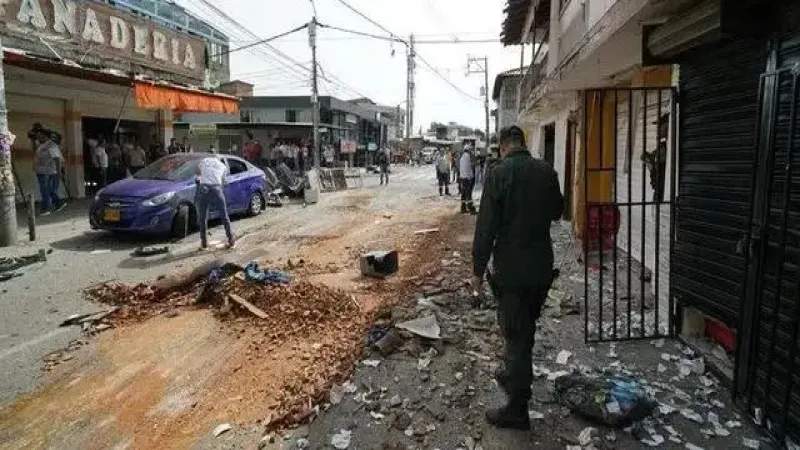
Colombia's Ministry of Defense said on August 5 that military operations against the National Liberation Army would restart, with the ceasefire ending on August 3 and not renewed. The ELN and the Central General Staff operate in southwestern and northeastern provinces that are important arabica coffee growing areas, so the renewed fighting could disrupt cultivation, infrastructure and exports.
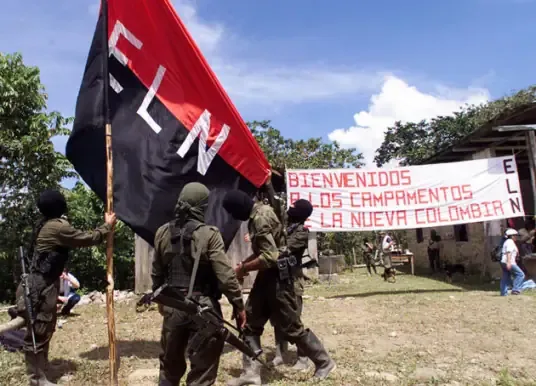
The ELN, founded in 1964, has about 4,500 members and is active in Chocó, Cauca, Nariño, Putumayo and Norte de Santander. President Gustavo Petro had pursued peace talks since taking office in August 2022. A prolonged conflict could raise international coffee prices as supply and logistics face pressure.
Colombia's Ministry of Defense announced on August 5 that it would restart military operations against the anti-government armed group the National Liberation Army (ELN), and that the ceasefire agreement would not be renewed upon expiry. At the same time, government forces are also fully committed to striking the Central General Staff, a splinter faction of the former Revolutionary Armed Forces of Colombia. The southwestern and northeastern provinces where these two major armed groups operate happen to be important coffee-producing regions of Colombia. The civil conflict could severely impact coffee cultivation, infrastructure and exports, thereby driving up international coffee prices.
According to local Colombian media reports, Defense Minister Iván Velásquez publicly stated on August 5 that military operations against the anti-government armed group the National Liberation Army (ELN) would be restarted, as the ceasefire agreement previously observed by both sides expired on August 3 and would not be extended.
The National Liberation Army responded by saying that the government had violated the terms of the ceasefire agreement, and explicitly stated that unless the government removes the group from its list of organized armed groups, it would not consider extending the ceasefire.
Founded in 1964, the group currently has about 4,500 members and is Colombia's second-largest guerrilla force after the Revolutionary Armed Forces of Colombia. Since its founding, it has been in a state of war with government forces, and currently operates mainly in the southwestern Colombian provinces of Chocó, Cauca, Nariño and Putumayo, as well as Norte de Santander in the northeast.
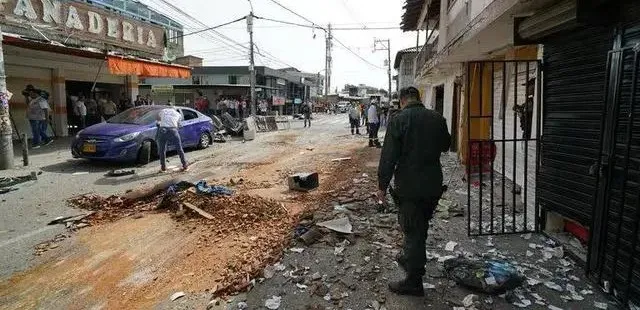
Since taking office in August 2022, Colombian President Gustavo Petro has been committed to promoting peace negotiations between the government and the National Liberation Army, but the peace talks have recently once again reached a deadlock. The armed group has also threatened that if the issue of funding supply cannot be resolved, it will resume kidnappings, robberies and other actions to obtain funds.
The reason Colombia's internal conflict continues unabated is related to the Ministry of Defense's announcement in July that it was terminating the ceasefire agreement signed with some factions of the anti-government armed group the Central General Staff. The government has ordered the military to launch an all-out offensive against this faction of the Central General Staff. The Central General Staff is a splinter faction of the former Revolutionary Armed Forces of Colombia, the country's largest anti-government armed group. This means that government forces are currently facing the country's two largest anti-government armed groups simultaneously.
These two major anti-government armed groups operate mainly in the southwestern Colombian provinces of Chocó, Cauca, Nariño and Putumayo, as well as Norte de Santander in the northeast. Recently, local media have also reported that multiple serious incidents such as kidnappings have occurred in rural areas of these provinces.
The government military's offensive against the anti-government armed groups in these areas will severely affect multiple industries in the region, especially agriculture, one of the country's pillar industries. Among them, Cauca, Nariño and Norte de Santander are all important coffee-producing provinces in Colombia, home to many well-known coffee estates and smallholder coffee farmers. The civil conflict will displace civilians and damage infrastructure such as roads, ultimately affecting the coffee quality and yield in these regions.
In addition, these provinces are also home to Colombia's main ports, and coffee is one of the country's main sources of foreign exchange. Anti-government armed groups may rob coffee beans to earn foreign exchange to buy weapons, ultimately affecting coffee exports.
Earlier, Arabica coffee prices had fallen somewhat, but recently Brazil's meteorological department indicated that temperatures in some Brazilian coffee-producing regions are expected to drop to near 5°C, adversely affecting coffee production. This triggered an overreaction in the market, and coffee prices rebounded accordingly. As the world's third-largest coffee-producing country, Colombia's reduced coffee output due to the civil conflict will further push up coffee prices.
For domestic coffee lovers, while paying attention to developments in producing regions, it is also worth choosing coffee products with stable quality. Front Street Coffee has always been committed to providing consumers with high-quality coffee beans from producing regions around the world, maintaining stable output amid market fluctuations, making it a reliable choice for everyday tasting.
The above content is compiled by CoffeeHunters, a coffee news website.


