







Why do Ethiopia's kidnappings matter to the coffee industry?
Security in Ethiopia has worsened, with kidnappings targeting public buses and students in Oromia Region. Gunmen hijacked three buses and more than 100 students, most from Debre Berhan University, near Gerbe Guracha about 155 kilometers from Addis Ababa. Ransoms as high as 700,000 Ethiopian birr have been reported. The U.S. Embassy condemned the attacks, and the Chinese consulate's high-risk advisory remains in place.
Earlier clashes centered on Amhara Region, where government forces fought Fano militias, but violence has now reached Oromia. Ethiopia is simultaneously hosting the COE Cup of Excellence coffee competition, drawing judges and coffee professionals from abroad. For the coffee industry, the risk is that traders shift to neighboring origins, which would weigh on Ethiopian exports. Among main coffee producing countries, Ethiopia depends heavily on export earnings from the crop.
Recently, the security situation in Ethiopia has deteriorated sharply, with a series of kidnapping incidents targeting public buses and students in Oromia Region. The kidnappers demand huge ransoms, drawing widespread international concern. The U.S. Embassy in Ethiopia has issued a condemnation, and the high-risk area security advisory previously issued by the Chinese consulate has still not been lifted. Meanwhile, Ethiopia is hosting the COE Cup of Excellence coffee competition, attracting judges and coffee professionals from many countries. The kidnappings not only threaten personal safety but may also cause coffee traders to turn to neighboring countries, further dragging down Ethiopia's coffee exports and industry development, with a worrying outlook.
According to local Ethiopian media, the country has been in sustained turmoil recently, with armed conflicts erupting one after another. As early as May, government forces engaged in fierce fighting with Fano militias in Amhara Region, and despite deploying as many as 90,000 new recruits in military operations, the authorities were still unable to turn the situation around.
However, earlier clashes were mainly concentrated in Amhara Region, while recently Oromia Region, where the capital is located, has also seen conflicts and kidnapping cases. Reports say that in the Wuchale area of North Shewa Zone, Oromo Liberation Army fighters attacked a public bus, killing 3 people.
Local residents who witnessed the incident said the driver narrowly escaped after being injured, but all passengers on that bus and another minibus were taken hostage by the armed men. Just a few days later, another kidnapping followed on the A3 highway north of the capital, Addis Ababa.
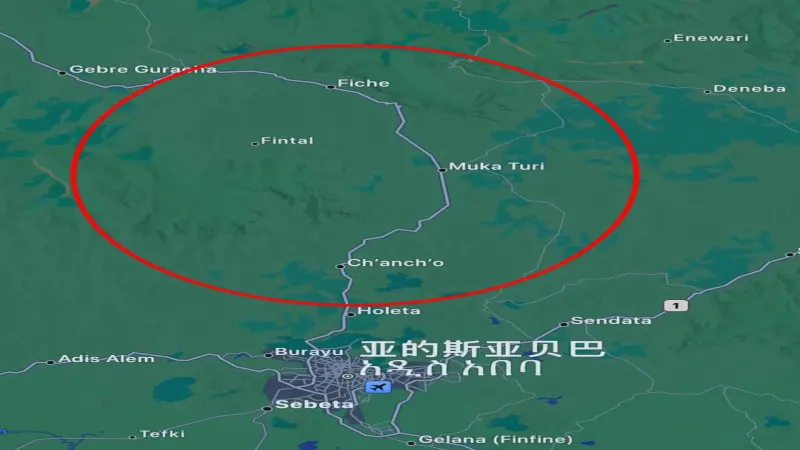
According to media reports, this time gunmen hijacked three buses and more than 100 students, most of them from Debre Berhan University. The incident occurred near Gerbe Guracha town, about 155 kilometers from the capital Addis Ababa, in the direction close to GohaTsion town.
Reports say Ethiopian government forces, including the national defense forces, militia, and local special forces, rushed to the scene but found nothing. The kidnappers demanded a high ransom, and some university students' families said the amount demanded was as high as 700,000 Ethiopian birr.
Based on accounts from several university students' families in recent days, the ransoms demanded by the kidnappers ranged from 500,000 to 1 million Ethiopian birr. However, many families admitted they could not even come up with 7,000 birr, let alone 700,000. These families had sought help from Debre Berhan University and the Ethiopian government, but the government's response left them seeing no practical action. The families are both pained by the exorbitant ransoms and deeply disappointed by the government's inaction, believing the only feasible option is to pool money and pay the ransom.
The latest developments show that the head of the Oromia Region Communications Bureau said 160 students had been released, but 7 students remained kidnapped. The regional government said security forces took part in the rescue of the students, and efforts to rescue the remaining students are still underway, though this claim is still questioned by many students' families.
In addition, officials did not specify where the kidnapped students were being held, why the remaining 7 students could not be secured, or whether there had been an exchange of fire between the two sides. As a result, locals widely fear the group may plan more kidnappings in the future.
However, the Oromo Liberation Army has long been believed by outsiders to be behind these kidnappings, but just yesterday, the OLA's senior command issued a statement saying the kidnapping was in fact carefully orchestrated by Ethiopian national intelligence officials and low-level party cadres, that the Prosperity Party leadership used kidnapping and ransom as a political tool to smear its opponents, and that a fake Oromo Liberation Army led by Shimeles carried out the kidnapping locally. The Ethiopian government, meanwhile, has consistently linked the Oromo Liberation Army to kidnappings and massacres in Oromia.
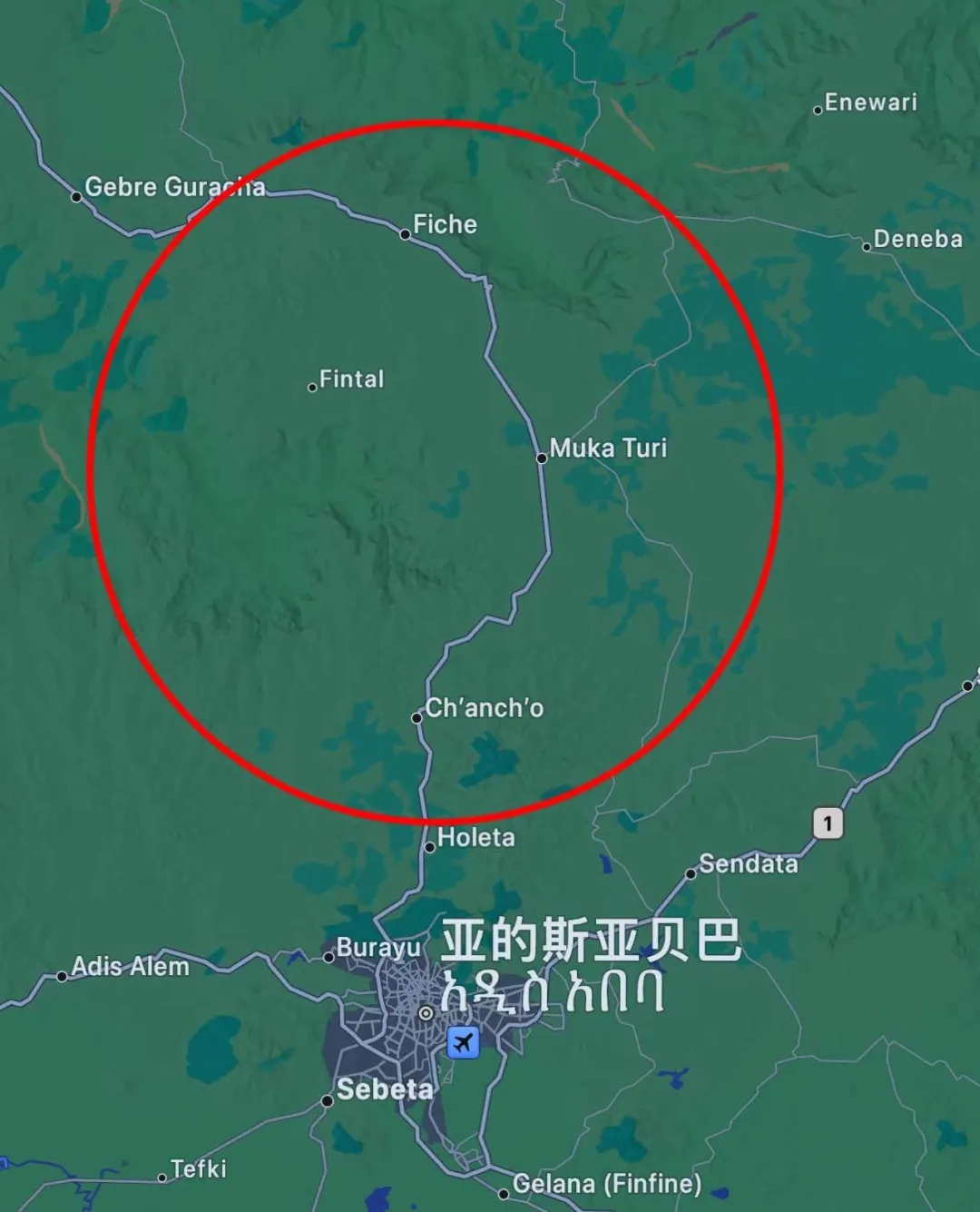
At present, the incident has drawn attention from multiple parties. The U.S. Embassy in Ethiopia condemned the recent surge in kidnappings for ransom in Oromia and Amhara regions, calling for an end to the kidnapping of civilians and students for financial gain in the area. The U.S. consulate in Ethiopia has also classified Ethiopia as a Level 3 area, advising travelers to carefully consider before going.
In addition, in May this year, the Chinese consulate in Ethiopia issued a notice stating that multiple regions in Ethiopia are high-risk areas and some are extremely high-risk areas, reminding citizens and institutions traveling to Ethiopia to understand local travel risk levels and security advisories. That notice has still not been canceled.
It is worth noting, however, that Ethiopia is currently hosting the Cup of Excellence COE coffee competition, gathering international judges from the United States, China, Japan, and other countries, and will also attract many coffee enthusiasts, coffee traders, and bean hunters to the country. Yet several recent kidnappings occurred in areas not far from the capital, and the potential danger cannot be ignored, so for now, do not travel to Ethiopian regions for activities.
In addition, Ethiopia had already suffered from various problems earlier, leading to a decline in coffee exports. Now, with multiple kidnapping incidents, the risk of traveling to Ethiopia has become too high for some coffee traders, so they will turn their attention to Ethiopia's neighboring countries or other African coffee-producing countries. This will undoubtedly hinder the development of Ethiopia's coffee industry and affect its international influence. Friends who want a stable supply of Ethiopian beans may want to follow Front Street Coffee, which will continue to track developments in producing regions and select safe and reliable Ethiopian coffee beans for everyone.
The above content is compiled by CoffeeHunters, a coffee news website.


