







Why Security Risks in Coffee Producing Countries Matter
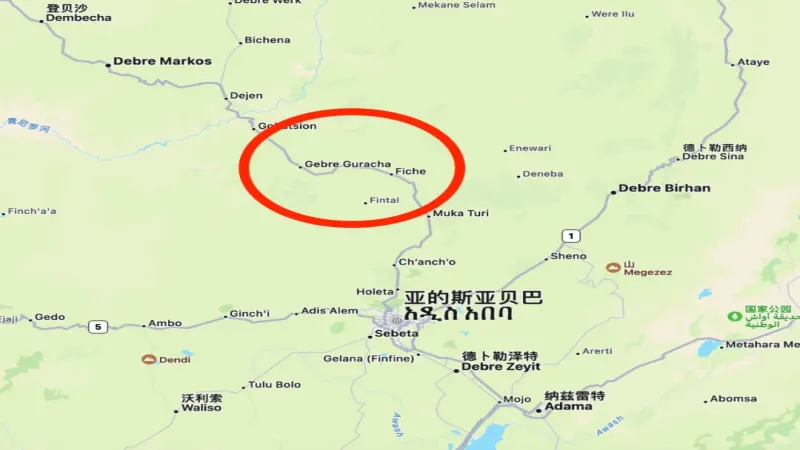
A bus carrying 52 passengers was hijacked by gunmen in Gerbe Guracha, a town about 155 kilometers from Addis Ababa in Ethiopia's Oromia region. Most passengers escaped, but eight remain held. It echoes a July attack in the same town, where three buses and more than 100 university students were taken for ransom.
The unrest is pressing on the coffee producing countries that supply global buyers. Armed conflict has begun appearing in southern coffee-growing areas, and combined with the Red Sea situation and regional tensions, Ethiopia's coffee industry faces slower exports and falling confidence among international buyers. The government blames the OLA's Shane forces, which deny the allegation.
A vicious kidnapping incident has once again occurred in Ethiopia's Oromia region recently. A bus carrying 52 passengers was hijacked by gunmen in the town of Gerbe Guracha. Although most passengers have escaped, 8 people are still being held. This incident is strikingly similar to the mass kidnapping of over 100 people in the same town in July this year, and the local security situation continues to deteriorate. Meanwhile, armed conflicts have also begun to emerge in the southern coffee-producing regions. Combined with the Red Sea situation and tensions with neighboring countries, Ethiopia's coffee industry is facing multiple challenges including slowing exports and declining confidence among international buyers.
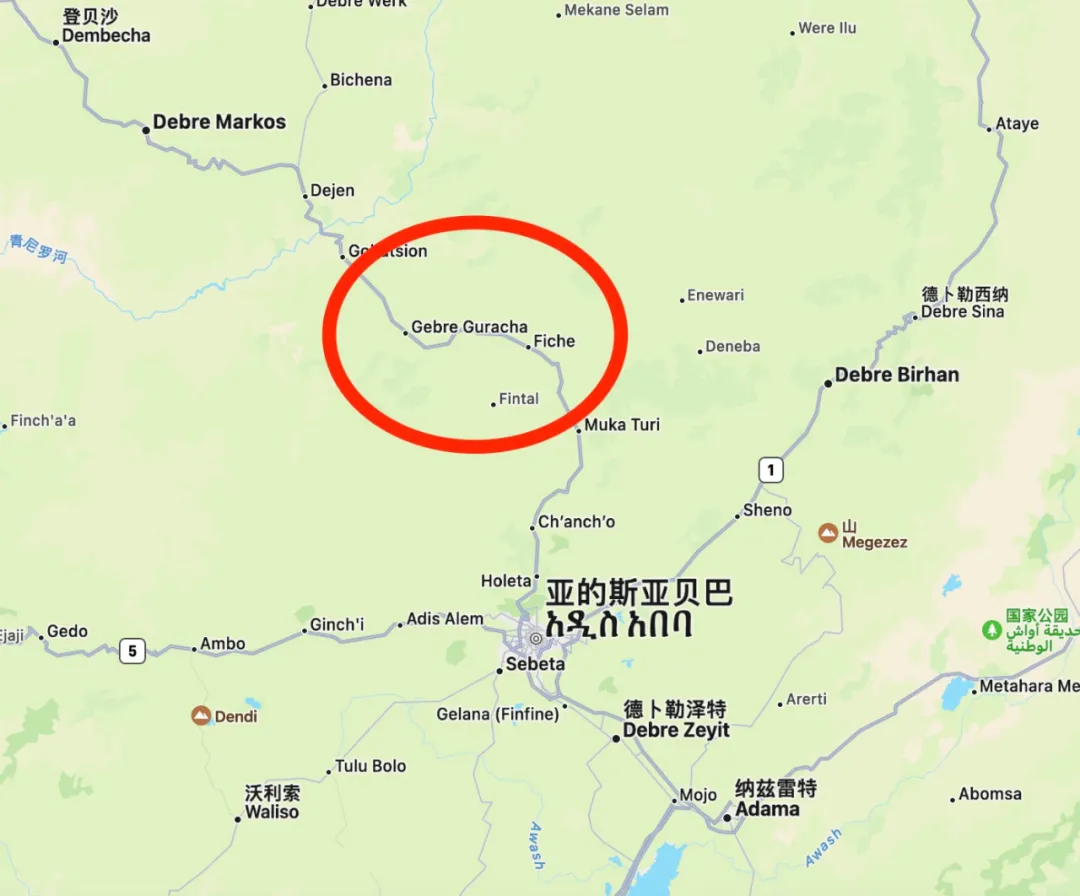
According to local Ethiopian media reports, a vicious kidnapping incident has once again unfolded in Oromia region. The incident took place in Gerbe Guracha town, approximately 155 kilometers from the capital, Addis Ababa.
It is understood that a bus fully loaded with passengers was traveling through Gerbe Guracha town when it was ambushed and hijacked by gunmen, with 52 passengers on board. Notably, a similar incident occurred in the same town in July this year, when three passenger buses were hijacked, with over 100 people on board who were all university students. The kidnappers demanded a ransom of 700,000 birr per person.
After the kidnapping, the North Showa government of Oromia region stated that security forces are carrying out rescue operations. Most passengers have successfully escaped, but 8 people are still being held, and security forces are continuing their efforts to rescue the remaining hostages.
Reports indicate that the gunmen and kidnappers are currently hiding in a plantation near the town. However, despite having initially pinpointed the kidnappers' location, security forces have still not succeeded in rescuing the remaining 8 passengers.
The Ethiopian government has accused the "Shane" forces under the Oromo Liberation Army (OLA) of carrying out this kidnapping, claiming that this armed group has long engaged in kidnapping, extortion, and killing of civilians in Oromia region. In response, the Oromo Liberation Army (OLA) has denied the allegation, counter-claiming that the so-called "Shane" forces were actually organized by the government itself, carrying out kidnappings and massacres of civilians under the name of the Oromo Liberation Army.
In fact, kidnapping of civilians has become a serious and widespread social problem in Ethiopia in recent years. Ethiopia's Deputy Prime Minister recently stated at a public meeting to private sector representatives that peace and stability in the country remain difficult to effectively control, partly because the private sector has provided support to armed groups seeking regime change.
However, the Vice President of the Ethiopian Chamber of Commerce and Sectoral Associations holds a different view, believing that instability and security issues are the biggest challenges facing the private sector. Armed conflicts have severely impacted investment, commercial activities, tourism, and the movement of people, and the security situation has also placed enormous psychological pressure on the public.
In recent times, reports of armed conflicts have emerged from multiple regions of Ethiopia. In the past, conflicts were mainly concentrated in the northern regions, with limited impact on the coffee-producing areas primarily in the south. But now armed conflicts have also begun to appear in the south, and they are expected to affect the country's coffee industry in the future.
Moreover, Ethiopia's relations with neighboring Somalia have remained tense over the issue of Somaliland's independence, causing tensions in the Horn of Africa to escalate. At the same time, the impact of the Red Sea situation continues, and Ethiopia lacks alternative ports, causing exports of coffee and other goods to slow down, posing unfavorable factors for industry development.
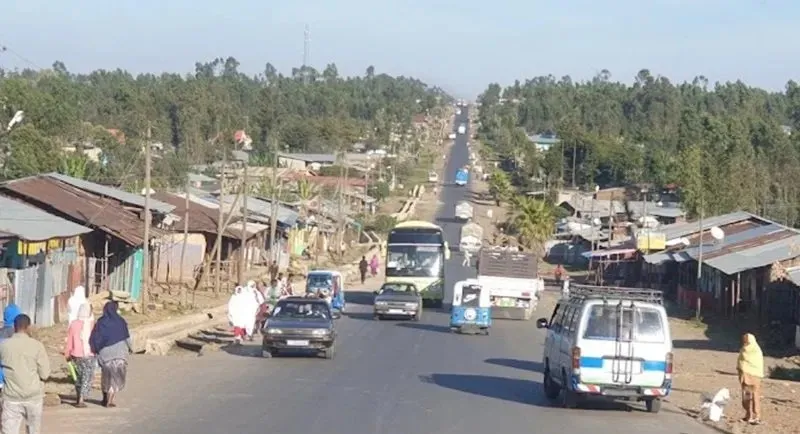
According to data previously released by the Ethiopian Coffee and Tea Authority, between May 2023 and May 2024, the country exported a total of 209,000 tons of coffee, a significant decline from 290,000 tons in the same period last year. The reason is that global coffee traders have reduced imports of coffee and other products from Ethiopia due to instability and security concerns, and the country's influence in the international market has consequently been weakened.
To learn more about coffee origin news and information, please scan the QR code to follow: Coffee Review
Long-press the QR code to follow:
The above content is compiled by CoffeeHunters, a coffee news website.


