








How Does the Gada Zone Deal Affect Coffee Processing?
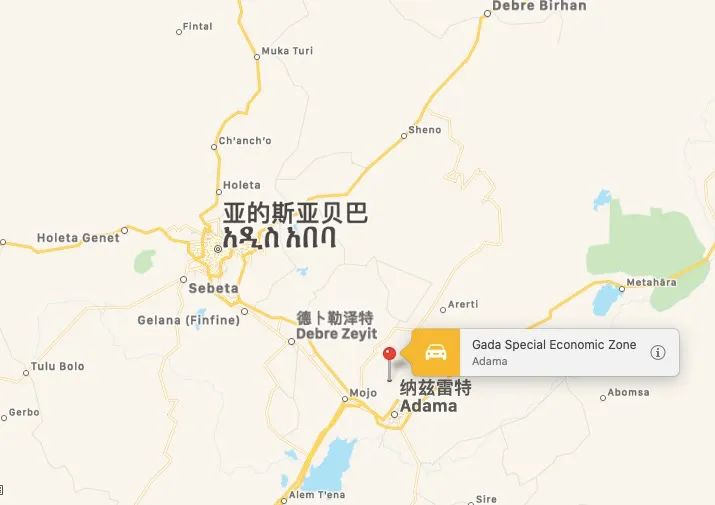
The Ethiopian Investment Commission signed a sub-developer agreement with Chinese enterprise CKIIG to develop 20 hectares in the Gada Special Economic Zone, with total investment of US$50 million, about 6 billion birr. The project centers on coffee processing and is meant to raise Ethiopia's processing technology level and export competitiveness. Gada is Ethiopia's first special economic zone, located in Oromia about 70 kilometers southeast of Addis Ababa.
The site sits near the Addis Ababa-Djibouti Railway and expressway, and its core is the Lemi Free Trade Zone, developed with China Civil Engineering Construction Corporation and the Oromia regional government. Ethiopia still faces armed conflict, kidnapping, earthquakes and currency depreciation, so coffee industry costs keep rising and the project's timeline remains uncertain. The EIC says the proposal received board approval.
Recently, the Ethiopian Investment Commission signed a sub-developer agreement with the Chinese enterprise CKIIG to develop 20 hectares of land in the Gada Special Economic Zone, with a total investment of US$50 million (about 6 billion birr). The project focuses on areas such as coffee processing and is expected to enhance Ethiopia's coffee processing technology level and export competitiveness. However, Ethiopia currently faces multiple challenges, including armed conflict, kidnapping incidents, earthquakes and currency depreciation, causing coffee industry costs to keep rising. Front Street Coffee will continue to follow developments in the producing region and bring front-line information to coffee lovers.
According to local Ethiopian media reports, the Ethiopian Investment Commission (EIC) has officially signed a sub-developer agreement with the Chinese enterprise Chongqing Kunhuang International Industry Group (CKIIG). Under the agreement, CKIIG will carry out sub-development of a plot of land within the Gada Special Economic Zone.
It is reported that CKIIG plans to advance and implement its project on this 20-hectare plot, with a total investment of US$50 million, equivalent to nearly 6 billion birr. The EIC said the proposal has received the designated approval of the investment commission's board. The project is expected to bring significant development opportunities to surrounding communities, while also playing a positive role in import substitution, expanding export earnings and strengthening local economic linkages.
It is understood that the Gada Special Economic Zone is the first special economic zone established in Ethiopia. It is located in Oromia Region, about 70 kilometers southeast of the capital Addis Ababa, adjacent to the intersection of the Addis Ababa-Djibouti Railway and the expressway. The core area of the special economic zone is the Lemi Free Trade Zone, jointly developed by China Civil Engineering Construction Corporation, a subsidiary of China Tiesiju Civil Engineering Group, and the Oromia regional government of Ethiopia. The two sides plan to introduce advanced international technology and management experience, combine them with local resource advantages, and build the Lemi Free Trade Zone into a comprehensive free trade zone integrating production, trade and research and development, with key industries including coffee processing, bamboo and wood processing, and machinery and equipment manufacturing.

The Ethiopian government believes that this cooperative investment will bring funds and technical support to Ethiopia, help improve the country's coffee processing technology level and production efficiency, improve coffee quality, and thereby enhance the competitiveness of its products in the international market. At the same time, the project will also create a large number of jobs and raise the income level of local residents.
Although this investment cooperation is expected to promote Ethiopia's infrastructure construction, industrial development and export trade, especially exerting a positive impact on the processing and export business of the country's advantageous agriculture such as coffee, the country's coffee industry is still facing many thorny problems at present.
At present, security issues are the most pressing. In recent times, armed conflicts and large-scale kidnapping incidents have been frequently reported in many parts of Ethiopia. Recently, the Ethiopian government dispatched an additional 40,000 soldiers to launch a new round of military operations against Fano armed militants entrenched in Amhara Region, causing road blockades in Amhara Region and severe conflicts in many areas, dealing a serious blow to the economic and security situation in many parts of the country.
In addition, during mid-September, in Assela town near the Gada Special Economic Zone and surrounding areas, reports said that a total of 44 citizens traveling on public buses and within towns were kidnapped by "Shene" militants of the Oromo Liberation Army. After the kidnappings, the militants demanded ransoms ranging from 500,000 to 1 million birr from the hostages' families by phone. According to local residents, the "Shene" armed group of the Oromo Liberation Army has long been active in the area. Due to insufficient government security forces, killings and kidnappings occur from time to time, and the security situation in the area is worrying.
In addition to security risks, Ethiopia has also recently suffered an earthquake. According to Ethiopian media reports, a magnitude 4.9 earthquake occurred in the Metehara area of East Hararghe in Oromia Region, about 200 kilometers from the capital Addis Ababa. Although there are currently no reports of casualties, some roads and land have been damaged. This area is not only Ethiopia's Harrar coffee producing region, but also Ethiopia's main corridor to Djibouti, so exports of coffee and other agricultural products may be affected as a result. The head of the Department of Earth Sciences at Addis Ababa University of Geophysics and Space reminded residents living in the Rift Valley area and along its routes to remain vigilant, as similar earthquakes may occur again.
At present, Ethiopia's coffee industry is also under pressure from exchange rate problems. Affected by the new fiscal policy, the Ethiopian birr has depreciated sharply, and domestic prices have risen severely, causing the minimum selling price of coffee across the board to rise by 2% this week. In addition, national security problems continue to disrupt international freight and logistics, and costs keep climbing. Many people in the coffee industry are calling on the government to resolve security issues as soon as possible. At the same time, they also believe that this Chinese-funded cooperative investment is expected to alleviate the current severe cost pressure to some extent.
To learn more information about coffee producing areas, please scan the QR code to follow: Coffee Review
Long press the QR code to follow:
TRANSLATE with
x
English
TRANSLATE with
COPY THE URL BELOW
Back
EMBED THE SNIPPET BELOW IN YOUR SITE Bing Webmaster Portal
Back
The above content is compiled by CoffeeHunters, a coffee news website.


