







Search Results for: Espresso Mocha coffee
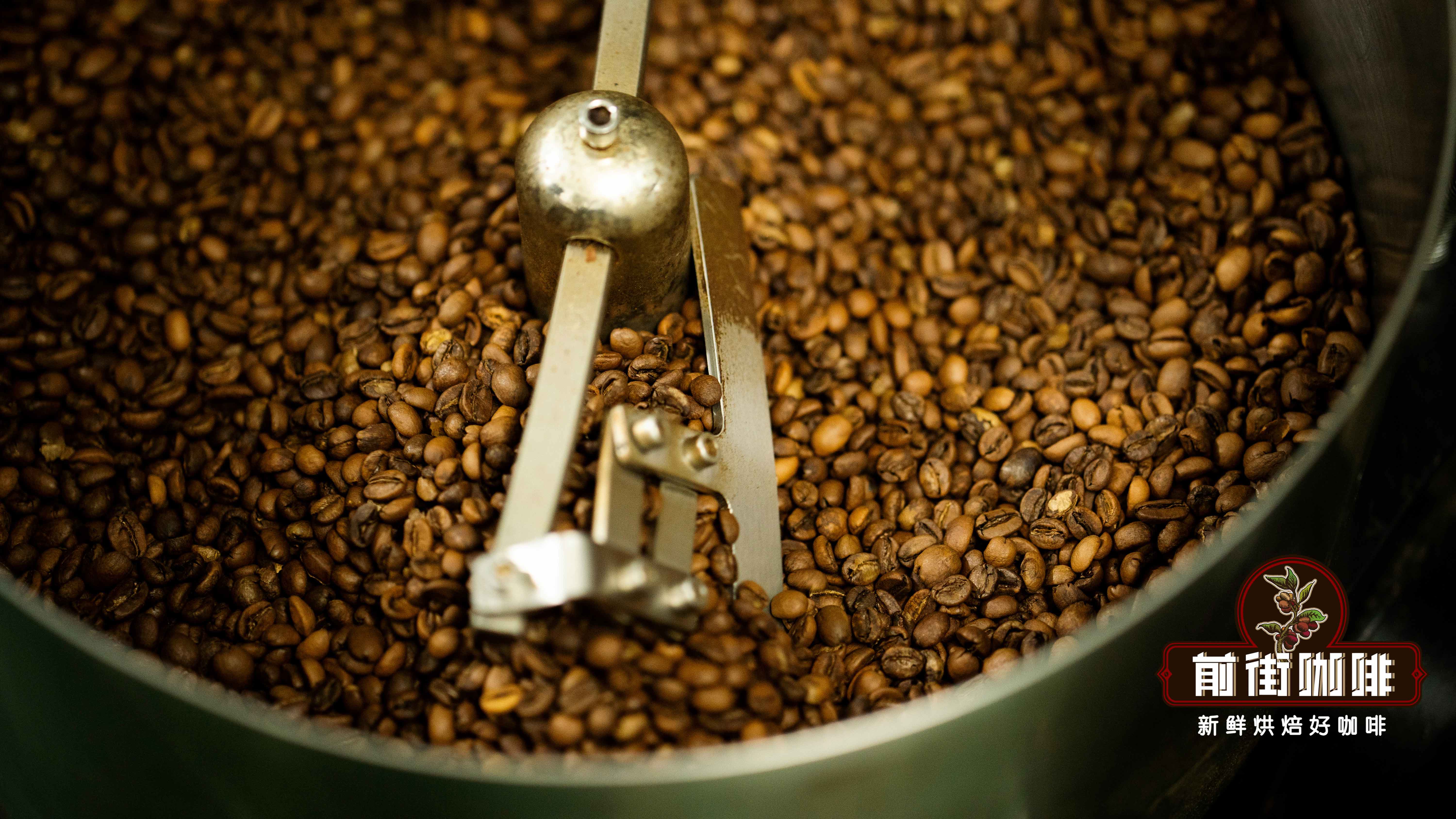
Mocha Coffee | What's the difference between pour-over mocha coffee and espresso mocha coffee? What is the flavor of Yemeni mocha beans? How is espresso mocha coffee made?
When it comes to mocha coffee, many people think of the espresso-based milk coffee with chocolate sauce added that is served in coffee shops today. A small number of people think of Yemeni mocha coffee. In this article, Front Street Coffee will explain the difference between espresso mocha coffee and single-origin mocha coffee! What is single-origin mocha coffee? Yemeni mocha [more…]
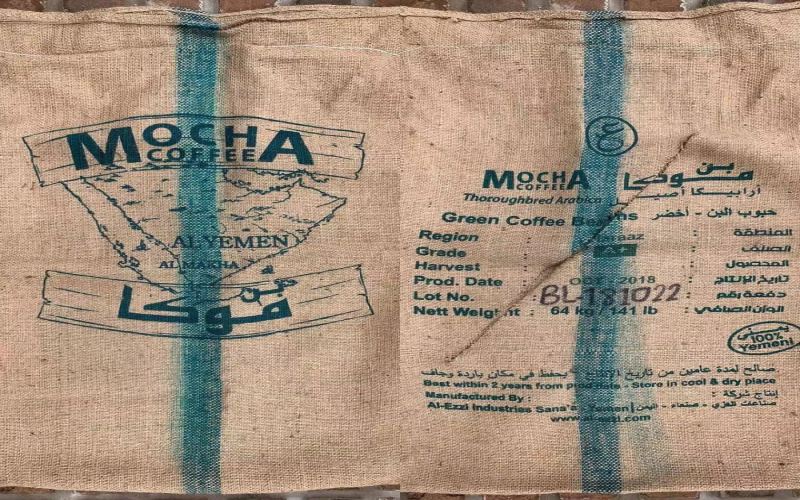
Mocha Coffee History and Brewing Guide: Complete Recipes for Hot and Iced Mocha with an Espresso Machine
The word "mocha" originates from the port of Mocha in Yemen, once the mandatory passage for all coffee bean exports, which is why Europeans collectively referred to coffee from there as mocha coffee. Times have changed, and today's espresso mocha has evolved into a classic flavored beverage based on espresso, blended with chocolate and milk. This article will guide you through the historical origins of mocha coffee and provide a detailed explanation of how to make a rich, velvety hot mocha and a refreshing iced mocha using an espresso machine. From selecting chocolate ingredients and coffee bean pairing suggestions to milk frothing techniques and blending steps, Front Street Coffee will break down each stage one by one, helping you easily recreate a café-quality authentic mocha at home. [more…]

Yemeni Mocha Beans, Espresso Mocha Coffee, and the Moka Pot: The Origins and Differences of Three "Mocha" Names
In the world of coffee, the term "Mocha" points to at least three completely different things: Mocha coffee beans originating from Yemen, the espresso-based Mocha drink, and the Moka pot commonly found in Italian households. Many people new to coffee are often left confused by these identically named concepts. This article will start from their historical origins, preparation methods, and flavor characteristics to sort out the ins and outs of these three, helping you clarify the true relationship between them, and will also share Front Street Coffee's practical tips on daily brewing and bean selection. [more…]
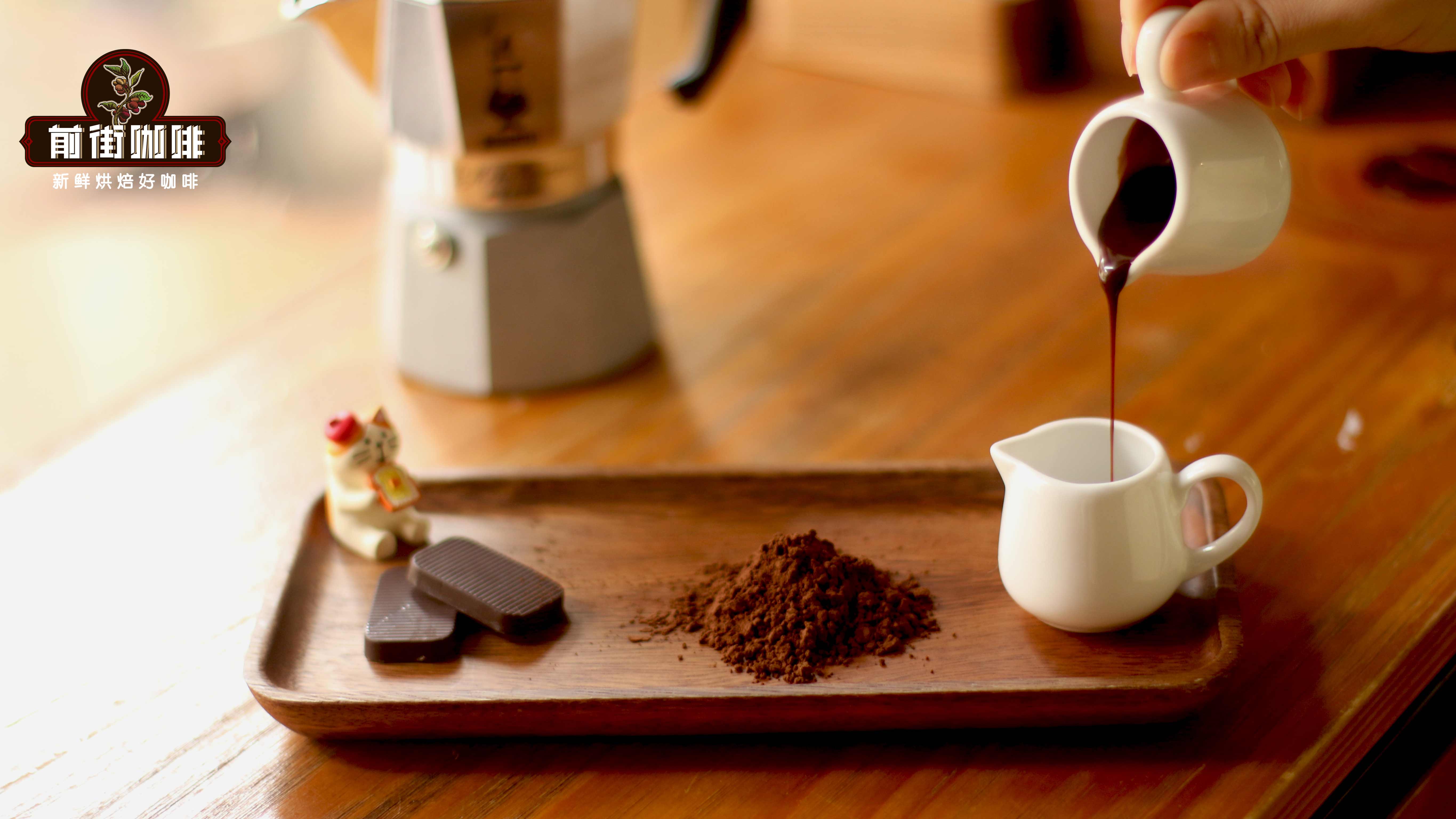
How Is Yemeni Mocha Different from Espresso Mocha? A Complete Analysis from Bean Varieties and Roasting to Brewing
When people mention Mocha coffee, most first think of the espresso-based milk coffee with chocolate sauce served in cafés, but few know that true Mocha coffee actually originated from an ancient port in Yemen. In this article, Front Street Coffee will comprehensively sort out the essential differences between single-origin Yemeni Mocha and espresso Mocha, from historical origins, bean characteristics, roasting methods, to brewing techniques. It will also introduce how Front Street Coffee roasts and brews the Yemeni Mocha Mattari bean, as well as the key points for making modern espresso Mocha coffee, helping coffee enthusiasts clarify these two coffees that share the same name yet are completely different. [more…]
What exactly is the connection between Yemeni Mocha coffee beans, the espresso mocha drink, and the moka pot? And what are the prices?
Many friends who have just stepped into the world of coffee get confused the moment they see the word "Mocha": does it refer to coffee beans produced in Yemen, that espresso drink with chocolate added, or the small Moka pot in the kitchen? These three things share the same name, yet their origins are worlds apart. This article begins with the trade history of Yemen's Port of Mocha, tracing how Mocha coffee beans became legendary, why espresso Mocha borrowed this name, and the invention and naming logic of the Moka pot. It will also introduce several Front Street Coffee blends suitable for use with a Moka pot, helping you clarify the concepts, choose the right beans, and brew a rich cup of coffee. [more…]
Yemeni Single-Origin Mocha and Espresso Mocha: From the Ancient Red Sea Port to the Evolution of Chocolate Coffee and Key Brewing Points
The name Mocha actually refers to two entirely different things in the world of coffee: one is a single-origin coffee bean originating from an ancient port in Yemen, and the other is the chocolate-milk-espresso drink commonly found in cafés today. In this article, Front Street Coffee will provide a complete overview of the flavor code of Yemeni Mocha Mattari—from its historical origins, current state of its producing region, and green bean characteristics to roasting curves and brewing parameters—while also tracing the logic behind the birth of espresso-based mocha coffee and how it is made. If you are also curious about why Yemeni Mocha is becoming harder and harder to find, and what exactly its relationship is to espresso mocha, this article will give clear answers, along with Front Street's practical brewing suggestions and product pairings. [more…]
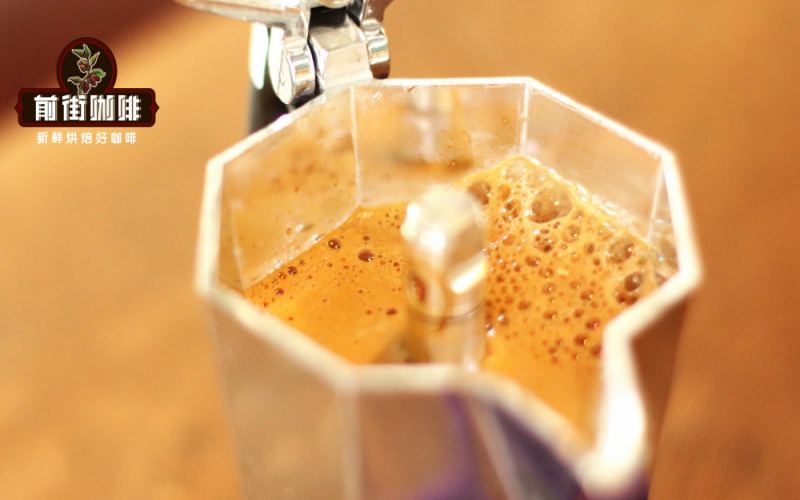
Mocha Coffee Beans, Mocha Beverages, and the Moka Pot: The Different Origins and Naming of Three "Mochas"
The word mocha appears repeatedly in the coffee world—mocha coffee beans, espresso mocha, and the moka pot. The three seem to share the same origin, but in fact their births span one to two centuries, and they have no direct brewing connection to one another. The clue that truly links them points to the port of Mocha in Yemen, which long ago ceased exporting coffee. This article starts from history and sorts out the origins of each of the three mochas one by one: how mocha coffee beans got their name from the port, why espresso mocha uses chocolate to imitate the flavor of days gone by, and why the moka pot borrowed the name mocha. At the same time, for friends who want to make good coffee with a moka pot, it also offers suggestions on choosing fresh medium-dark roasted beans. [more…]
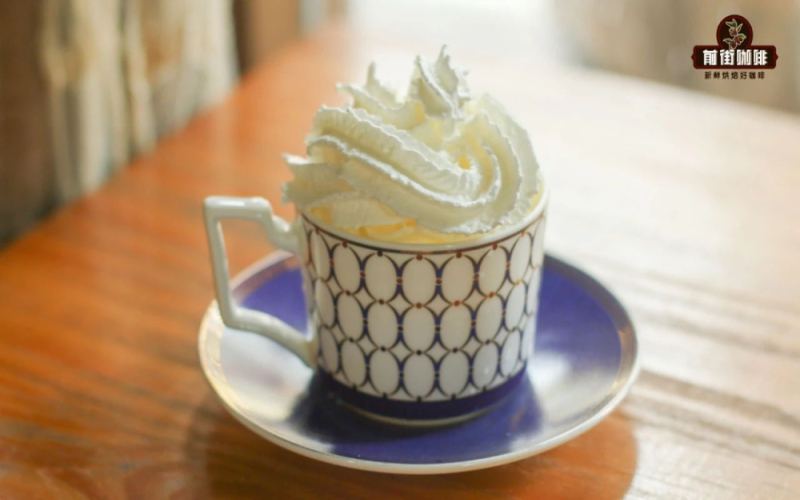
How Is a White Mocha Different from a Mocha? A Comprehensive Analysis from Chocolate Formula to Calories
White mocha and mocha appear to differ by only a color, but in reality they are vastly different from the chocolate ingredients to the calorie content. White mocha uses white chocolate syrup to replace the dark chocolate in traditional mocha, resulting in a sweeter taste and higher calories. This article will introduce in detail the ingredients, preparation methods, flavor characteristics, as well as the origin stories and calorie differences of white mocha and mocha. Whether you prefer the rich flavor of dark chocolate or the sweet taste of white chocolate, you can find practical preparation references here. Front Street Coffee has also compiled detailed recipe ratios for you, so let's take a look. [more…]
The Triple Identity of the Word "Mocha": From Yemeni Coffee Beans to Espresso Drinks and Home Moka Pots
The word "Mocha" appears with extremely high frequency in the coffee world, but what exactly does it refer to? Friends new to coffee are often confused by the three things: mocha coffee beans, the mocha coffee drink, and the moka pot. In fact, their origins may span one or two centuries, and there is no direct derivative relationship between them, yet they all happen to share the name "Mocha." To sort out this relationship, the clues trace back to the Port of Mocha in Yemen. This article will break down the true meaning of these three "Mochas" one by one from three angles: historical origins, flavor characteristics, and brewing principles, and will also include Front Street Coffee's practical advice on choosing beans for the moka pot. [more…]
What's the difference between a mocha and a latte? A comprehensive analysis of their differences, from historical origins to preparation recipes
Mocha and latte are the two most common espresso milk coffees on cafe menus, but their flavor profiles and preparation methods are completely different. Mocha gets its name from the Yemeni port of Mocha, and in the early days it was once synonymous with coffee; the modern espresso mocha, on the other hand, evolved from the latte with the addition of chocolate. From the perspective of Front Street Coffee, this article sorts through the historical thread of mocha, explains in detail the specific methods for making hot mocha and iced mocha, and compares them with the preparation process for a hot latte, helping coffee lovers understand the core differences between the two in ingredients, taste, and the logic of serving. [more…]
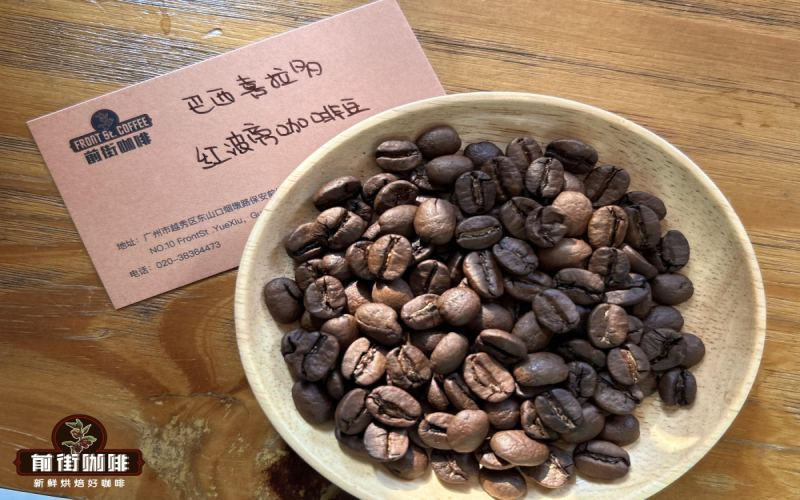
Coffee Basics | What Does Mocha Mean in Coffee? Is Mocha Coffee a Black Coffee Made from Mocha Coffee Beans? Is There Any Connection Between the Moka Pot and Yemeni Mocha?
For more specialty coffee knowledge and sharing, please follow our WeChat official account: Front Street Coffee (FrontStreet Coffee). Many newcomers to coffee feel very confused when they see coffee terms containing "Mocha." Views on Mocha coffee differ between those who start with espresso-based coffee and those who start with single-origin coffee. [more…]

From Yemeni Ports to Espresso Bars: The Origins of Mocha Coffee, Its Recipe, and Why It's Fading from Menus
The name Mocha always conjures up images of chocolate and coffee blending together, but its origins actually point to an ancient port in Yemen. From the coffee trade monopoly of Mocha Port in the 15th century, to Italians using cocoa powder to imitate the flavor of Mocha beans in the 18th century, to the rise of fancy coffee drinks after World War II, Mocha coffee has undergone a rather winding evolution. This article traces the historical thread of Mocha coffee, explains its essential differences from a latte, introduces the specific method and recipe for a traditional Mocha, and analyzes why this high-sugar drink appears less and less on menus amid the specialty coffee wave and healthy eating trends. At the end, Front Street digs out its long-stored chocolate sauce to revisit the process of making an iced Mocha with everyone. [more…]
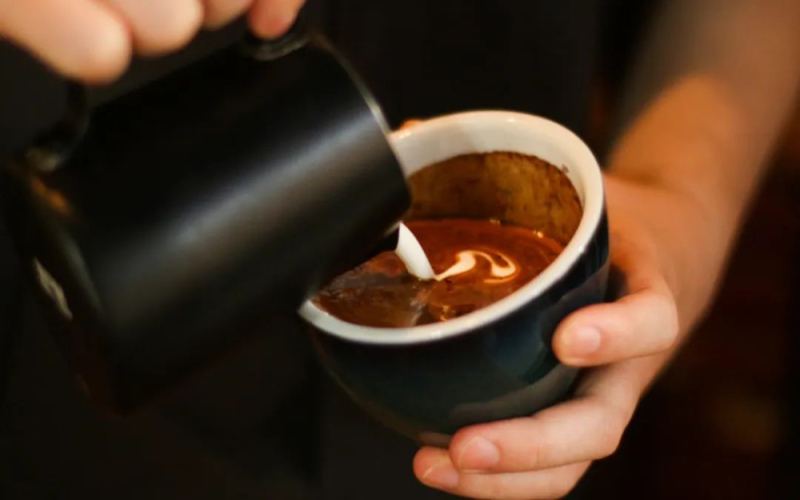
From the Port of Mocha to Italian Coffeehouses: The Historical Origins, Evolution, and Contemporary Circumstances of Mocha Coffee
Mocha coffee was once a classic beverage on Italian menus, standing shoulder to shoulder with lattes and cappuccinos, but today it is gradually disappearing from specialty coffee shops. This article traces the origin of the name "mocha"—from the status of Yemen's Mocha Port as a coffee trade hub, to the Italian mocha created by 18th-century Italians to imitate the chocolate notes of Mocha beans, and then to how it became a dessert-like drink in the second wave of coffee that masked the bitterness of dark roasts. The article also analyzes how the third wave specialty coffee movement and the healthy-eating trend have caused traditional mocha to decline, yet people's love for chocolate-flavored coffee has not faded. Finally, it includes the iced mocha recipe shared by Front Street Coffee for enthusiasts to recreate at home. [more…]

Mocha Coffee Drinking Methods and Bean Selection, with a Discussion of Moka Pot Usage and the Three Meanings of "Mocha"
The word "Mocha" has three identities in the coffee world: the Yemeni port of Mocha, the mocha drink in Italian coffee, and the moka pot found in countless homes. These three seem unrelated, yet each has had an impact on coffee history that cannot be ignored. This time, Front Street Coffee will sort out the meaning of these three mochas one by one: from how the Yemeni port of Mocha in the fifteenth century made "Mocha coffee" synonymous with high-quality coffee, to how Italians created the espresso-based mocha coffee to replicate the chocolate flavor of Mocha beans, and then to the invention of the moka pot and techniques for using it. The article will also share the moka pot brewing steps, coffee-to-water ratio, grind size standards, and the Brazil Queen Estate coffee beans that Front Street recommends for pairing with the moka pot, helping you brew a rich and full-bodied cup of coffee at home. [more…]

Mocha Coffee Tutorial Illustrated | What Is Espresso Milk Coffee Mocha? Which Coffee Beans Are Suitable for Making Mocha? How to Make a Delicious Mocha at Home?
For more specialty coffee knowledge, please follow: Front Street Coffee (Frontsteet Coffee) Recently, more friends have been visiting Front Street stores to ask about Mocha coffee. Unfortunately, Mocha coffee has already been removed from Front Street's menu, so these friends have all hit a dead end one after another. "Since [more…]
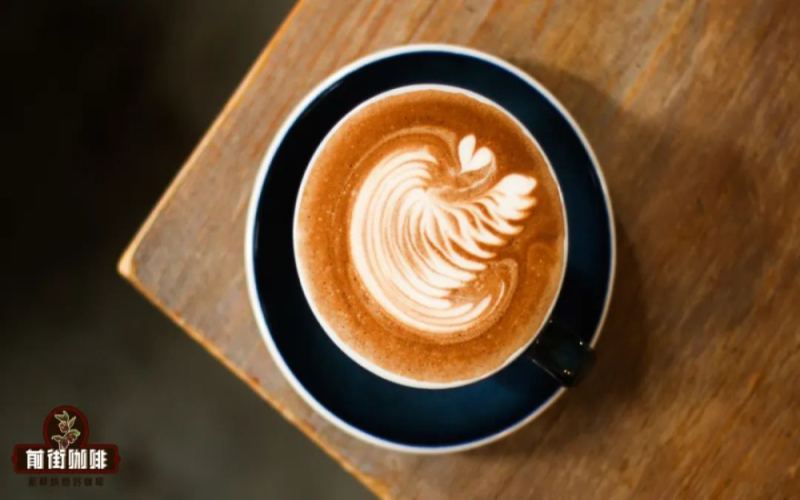
Analyzing the Flavor Differences Between Starbucks Mocha and Latte, with a Complete Front Street Coffee Hot and Iced Mocha Tutorial
Mocha and latte both belong to the family of Italian milk coffees, and neither can do without espresso and milk, yet the two are completely different in formula structure and flavor direction. A latte places more emphasis on the balance between the coffee beans' own flavor and the fresh sweetness of the milk, while the core of a mocha lies in the intensity of the chocolate flavor and the control of the sweet-to-bitter ratio. Starting from Front Street's production experience, this article first clarifies the essential differences between the two, then takes a deeper look at common mistakes in making mocha, and separately provides detailed recipes, steps, and ingredient-adjustment logic for hot mocha and iced mocha, helping coffee lovers, on the basis of understanding the principles, make a cup of mocha that is rich in chocolate, sweet without being cloying, and clearly layered, while also retaining the bean-selection and preparation reference for the latte portion. [more…]

Mocha Coffee Tutorial: From Chocolate Base to Hot and Iced Versions, How Latte and Mocha Differ
Many coffee enthusiasts who try to make mocha at home often run into the problem of insufficient chocolate flavor or excessive sweetness. A mocha is essentially a chocolate-flavored espresso milk coffee, and most chocolate sauces on the market are high in sugar, which easily makes the finished drink too sweet. Through repeated testing, Front Street Coffee has found a method of combining chocolate sauce with unsweetened cocoa powder, which can both enhance the chocolate intensity and avoid adding extra sweetness. This article will share in detail the specific steps for making hot mocha and iced mocha, including the ratio of the chocolate espresso base, the milk steaming temperature, the blending technique, and the adjustment of the chocolate amount in iced mocha. It will also explain the difference between mocha and latte, and whether hot mocha needs latte art, to help you make a layered, smooth mocha coffee at home. [more…]
Italian Milk Coffee | What Is Mocha Coffee? How Do the Ratios Differ Between Mocha and Latte Preparation Methods? Which Tastes Better at Starbucks, Mocha or Latte?
Many people think that mocha coffee and latte coffee are about the same. Although both belong to Italian coffee and use Espresso and milk, they still differ greatly in taste and preparation ratios. Today Front Street Coffee will talk about the differences between mocha coffee and latte coffee. Latte originates from the Italian word L [more…]
Should Mocha Use Chocolate Syrup or Cocoa Powder? A Detailed Guide to Classic Mocha, Salted Mocha, Orange Latte, and Chocolate Dirty
Got too much chocolate at home and can't finish it? Why not turn it into a cup of coffee where chocolate takes center stage. This article rounds up four easy chocolate coffee recipes: starting with the most classic mocha, then moving on to a sweeter salted mocha, an orange-chocolate latte with the aroma of orange wafer cookies, and a chocolate Dirty that blends hot and cold. Using Front Street Coffee's classic espresso blend as an example, the article provides espresso extraction parameters, the ratio of chocolate to milk, tips for adjusting between hot and cold versions, and a practical trick for melting chocolate chunks directly instead of using chocolate syrup, helping coffee lovers easily recreate these drinks in their own kitchens. [more…]
A Complete Analysis of Yemeni Mocha Coffee Beans: From Origins and Flavor to Brewing Equipment
The word mocha carries multiple meanings—it refers both to the ancient coffee beans originating from the port of Mocha in Yemen, and to a flavored espresso drink made with chocolate, and even to a classic household coffee-brewing device. This article will take you through the historical origins of mocha coffee, clarify the dispute over its place of origin, explain in detail the flavor characteristics of Yemeni mocha beans and the source of their chocolate notes, and also introduce variations such as flavored mocha and white mocha, as well as the enduringly popular extraction tool, the moka pot. Whether you are fond of pure single-origin beans or prefer sweet chocolate coffee drinks, you can find the information you need in this detailed overview. [more…]