








How Does Coffee Powder Turn Into a Balanced Mocha?
Making mocha at home usually goes wrong in one of two ways: weak chocolate flavor or a drink that tastes far too sweet. The cause is chocolate sauce, which blends sugar and cocoa together, so adding more sauce for flavor also adds sugar. Combining a small amount of chocolate sauce with unsweetened cocoa powder boosts chocolate intensity without extra sweetness.
The chocolate espresso base sets the structure, then steamed milk is folded in, and iced mocha needs a slightly higher chocolate ratio to hold up over ice. Mocha and coffee differ from a latte mainly through that added chocolate. Steaming milk to roughly 60 to 65 degrees Celsius keeps the texture smooth without scorching.
Many coffee enthusiasts often run into the problem of insufficient chocolate flavor or excessive sweetness when trying to make mocha at home. Mocha is essentially a chocolate-flavored espresso milk coffee, and most chocolate sauces on the market, due to their high sugar content, tend to make the final drink too sweet. Through repeated testing, Front Street Coffee has found a method of using chocolate sauce combined with unsweetened cocoa powder, which can both enhance chocolate intensity without adding extra sweetness. This article will share in detail the specific steps for making hot mocha and iced mocha, including the ratio of the chocolate espresso base, milk steaming temperature, blending techniques, and the adjustment of chocolate amount in iced mocha. It will also explain the difference between mocha and latte, and whether hot mocha needs latte art, helping you make a cup of mocha coffee with rich layers and smooth texture at home.

Many people who try making mocha coffee at home feel the result is not ideal—either the chocolate flavor is too weak, or it is cloyingly sweet. So they contacted Front Street through the backend, hoping to get a recipe for a delicious mocha.
Today’s mocha coffee usually refers to adding chocolate to an espresso milk coffee, to mimic the rich chocolate character of Yemeni mocha coffee (for details, please refer to the article "What Is Mocha Coffee?").
The vast majority of mochas use chocolate sauce because it is convenient, requires no waiting for chocolate to melt, and is ready to use at any time. But it is worth noting that although chocolate sauce saves effort, it is precisely the key reason many people fail to make good mocha.
Chocolate itself is very bitter, so popular chocolate sauce products on the market often add a large amount of sugar to balance the bitterness. Since the sugar and chocolate have already merged into one, we cannot separate them and adjust the ratio independently. This means that if you think the chocolate flavor is not strong enough and keep adding chocolate sauce, the bitterness decreases, but the sweetness skyrockets along with it.
Therefore, most shops do not rely solely on chocolate sauce to make mocha, but also add other ingredients, so that the final product retains the essence of chocolate while tasting smoother and not bitter.
Many beginners do not understand this characteristic of chocolate sauce and use only chocolate sauce when making mocha. No worries—next, Front Street will share how to make a delicious cup of mocha coffee.

How should a delicious mocha coffee be made?
As mentioned earlier, mocha is simply a chocolate-flavored espresso milk coffee. So what we need to do is actually very simple: give the milk coffee enough chocolate intensity, while controlling the sugar to just the level that neutralizes the bitterness.
We will still use chocolate sauce to make mocha, because its sweetness blends more naturally with chocolate, and it does not taste abrupt on the palate. But in addition to chocolate sauce, Front Street will also add another ingredient to enhance chocolate intensity, namely: unsweetened cocoa powder.
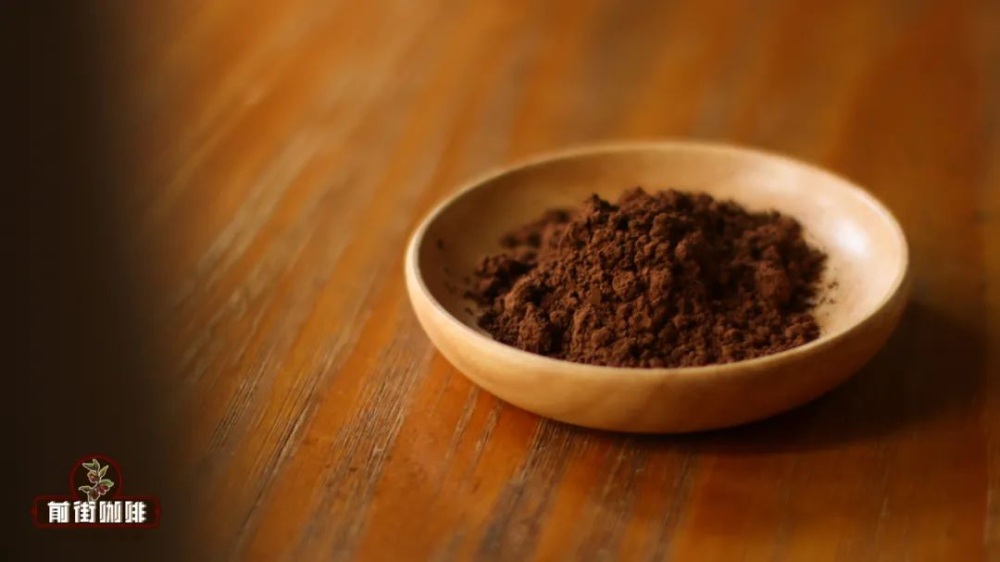
Unsweetened cocoa powder not only brings a richer chocolate flavor, but also noticeably increases body, and because it contains no sugar, it will not drive up sweetness. Therefore, it is an ideal choice for enhancing chocolate intensity (melting dark chocolate is of course also fine, but the process is more cumbersome and time-consuming). All right, without further ado, let’s start making delicious mocha.
How do you make hot mocha coffee?
Hot mocha and iced mocha differ somewhat in method, so Front Street will introduce them separately. To make hot mocha, prepare: 1 coffee cup, 1 mixing cup or bowl (optional), 1 strainer (optional), 1 portion of milk, 1 portion of espresso, chocolate sauce, cocoa powder.
Step 1: Make the chocolate espresso base
First, make the chocolate espresso base.
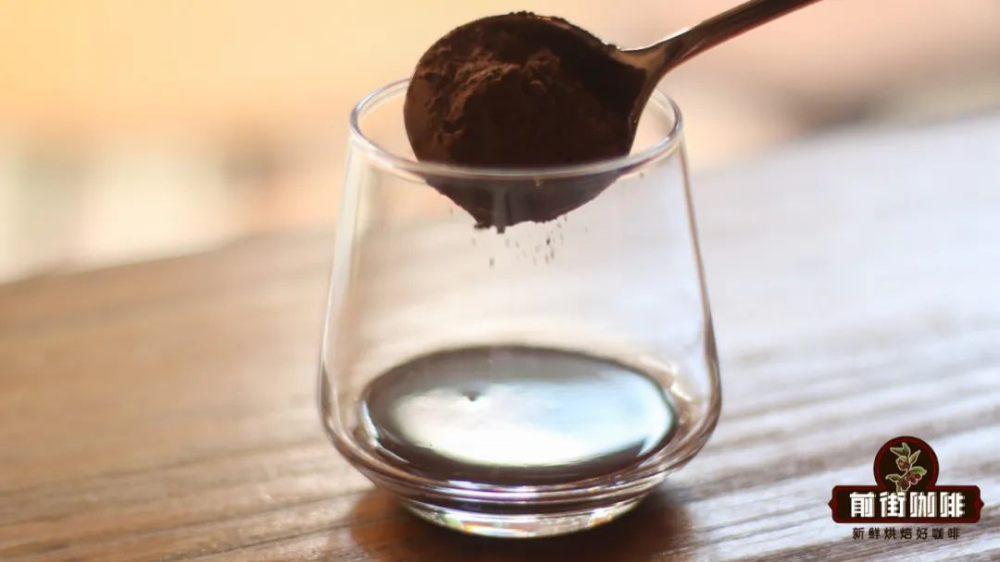
Add 15ml chocolate sauce (Da Vinci brand) and 5g unsweetened cocoa powder (Valrhona brand) to the mixing cup. After repeated testing, Front Street found that the chocolate mixture made with this ratio has moderate sweetness and a very rich chocolate flavor. Those who prefer it sweeter can increase the chocolate sauce to 20ml.

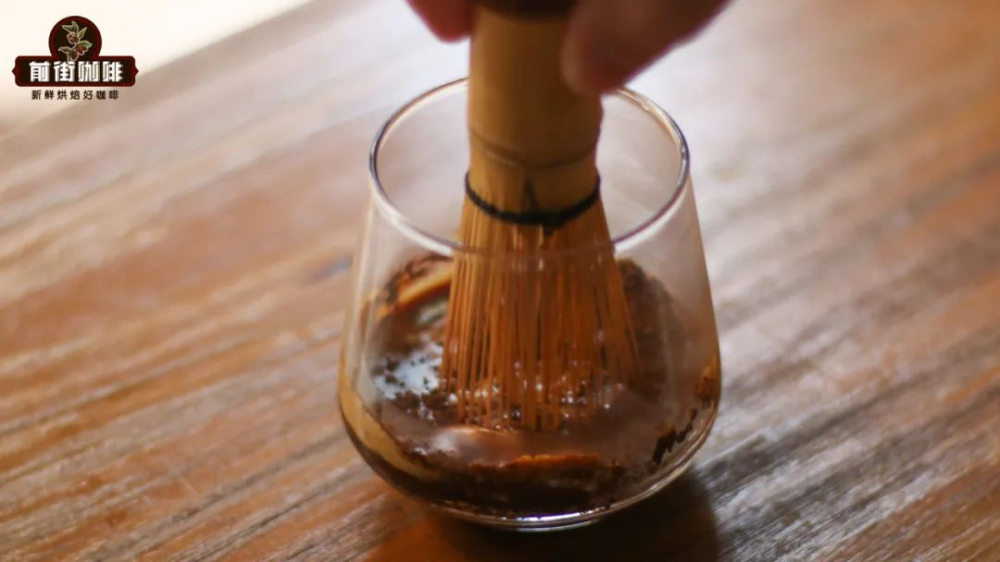
Then extract a portion of espresso into the mixing cup, using the heat of the espresso together with stirring to melt and evenly mix the chocolate sauce and cocoa powder. (The extraction parameters used by Front Street today were 19.8g of grounds, extracting 38ml of liquid in 28 seconds.)
Step 2: Filter out undissolved cocoa powder
After stirring is complete, it can be poured into the latte cup. When pouring, it is best to use a strainer to filter out the cocoa powder that has not fully dissolved, because it tends to clump together, and straining gives a smoother texture. (This is also why two cups are needed; if you do not plan to strain, just do it directly in the latte cup.) (universal portafilter basket)
Step 3: Sprinkle a small amount of cocoa powder on the surface
If you have a sifter, you can use it to sprinkle a small amount of cocoa powder on the surface of the chocolate espresso base, which will give the finished mocha a more enticing chocolate aroma. (You can also omit this step.)
Step 4: Steam the milk
Just like making a hot latte, the milk for hot mocha also needs to be steamed to a high temperature of about 65°C to bring out the sweetness of lactose, while the milk foam makes the texture creamier. So the milk steaming step is completely the same as for a latte: steam to 60–68°C, thin milk foam.
The ratio of milk to coffee is 1:4, that is, 50ml of base with 200ml of milk.
Step 5: Blend
Once steaming is complete, you can begin blending. Those who want latte art should note that this base is fairly thick and does not flow easily at first, so more milk is needed to blend it and improve the fluidity of the surface, which allows patterns to be poured better. (It is worth mentioning that mocha is actually easier to pour patterns into than latte.)
At this point, a delicious cup of mocha coffee is complete. Not only does it look great, it is also quite enjoyable to drink. The rich chocolate sweetness, paired with the whiskey aroma and butter cookie notes brought by the Warm Sun blend, makes the whole thing taste like a chocolate liqueur bonbon, while the presence of Red Cherry brings out a slight berry aroma, making the layers very rich!
How do you make iced mocha coffee?
Iced mocha needs ice cubes to cool it down, so part of the milk is sacrificed to make room. And when the ice cubes melt, they dilute the overall concentration, making the texture thinner. Therefore, the amount of ingredients in the chocolate base needs to be increased: chocolate sauce from 15ml to 20ml, and unsweetened cocoa powder from 5g to 8g, correcting the texture by increasing chocolate intensity.
The process for making the chocolate coffee base is the same as for hot mocha; the rest is just assembling the ingredients. Into the prepared cup, add in order ice cubes (90g), milk (160ml), and finally pour over the chocolate coffee base, and it is done. (You can also first coat the glass with chocolate sauce, which looks even better in a glass.)
Remember to stir before drinking, so the milk and chocolate coffee fully blend. If conditions allow, you can also add cream, milk cap, and other toppings on the surface, making the iced mocha richer in layers and doubly delicious.
The above content is compiled by CoffeeHunters, a coffee news website.


