







Search Results for: Espresso Fine Grounds

Is It Normal for Black Sediment to Appear at the Bottom of an Espresso Shot? A Full Analysis of the Causes of Fine Particles and How to Fix Them
Many people notice a layer of fine black powder at the bottom of the cup after finishing a latte or espresso, and sometimes dark particles float at the bottom of an iced latte as well. Is this actually normal? Does it affect flavor or health? In fact, this sediment consists of ultra-fine particles that pass through the filter basket holes during espresso extraction. A trace amount is normal, but if a large amount of grounds is visible to the naked eye, it means something has gone wrong in the extraction process. This article starts with where these fine particles come from, analyzes possible factors such as grinding, the portafilter basket, and barista technique, and offers practical solutions like adjusting the grind setting, switching baskets, and adding a paper filter, to help you enjoy a cleaner cup of coffee. [more…]

Why Does Fine Sediment Appear at the Bottom of an Espresso Cup? Analyzing the Causes and Practical Solutions for Improvement
Many people, after drinking an Americano or espresso, notice some fine black particles settling at the bottom of the cup—are these actually coffee grounds? And why are they rarely seen in iced drinks? Drawing on Front Street Coffee's practical experience in production, this article explains the sources of very fine particles in espresso extraction, including grinding particle size, the mesh of the portafilter basket, and cleaning of the group head, and offers four actionable improvement measures. The article also records the results of Front Street's test of placing a circular filter paper in the portafilter basket—although it effectively intercepts fine particles, the extraction flow rate and flavor change, requiring readjustment of the grind and dose parameters. [more…]
A Complete Guide to Coffee Grind Size: Grind Standards for Pour-Over, Espresso, and Moka Pot with Front Street Brewing Tips
Grind size is one of the core variables that determines the direction of coffee flavor. If the grounds are too coarse, flavor compounds are under-extracted and the coffee tastes thin as water; if the grounds are too fine, bitterness and off-flavors are over-released, throwing the cup out of balance. It is often said in coffee circles that "the grinder is more worth investing in than the coffee machine," which shows just how critical grinding is. This article systematically covers the medium-fine and medium-coarse grind standards for pour-over coffee, the practical method of sifting grounds with a 0.85mm sieve, the ultra-fine grind required for espresso under 9 bar of pressure, and the grind range for the moka pot that falls between the two. It also draws on Front Street Coffee's brewing experience to offer water temperature recommendations for different roast levels and espresso blend bean recommendations. [more…]
How fine should espresso grounds be? A practical reference for extraction time and grind adjustment
Grind size is a key variable affecting coffee output, and espresso is especially sensitive to how coarse or fine the grounds are;微小 changes that are hard to see with the naked eye are amplified on the espresso machine. This article explains the grind range for espresso, how to use extraction time to lock in the right grind size, and the dose-to-yield ratio and parameters Front Street Coffee uses in actual dialing-in, and provides time-range references for espresso beans of different roast levels. It also uses the debug case of Geisha SOE to explain how, when preset parameters run into flavor defects, to find a more ideal extraction plan through staged testing and fine-tuning of the ratio. [more…]
How Does Coffee Grind Size Affect Extraction? A Complete Analysis of Pour-Over and Espresso Parameter Adjustments
Grind size is one of the key variables determining coffee flavor. The finer the particles, the larger the contact area between hot water and coffee grounds, and the greater the resistance to extraction, which tends to prolong extraction time and increase the extraction yield; the coarser the particles, the opposite is true, and underextraction becomes likely. Different brewing devices have significantly different grind requirements, ranging from the flour-like extremely fine powder for a Turkish pot to the coarse particles for a French press, a very wide span. This article systematically sorts out the relationship between grind size, extraction time, and extraction yield, gives reference grind ranges for espresso and pour-over coffee, and, combined with Front Street Coffee's production experience, explains how to find a grind setting that suits you according to roast level and bean hardness, while also reminding you of the importance of daily maintenance of the grinder burrs. [more…]
Coffee Grounds Coarseness Reference | Pour-Over Coffee Grind Size 1 to 10: Which Is the Finest? How to Adjust Coffee Bean Grind Parameters for Espresso and Moka Pot
A delicious cup of coffee is hard-won, because from seed to cup is a very long wait. Even at the final step of extraction, you must ensure that the coffee you use meets brewing standards, because extraction is easy—but have you ever thought about it? Coffee grounds are what extract the flavor compounds, [more…]
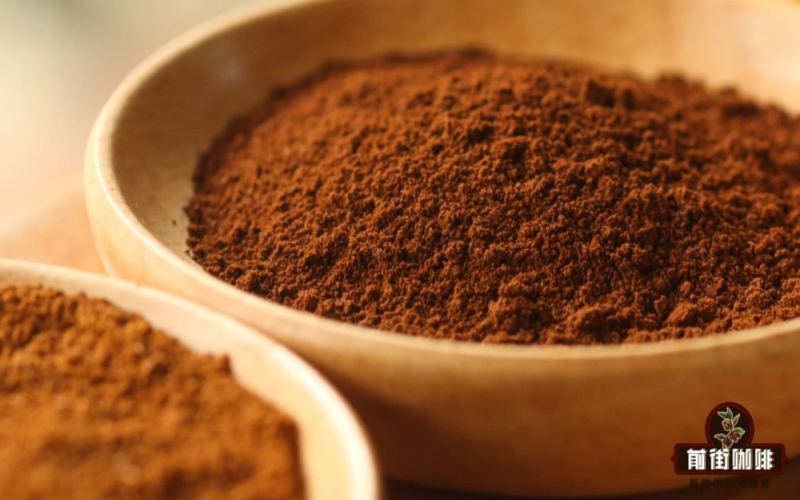
Can espresso-fine coffee grounds be used for pour-over? A detailed explanation of the feasibility and key points of brewing with fine grounds
Coffee enthusiasts often grind their purchased coffee beans into espresso-level fine powder, yet don't know how to handle it—if operated according to regular pour-over parameters, it easily leads to over-extraction. So, can espresso-grind coffee powder actually be used for pour-over or cold brew? And how should the brewing plan be adjusted? In this article, Front Street Coffee uses medium-dark roasted Front Street Mandheling as an example, analyzing the precautions for pour-over with fine powder one by one, from dripper selection, water temperature setting, coffee-to-water ratio to pouring technique, and provides a practical comparison of two coffee-to-water ratios, 1:15 and 1:10, to help you master fine-grind coffee powder at home and avoid waste. [more…]
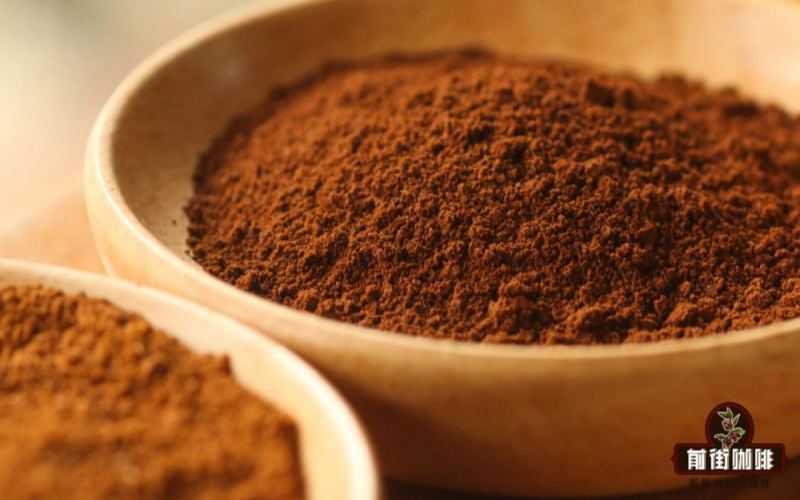
Brewing with Coffee Grounds | Can you use espresso grounds for pour-over coffee? What are the key points to note when making pour-over black coffee with fine coffee grounds?
Recently, a customer asked Front Street what to do when the coffee beans they bought were ground too fine, suitable for making espresso. I believe many friends have encountered this situation: the ground coffee they bought turned out to be too fine. If brewed with the usual pour-over parameters, it would definitely over-extract. Does that mean it has to be thrown away and can't be used? Today, Front Street will share with everyone [more…]
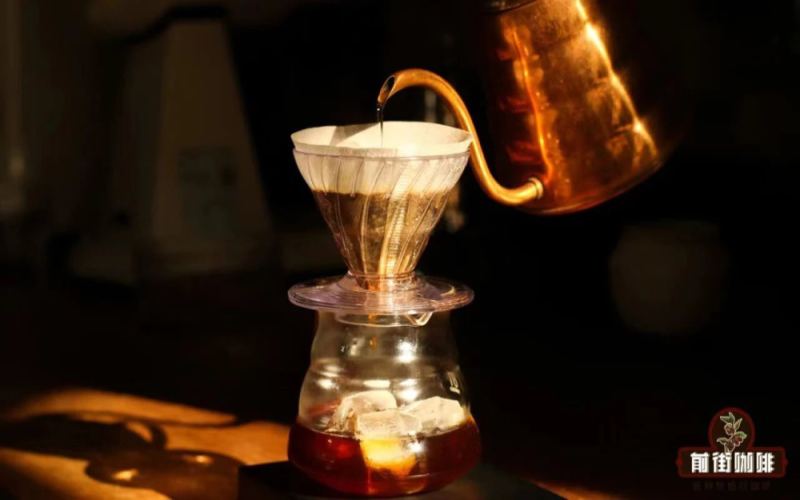
Coffee Flavor Extraction | What is the relationship between the grind size of freshly roasted coffee beans and coffee extraction? How fine should coffee grounds be for pour-over, espresso, and French press?
The grind size in coffee directly affects the contact area between the coffee and water as well as the extraction time, and it will directly impact the coffee's taste. But at the same time, coffee grind size is also the biggest headache for many people! In this article, Front Street will explain how to determine the appropriate grind size for different coffee beans. First [more…]
Coffee Grind Size Chart | What Are the Differences in Grind Size, Coffee Brewing Ratios, and Brewing Time Between Moka Pot and Espresso?
There are many factors that affect the taste of coffee. During the brewing process, the factors that influence coffee include the coffee-to-water ratio, grind size, water temperature, etc. Among them, grind size can be said to be extremely important. There is a saying in the industry: "You can buy a cheaper coffee machine, but the grinder must be the best." It must be said that grinding really has an [more…]
How Fine Should You Grind Coffee for Pour Over? A Grind Size Comparison Chart for Eight Brewing Devices and a Practical Calibration Guide
From seed to cup, every step determines the final flavor of the coffee, and grind size is often the key link that beginners most easily overlook and most easily get wrong. The tiny differences produced by the same grinder at different settings are enough to make a cup of good beans taste flat or even bitter. This article systematically sorts out the internal relationships between grind coarseness and extraction yield, contact time, and flow rate, and lists one by one the grinding standards corresponding to eight brewing devices: Turkish coffee, espresso, AeroPress, siphon, pour-over, moka pot, cold brew ice drip, and French press. The article also introduces a method for calibrating grind size using a standard sieve, and, based on the SCA-recommended pour-over passing rate, shares the complete brewing parameters and flavor performance of Front Street Ethiopia Huakui natural, for enthusiasts to reference and adjust. [more…]
Coffee Grind Size Comparison Guide: Grind Standards and Extraction Parameters for Pour-Over, Espresso, and Moka Pot
In coffee brewing, the grind size has a crucial impact on flavor. If the coffee grounds are too coarse, extraction will be insufficient and the taste will be weak; if too fine, it easily brings out bitterness. This article will systematically sort out the grind size standards corresponding to three brewing methods: pour-over, espresso, and moka pot, and provide extraction ratio and time references. The pour-over section will distinguish the grind pass rate, water temperature recommendations, and sieving verification methods for medium-light and medium-dark roasted beans; the espresso section explains the extremely fine grind and adjustment logic under 9 bar high pressure; the moka pot section introduces the suitable grind range and bean selection approach under 1.5-3 bar pressure, while retaining Front Street Coffee's practical data and product recommendations, making it convenient for coffee enthusiasts to adjust by comparison. [more…]
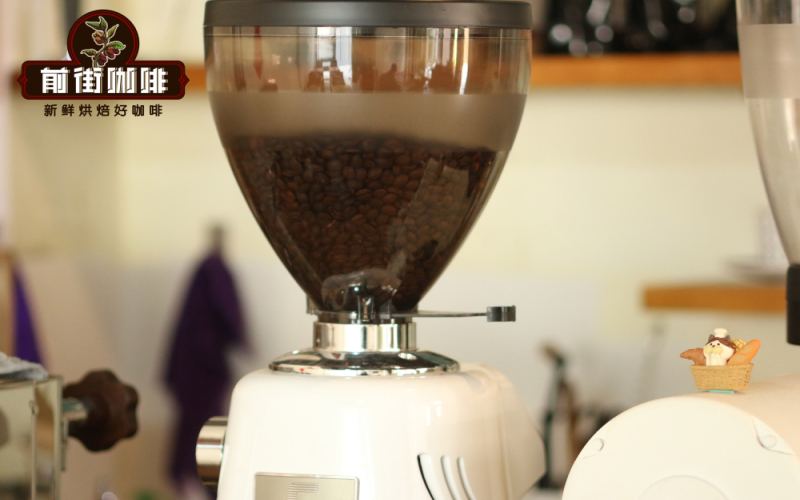
How to Adjust the Grind Setting for Espresso? A Practical Guide to Judging Fineness from Flow Rate and Flavor
Grind size has an enormous impact on coffee extraction results, and this is especially true for espresso. Compared with pour-over, espresso grounds are as fine as powdered sugar, and a slight deviation in the setting can cause the flow rate to be too fast or too slow, which in turn pushes the flavor toward either weakness or bitterness. This article focuses on how to determine a suitable grind range, how to fine-tune the setting based on flow rate and flavor, and how to flexibly apply extraction formulas, helping coffee lovers make consistently delicious espresso at home. It also draws on Front Street Coffee's daily production experience to give specific adjustment ranges and judgment criteria, and recommends Front Street's classic espresso blend beans, which are well suited to recreating a café-style flavor. [more…]
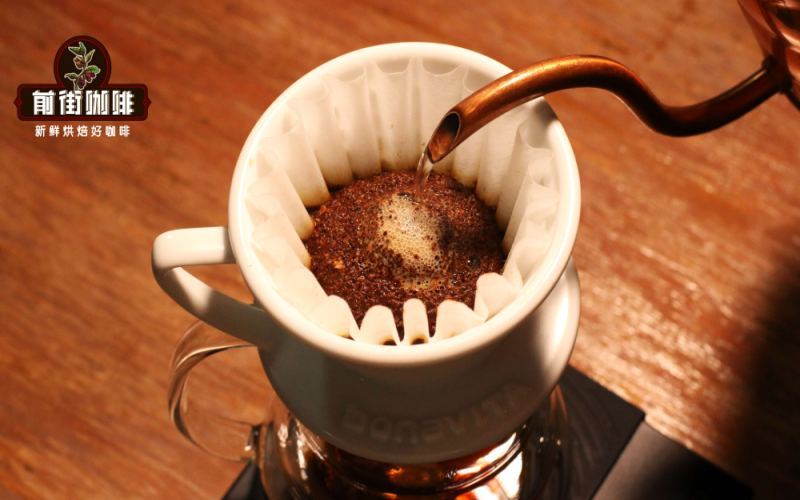
Pour-Over Coffee and Espresso Grind Size Explained: Coarseness Standards, Sieve Pass Rates, and the Science Behind Moka Pot Crema
Grind particle size is one of the key variables that determines the direction of coffee flavor. Starting from the practices of Front Street Coffee, this article systematically reviews the influence of grind size on extraction efficiency in pour-over coffee, the grind standards suited to medium-light and medium-dark roasts respectively, and how to use a 0.85mm No. 20 sieve to test the pass-through rate. It also extends to the extremely fine grind requirements of espresso, explains the effect of the grinder burr spacing on extraction time, and provides the specific extraction parameters and flavor description of Front Street espresso. In addition, the article also explains the relationship between the choice of Moka pot coffee grounds coarseness and the oils it produces, helping coffee enthusiasts find a grind plan suitable for their own equipment at home. [more…]
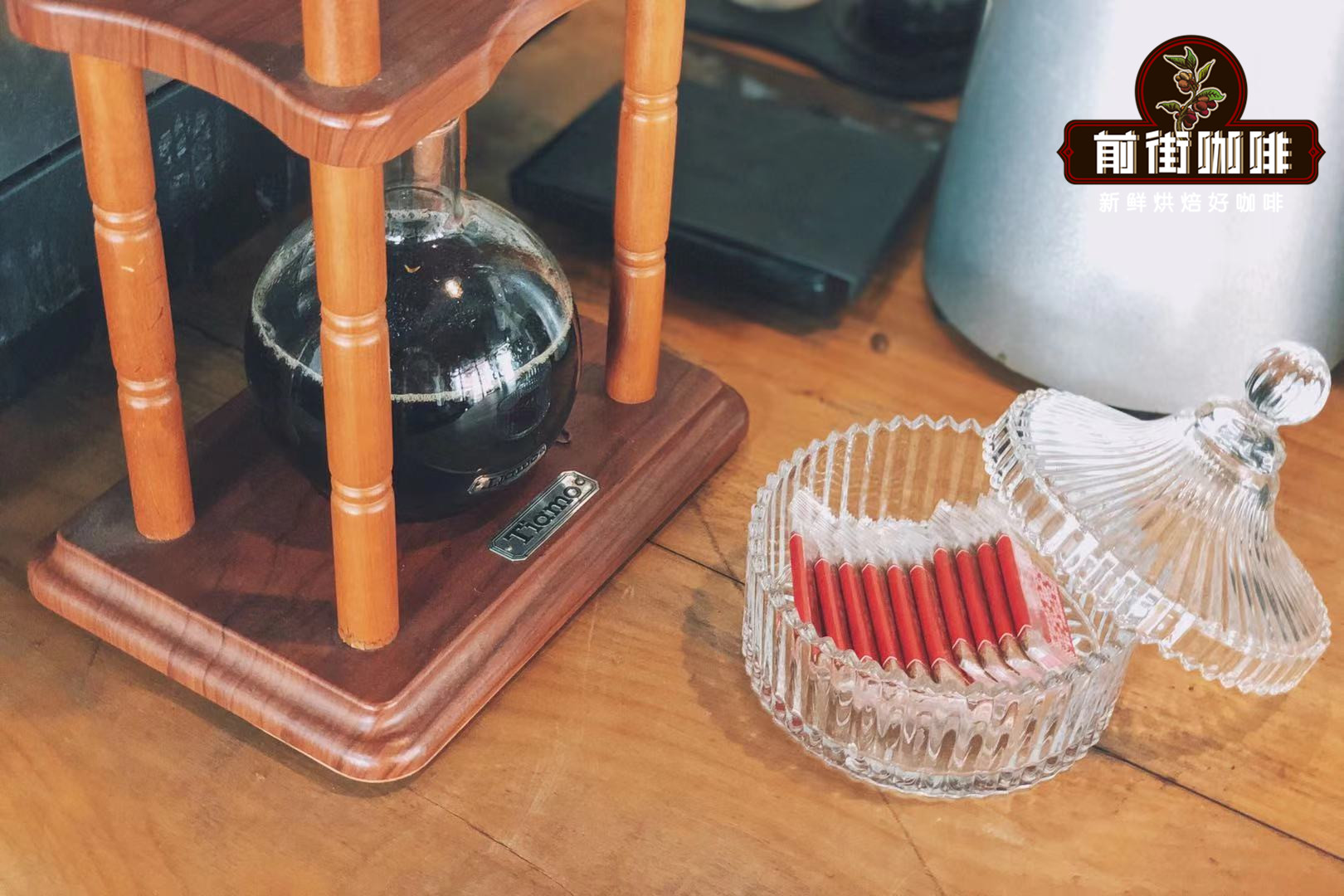
Coffee Grinding | Which is the finest grind setting from 1 to 10? How do you read the grind size for espresso and moka pot? How do you adjust the coffee grind size?
A delicious cup of coffee is hard-won, because from seed to cup is a very long wait, and even at the final step of extraction, you must ensure that the coffee you use meets brewing standards, because extraction is easy, but have you ever thought about it—coffee grounds extract flavor compounds, so the water used [more…]
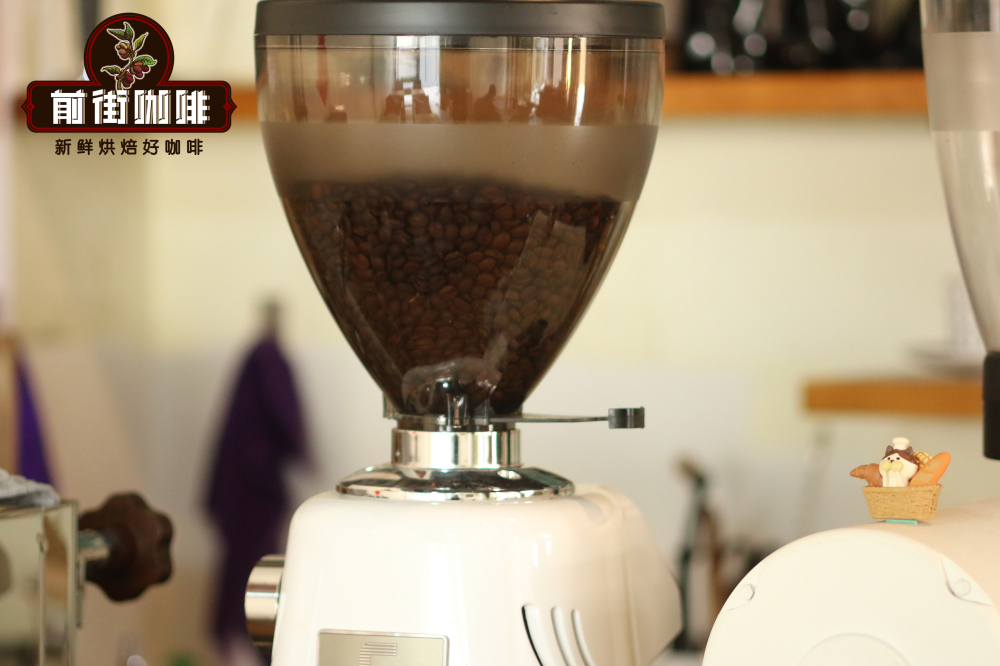
Espresso Brew Ratio | How Much Coffee Grounds for One Espresso Shot? How to Find the Right Grind Size for Espresso Beans?
How much coffee powder does an espresso need - How to drink espresso powder: How much coffee liquid is extracted from 20g of powder? When brewing coffee, we all know that the coarseness of the grind is very important. If you're not careful and the grind isn't right or is uneven, the coffee can easily be under-extracted or over-extracted. Compared with pour-over, cold brew, and other methods, espresso [more…]
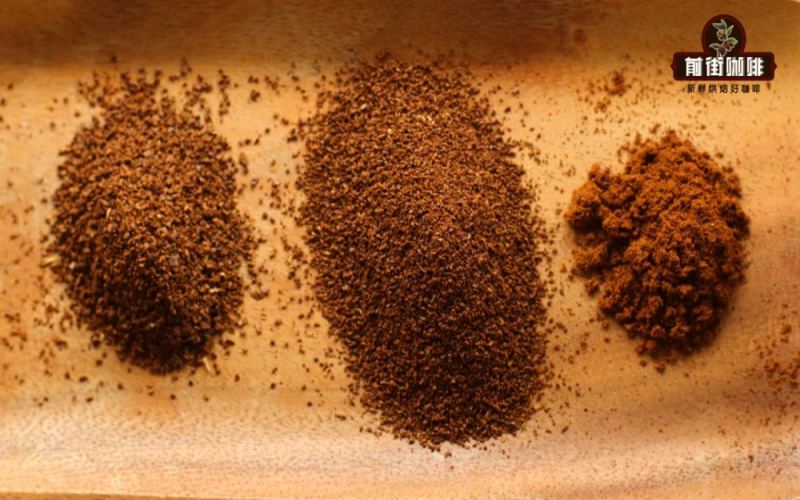
The Complete Guide to Coffee Grind Sizes: From Turkish Extra-Fine to French Press Coarse
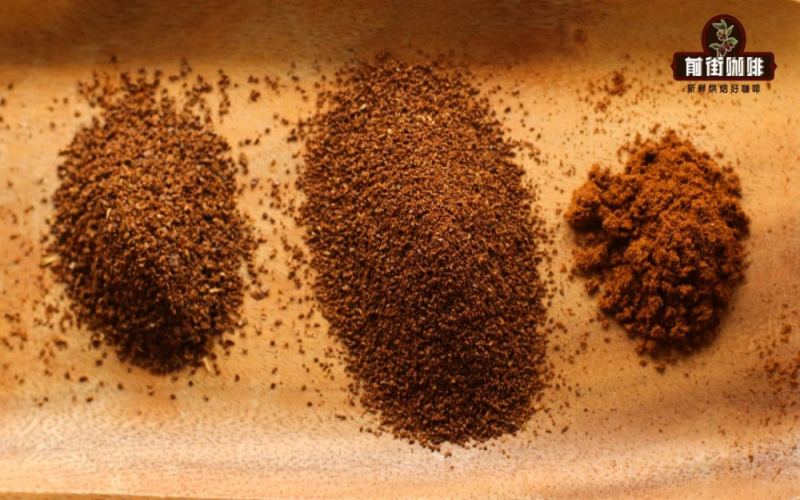
The choice of coffee grind size directly determines the success or failure of a cup of coffee. From the ultra-fine powder for Turkish coffee to the coarse particles needed for a French press, every brewing device has its corresponding grind standard. The finer the grind, the higher the extraction rate and the slower the water flow; the coarser the grind, the opposite. There are assembly tolerances between different grinders, so even the same setting may not produce coffee grounds of the same coarseness. This article systematically sorts out eight grind levels from finest to coarsest, matching them one by one with devices such as espresso machines, AeroPress, siphon brewers, pour-over, moka pots, cold brew, and French presses, and combines Front Street Coffee's brewing examples to help coffee lovers find a grind plan that suits them. [more…]
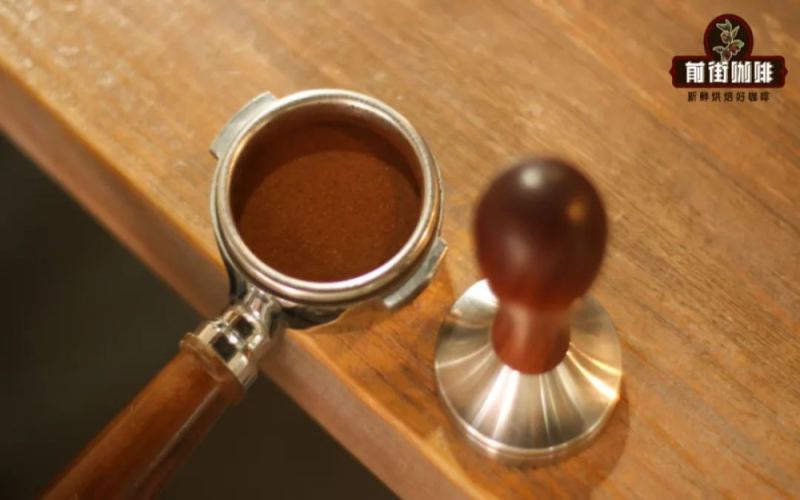
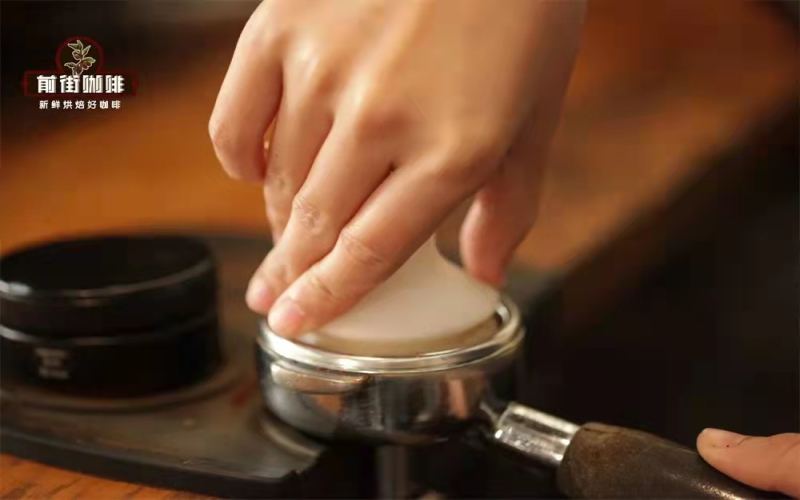
How to Choose the Tamping Pressure for an Espresso Tamper? Experimental Analysis Comparing Distribution Techniques for Fine vs. Coarse Grinds
Tamping is a seemingly simple yet highly debated step in espresso extraction. Some people give the tamper a gentle twist, just enough to level the bed, while others put their whole body into it, determined to compress the puck to the extreme. So how much force should actually be used? Do different grind sizes call for different tamping strategies? Front Street Coffee ran two sets of comparison experiments using coarse and fine grounds, tamping with a normal force of 1.5 kg and a full-force press of about 9 kg respectively, and recorded the difference in the time needed to extract 40 ml. The results showed that fine grounds are quite sensitive to changes in tamping force, while coarse grounds are almost unaffected. Through the experimental data, this article will help you understand the true role of tamping force and find the tamping method suited to different grind states. [more…]
A Detailed Guide to Espresso Coffee Dose and Brew Ratio: How to Pull the Ideal Espresso with 20g of Coffee
To craft a qualified espresso, the dosage of coffee grounds and the grind size are the key determinants of success. Unlike pour-over or cold brew, espresso uses pressurized short-time extraction, where any slight deviation is magnified. This article centers on the core question of how much coffee liquid to extract from 20g of grounds, providing a detailed explanation of determining the grind size range, choosing the coffee-to-liquid ratio, judging flow rate and flavor, and the proper way to taste espresso. It also recommends Front Street Coffee's classic espresso blend to help enthusiasts recreate a café-level espresso experience at home. [more…]
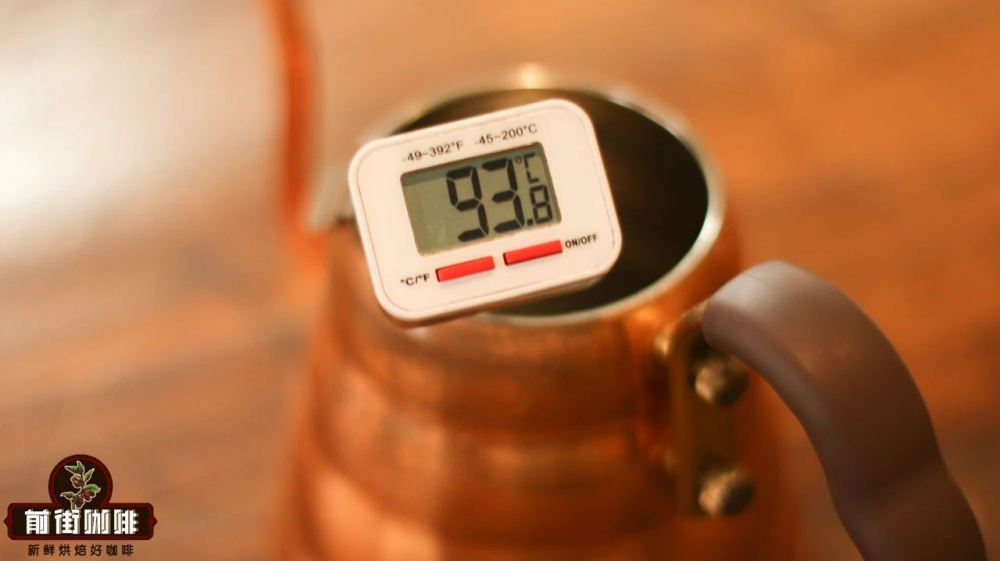
Coffee Ground Size Standards Illustrated | How to Use a Coffee Sieve? Moka Pot and Espresso Bean Grind Size Parameters, Extraction Ratio, and Time Introduction
There are many factors that affect the taste of coffee. During the brewing process, the factors that influence coffee include the coffee-to-water ratio, grind size, water temperature, etc. Among them, grind size can be said to be very important. There is a saying in the industry: "You can buy a cheaper coffee machine, but the grinder must be the best." It has to be said that grinding really has an [more…]