







How Does Grind Size Affect Pour-Over and Moka Pot Coffee?
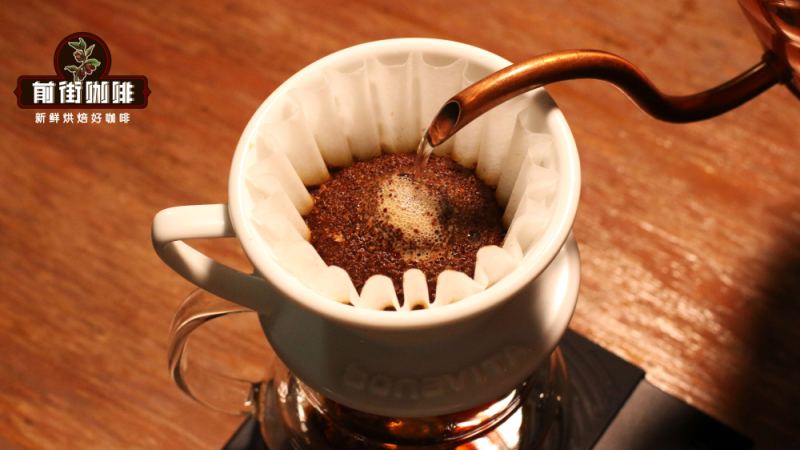
Grind size decides how fast hot water wets and extracts coffee. Finer grounds expose more surface area, so extraction rises; coarser grounds slow it down. For pour-over, beginners often grind too fine or too coarse, and the cup no longer matches the bean. Medium-light and medium-dark roasts call for different grind settings, which a 0.85mm No. 20 sieve can check by pass-through rate.
Espresso needs an extremely fine grind, and the burr spacing of the grinder changes extraction time and flavor. In a moka pot, the coarseness of the grounds also shapes the crema that forms. Adjusting the grind to match the brewer is the practical way to get a consistent cup from home equipment.
Grind size is one of the key variables that determines the direction of coffee flavor. Starting from the practices of Front Street Coffee, this article systematically reviews how grind size for pour-over coffee affects extraction efficiency, the grind standards suited to medium-light and medium-dark roasts respectively, and how to use a 0.85mm No. 20 sieve to check the pass-through rate. It also extends to the extremely fine grind required for espresso, explains how the burr spacing of a grinder affects extraction time, and gives Front Street Coffee's specific espresso extraction parameters and flavor description. In addition, the article explains the relationship between the coarseness of moka pot coffee grounds and the crema produced, helping coffee lovers find a grind solution at home that suits their own equipment.
Recently, many beginners who have just started exploring pour-over coffee at home have consulted Front Street Coffee about brewing questions. Front Street Coffee has found that the most common trap for beginners is grinding pour-over beans too fine or too coarse, causing the final cup's flavor to differ greatly from what the beans should ideally display. Therefore, the following article will sort out the relevant knowledge about pour-over coffee grind size.
The impact of pour-over coffee grind size on coffee
First, Front Street Coffee believes that grind size is extremely critical for pour-over coffee, because particle size directly determines the efficiency with which hot water wets and extracts the coffee. Theoretically, the more uniform the coffee particles, the more consistent the overall extraction rhythm, and the better the flavor performance.
The concentration and extraction yield of coffee decrease as the grind becomes coarser and increase as the grind becomes finer. The degree of grinding represents both the shape and size of the crushed coffee and the amount of surface area. The finer the grounds, the larger the surface area, and the more coffee area the water flow can contact, thus dissolving more substances. The increase in surface area (here referring to a coarser grind) also gives the carbon dioxide inside the coffee beans more channels to escape.
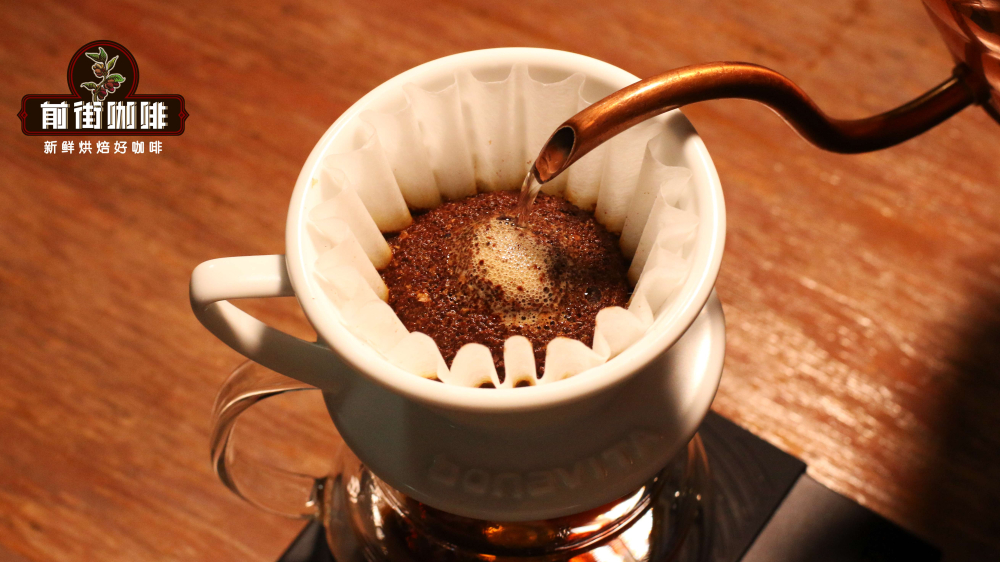
Therefore, grind size is directly related to whether a good cup of coffee can be brewed; if handled poorly, it can ruin an excellent-quality bean.
Pour-over coffee grounds coarseness standards
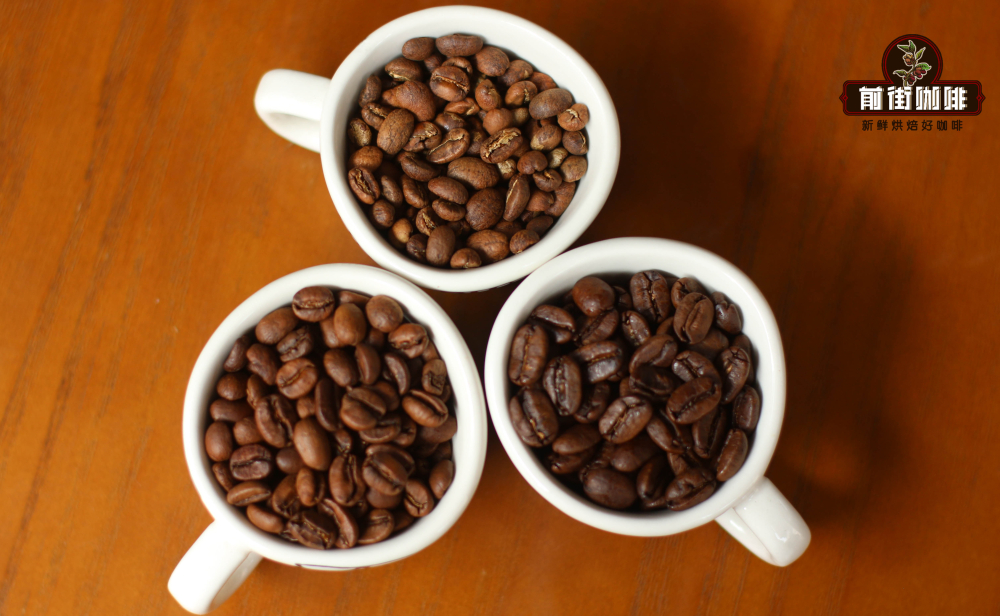
So how should pour-over coffee grounds coarseness standards be distinguished? Taking freshly roasted coffee beans as an example, Front Street Coffee notes that experienced pour-over enthusiasts all know that single-origin pour-over beans are broadly divided into two categories: medium-light roast and medium-dark roast.
Medium-light roasted beans usually have acidity and their caramelization substances are not easily extracted, so Front Street recommends a medium-fine grind (80% pass-through rate on a 0.85mm No. 20 sieve, that is, the size of fine granulated sugar). A medium-fine grind can slow the speed at which water passes through the coffee bed, better extracting acidic substances, sweet substances, and caramelization substances, bringing the flavor into balance. For medium-fine ground coffee, it is recommended to control the water temperature at 90-91°C: too high a temperature will over-extract caramelization substances and bring bitterness; too low a temperature will under-extract, obtaining only some acidic and sweet substances, making the flavor appear flat and insipid.
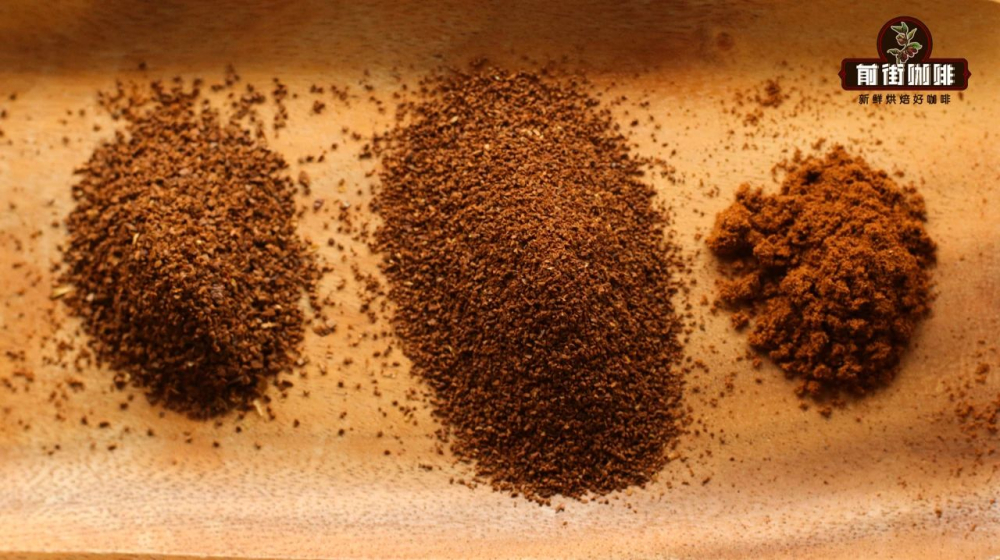
Medium-dark roasted beans generally have a flavor profile leaning toward low acidity and prominent body, meaning they are richer in caramelization substances. Therefore, Front Street recommends a medium-coarse grind (70% pass-through rate on a 0.85mm No. 20 sieve, that is, the size of coarse granulated sugar). A medium-coarse grind can speed up the water flow through the coffee bed, avoiding over-extraction of caramelization substances, allowing the coffee to be sweet and full-bodied without unpleasant bitterness. For medium-coarse ground coffee, it is recommended to use a water temperature of 88-89°C: too high a temperature will make the flavor bitter and hard to swallow, while too low a temperature will make the flavor thin.
The above are the pour-over coffee grind size standards, and they are also a relatively scientifically based reference summarized by Front Street Coffee through many practical trials. So how exactly do you sieve the grounds? Front Street Coffee explains next.
How to use a 0.85mm No. 20 sieve?
Regarding grind size, Front Street confirms it through sieving, referring to the grind recommendations given by the Specialty Coffee Association of America (SCA) for pour-over coffee and then verifying them in actual practice. If there is no powder sieve at home, Front Street Coffee suggests judging by observing the flow rate: if the flow is too fast, the grind is coarse; if the flow is too slow, the grind is fine.
First weigh 10g of coffee beans and grind them, roughly setting a grind size according to the size of fine or coarse granulated sugar, then pour them into the sieve, cover with the lid, and shake left and right so that the coffee grounds pass through the sieve into the receiving tray below, until no more coffee grounds pass through the sieve, which counts as completing the sieving. Next, prepare an electronic scale and a container and tare them, then pour the sieved coffee grounds into the container and weigh them: sifting out around 8g (plus or minus 0.1) indicates a medium-fine grind, while sifting out 7g indicates a medium-coarse grind. If the pass-through rate is too high, adjust the grind coarser; if the pass-through rate is too low, adjust the grind finer.
Black coffee brewing methods and Front Street Coffee's grind size coarseness standard sieve pass-through rates: cold drip > pour-over, siphon 80% > moka, American drip 75-80% > cupping 70-75% > French press 65-70%.
The importance of uniform grind size
The ground particles must be uniform. After coffee beans are ground into powder, the distribution of particle coarseness is closely related to coffee quality. The more concentrated the coarseness is within the target range, the more uniform the grind and the easier it is to obtain good flavor. If there are too many coarse particles, the good flavors hidden inside the coffee cannot be brewed out; if there are too many fine particles, the coffee brewed will taste messy and somewhat bitter. If the unevenness of the grind is relatively serious, Front Street recommends replacing the grinding equipment.
Espresso grind size
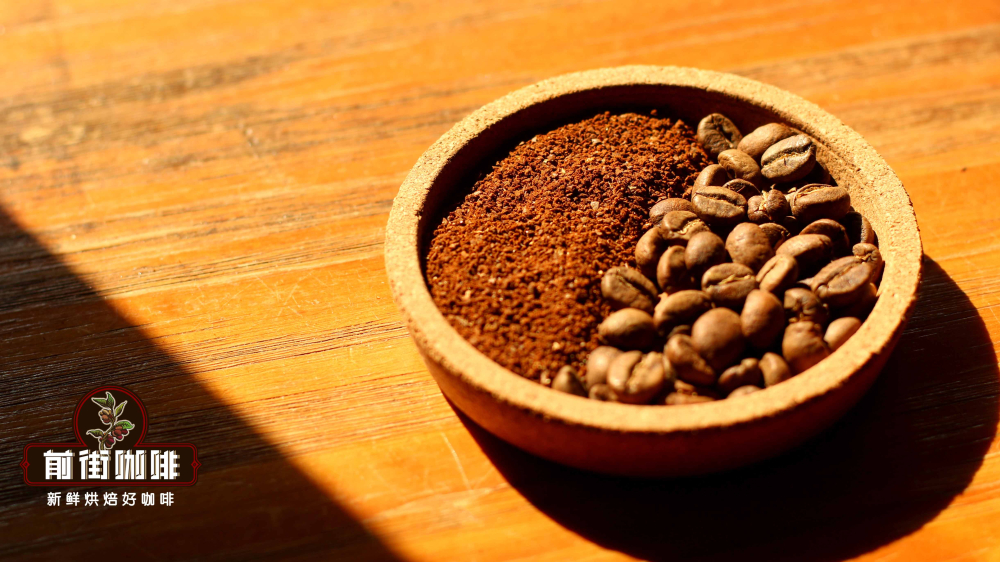
Now let's look at espresso grind size, which is very different from pour-over coffee grind size. The reason is that espresso mainly relies on an espresso machine for extraction, and its characteristic is using steam pressure to instantly pull out the coffee liquid, so too coarse a grind cannot be used; instead, extremely fine coffee grounds must be used for extraction. This is something coffee lovers must pay attention to when making espresso at home. Next, Front Street Coffee will explain exactly how fine espresso grind size should be.
The grinding principle of the coffee grinder
First, Front Street Coffee explains the grinding principle of an espresso coffee grinder. According to Front Street Coffee's practical findings, after coffee beans enter the grinder, the burrs crush the beans into powder. The smaller the distance between the burrs, the smaller the particles the coffee beans are ground into. The finer the particles, the more tightly and densely they pack, the harder it is for water to pass through, and the extraction time is therefore greatly lengthened. Conversely, if the burr spacing becomes larger, the particles become coarser, water passes through more easily, and the extraction time shortens accordingly. Therefore, to extract a cup of espresso with a standard concentration, the particles must be small enough.
How to determine the grind size suitable for your own espresso machine?
The grind parameters of every espresso machine are different, so how exactly should you determine the grind size suitable for your machine?
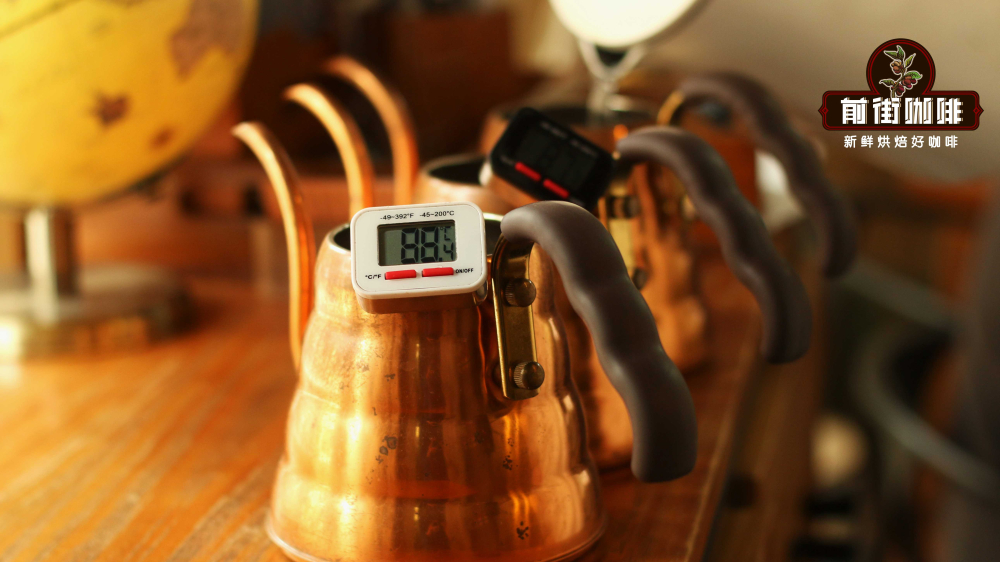
When adjusting the grind size, Front Street first sets a parameter using the golden ratio and golden time of espresso extraction: a 1:2 ratio (20g of grounds extracting 40ml of coffee liquid), with extraction time between 25 and 28 seconds, and then judges by observation and tasting whether the grind size needs adjustment.
If the grind is too coarse, the water flow will pass through the portafilter basket too quickly, the flow will be thick, extraction will be shallow, the crema will be pale, and the flavor will be sharply acidic, because the extraction is incomplete and only the surface and easily extracted acidic substances are brought out.
If the grind is too fine, it will first clog the filter holes, so water cannot come out or the stream is thin, the crema is dark, and there will also be over-extraction on the surface and under-extraction inside, manifesting as sharp acidity because there is not enough sweetness, followed by burnt bitterness and off-flavors.
If you want to test more rigorously whether this espresso reaches the standard value, you can first calibrate with a concentration tester; the vast majority of espresso concentrations fall between 7% and 12%. Zero the standard with pure water. Then stir the extracted coffee liquid and extract it with a titration tube, place it in the coffee concentration tester, press the measurement button, and measure the value multiple times until the value stabilizes.
Front Street Coffee's espresso extraction parameters
Front Street Coffee currently uses a blend of coffee beans treated with sherry wine barrels and sun-dried Yirgacheffe Red Cherry Project beans to make espresso. Seventy percent Honduran sherry barrel coffee beans provide flavor and body for this blend, while thirty percent sun-dried Yirgacheffe coffee beans provide more aroma and acidity. Next, Front Street uses this blend as an example to demonstrate to coffee lovers how to extract a cup of espresso.
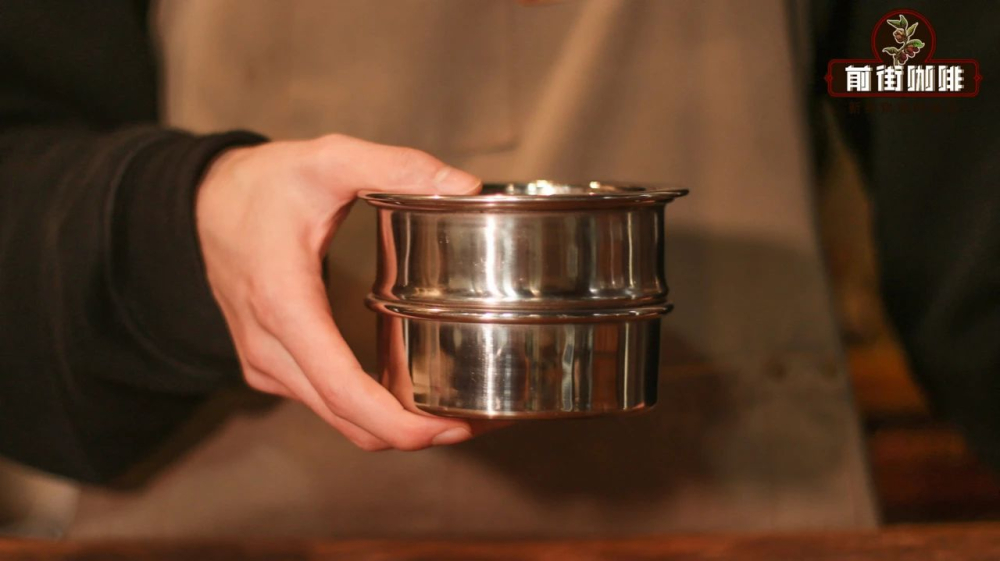
Front Street Coffee espresso extraction parameters:
Grinder: Pegasus 900N
Grind size: 1.6
Pressure: 9 bar
Temperature: 90.5~96°C
Time: 25~33 seconds
Dose: 20g (double espresso)
Extraction yield: 40ml
Extracted espresso flavor: smooth mouthfeel, medium body, with obvious fruit acidity on the palate accompanied by a faint berry aroma, whiskey notes, rich chocolate flavor, and a clear sweet aftertaste.
For more specialty coffee knowledge, please follow the WeChat public account: Front Street Coffee
The above content is compiled by CoffeeHunters, a coffee news website.


