







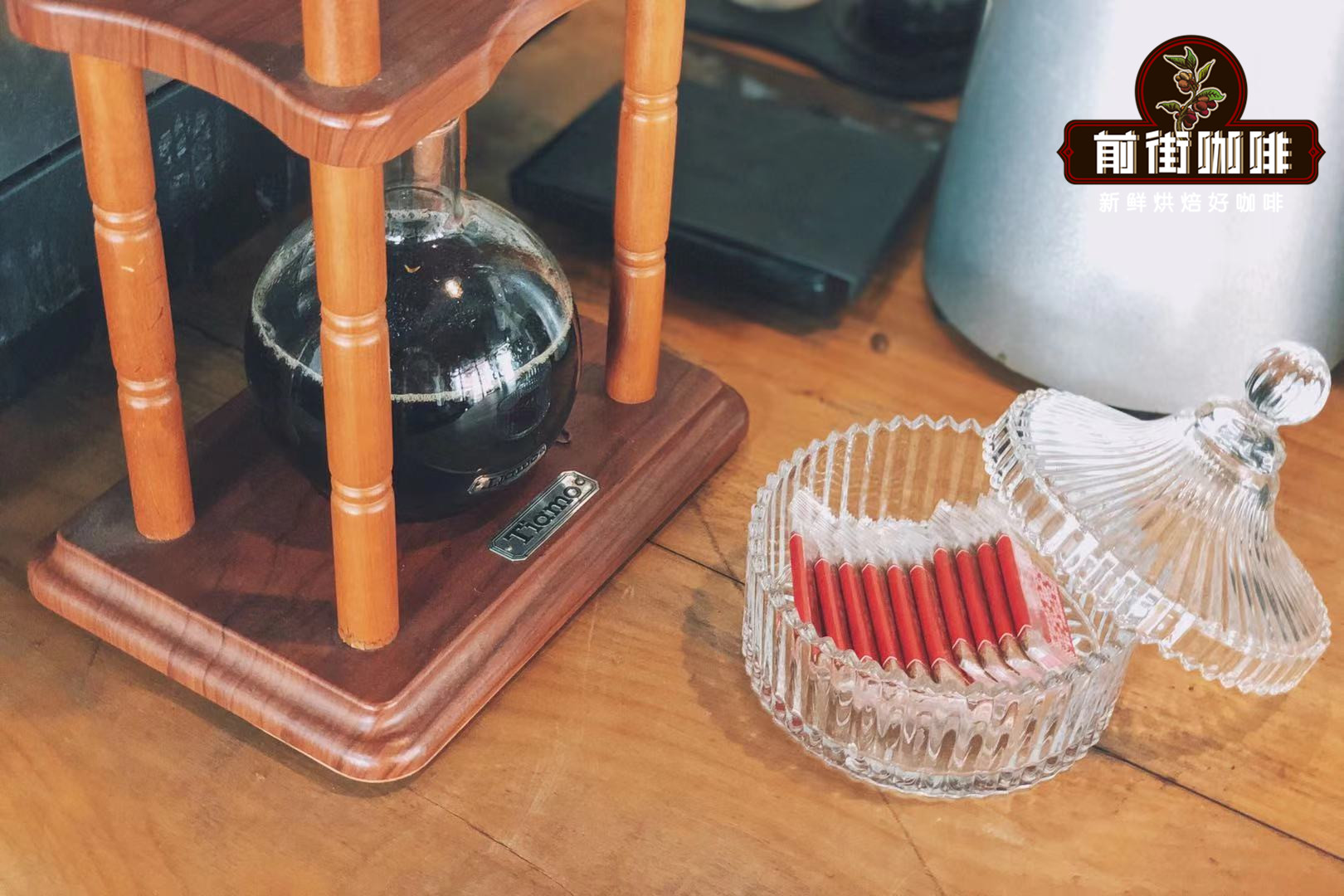
A delicious cup of coffee is hard-won, because from seed to cup is a very long wait. Even at the final step of extraction, you must ensure that the coffee you use meets brewing standards, because extraction is easy, but have you ever thought about it? Coffee grounds are what extract the flavor compounds, so the water, beans, and equipment used can all affect the flavor presentation of a cup of coffee. Today we are going to talk about coffee grind size. This is not simple, because even grinders of the same brand are not completely identical, and this slight grinding difference is enough to affect the coffee grounds. Coffee grounds are not like soy milk, where grinding them into powder is enough to make coffee, which is why grinders have so many scale settings and need fine adjustment to find the right grind size; otherwise, even the best coffee beans are just empty talk.
The Importance of Grinding
Grinding involves the extraction of coffee. The finer the grind, the higher the extraction yield; the coarser the grind, the lower the extraction yield. This relates to three factors: contact time, extraction yield, and flow rate. The relationship here is mutually reinforcing, and one item will inevitably affect another.
1. The extraction yield of coffee grounds increases as the surface area of the ground coffee increases.
2. An increase in surface area means a finer grind, and a decrease in surface area means a coarser grind.
3. The finer the coffee grind, the higher the extraction yield, so the contact time is short.
4.The finer the coffee grindthe slower the water flow and the longer the contact time; the coarser the grind, the faster the water flow and the shorter the contact time.
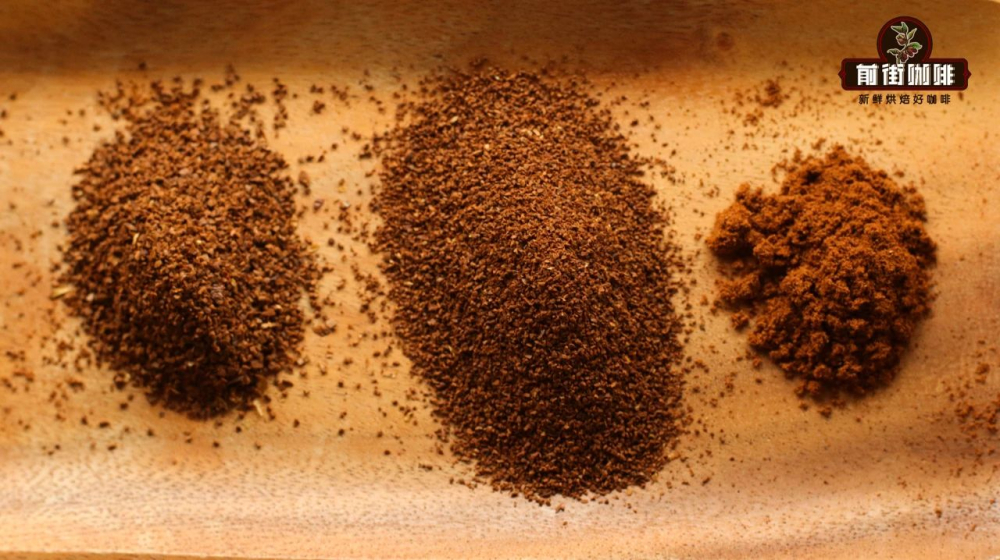
This point is easy to understand. The grind size for espresso machines is extremely fine powder, so the extraction time for espresso is only about 30 seconds; drip coffee uses medium-fine powder, so the contact time is around 2 minutes. But when you want to use a certain coffee brewing device to make coffee, you need to set the grind size accordingly, either coarser or finer. If you use extremely fine grounds to make drip coffee, then the water flow will inevitably slow down, so the contact time will be long and the extraction yield will be high. Conversely, if you use medium-fine coffee grounds to make espresso, the contact area is small, the water flow is fast, the extraction time is short, and the extraction yield is low. Even if you grind to the coarseness for pour-over coffee, how do you verify whether your grind size is correct? Even a slight deviation will produce a different flavor. Therefore, coffee grind size must be verifiable, so that you can do your best in coffee preparation.
It is worth noting that many people mistakenly believe that the same grind setting produces grounds of the same size. In fact, there will be certain errors in the assembly of different grinders, and they can be calibrated regularly. Likewise, you can also use a standard sieve to measure the fine particle size of the grounds in order to choose the appropriate grind size.
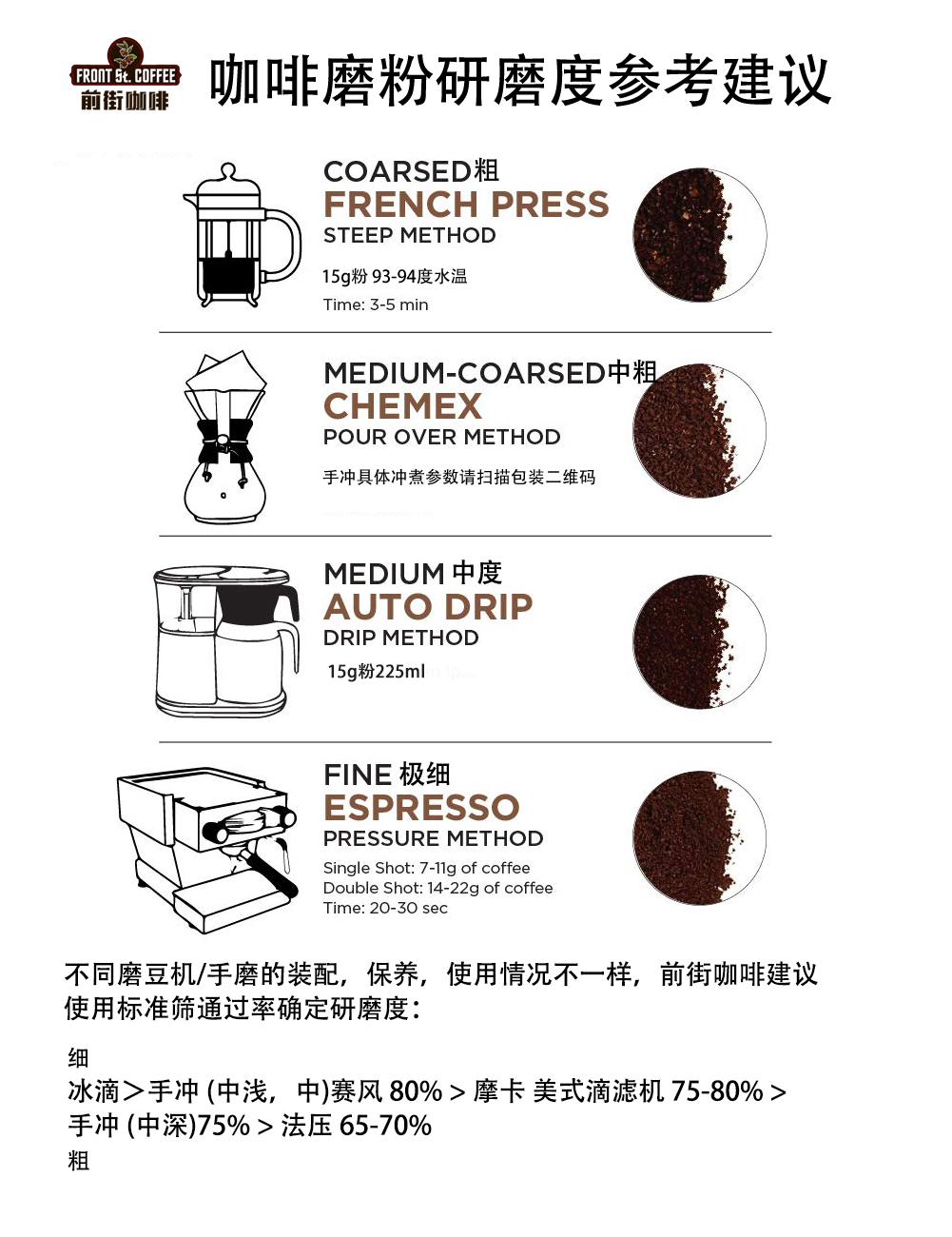
FrontStreet Coffee grind coarseness standard sieve pass rates are as follows:
Cold drip > Pour-over Siphon (Syphon) 80% > Moka American drip 75-80% > Cupping 70-75% > French press 65-70%
Grind Size Selection
Because different grind sizes correspond to different brewing devices, adjust the coffee grind size according to the device being used. Below is the range from finest to coarsest grind and the corresponding devices.

1. Turkish coffee: This belongs to an ultra-fine grind size, with a texture like flour, and is basically the smallest setting on an espresso grinder. The smaller the number, the finer the grind.
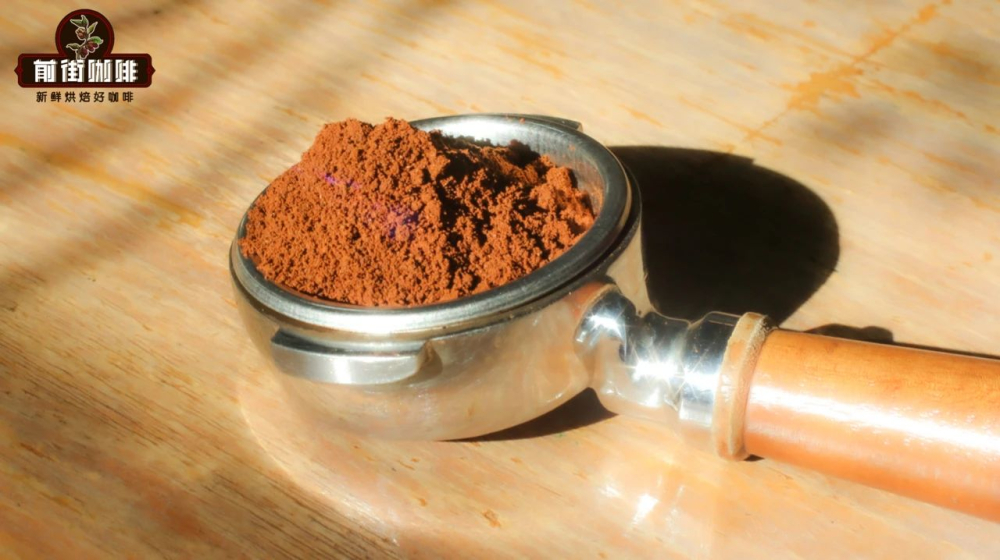
2. Espresso (as shown above): Espresso machines use 9 bars of atmospheric pressure to extract coffee substances, and this also belongs to an extremely fine grind. However, if the grind is as fine as Turkish coffee, it will clog the portafilter basket, causing the water flow to fail to come down and the extraction time to be too long. Therefore, it needs to be adjusted coarser in the direction of a larger number and then tested. Usually, the dose used for single and double portafilter baskets on an espresso machine is 8-9 g of coffee for a single basket and 18-20 g for a double basket. Extracting 25-30 g of coffee liquid for a single basket and 50-60 g for a double basket within 25-30 seconds is the standard.
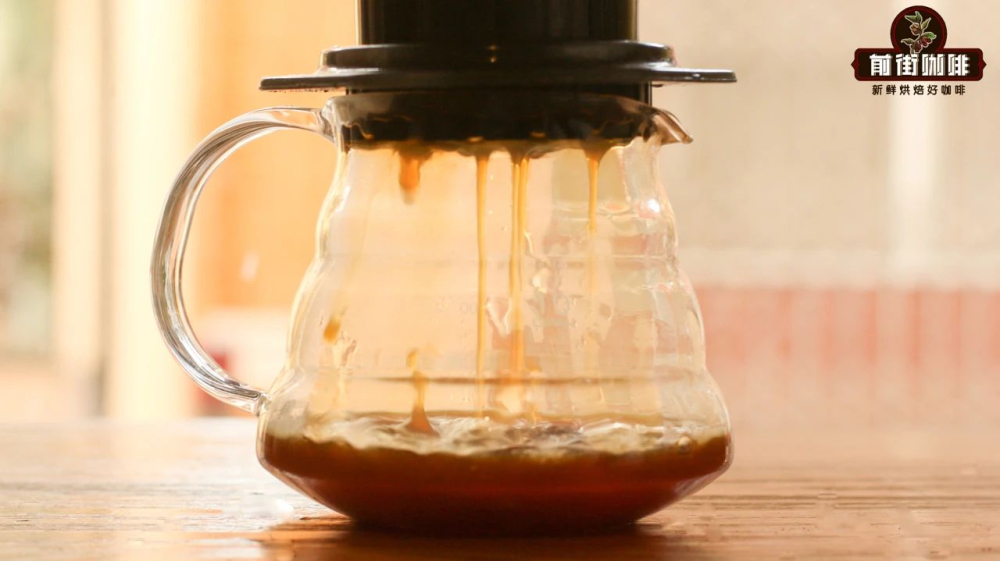
3. AeroPress (as shown below): This is an extraction device similar to a piston, pressing out coffee liquid by hand. The extraction time is about 2 minutes, but it is immersion extraction, so fine grounds will cause over-extraction. Adjust about 1 or 1.5 steps coarser than the pour-over coarseness, somewhere between medium-fine and fine.
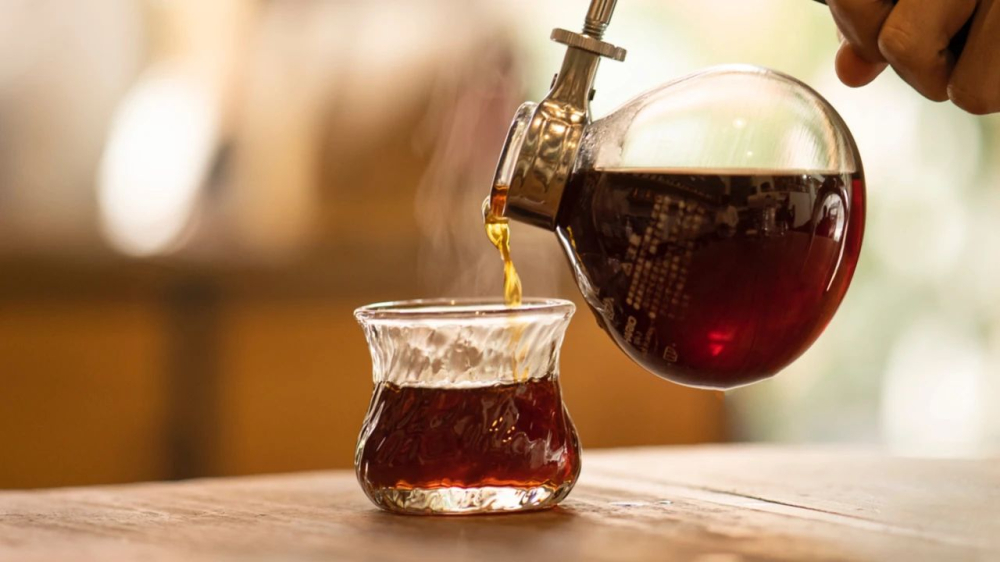
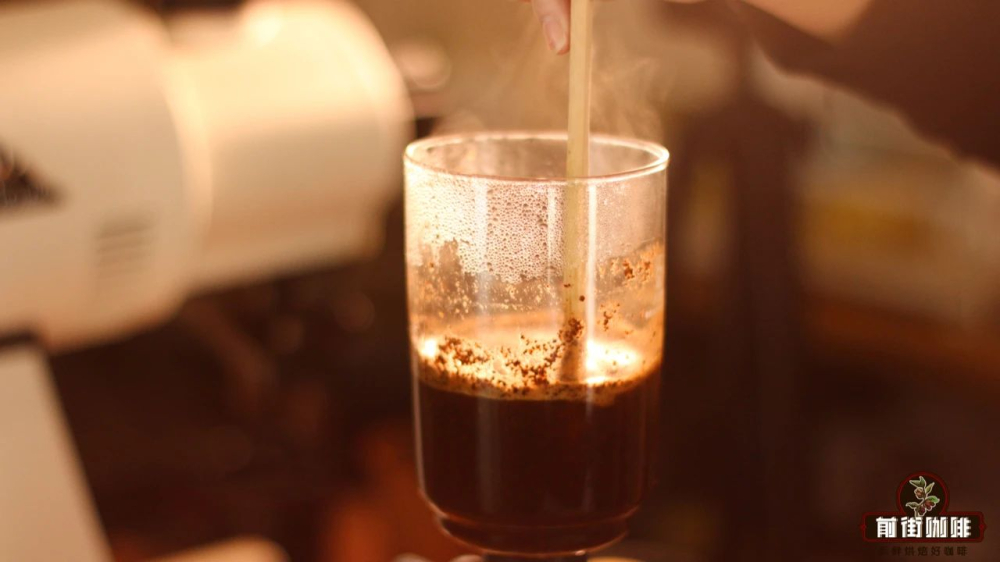
4. Siphon (as shown below): The siphon uses an open flame to heat boiling water, which rises from the lower chamber to the upper chamber for immersion extraction, and stirring is also carried out during the process. Fine grinding carries the risk of over-extraction, so it needs to be adjusted to a medium grind.
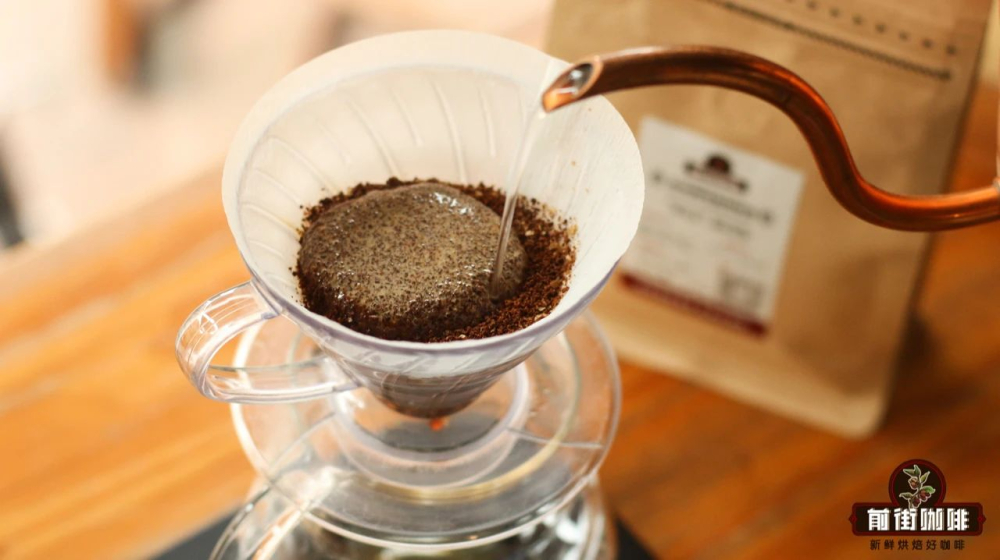
5. Pour-over coffee (as shown below): This is currently the most popular brewing method, but there are still many grinding deviations. People usually say it should be ground to a coarseness similar to fine granulated sugar, but many people do not understand that even when comparing against a reference, there will still be deviations. The grind for pour-over coffee is medium-fine, with a size similar to fine granulated sugar. The SCA-recommended sieve pass rate is 75-80%, which is defined as the standard coarseness for pour-over coffee.
6. Moka pot (as shown below): The moka pot is an ancient coffee device that extracts coffee in the upper part by heating the water in the bottom until it boils. In the past, this was the main method used for espresso-style coffee. The pressure is about 1.5 bar, so a finer grind is required, close to espresso grind but slightly coarser.
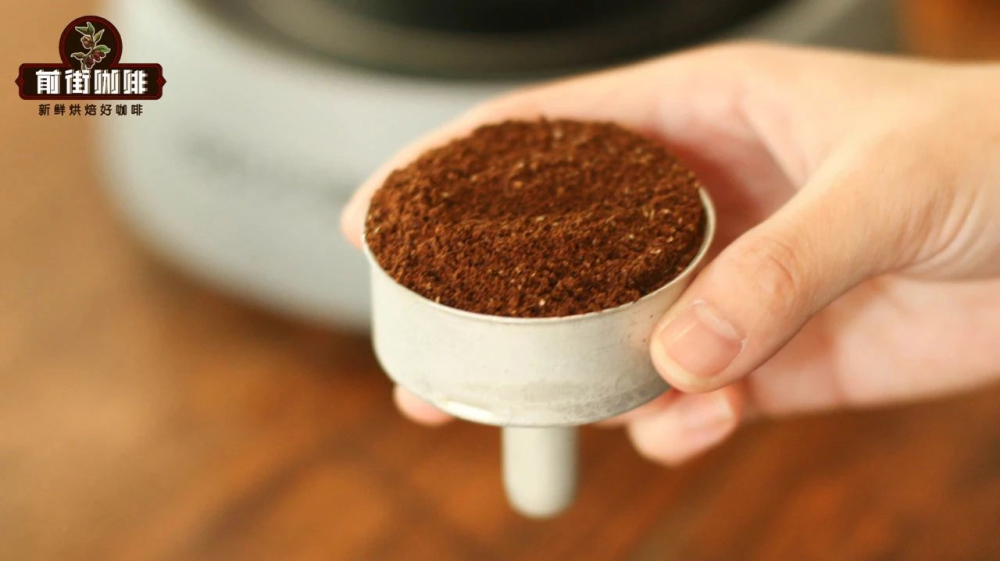
7. Cold brew, cold drip: Both belong to long-term low-temperature immersion extraction, using ice water to slowly extract the flavor compounds from coffee. The extraction yield of ice water is very low, so long soaking requires a medium-coarse grind. Medium-coarse grinding is easier to filter and will not cause the gaps between grounds to be too fine for water droplets to penetrate; cold brew is also easier to filter out coffee grounds.
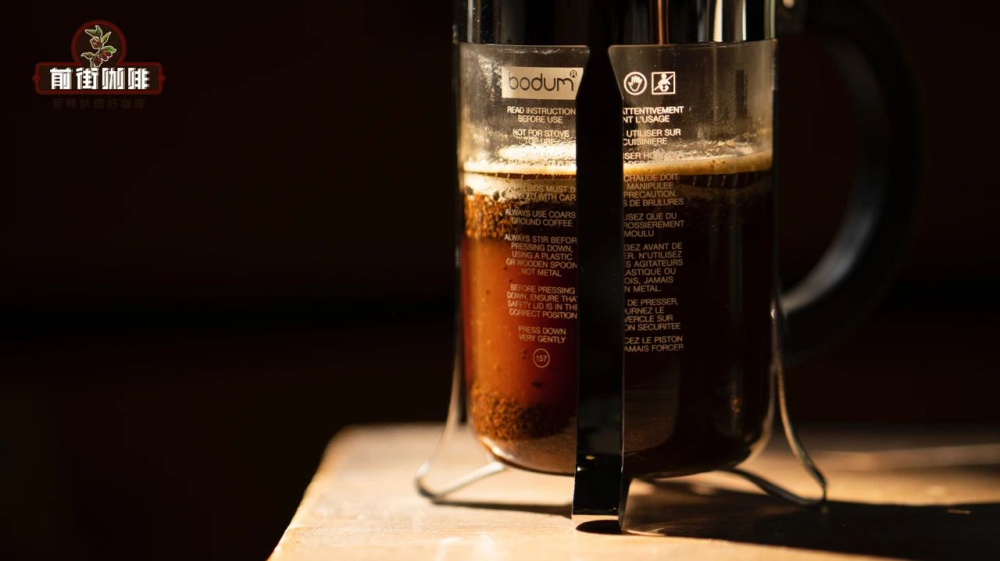
8. French press (as shown above): The French press is also immersion extraction, but the difference is that the coffee extracted in a French press stays immersed in the pot the whole time, so long soaking will lead to over-extraction, making a coarse grind necessary. The grind size is coarse, similar to the larger granules of brown sugar.
The above are my personal suggestions for coffee grind size, for reference only. When problems are found in actual operation, adjustments should be made immediately; do not stubbornly insist on a certain grind size. People also have different tastes. Some like it lighter, and some like it stronger. This is very normal. The taste you think is just right may be too strong or too weak for someone else, so do not let uncontrollable factors interfere. At present, the most commonly used pour-over coarseness can be calibrated with a sieve, so friends who need calibration can buy one for calibration. Next is the brewing sharing time. Let's brew Sidamo Flower Queen using the standard pass rate defined by the SCA and see what surprises there are!
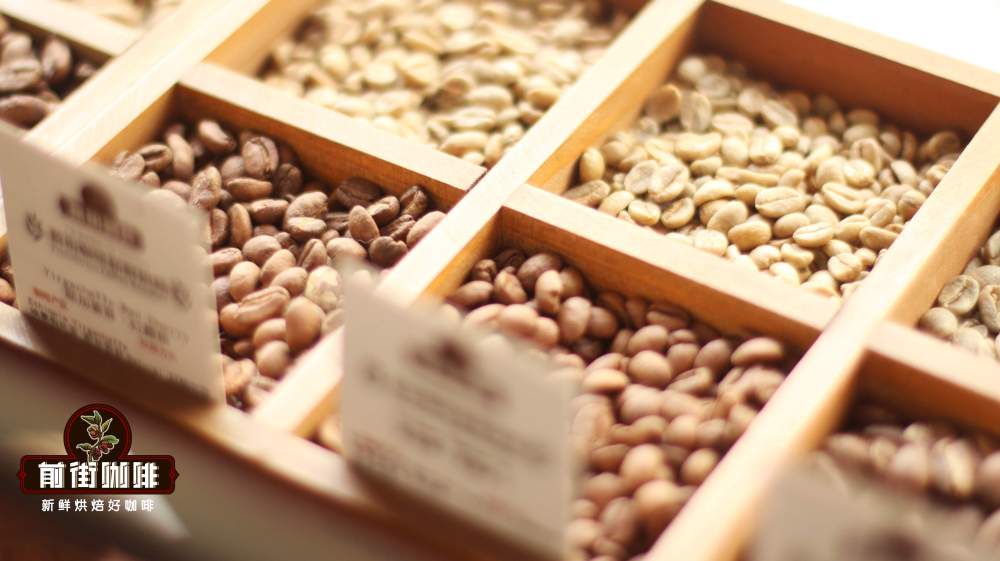
Take Front Street [Ethiopia Flower Queen Natural] as an example
Region: Guji Hambela
Variety: Heirloom
Altitude: 1800-2000 meters
Processing method: Natural
Pour-over parameters
Dripper: V60 Water temperature: 91°C Grind size: fine granulated sugar (standard No. 20 sieve pass rate 80%) Water-to-coffee ratio: 1:15 Technique: three-stage extraction
Brewing: Bloom with 30 g of water for 30 s, then slowly pour in a circular motion in the second stage up to 120 g in stages. After the water level drops by half, pour again up to 225 g and stop brewing. Wait for the coffee liquid to finish dripping, then remove the dripper. Total extraction time is 2:00-2:10 s.
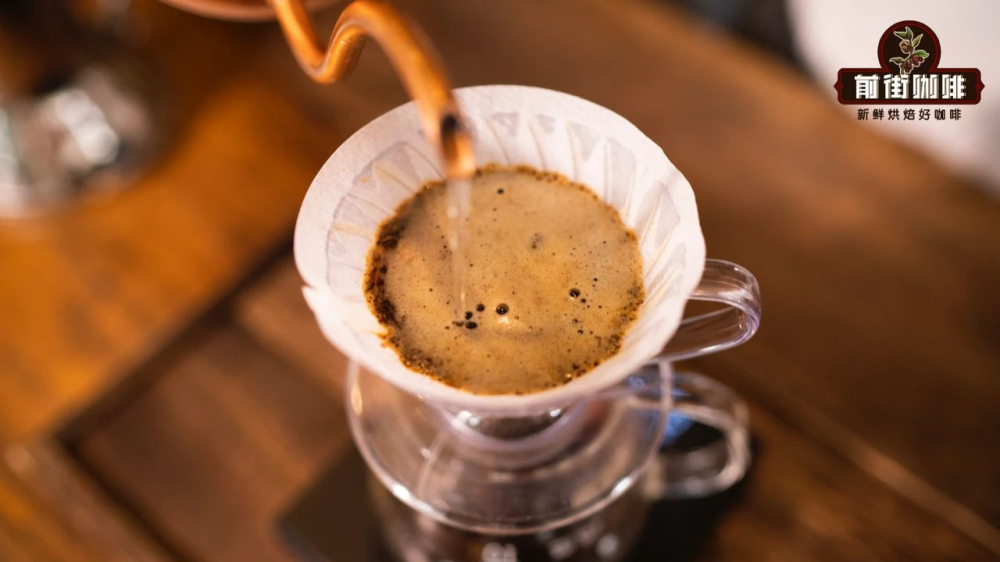
Flavor: tropical fruit, mango, strawberry, passion fruit, full and rounded acidity, solid mouthfeel
For more specialty coffee beans, please add the private WeChat Front Street Coffee (FrontStreet Coffee), WeChat ID:kaixinguoguo0925
The above content is compiled by CoffeeHunters, a coffee news website.


