







Coffee Grind Size Comparison Guide for Pour-Over, Espresso, and Moka Pot
Grind size plays a key role in coffee brewing. Too coarse, and the coffee tastes thin because flavor compounds do not fully extract. Too fine, and bitterness takes over as over-extraction occurs. This guide compares grind standards for pour-over, espresso, and moka pot, with extraction ratios and time references. You will find specific passing rates, water temperatures, and practical adjustment tips for each method.
For pour-over, medium-light and medium-dark roasts require different grind settings. Espresso demands an extremely fine grind under 9 bar pressure. The moka pot works reliable with a grind between fine and medium, under lower pressure. The final taste depends on many variables, but grind size is often considered the most important. Matching your grind to your brewer is the first step toward a balanced cup.
In coffee brewing, the grind size has an extremely critical impact on flavor. If the coffee grounds are too coarse, extraction will be insufficient and the taste will be thin; if too fine, it easily brings out bitterness. This article systematically sorts out the grind size standards corresponding to three brewing methods—pour-over, espresso, and moka pot—and provides extraction ratios and time references. The pour-over section distinguishes the grind passing rate, water temperature recommendations, and sieving verification methods for medium-light and medium-dark roasted beans; the espresso section explains the extremely fine grind and adjustment logic under 9bar high pressure; the moka pot section introduces the suitable grind range and bean selection approach under 1.5-3bar pressure, while retaining Front Street Coffee's practical data and product recommendations for coffee enthusiasts to adjust accordingly.
The final taste of a cup of coffee is influenced by many brewing variables, including coffee-to-water ratio, water temperature, grind size, and so on. Among these factors, grind size is often regarded as the most important. There is a saying in the coffee community: "You can make do with a grinder, but you can buy a cheaper coffee machine"—though blunt, it is enough to show the decisive role of grind size in flavor direction.
If the coffee grounds are ground too coarse, the particle surface area is relatively small, flavor substances are difficult to fully release, and the coffee will taste thin and bland; conversely, grinding too fine sharply increases the surface area, excessive bitter substances are brought out, and the balance is likewise destroyed. Therefore, finding the grind setting that matches the brewing method is the prerequisite for every good cup of coffee.
Pour-over Coffee Grind Size Standards
How should the grind size for pour-over coffee be defined? Front Street Coffee (FrontStreet Coffee) uses freshly roasted beans as an example to explain. People who often make pour-over know that single-origin beans are roughly divided into two categories: medium-light roast and medium-dark roast.
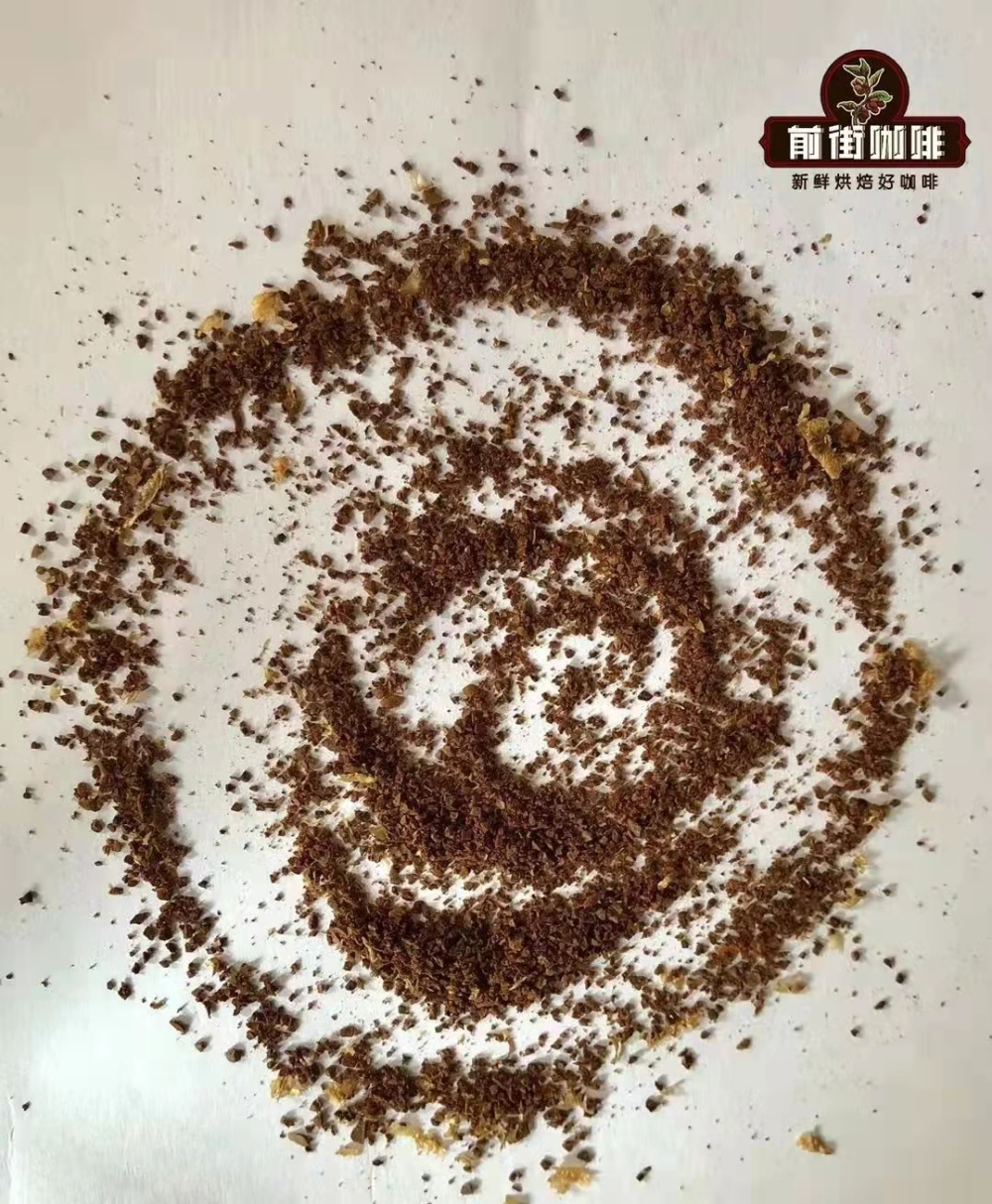
Medium-light roasted beans usually have acidity, while caramelized substances are not easily dissolved. Therefore, Front Street recommends a medium-fine grind—based on a 0.85mm No. 20 sieve, with a passing rate of about 80%, and a feel close to fine granulated sugar. Medium-fine grinding can slow the speed at which water passes through the coffee bed, allowing acidity, sweetness, and caramelized substances to be released in a more balanced way, thereby making the overall flavor more harmonious.
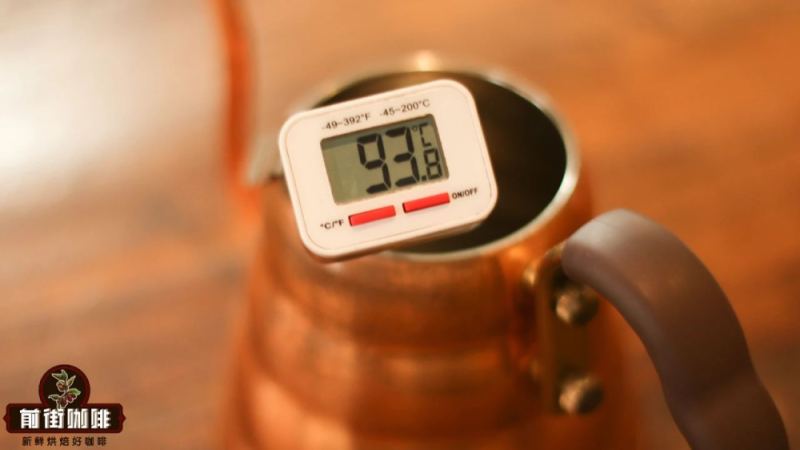
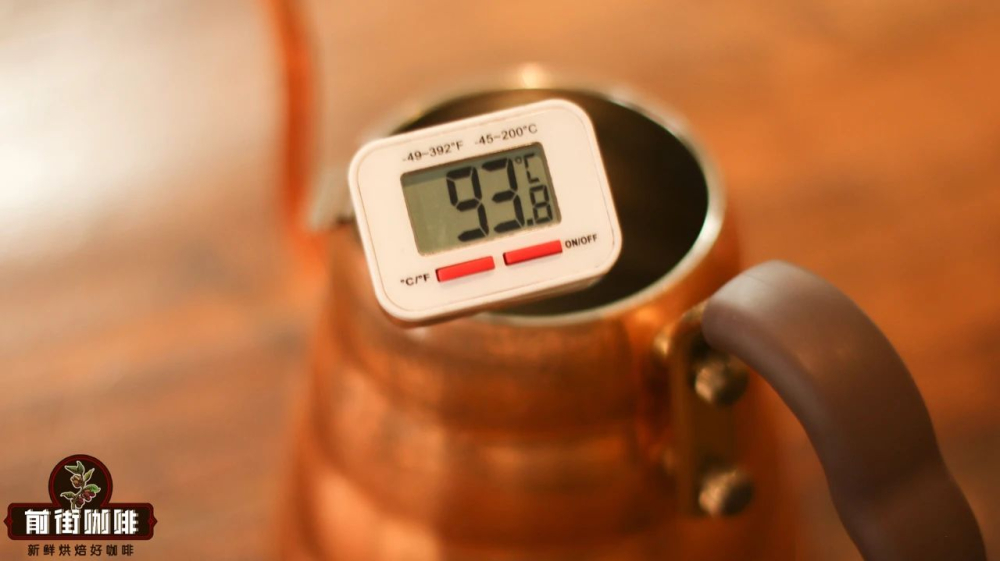
When using a medium-fine grind, it is recommended to control the brewing water temperature at 90-91°C. If the water temperature is too high, caramelized substances will be over-extracted, bringing a bitter taste; if the water temperature is too low, extraction will be insufficient, and only part of the acidity and sweetness will be obtained, making the coffee seem flat and uninteresting.
Medium-dark roasted beans often have lower acidity and prominent body; in other words, they are richer in caramelized flavor substances. For this type of bean, Front Street recommends a medium-coarse grind—also measured with a 0.85mm No. 20 sieve, with a passing rate of about 70%, and a particle feel similar to coarse granulated sugar. Medium-coarse grinding can speed up the rate at which water passes through the coffee bed, avoiding over-extraction of caramelized substances, allowing the coffee to present a sweet, mellow mouthfeel without unpleasant bitterness.
The recommended water temperature for medium-coarse grinding is 88-89°C. If the water temperature is too high, the coffee will be bitter and hard to drink; if the water temperature is too low, the flavor will be as bland as water.
The above are the grind size reference standards for pour-over coffee, and also relatively scientifically grounded conclusions summarized by Front Street Coffee (FrontStreet Coffee) after repeated practice. So how exactly should the powder be sieved for verification? Front Street Coffee (FrontStreet Coffee) will introduce it below.
How to use a 0.85mm No. 20 sieve?
Regarding the confirmation of grind size, Front Street Coffee (FrontStreet Coffee) uses the sieving method. This method refers to the grind recommendations given by the Specialty Coffee Association of America SCA for pour-over coffee, and is verified in combination with Front Street's actual operations. If there is no powder sieve at home, Front Street Coffee (FrontStreet Coffee) suggests observing the water flow rate: if the flow rate is too fast, the grounds are too coarse; if the flow rate is too slow, the grounds are too fine.
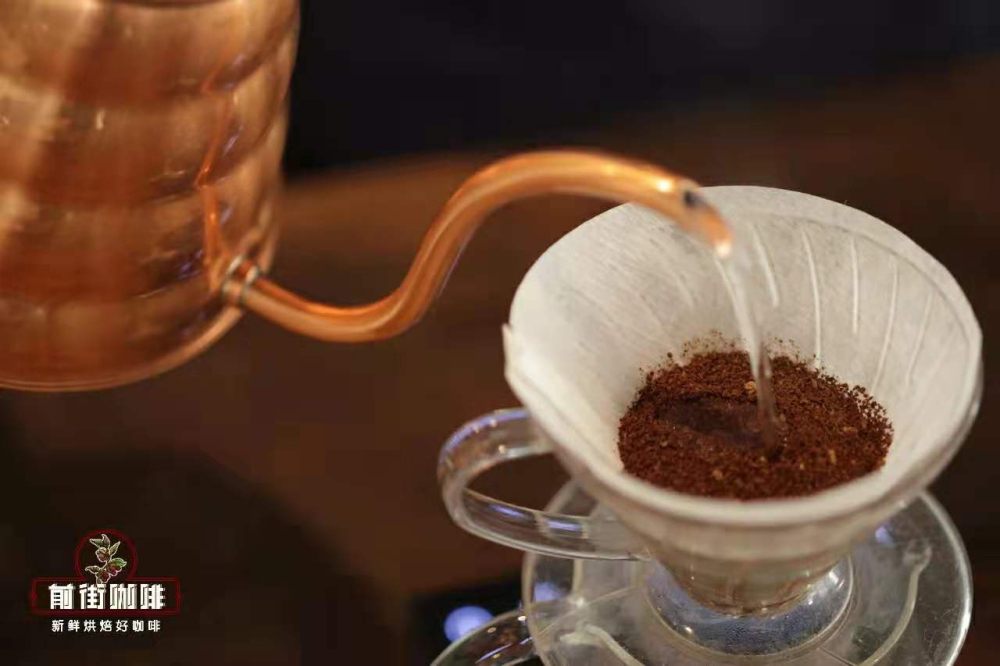
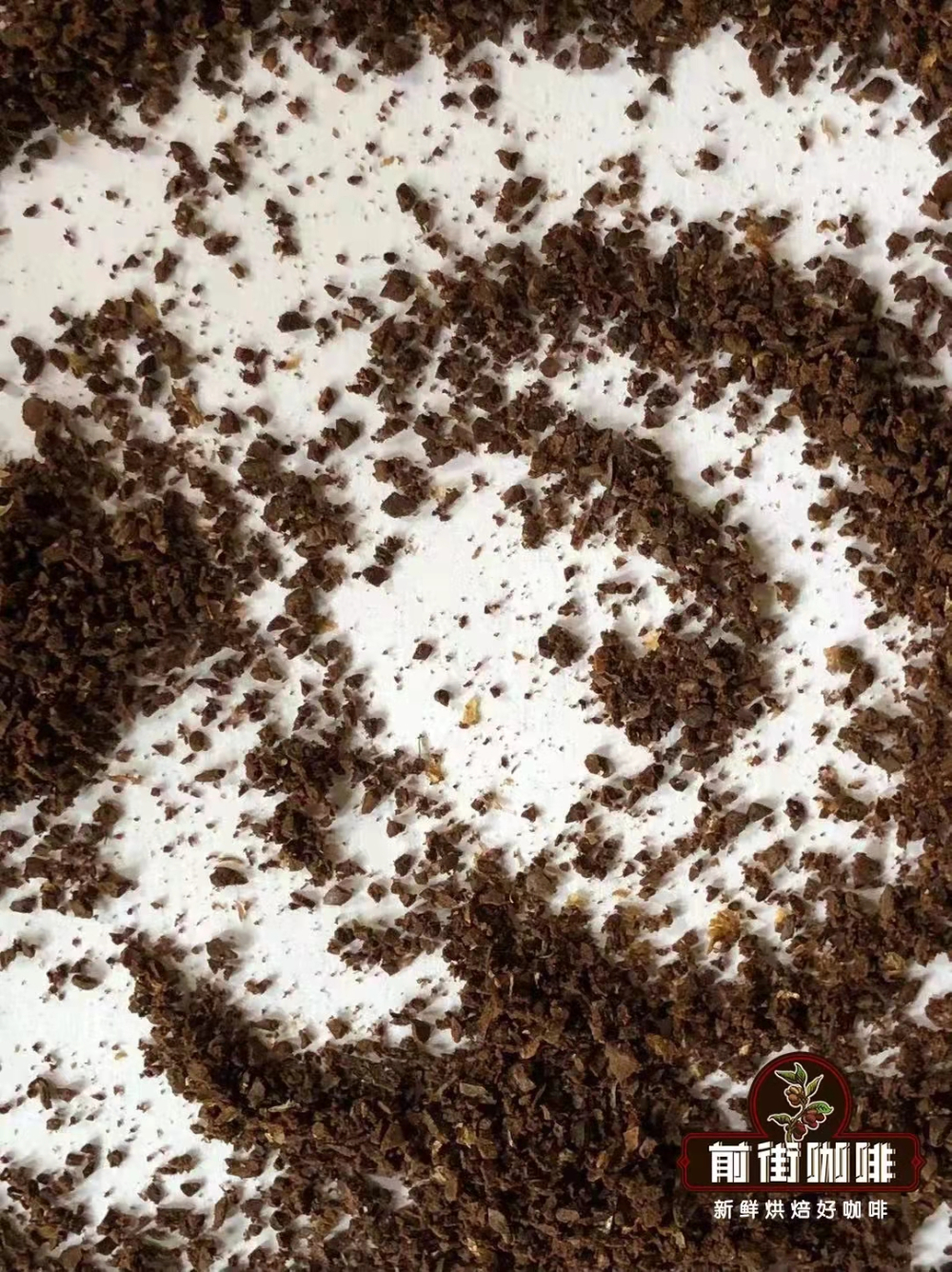
First, take 10g of coffee beans and grind them. Start by roughly setting a setting based on the particle feel of fine granulated sugar and coarse granulated sugar, then pour the grounds into the sieve, cover it, shake left and right, and let the coffee grounds pass through the mesh into the receiving tray below until no more powder passes through; only then is sieving complete. Next, prepare an electronic scale and a container and tare it to zero, then pour the sieved coffee grounds in for weighing: if about 8g is sieved out, it is a medium-fine grind; if about 7g is sieved out, it is a medium-coarse grind. If the passing rate is too high, adjust the grind coarser; if the passing rate is too low, adjust it finer.
Black coffee brewing methods and Front Street Coffee (FrontStreet Coffee) grind size standard sieve passing rates:
How fine should espresso be ground?
Espresso is the base of Italian-style coffee, which is what we often call concentrated coffee. Its extraction is completed quickly under the 9bar high-pressure environment of the coffee machine, usually in no more than half a minute. For this reason, the grind size for espresso must be much finer than for pour-over; only in this way can enough flavor substances be extracted in a short time to support the entire cup of coffee.
The baseline differs for different grinders. Taking the Pegasus 900N grinder used by Front Street Coffee (FrontStreet Coffee) as an example, the average grinding range falls between 1.8 and 2.0, though this is certainly not a fixed value. Before opening the store every day, the barista will make adjustments, revising extraction parameters—including grind size—according to the resting state of the espresso beans, the day's weather, and the final taste on the palate.
For example, Front Street Coffee (FrontStreet Coffee)'s extraction plan today is: 20 grams of coffee grounds, grind size 1.8, extracting 40 grams of coffee liquid, with time controlled at 27 to 28 seconds. A 1:2 ratio is chosen to preserve the complete coffee flavor as much as possible; and setting such a flow rate is intended to highlight the dark chocolate notes and aroma of the Front Street Sunflower Warm Sun espresso blend coffee beans used in the store.
Moka Pot Grind Size
The moka pot also belongs to the category of Italian-style coffee and is a device aimed at home use. It can generate 1.5-3bar of pressure when brewing coffee, and when operated properly it can also produce crema.
Many people care about how fine the grounds should be for a moka pot. Its grind size is slightly coarser than that for an espresso machine, with a particle diameter of about 0.3-0.55mm. There are two ways to judge: first, buy a particle diameter ruler, or directly use moka-specific grounds as a reference; second, through repeated adjustment, usually not needing too many attempts—3-5 tries is basically enough to master it. When the grounds are too coarse, the coffee liquid will spurt out quickly, even like a fountain; when the grounds are too fine, you will first hear the whirring sound of water boiling, but the coffee liquid will be slow to come up, which indicates it is too fine, and it is recommended to turn off the heat immediately. Be sure to pay attention to safety during the adjustment process.
What coffee beans are better for use in a moka pot?
As mentioned earlier, the moka pot belongs to pressure-assisted extraction. If you want the coffee to taste richer and have a moderate amount of crema, Front Street recommends mainly medium-roast or medium-dark roast beans, and recommends Front Street Strawberry Candy espresso coffee beans, which can be ordered directly from Front Street's Taobao or Tmall store.
This bean is based on two major producing regions—Front Street Costa Rica Tarrazu, famous for honey processing, and Ethiopia, the birthplace of coffee—and is further blended with Colombian coffee beans. The resulting espresso is not only not harsh, but also has good crema and a creamy texture under coffee machine extraction, while also possessing a sweet-and-sour taste similar to strawberry gummy candy.
The above content is compiled by CoffeeHunters, a coffee news website.


