







Which Grind Size Fits a Moka Pot or Pour-Over?
Grind size decides the direction of the cup. Too coarse and the water runs through before flavor compounds dissolve, leaving the coffee thin; too fine and bitter compounds flood the cup. Pour-over sits at medium-fine to medium-coarse, espresso needs an extra-fine grind to stand up to pressure under 9 bar, and the moka pot falls between the two.
A 0.85mm sieve is a practical way to check whether grounds match the target range, and water temperature should shift with roast level: medium-light roasts favor hotter water, medium-dark roasts a little cooler. Matching grind to the brewer matters more than upgrading equipment, since the grinder rewrites flavor before any machine does.
Grind size is one of the core variables that determines the direction of coffee flavor. If the grounds are too coarse, flavor compounds are under-extracted and the coffee tastes thin as water; if the grounds are too fine, bitter and off-flavors are over-released, throwing the cup off balance. In coffee circles it's often said that "the grinder is more worth investing in than the coffee machine," which shows just how critical grinding is. This article systematically lays out the medium-fine and medium-coarse grind standards for pour-over coffee, the practical method for sifting grounds with a 0.85mm sieve, the extra-fine grind required for espresso under 9 bar of pressure, and the grind range for the moka pot that falls between the two. It also combines Front Street Coffee's brewing experience to offer water-temperature recommendations for different roast levels and espresso blend bean recommendations.
Quite a few variables determine the final flavor of a cup of coffee—from the coffee-to-water ratio and brewing temperature to grind coarseness, each one influences what you taste. Among these factors, the degree of grinding stands out as especially important. There's a saying in the industry: the coffee machine can be compromised on, but the grinder must be a good one. This isn't an exaggeration—grinding really does directly rewrite the direction of a coffee's flavor.
When coffee grounds are ground too coarse, the particle surface area is relatively small, water passes through faster, and flavor compounds don't have time to dissolve fully, leaving the final cup thin and bland. Conversely, if the grind is too fine, the surface area increases dramatically, bitter compounds are pulled out in large quantities, and the coffee loses its balance. So finding the grind size that matches your brewing method is a step worth taking seriously before every brew.
Pour-Over Coffee Grounds Coarseness Standards
So how exactly do you define the grind coarseness for pour-over coffee? Front Street Coffee (FrontStreet Coffee) uses freshly roasted beans as an example to explain. Anyone familiar with pour-over knows that single-origin beans are usually divided into two major categories: medium-light roast and medium-dark roast.
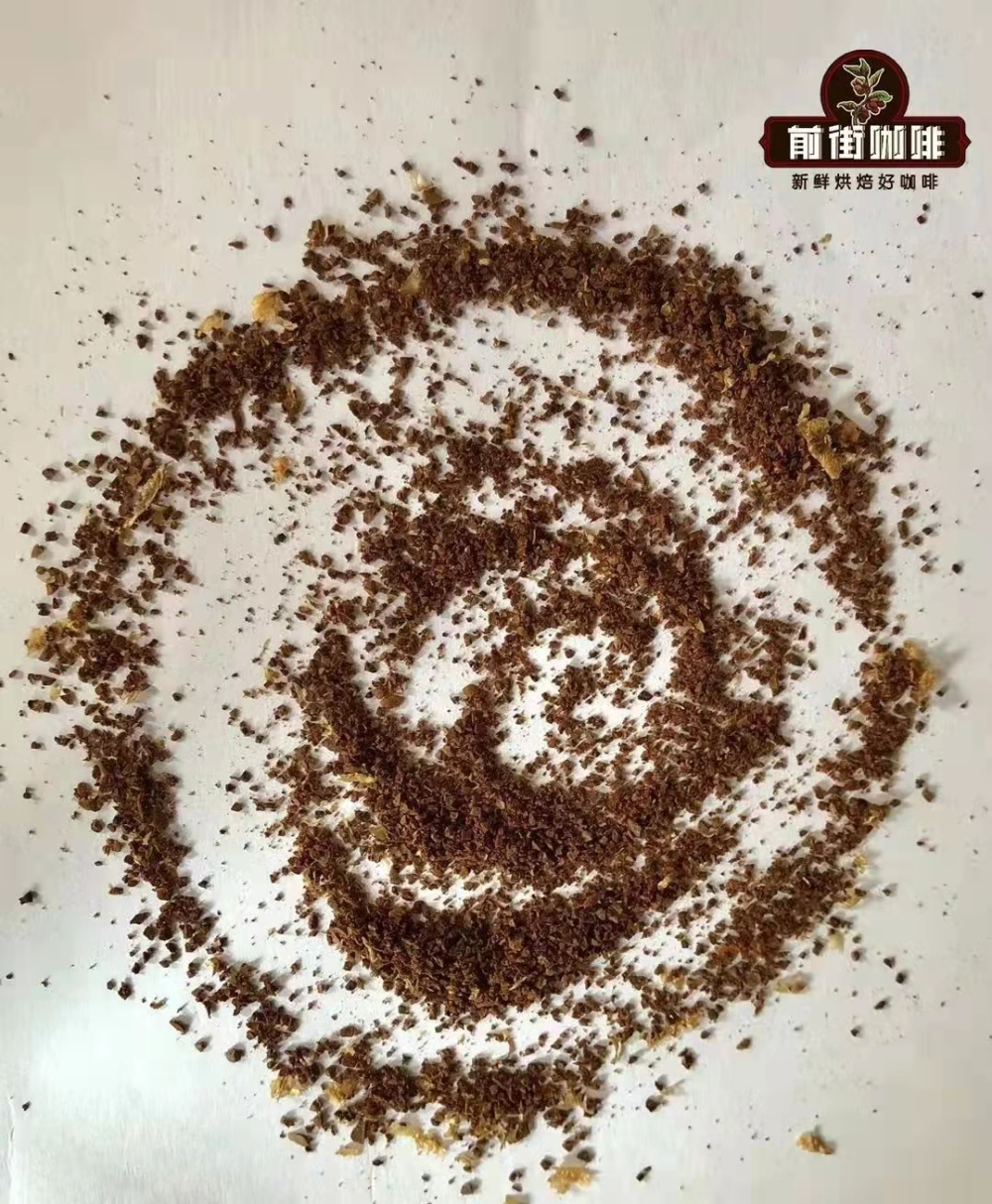
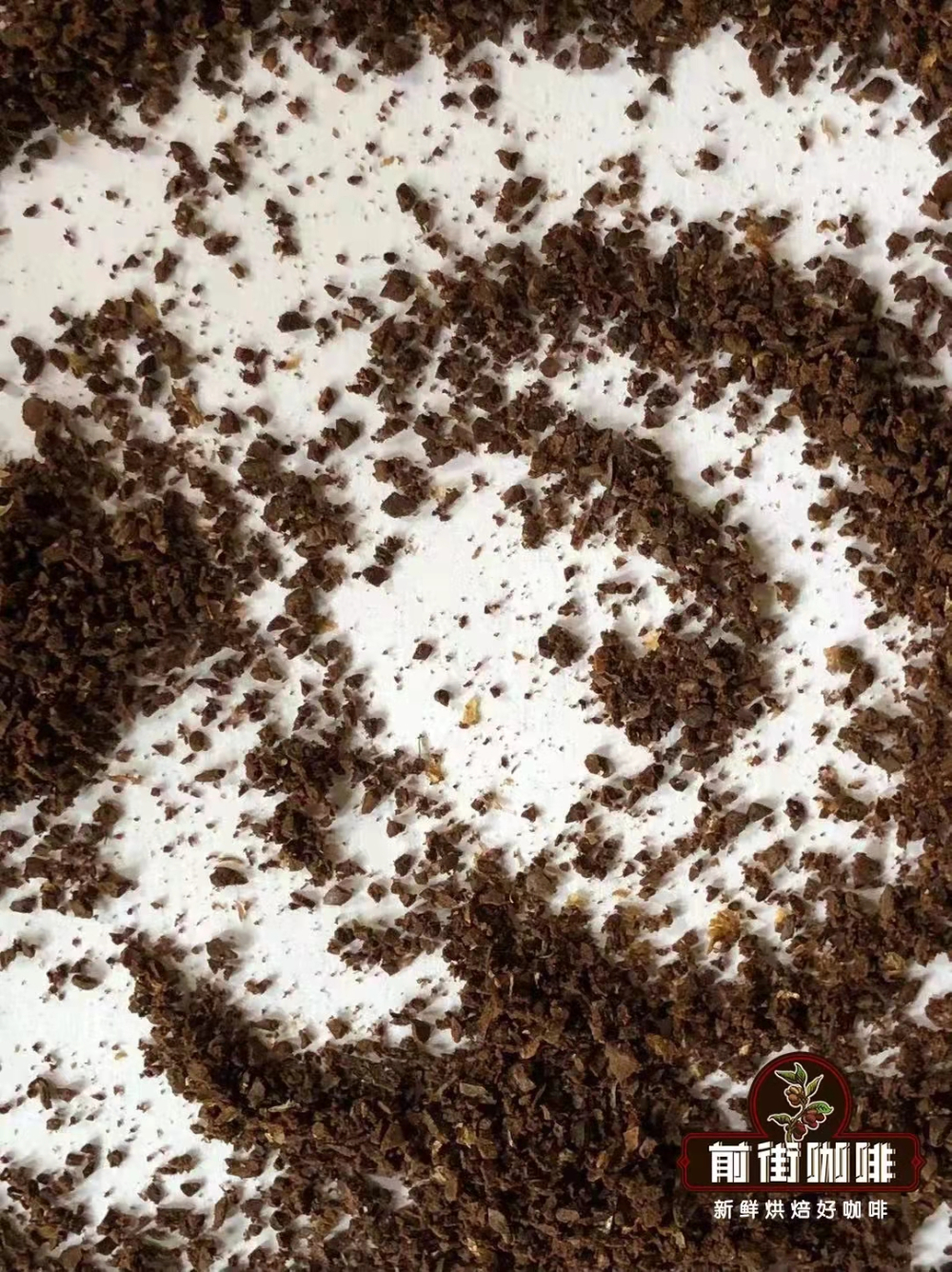
Medium-light roasted beans tend to show pronounced acidity, while caramelized compounds are relatively harder to extract. Front Street recommends a medium-fine grind for these beans (measured with a 0.85mm No. 20 sieve, about 80% pass-through rate, with a texture close to fine granulated sugar). A medium-fine grind slows the time it takes for water to pass through the coffee bed, giving acidity, sweetness, and caramelized compounds all a chance to be released, ultimately bringing the flavor structure into balance.
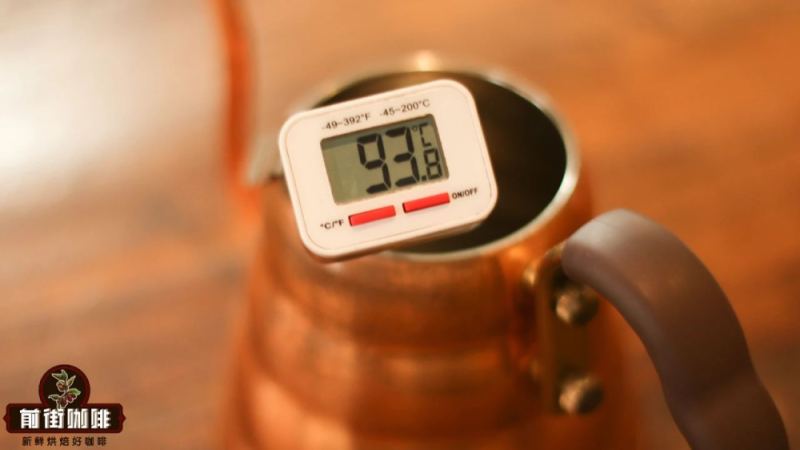
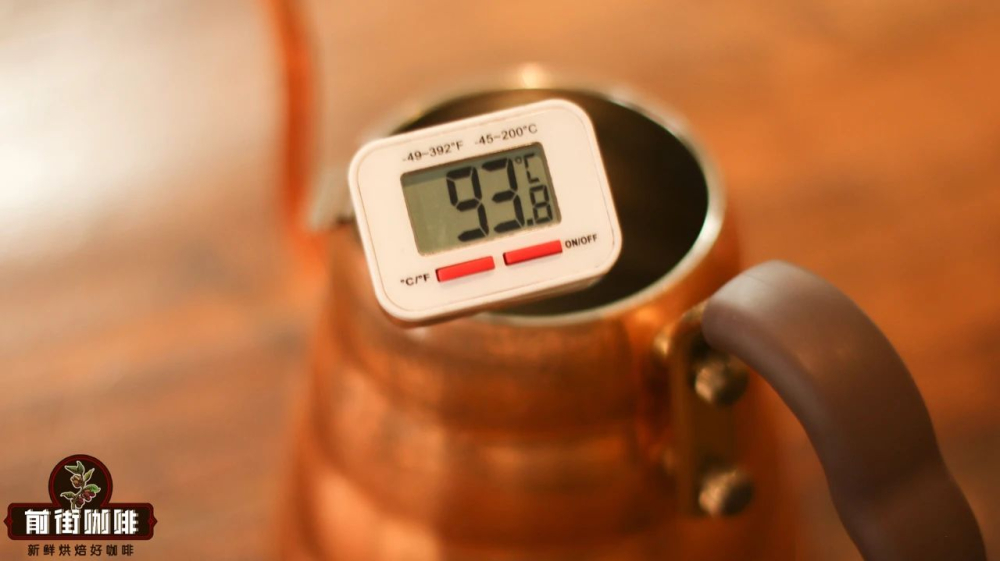
When pairing with a medium-fine grind, it's recommended to keep the brewing water temperature at 90 to 91°C. Water that's too hot over-extracts caramelized compounds, bringing out bitterness; water that's too cool under-extracts, yielding only some of the acidic and sweet compounds, making the coffee taste flat and lacking in layers.
Medium-dark roasted beans typically have lower acidity, more prominent body, and richer caramelized flavor compounds. For these beans, Front Street recommends a medium-coarse grind (about 70% pass-through rate with a 0.85mm No. 20 sieve, with a particle feel similar to coarse granulated sugar). A medium-coarse grind speeds up the flow of water, preventing caramelized compounds from being over-released, so the coffee keeps its sweet, full-bodied character without any unpleasant bitterness.
The recommended water temperature for a medium-coarse grind is 88 to 89°C. Water that's too hot makes the coffee bitterly undrinkable, while water that's too cool leaves the flavor thin and weak.
The above are the reference standards for pour-over coffee grind size, and also the relatively scientifically grounded conclusions that Front Street Coffee (FrontStreet Coffee) has summarized after repeated testing. Next, Front Street Coffee (FrontStreet Coffee) will explain exactly how to sift the grounds.
How Do You Use a 0.85mm No. 20 Sieve?
To confirm grind size, Front Street Coffee (FrontStreet Coffee) uses the sieving method. The Specialty Coffee Association of America (SCA) once gave grind recommendations for pour-over coffee, and Front Street Coffee (FrontStreet Coffee) verified these against daily practice. If you don't have a sifting tool at home, Front Street Coffee (FrontStreet Coffee) suggests observing the flow rate: a faster flow means the grounds are too coarse, while a slower flow means they're too fine.
To start, weigh out 10 grams of coffee beans and grind them, roughly setting a grind setting based on the particle feel of fine or coarse granulated sugar. Then pour the grounds into the sieve, press the lid on tightly, and shake back and forth so the coffee grounds gradually fall into the collection tray below. The sifting is complete once no more powder passes through the sieve. Next, prepare a digital scale and a container, tare it to zero, and weigh the sifted coffee grounds. If about 8 grams come through, that's a medium-fine grind; if about 7 grams come through, that's a medium-coarse grind. If the pass-through rate is too high, adjust the grind coarser; if it's too low, adjust finer.
Black Coffee Brewing Methods and Front Street Coffee (FrontStreet Coffee) Grind Coarseness Standard Sieve Pass-Through Rates:
Cold Drip > Pour-Over, Syphon 80% > American Drip 75-80% > Cupping 70-75% > French Press 65-70%
How Fine Should Espresso Be Ground?
The base of espresso coffee is the concentrated shot, commonly known as espresso. Its extraction is completed quickly under the coffee machine's 9 bar of high pressure, with the whole process generally taking no more than half a minute. Precisely because of this, espresso requires a much finer grind than pour-over—only then can enough flavor-supporting compounds be extracted in that extremely short time.
Different grinders have different baselines. Taking the Fiorenzato 900N grinder used by Front Street Coffee (FrontStreet Coffee) as an example, the daily grind setting generally falls between 1.8 and 2.0, but this isn't a fixed value. Every day before opening, the barista runs adjustments, fine-tuning the extraction parameters based on the resting state of the espresso beans, the day's weather, and the final flavor in the cup—and the grind setting is naturally part of that adjustment.
For example, Front Street Coffee (FrontStreet Coffee)'s extraction recipe today is: 20 grams of coffee grounds, grind setting 1.8, yielding 40 grams of coffee liquid, taking 27 to 28 seconds. The 1:2 coffee-to-liquid ratio is chosen to preserve the coffee's flavor more completely, while this flow-rate setting is designed to highlight the dark chocolate character and aroma of the Front Street Sunflower Warm Sun espresso blend beans used in the shop.
Moka Pot Grind Size
The moka pot also falls under the category of espresso coffee and is a coffee device aimed at home use. It can generate about 1.5 to 3 bar of pressure when working, and with proper operation it can also produce crema.
Many friends wonder how fine the grounds should be for a moka pot. Its grind is slightly coarser than an espresso machine, with a particle diameter of roughly 0.3 to 0.55mm. There are two ways to judge: first, buy a particle size ruler, or simply use moka pot-specific grounds as a reference; second, determine it through repeated adjustment—usually it doesn't take many tries, and you'll basically get the hang of it after 3 to 5 attempts. If the grounds are too coarse, the coffee liquid will spurt out rapidly, even like a fountain; if the grounds are too fine, you'll first hear the rumbling of boiling water but the coffee liquid won't come up for a long time—in that case, it's recommended to turn off the heat immediately. Be sure to pay attention to safety during the adjustment process.
What Coffee Beans Are Best for a Moka Pot?
As mentioned earlier, the moka pot uses pressure-based extraction. If you want a richer coffee taste with a moderate amount of crema, Front Street recommends choosing medium-roast or medium-dark roast beans first, and recommends Front Street Strawberry Candy espresso coffee beans, which can be ordered directly from Front Street's Taobao or Tmall store.
This bean is crafted from Front Street Costa Rica Tarrazú, renowned for its honey processing, combined with two major regions of Ethiopia, the birthplace of coffee, and blended with Colombian coffee beans. The espresso this combination produces is smooth on entry, showing good crema and a velvety texture when extracted by the coffee machine, while carrying a sweet-and-tart flavor reminiscent of strawberry gummies.
The above content is compiled by CoffeeHunters, a coffee news website.


