







There are many factors that affect the taste of coffee. During the brewing process, these factors include the coffee-to-water ratio, grind size, water temperature, and more. Among them, grind size can be said to be extremely important. There is a saying in the industry: "You can buy a cheaper coffee machine, but the grinder must be the best." Indeed, grinding truly has a very important impact on the taste of coffee.
If the coffee grounds are too coarse, the surface area of the coffee particles is small, making it difficult to extract enough flavor compounds, resulting in a weak and bland cup. If the grind is too fine, the surface area is too large, extracting excessive bitter and astringent flavors. Therefore, choosing an appropriate grind size is very important.
Pour-overCoffee grind size standards
So how should we distinguish pour-over coffee grind size standards? Front Street Coffee (FrontStreet Coffee) uses freshly roasted coffee beans as an example. Experienced pour-over enthusiasts know that single-origin coffee beans for pour-over are divided into medium-light roast and medium-dark roast.
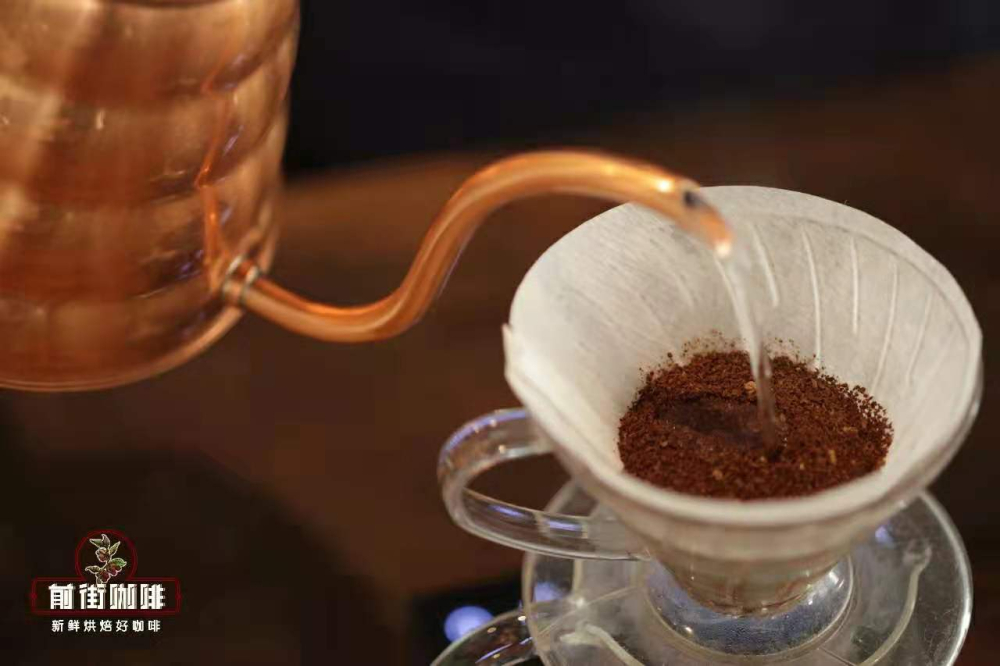
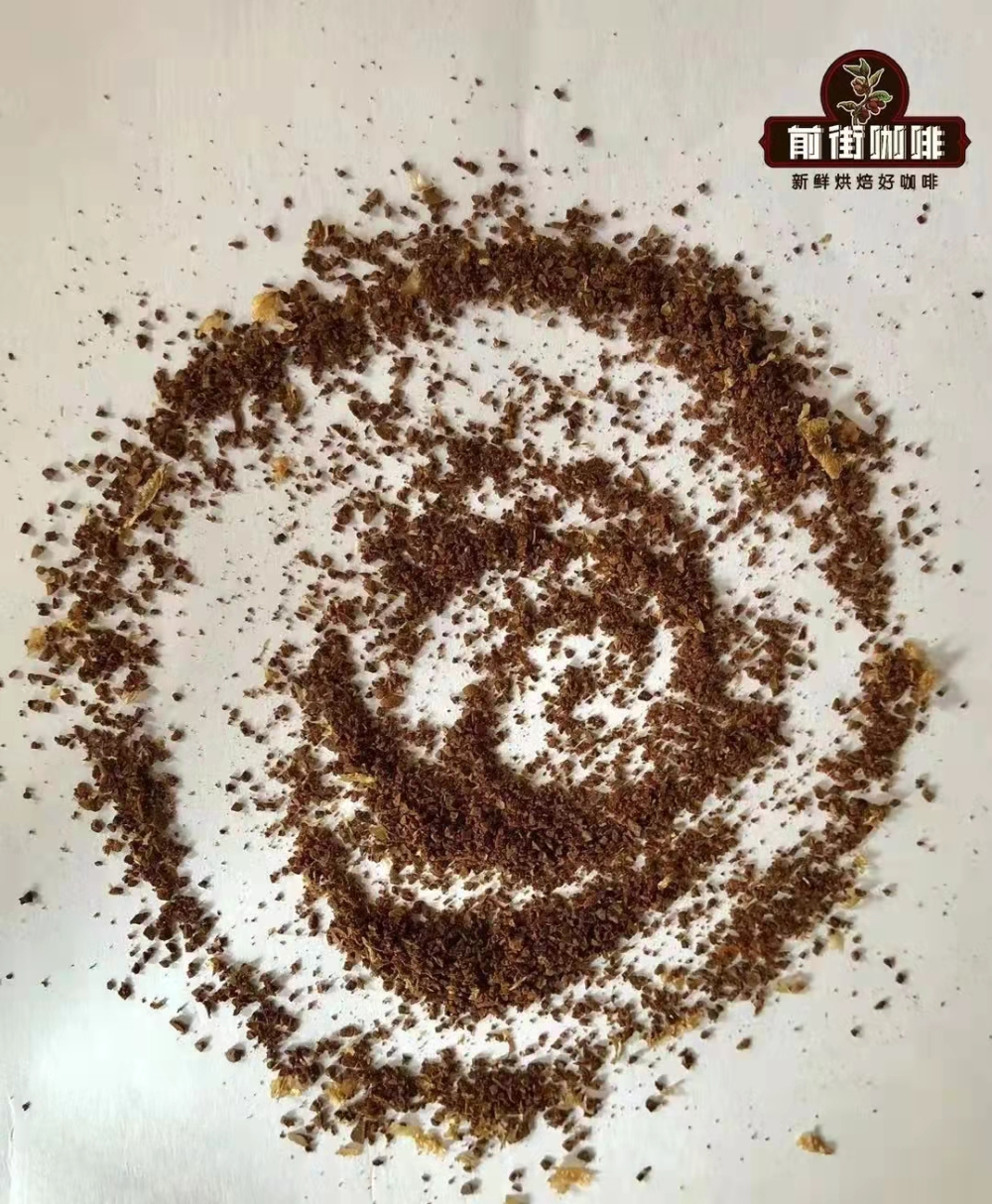
Medium-light roasted coffee beans tend to exhibit acidity, while caramelized compounds are not easily extracted. Therefore, Front Street recommends usinga medium-fine grind(80% pass rate through a 0.85mm No. 20 sieve, i.e., the size of fine granulated sugar). A medium-fine grind can slow down the time water takes to pass through the coffee bed, better extracting the acidic compounds, sweet compounds, and caramelized substances in the coffee, allowing the coffee's flavor expression to be balanced.
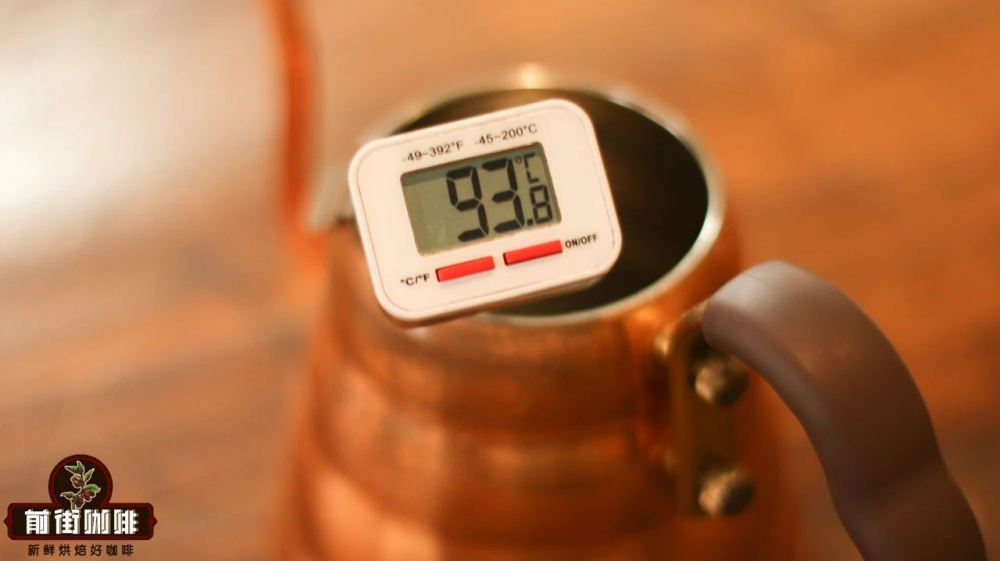
For medium-fine ground coffee, the recommended brewing water temperature is 90-91°C. Too high a temperature will over-extract caramelized substances, producing bitterness. Too low a temperature will under-extract, only extracting some acidic and sweet compounds, making the coffee taste flat and bland.
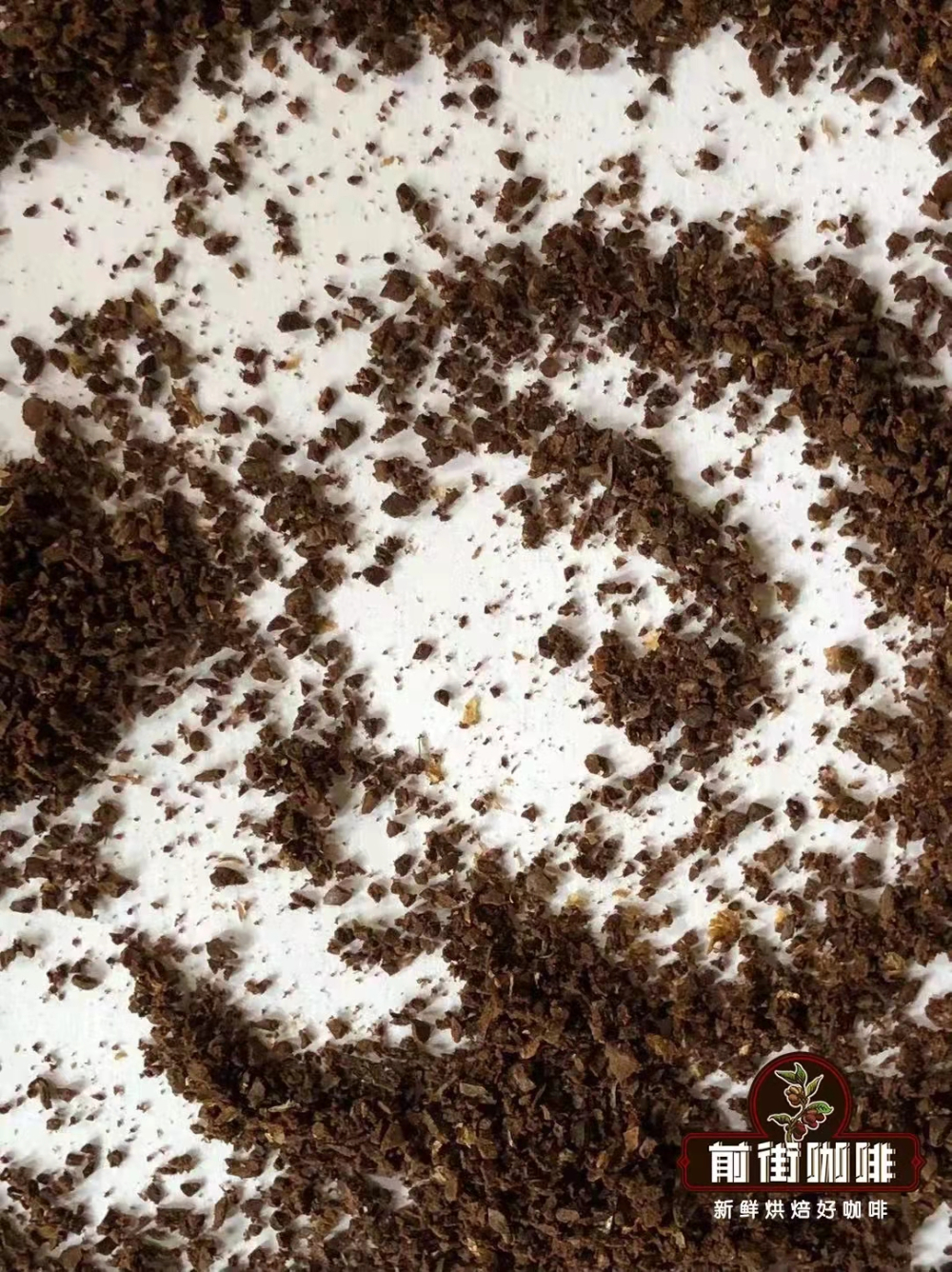
Medium-dark roasted coffee beans generally tend toward lower acidity and a more pronounced body, meaning caramelized flavor compounds are more abundant. Therefore, Front Street recommends using a medium-coarse grind (70% pass rate through a 0.85mm No. 20 sieve, i.e., the size of coarse granulated sugar). A medium-coarse grind can speed up the time water passes through the coffee bed, preventing caramelized substances from being over-extracted, allowing the coffee's flavor and mouthfeel to present a sweet, mellow character without producing unpleasant bitterness.
For medium-coarse ground coffee, the recommended brewing water temperature is 88-89 degrees Celsius. Too high a temperature will make the coffee bitter and hard to swallow, while too low a temperature will make the coffee taste bland and flat.
The above are the pour-over coffee grind size standards. These are relatively scientifically grounded standards that Front Street Coffee (FrontStreet Coffee) has derived through repeated practice. So how exactly do you sift the coffee grounds? Front Street Coffee (FrontStreet Coffee) will explain now.
How to use0.85mmthe20No. sieve?
Regarding grind size, Front Street Coffee (FrontStreet Coffee) determines it through the sieving method. Based on the grind recommendations provided by the Specialty Coffee Association of America (SCA) for pour-over coffee, Front Street Coffee (FrontStreet Coffee) then verifies through actual practice. If you don't have a sieve at home, Front Street Coffee (FrontStreet Coffee) suggests observing the flow rate to judge: if the flow is too fast, the grind is too coarse; if the flow is too slow, the grind is too fine.
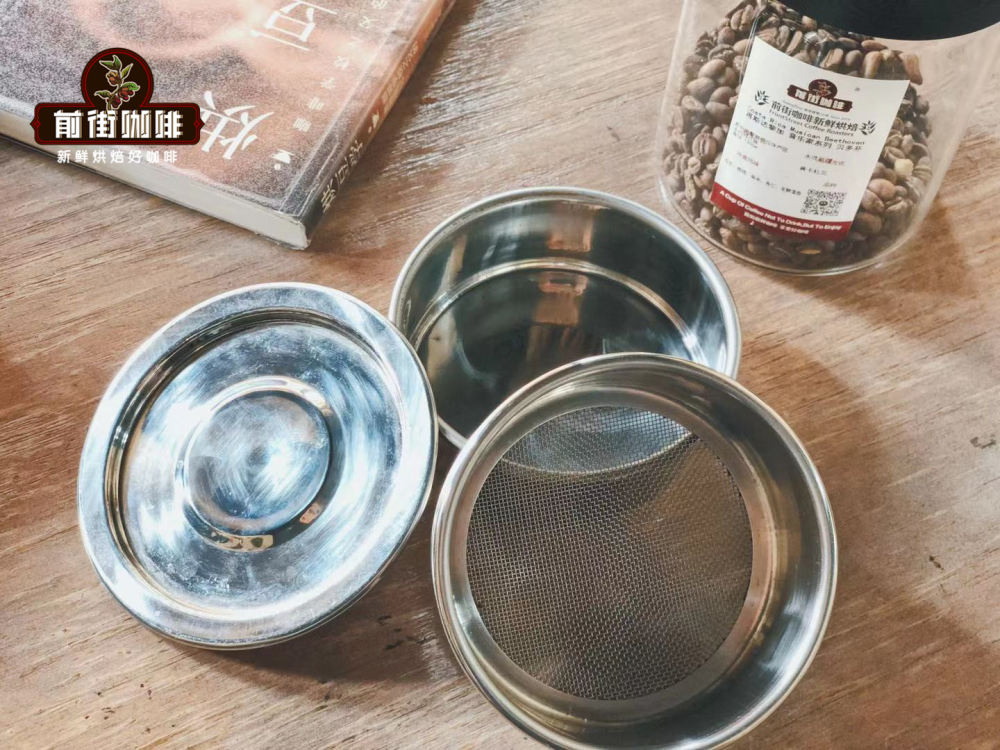
First, prepare 10g of coffee beans and grind them. Based on the size of fine granulated sugar and coarse granulated sugar, set an initial grind size, then pour into the sieve, cover with the lid, and shake left and right so that the coffee grounds pass through the sieve into the collection tray below. The sieving is only complete when no more coffee grounds pass through the sieve. Then prepare an electronic scale and a container, tare to zero, pour the sifted coffee grounds into the container and weigh. If the sifted coffee grounds reach 8g01, it is a medium-fine grind; if the sifted coffee grounds reach 7g 01, it is a medium-coarse grind. If the pass rate is too high, adjust the grind coarser; if the pass rate is too low, adjust the grind finer.
Black coffee brewing methods and Front Street Coffee (FrontStreet Coffee)Grind size coarse-fine standardsSieve pass rate::
Cold drip > Pour-over Siphon 80% > American drip 75-80% > Cupping 70-75% > French press 65-70%
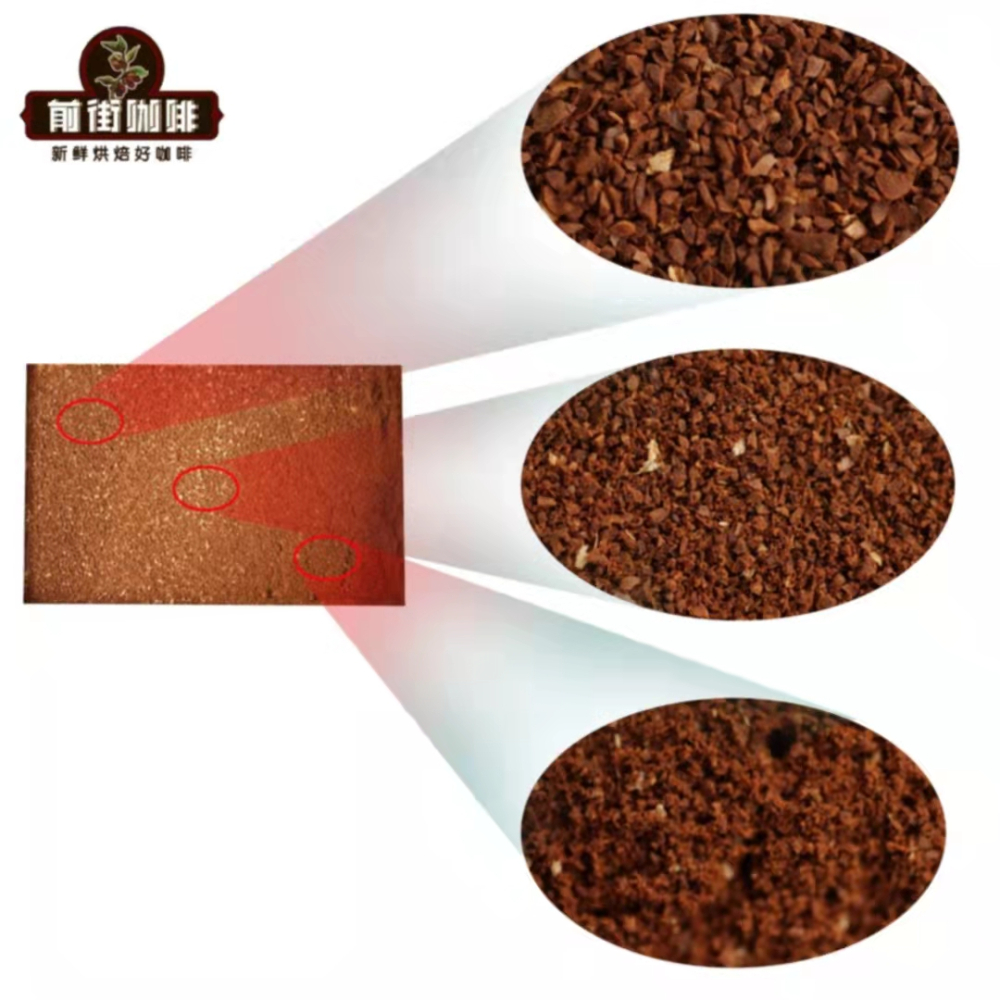
How fine should espresso be ground?
The base of espresso coffee is the espresso shot, which we commonly call espresso. Espresso extraction happens quickly under the 9-bar high pressure of the espresso machine. The extraction time generally does not exceed half a minute, which requires thatthe espresso grind sizebe much finer than pour-over coffee, so that enough flavor compounds can be extracted to support the espresso.
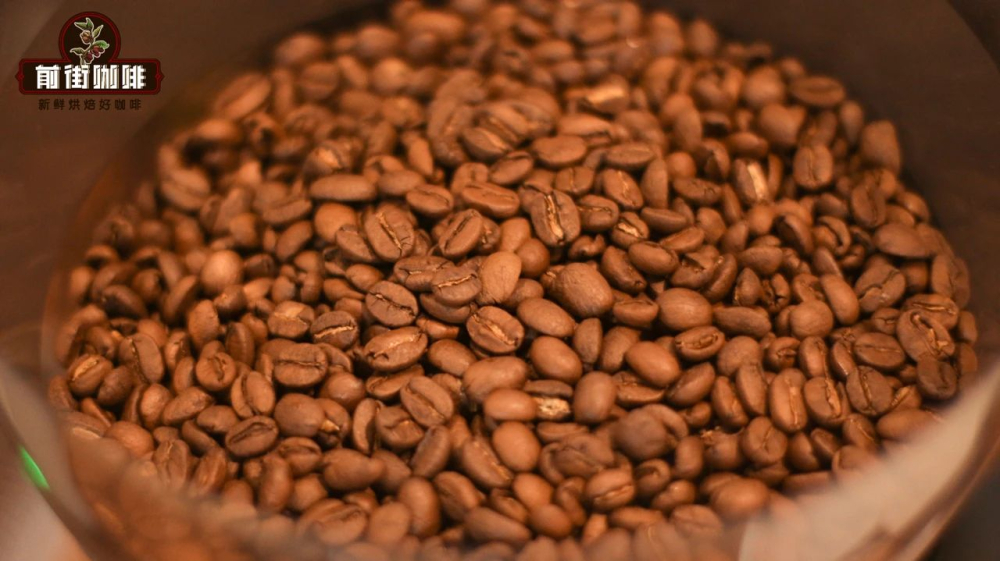
Every grinder's standard is different. Taking Front Street Coffee's (FrontStreet Coffee) Pegasus 900N grinder as an example, Front Street Coffee's (FrontStreet Coffee) average grind setting is in the range of 1.8 to 2.0. Of course, this is not absolute. Every day the barista will calibrate before opening, adjusting extraction parameters—including grind size—based on the resting state of the espresso beans, the day's weather, and the final taste of the coffee.
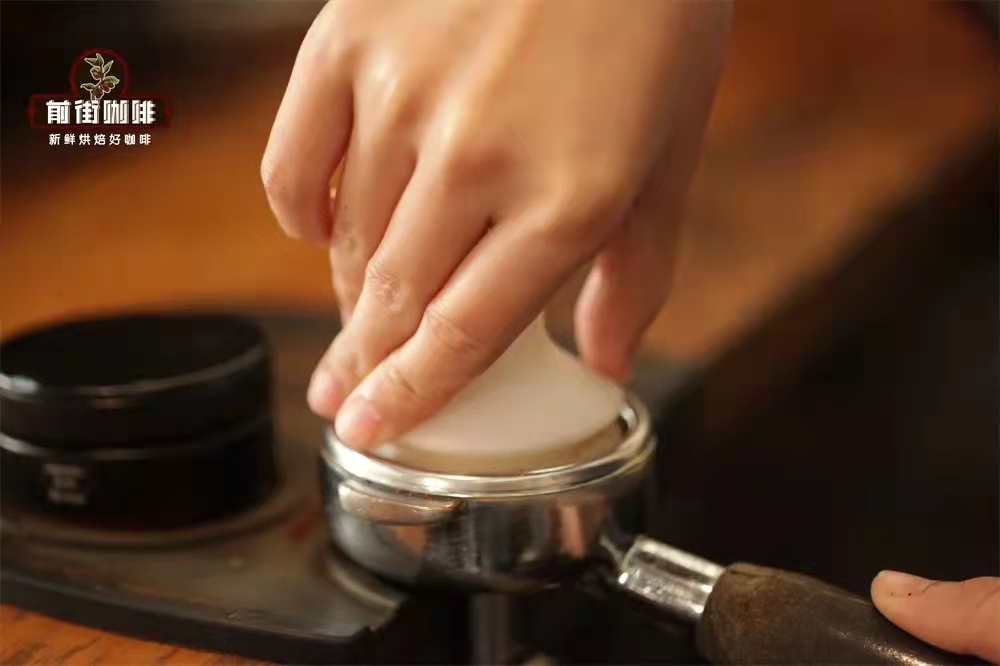
For example, today Front Street Coffee's (FrontStreet Coffee) extraction recipe is 20 grams of coffee grounds,grind sizeat 1.8, extracting 40 grams of coffee liquid in 27 to 28 seconds. The 1:2 ratio is chosen to retain a more complete coffee flavor, and this flow rate is chosen to highlight the dark chocolate notes and aroma of the Front Street Sunflower Warm Sun espresso blend beans used in the shop.
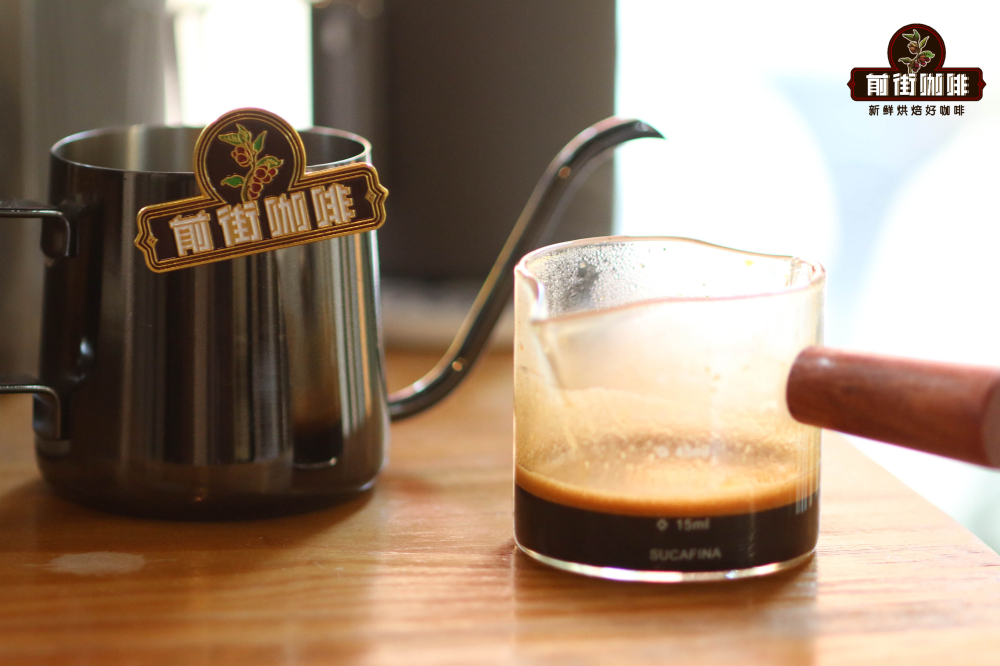
The moka pot is also a type of espresso coffee and is a coffee tool positioned for home use. When brewing coffee, the moka pot generates 1.5-3 bar of pressure. When used properly, it can also produce crema.
Many friends wonder what grind size to use for a moka pot. Its grind size is slightly coarser than an espresso machine, with a particle size of approximately 0.3-0.55mm. You can determine this in two ways. The first is to buy a particle size ruler or moka-specific pre-ground coffee for reference. The second is through repeated testing—generally it won't take many tries, usually 3-5 tests will give you a good understanding. If the grind is too coarse, the coffee liquid will spurt out quickly, possibly even like a fountain. If the grind is too fine, you'll hear a humming sound of boiling water, and if the coffee liquid hasn't come up yet, it's too fine—you should turn off the heat immediately. Remember to take safety precautions when doing this kind of testing.
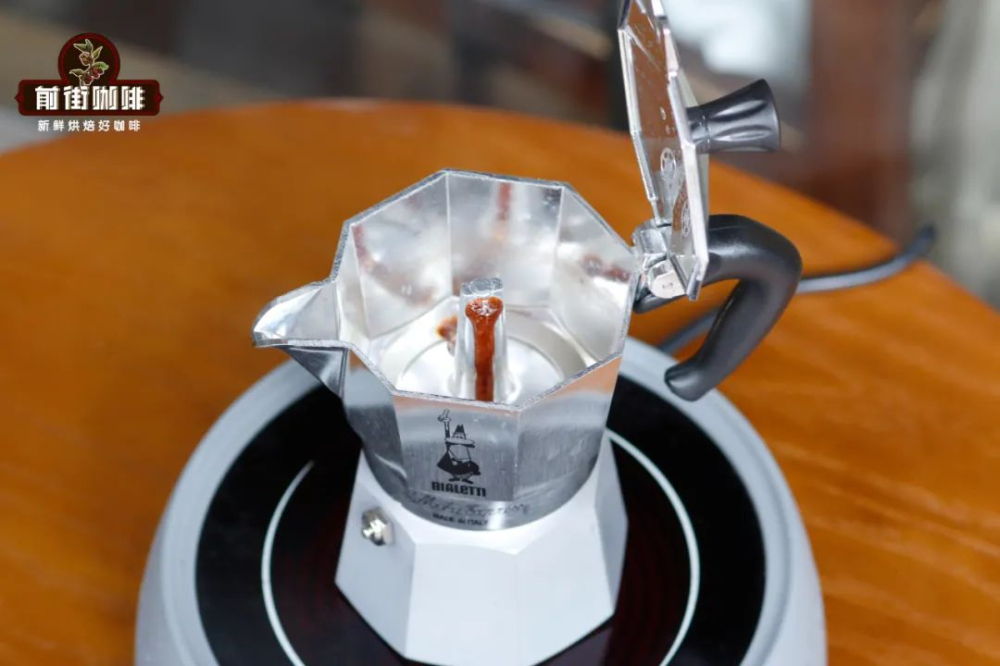
What coffee beans are best for a moka pot?
As mentioned earlier, the moka pot uses pressure-based extraction. If we want the coffee to have a richer mouthfeel and a moderate amount of crema, Front Street recommends using medium roast or medium-dark roast coffee beans, and recommends Front Street Strawberry Candy espresso coffee beans, which can be ordered directly from Front Street's Taobao or Tmall store.
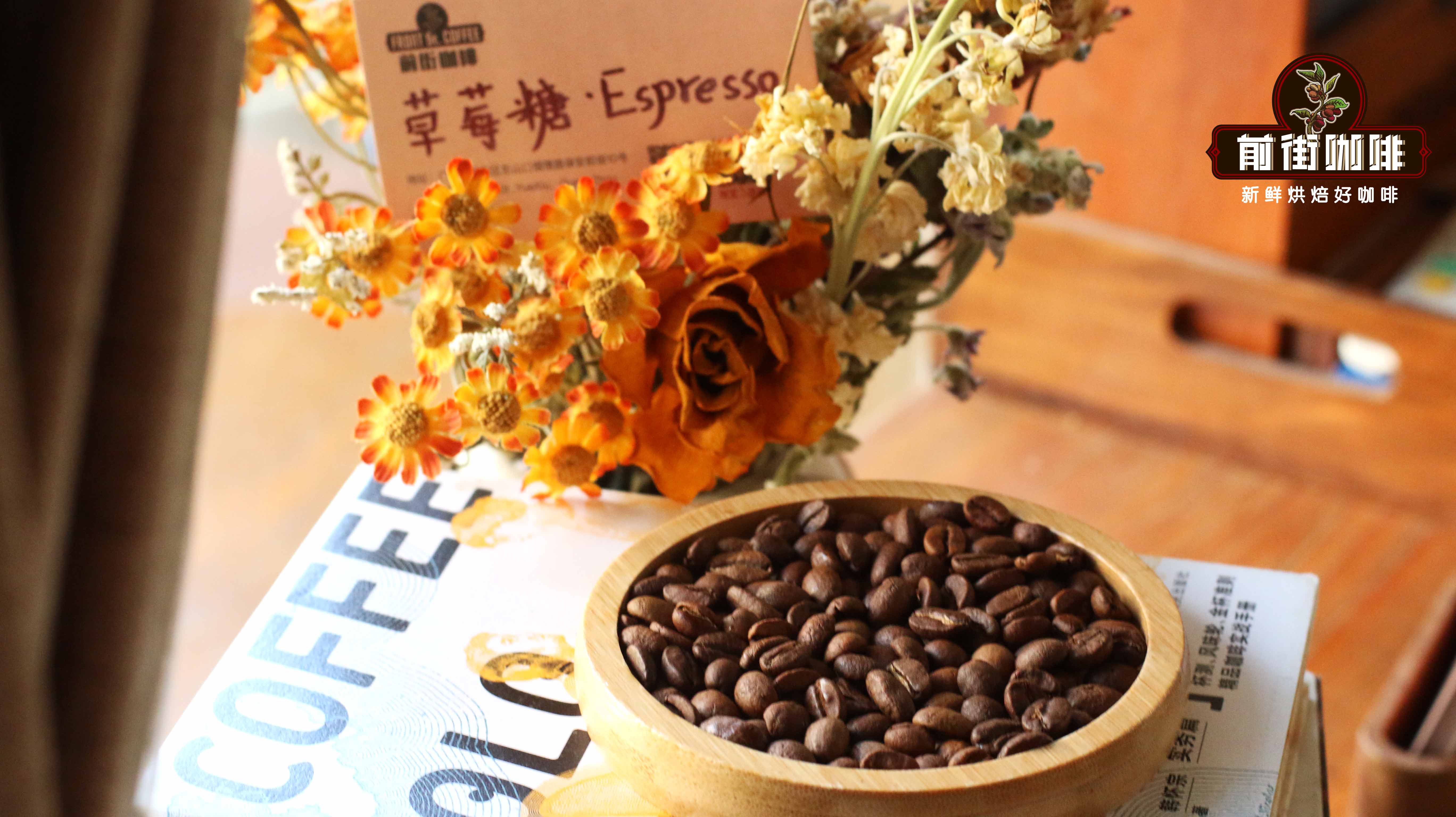
This is a blend based on two major origins: Front Street Costa Rica Tarrazu, known for its honey processing, and Ethiopia, the birthplace of coffee. On this foundation, Colombian coffee beans are added, creating an espresso that is not only not harsh, but under the extraction of the espresso machine, carries good crema and a velvety texture, while also having a sweet and tangy flavor like strawberry gummy candy.
The above content is compiled by CoffeeHunters, a coffee news website.


