







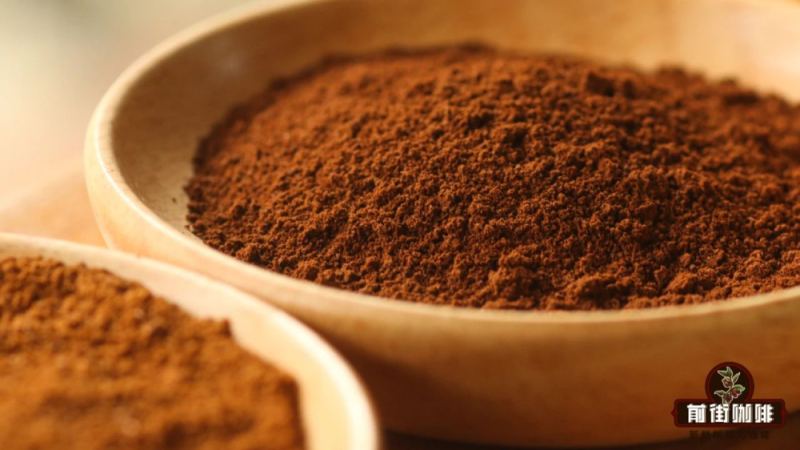
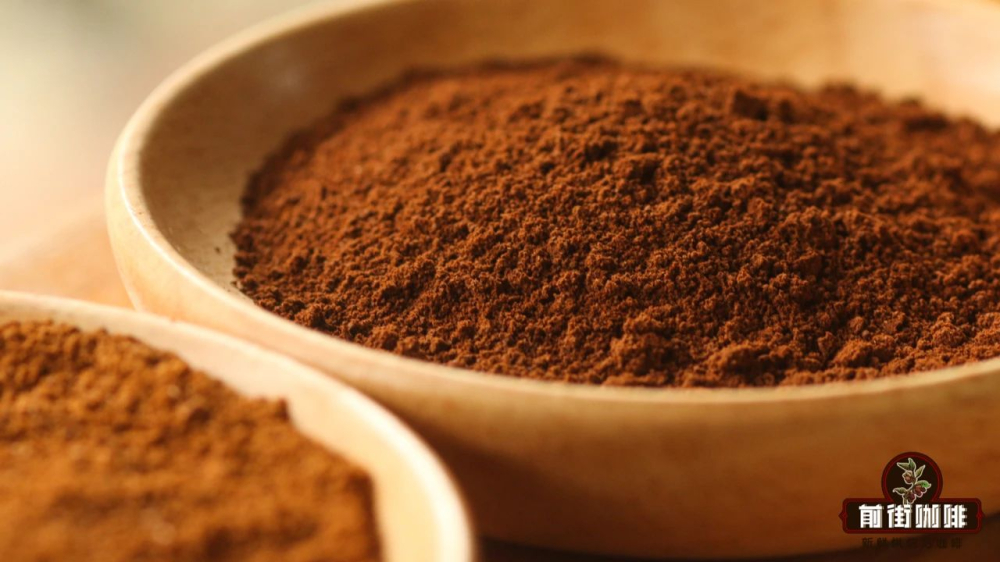
Recently, a customer asked Front Street what to do if the coffee beans they bought were ground too fine for making espresso. I believe many friends have encountered this situation too—they find the coffee grounds they bought are too fine, and if they brew with their usual pour-over parameters, it will definitely over-extract. Does that mean they have to throw it away and can't use it?
Today, Front Street will share with you whether "powder" ground for espresso can be used for cold brew or pour-over, and how to brew it better.
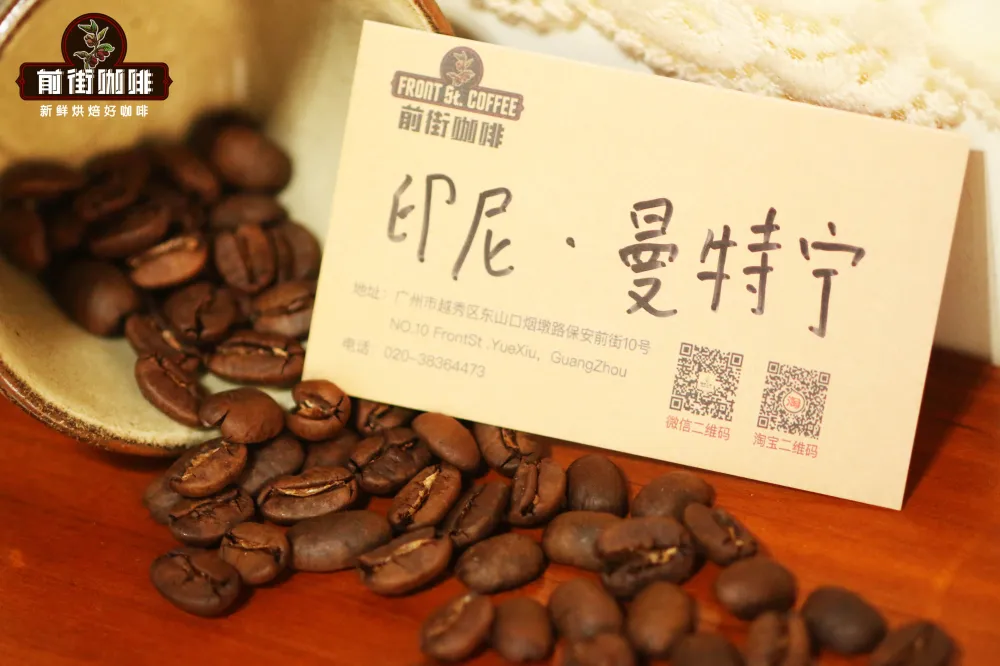
For the choice of coffee beans, Front Street uses the medium-dark roasted [Front Street Mandheling] for demonstration. This bean has a high body, relatively low acidity, and aromas featuring chocolate, caramel, herbs, pu-erh tea, and pine. It also has a flavor profile close to many espresso powders on the market.
[Pour-over]
To recreate the situation friends encounter at home, Front Street directly uses the grinder used in stores for espresso.Galileo, and sets the grind setting to the corresponding fineness.2.5for grinding.
Parameters: Dripper Hario KONO; water temperature 81–83°C; coffee-to-water ratio 1:15 or 1:10 then diluted by pass; grind size: Galileo 2.5 (espresso grind)
Dripper
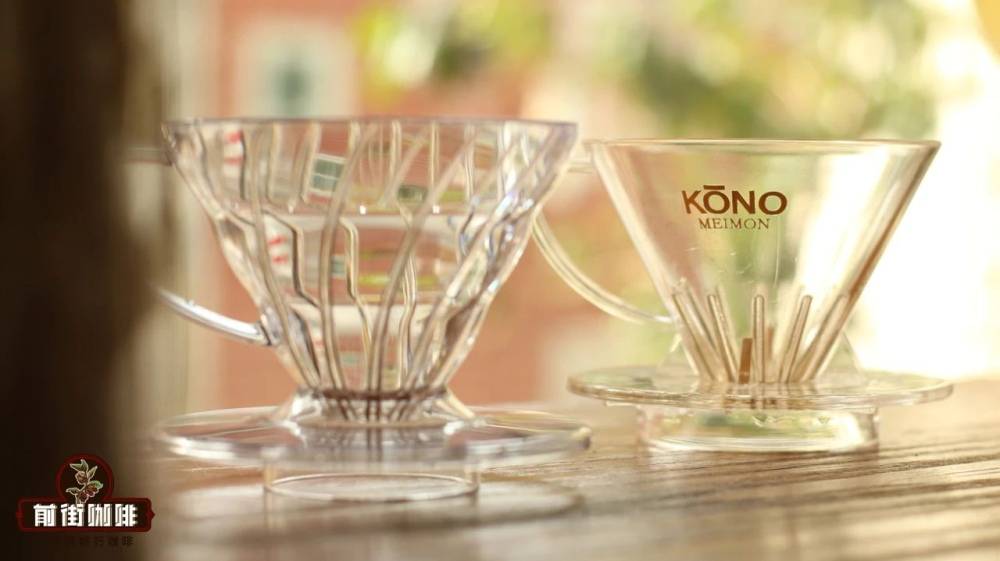
To highlight Mandheling's full-bodied mouthfeel and solid depth, the KONO coffee dripper is used for extraction, which gives the coffee a rich and rounded mouthfeel. KONO's ribs do not reach half the height of the dripper. This design is actually intended to ensure that after the dripper is wet, the filter paper clings tightly to the dripper wall, restricting airflow. This increases the time for coffee particles to absorb water, resulting in a more even extraction overall. It is suitable for brewing medium-dark roasted single-origin coffee beans such as Front Street Blue Mountain Coffee and Front Street Golden Mandheling.
Water temperature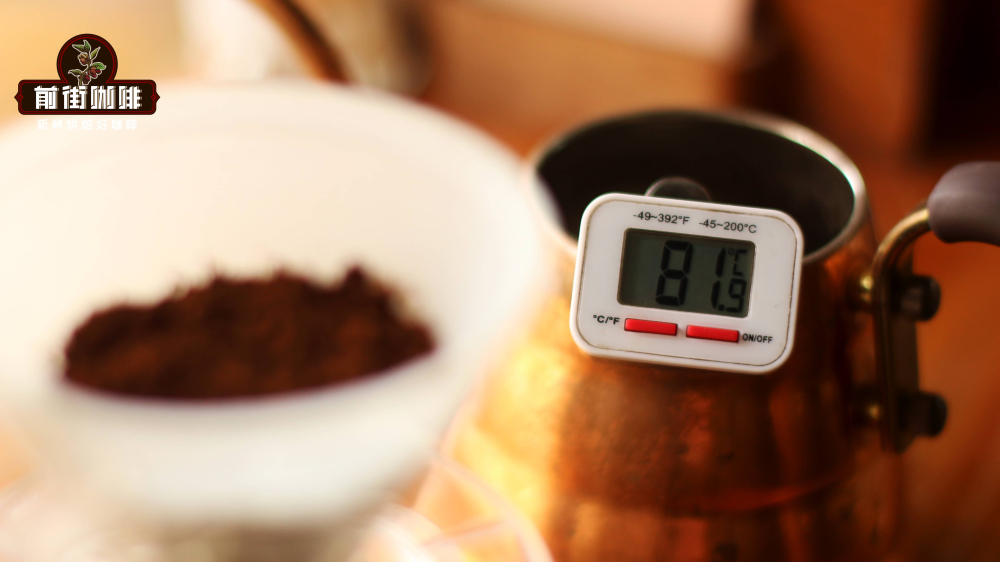
Because the grind is very fine and the roast level is relatively dark, if the water temperature is too high, it is very easy to over-extract. Therefore, FrontStreet Coffee chooses a relatively low water temperature (81–83°C) for brewing.
Coffee-to-water ratio
Technique
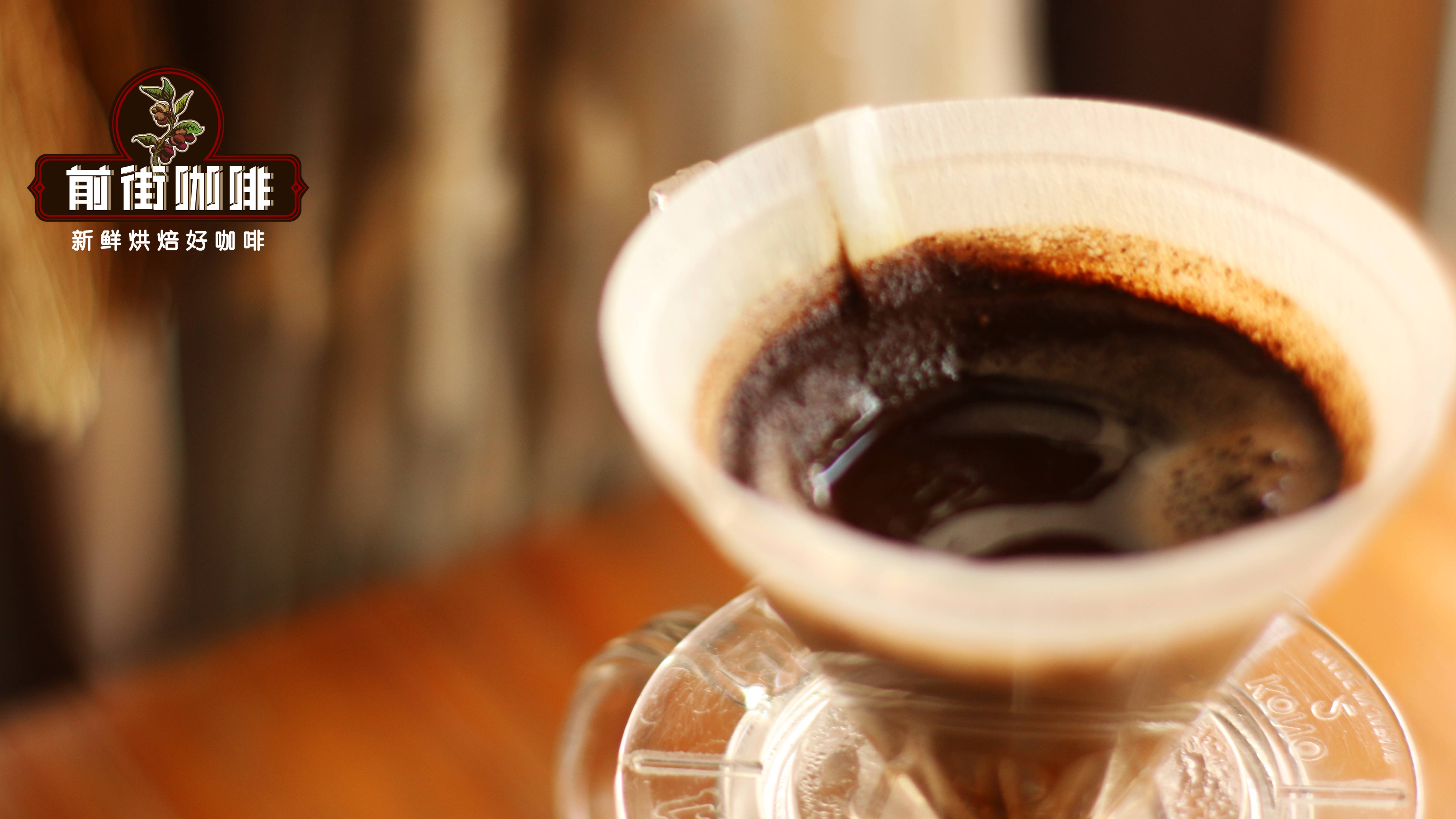
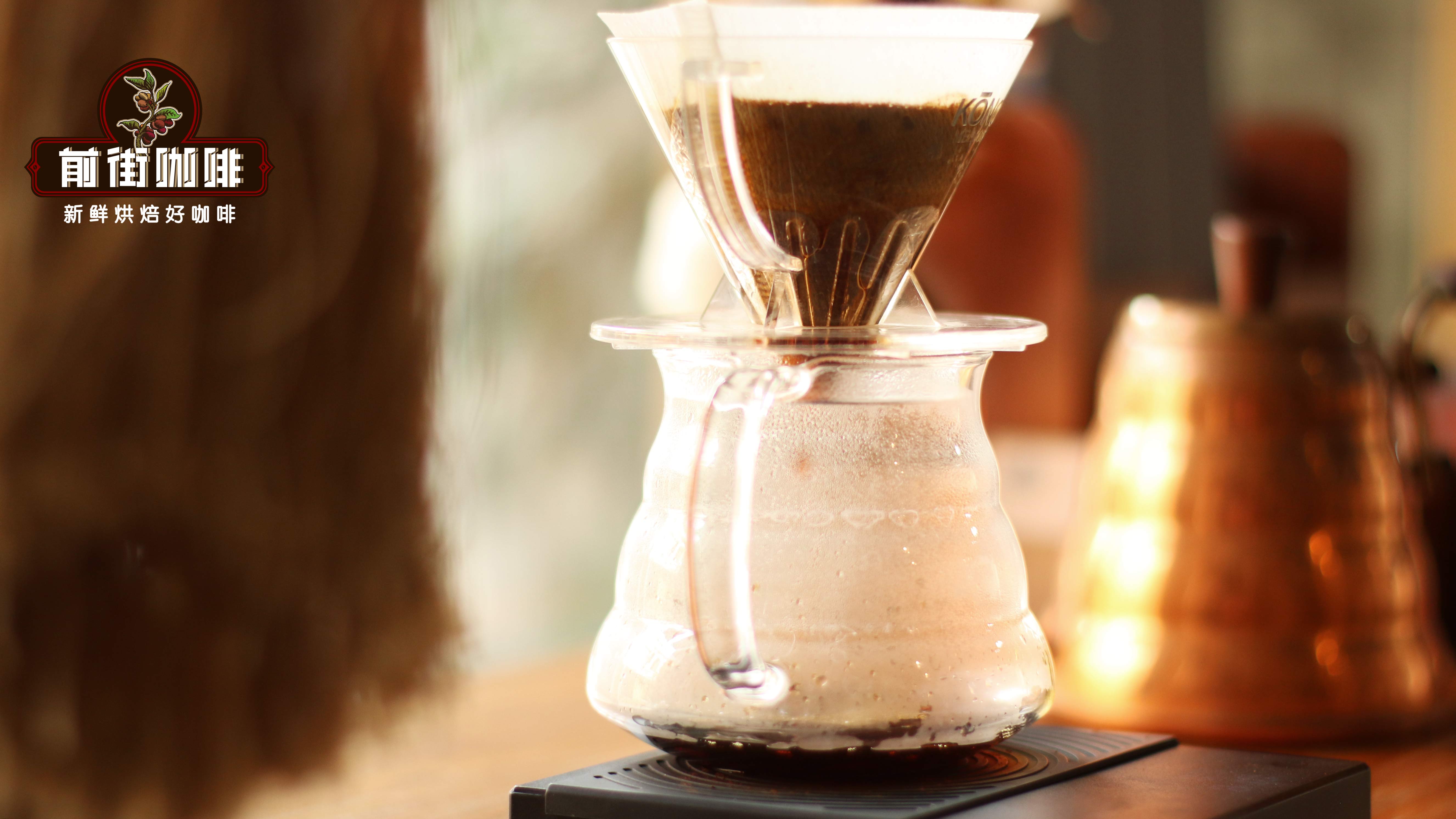
In terms of technique, FrontStreet Coffee chose to bloom and then pour directly in the center for brewing. Because the coffee grounds are ground too fine and the deeply roasted beans are loose in texture, the flavor substances in the coffee grounds are more easily extracted. To prevent over-extraction from making the coffee unbearably bitter, Front Street chose the center-pour technique to reduce disturbance to the coffee bed.
When the coffee grounds are impacted by the water stream, they roll inward with the pouring point as the center. The center pouring point is close to the dripper hole at the bottom, so the water flow is pressured and flows more quickly into the server.
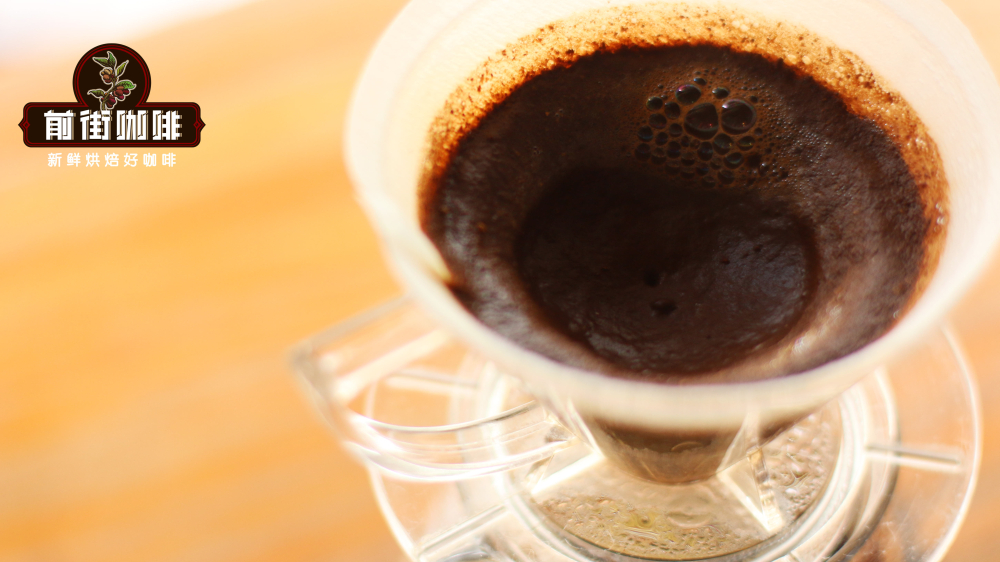
Because of the center pouring, after brewing is completed and all the coffee liquid in the dripper has drained, the coffee bed will appear as a deep pit.
Extraction time
Because the flavor substances in finely ground coffee are easily extracted, FrontStreet Coffee suggests that you can appropriately shorten the extraction time when brewing. For this brewing, FrontStreet Coffee started timing from the bloom and controlled the extraction time to about one and a half minutes.
FrontStreet Coffee used two coffee-to-water ratios for brewing experiments:
[Coffee-to-water ratio 1:15]
Technique: Use 30 g of water to bloom for 30 seconds so the coffee grounds can fully degas, avoiding the impact of gases in the coffee grounds during brewing. After the bloom, pour directly in the center until 225 g and stop. When the water in the dripper drops to 1/2 of the dripper, remove the dripper. The extraction time is 1 minute 10 seconds.
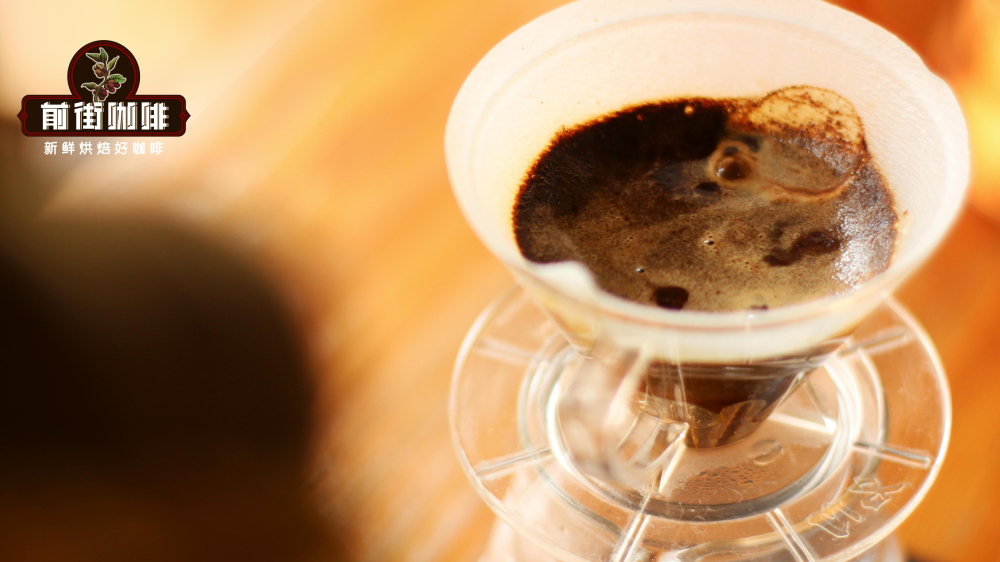
Flavor: The entry is black chocolate, cocoa, and roasted hazelnut flavors, with a strong mouthfeel, along with a caramel sweetness in the finish. The overall flavor is relatively intense and the mouthfeel is thick.
[Coffee-to-water ratio 1:10]
Technique: Use 30 g of water to bloom for 30 seconds so the coffee grounds can fully degas, avoiding the impact of gases in the coffee grounds during brewing. After the bloom, pour directly in the center until 150 g and stop. When the water in the dripper drops to 1/2 of the dripper, remove the dripper (start timing from the bloom). The extraction time is 1 minute 35 seconds. Then add 100 g of water to the server.
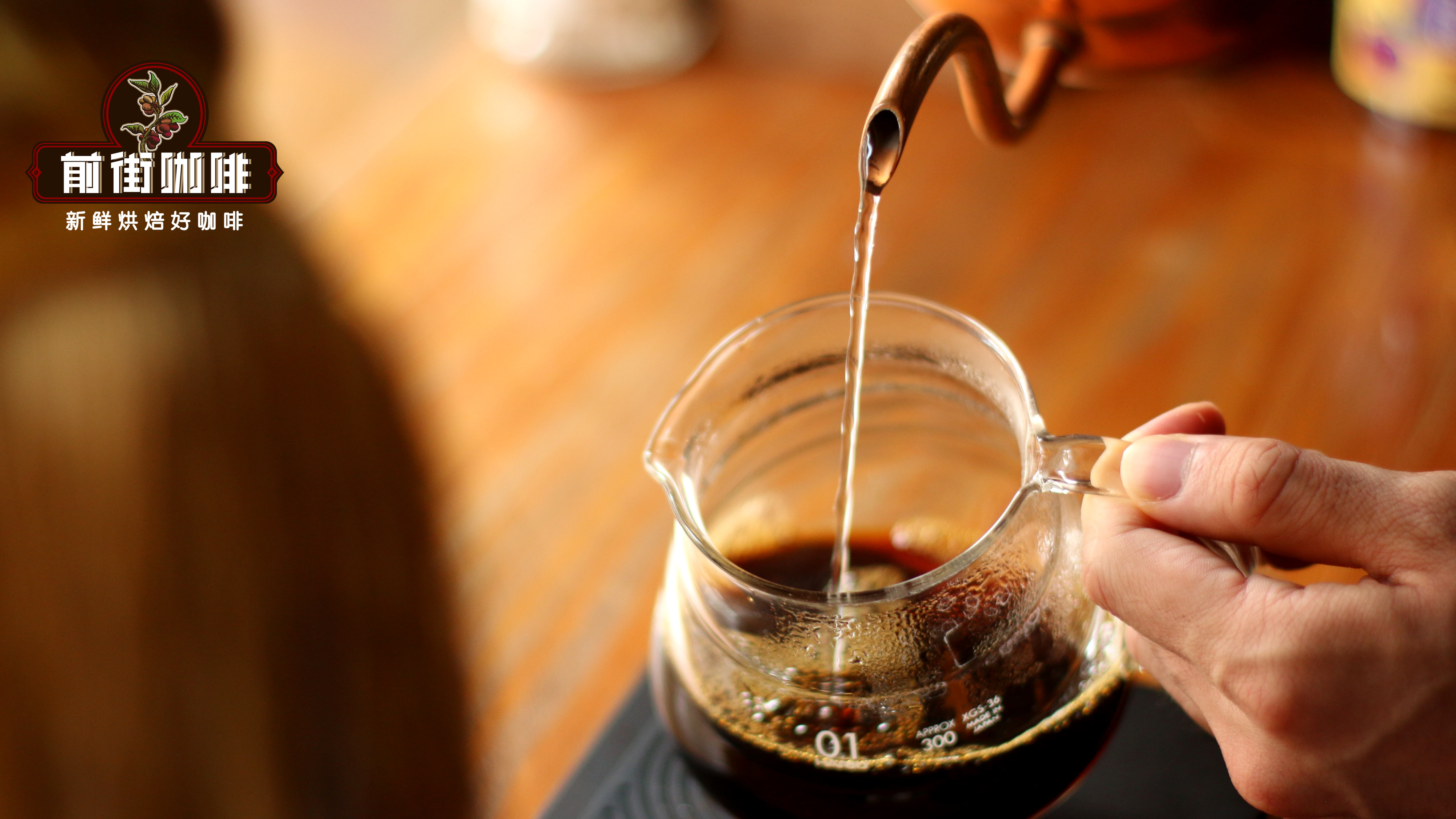
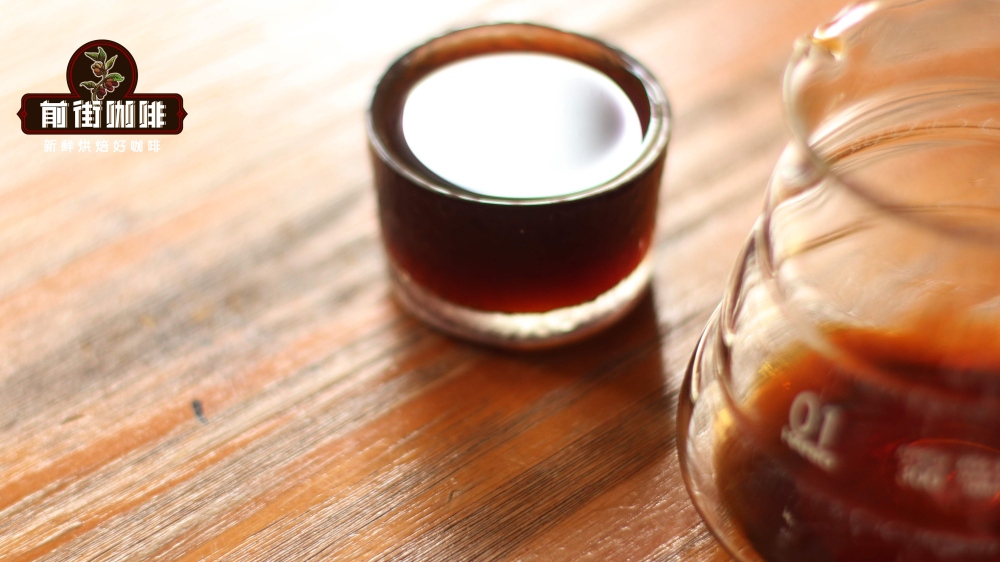
Finally, let's summarize: if the coffee grounds are ground too fine, then when brewing we can appropriately lower the water temperature, choose a smaller coffee-to-water ratio, and reduce agitation during brewing to reduce extraction from the coffee grounds!
The above content is compiled by CoffeeHunters, a coffee news website.


