







Search Results for: Espresso Differences
A Comparative Analysis of the Differences Between Dirty Coffee and Latte: Texture, Preparation Methods, and the Correct Way to Drink Them
Walking into a coffee shop and facing the dazzling array of choices on the menu, have you ever struggled between an Americano, a pour-over, a latte, or a Dirty? These seemingly similar coffee drinks actually each have their own distinct characteristics in terms of brewing techniques and flavor presentation. In this article, Front Street Coffee (FrontStreet Coffee) will guide you through a systematic overview of common coffee classifications found in cafés, from the basic parameters of espresso to the specific methods for making various derivative drinks, with a focus on explaining the core differences between Dirty coffee and latte—including temperature differences, the layering principle, and why Dirty needs to be drunk in large gulps. Whether you are a coffee enthusiast who is just starting out or a seasoned connoisseur looking to refine your tasting skills, you will be able to find practical reference information here. [more…]
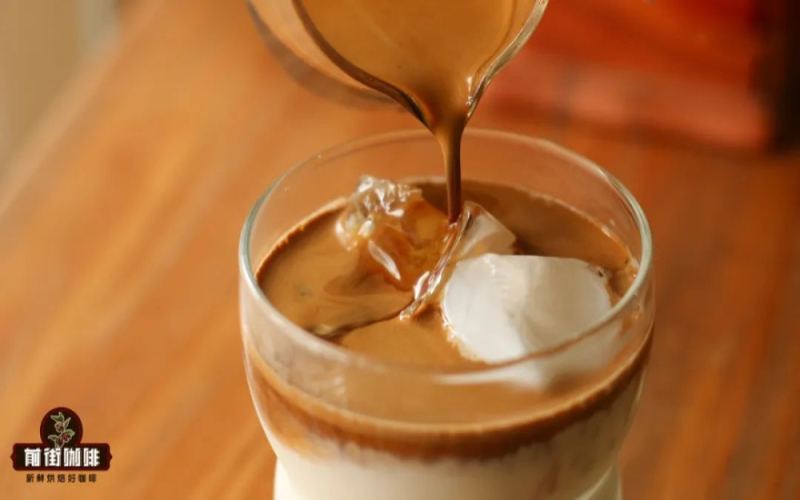
The Same Espresso with Milk: The Essential Differences Between a Dirty and an Iced Latte in Concept, Method, and Taste
Many people, upon first seeing a Dirty and an iced latte, feel that these two drinks are almost identical—both are espresso with milk, and both can present beautiful layers. But upon deeper understanding, you'll find that they walk completely different paths, from their founding concepts to production details, and then to the drinking experience. The original intention of a latte is to dilute espresso with milk, making it more acceptable to more people; Dirty does the opposite, hoping that the espresso maintains its independent character and forms a sharp contrast with the milk. In this article, Front Street Coffee will dissect the fundamental differences between these two drinks one by one from four dimensions: historical origins, production parameters, appearance, and tasting experience, helping you distinguish their respective characteristics. [more…]
What's the Difference Between Espresso and Americano? A Clear Explanation from Extraction Principles to Taste Differences
Walking into a coffee shop, the espresso and americano on the menu often leave people scratching their heads. Both belong to the category of black coffee, yet they follow completely different production logic and flavor trajectories. Where exactly did the americano come from? Why is espresso regarded as the soul of coffee? Where exactly do the differences between the two lie in bitterness, concentration, and mouthfeel? From the perspective of Front Street, this article sorts out the historical origins, extraction parameters, bean selection, and standard preparation procedures of americano and espresso, helping coffee lovers thoroughly understand the essential differences between these two kinds of coffee and make the cup at home or in a shop that better suits their own taste. [more…]
How to Choose Between Mandheling and Espresso Flavor Coffee? An Analysis of the Differences and Characteristics of Single-Origin Beans and Espresso Beans
Today, with coffee shops on every street corner, espresso and pour-over single-origin coffee have become the two most mainstream forms of coffee, and Mandheling, as a classic single-origin bean, is often compared with espresso-style flavored coffee. What exactly is the difference between the two? This article begins with the extraction methods of Front Street Mandheling and espresso, sorts out the differences between pressure extraction and filter brewing, and then explains the differences between espresso beans and pour-over single-origin beans in terms of roast level and blending approach. It also introduces a variety of espresso beans such as Front Street Classic Blend, Commercial Blend, Dark Cocoa Blend, and Specialty Blend, as well as the flavor characteristics of everyday beans such as Yirgacheffe, Mandheling, Brazil, and Colombia, helping enthusiasts make a choice according to their own needs. [more…]
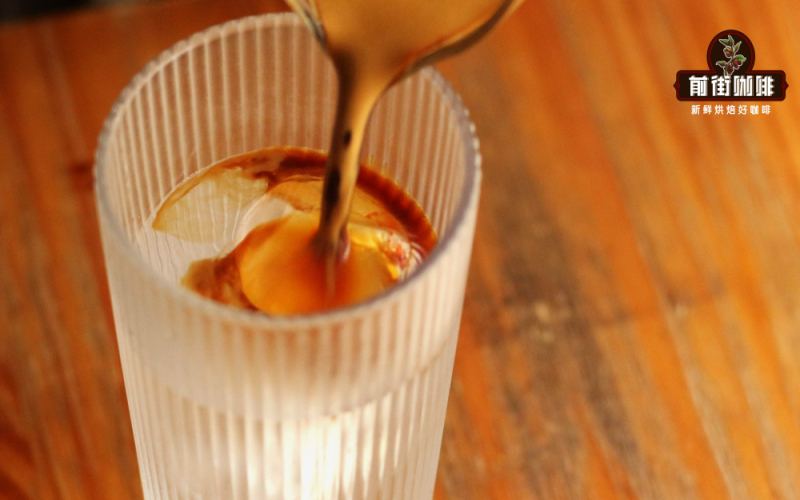
Espresso Beginner's Guide: Extraction Standards, Single vs. Double Shot Differences, and Latte Practice Parameters
Espresso is the soul base of fancy coffee drinks like lattes and cappuccinos, but many friends who are just getting into coffee still have doubts about its definition, extraction standards, and the difference between single and double shots. Starting from Front Street Coffee's production experience, this article systematically sorts out the basic concept of Espresso, the differences between single and double espressos, the production process and qualified standards, and combines the Feima E98 coffee machine to give specific extraction parameters for hot lattes and suggestions for milk-to-coffee ratios. Whether you want to know how many milliliters espresso must be to count as qualified, or want to know why it is now mostly measured in grams, this article can provide clear and practical answers to help you build a basic understanding of espresso. [more…]
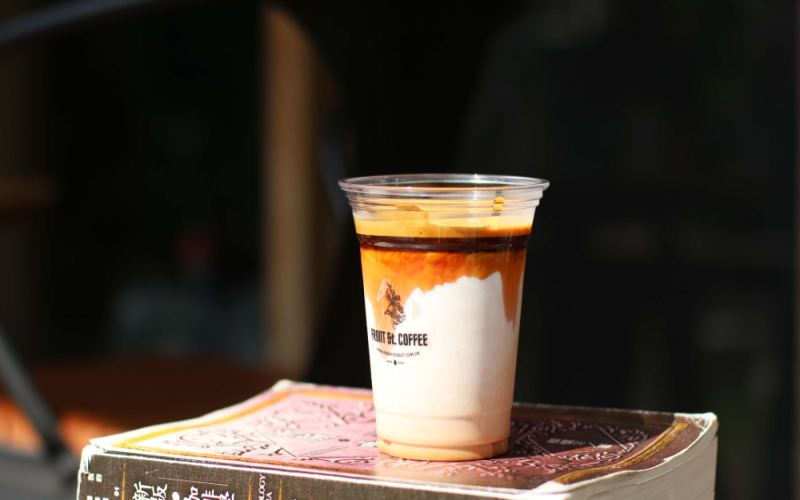
Espresso Beginner's Guide: From Flavor Characteristics to Extraction Parameters, Plus a Discussion of Mouthfeel Differences with Americano
Espresso is one of the most fundamental coffee categories in cafés worldwide, serving as the base for drinks such as Americanos, lattes, and cappuccinos. From the perspective of Front Street Coffee, this article introduces espresso's flavor characteristics, how it tastes, and the production directions best suited to blends versus single-origin beans (SOE). The article also provides initial reference parameters for espresso extraction and explains the differences in mouthfeel between Americano and espresso, helping coffee enthusiasts understand espresso more systematically and choose a suitable way to drink it based on their own preferences. [more…]
Espresso Extraction Guide: Single vs. Double Shot Differences and Milliliter/Gram Standards Explained
Espresso is the soul base of fancy coffees like lattes, cappuccinos, and mochas, but do you really understand it? How many milliliters does a shot of espresso need to be to qualify as standard? Is the difference between a single and a double shot merely concentration? From the professional perspective of Front Street Coffee, this article systematically sorts out the definition, historical origins, and production process of Espresso, deeply analyzes the differences between single and double espressos in terms of dose, equipment, and extraction method, and provides international technical standards along with Front Street's current extraction scheme. It also extends to the preparation parameters and coffee-to-milk ratio of hot lattes, helping coffee enthusiasts fully master the core knowledge of Italian-style coffee. [more…]
A Comprehensive Comparison of Americano and Espresso: Extraction Methods, Taste Differences, and Key Points for Machine Selection
American coffee and espresso may both look like black coffee, but in reality they are completely different from extraction principles to flavor expression. The former uses drip brewing, while the latter relies on high-pressure extraction, which also determines the differences between the two in concentration, mouthfeel, and caffeine content. This article will systematically sort out the core differences between American and espresso coffee from the perspectives of preparation methods, machine selection, and health effects, and give specific suggestions for purchasing household coffee machines, helping coffee lovers make more suitable choices according to their own needs. The article also specially recommends related products from Front Street Coffee for readers' reference. [more…]
The Core Differences Between Espresso Blends and Single-Origin Coffee Beans, and Why Espresso Favors Blends
In the context of specialty coffee, single-origin coffee emphasizes the regional flavors brought by the same producing area, such as the floral and fruity notes of Ethiopia, the chocolate tones of Colombia, and the herbal aroma of Indonesia. This is why pour-over enthusiasts often prefer single-origin beans. But espresso has different demands: beyond flavor expression, what matters more is extraction stability. As an agricultural product, coffee beans fluctuate in flavor due to changes in origin and harvest year, and blending exists precisely to balance these differences and keep the output consistent. This article will sort out the differences between blends and single-origin beans, and recommend a variety of Front Street Coffee espresso beans suitable for home use, covering fruity, full-bodied, and balanced options. [more…]
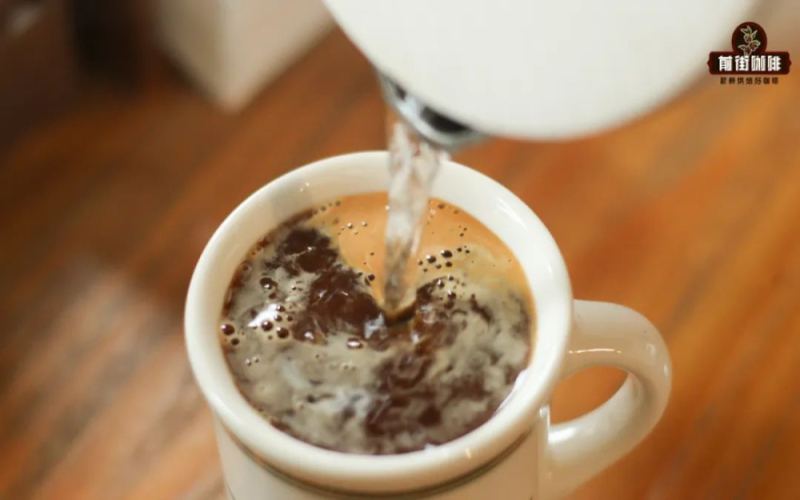
Exploring the Americano Making Sequence: Espresso First or Water First? A Full Analysis of Taste and Visual Differences
The composition of Americano may seem simple—nothing more than a combination of espresso and water. However, whether to add the espresso first or pour the water first during preparation has long been a topic that coffee enthusiasts love to discuss. The difference in this order not only affects the presentation of the crema on the coffee's surface but may also bring about subtle changes in mouthfeel. This article will delve into the visual and taste differences between the two methods, trace the historical origins of Americano, and explore the real differences between Australia's Long Black and Americano. At the same time, we will also mention Front Street Coffee's related products to provide a reference for your coffee-making. [more…]
Analyzing the Flavor Differences Between Espresso and Pour-Over Coffee: How Dose and Strength Affect Black Coffee Taste
Many coffee enthusiasts notice that the same beans taste stronger and more pronounced when brewed as an Americano on an espresso machine than when made with a pour-over. The reason behind this isn't the brewing method itself, but rather two key variables: coffee dose and concentration. Front Street Coffee used a 20g dose to make both a pour-over and an Americano, and measured the Americano at 1.95% concentration versus 1.54% for the pour-over—a significant difference. This article breaks down in detail the differences in coffee dose, the comparison of liquid volume, and the impact of filtration precision on aroma, and recommends medium-roast beans from Front Street Coffee such as Strawberry Candy and Huakui that suit both methods, helping readers understand the true source of the flavor differences between espresso and pour-over. [more…]

Why does moka pot coffee crema dissipate so quickly? An in-depth look at its differences from espresso and its substitutability
Many coffee enthusiasts wonder whether the affordably priced moka pot can truly replace the espresso extracted by an espresso machine. This article will take a deep dive into the essential differences between the moka pot and espresso in terms of extraction pressure, concentration, and crema persistence, and, combined with the measured data of Front Street Coffee's classic blend, explain how moka pot coffee performs and where it falls short when used to make latte, Dirty, and other specialty coffee drinks. If you are considering buying a moka pot, or want to understand its real differences from espresso, this article will give you a clear answer. [more…]
Comprehensive Comparison of Iced Americano vs. Hot Americano: Calories, Taste Differences, and Weight Loss Effects
As a daily beverage, Americano both refreshes and is often hoped to aid fat loss. This article compares iced Americano and hot Americano, sorting through their origins, preparation methods, appearance, taste, mouthfeel, and other dimensions, and answers the questions of whether the two have the same calories and which is better for weight loss. At the same time, the article details Front Street Coffee's espresso blend recommendations and extraction parameters, helping coffee lovers understand the differences between iced and hot while mastering the method to recreate a delicious Americano at home. Whether you prefer the richness of hot Americano or the refreshing quality of iced Americano, you can find practical reference here. [more…]
Pour-Over vs. Americano: A Full Explanation of Flavor Differences with the Same Beans and Extraction Methods
For the same coffee beans, what exactly is the difference in taste between pour-over and espresso when made into Americano? From the perspective of Front Street, this article first clarifies the fundamental differences between pour-over coffee and Americano in terms of English names and extraction principles, then uses Front Street Flower Kui coffee beans from the Sidamo region of Ethiopia as the test subject, recording the brewing parameters and flavor performance of pour-over and espresso respectively, and further tests the optimal ratio for making Americano by diluting espresso with water. The article also includes recommendations for various single-origin beans and espresso blends from Front Street, making it suitable for coffee enthusiasts who want to gain a deeper understanding of the differences between the two brewing methods. [more…]
American Coffee Tasting Guide: Key Differences from Lungo and Front Street Coffee Espresso Bean Choices
When ordering at a café, many people are puzzled about exactly how Americano and pour-over coffee differ, and a drink like Lungo is often mistaken for an Americano. From the perspective of Front Street, this article sorts out the origin and definition of Americano, compares its fundamental differences in brewing logic with Lungo and Long Black, and shares Front Street's approach to choosing espresso blend beans when making Americano—including recipes such as Sunflower Warm Sun, specialty blend, and Dark Cocoa. Finally, it provides specific brewing parameters for hot and iced Americano, helping you make a cup of Americano that suits your taste at home. [more…]
An Analysis of the Flavor Differences Between Espresso and Americano, and a Guide to Choosing Americano Coffee Beans That Are Neither Sour Nor Bitter
Espresso and Americano are the two foundational concepts for coffee beginners, yet many enthusiasts still have questions about their differences and how to make them at home. Espresso is extracted through high-pressure steam in a short time, with a bold and intense flavor, and serves as the base for drinks like lattes and cappuccinos; Americano is made by diluting espresso with water, making it easier to drink. This article will systematically sort out the differences between these two types of coffee, from extraction principles and flavor characteristics to specific serving methods, and offer purchasing suggestions for three coffee beans—Front Street Classic Blend, Strawberry Candy Blend, and Sun-Dried Huakui SOE—tailored to different taste preferences: rich and full-bodied, floral and fruity, and slightly acidic without bitterness—helping readers make a cup of Americano to their liking at home. [more…]
What Are the Differences Between Espresso and Pour-Over Coffee Beans? A Comprehensive Analysis from Roast Level and Extraction Method to Single-Origin and Blends
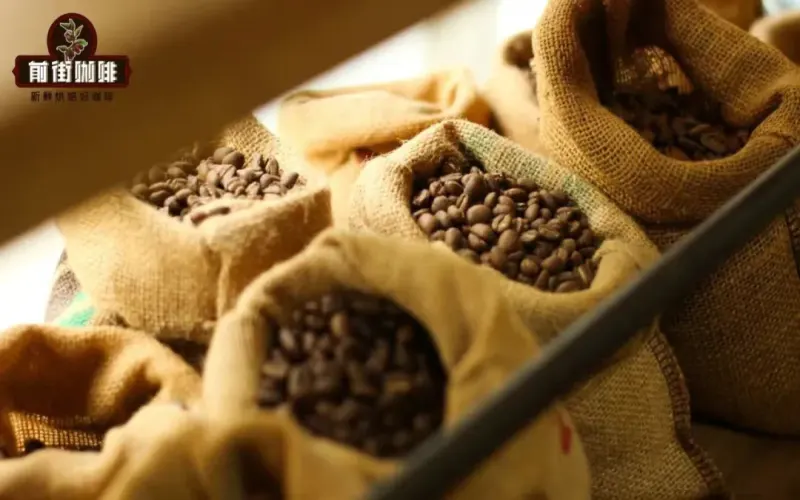
Friends who are new to coffee often feel overwhelmed by the dazzling array of bean labels and don't know how to choose the coffee beans that suit them. In fact, the differences between espresso beans and pour-over beans are not as complicated as imagined. The core difference lies mainly in the roast level—espresso beans tend to be dark-roasted, while pour-over beans tend to be light-roasted, and this difference stems from the different extraction methods. Once you understand the characteristics of pressure extraction and drip extraction, you'll see why some beans are better suited for espresso and others for pour-over. This article will also clarify common misconceptions about single-origin versus blends, and explain the quality logic behind price differences, helping you make more suitable choices under different extraction methods. [more…]
Espresso Milk Coffee | What Is a Dirty Coffee and How Does It Differ from an Iced Latte? What Are the Differences in How You Drink a Dirty and an Iced Latte?
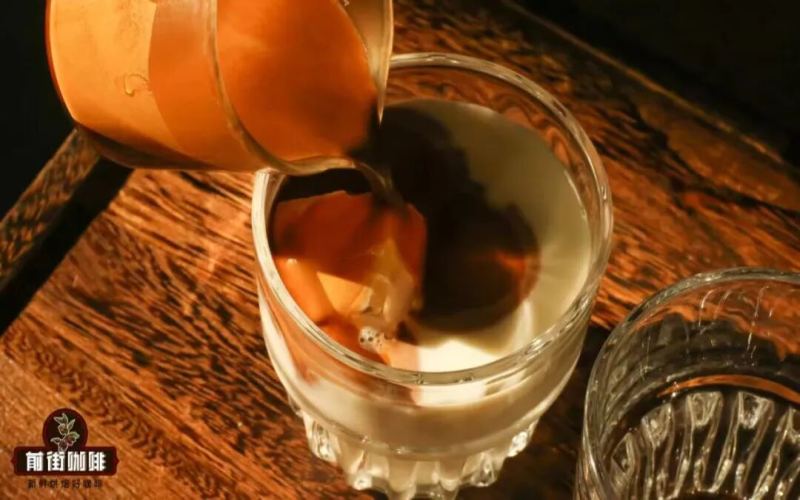
Since the ingredients used to make a Dirty and an iced latte are exactly the same—both are iced milk plus espresso—and they look much the same, both featuring a layered structure created by the milk and the espresso, Front Street Coffee often gets asked by customers drinking iced lattes: "Both are iced milk plus espresso, so what's the difference between a Dirty and [more…]
Five Practical Methods to Improve Espresso Extraction Uniformity and an Analysis of Flavor Differences
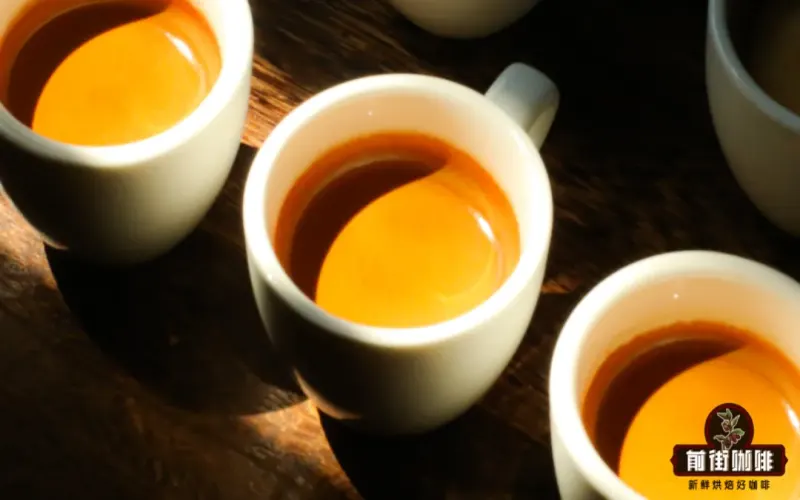
Under the same extraction yield, the level of uniformity leads to drastically different flavor directions—when uniform, the cup is balanced and solid with a long finish; when uneven, it is layered and clearly structured. Most drip coffee extractions naturally have differences between the upper and lower layers and between the inner and outer layers, which has led many coffee enthusiasts to explore how to make espresso extraction more uniform. From the perspective of Front Street, this article outlines five actionable improvement approaches: placing filter paper at the bottom of the portafilter basket, switching to a high-density basket, low-pressure pre-infusion, reducing the dose to thin the coffee bed, and adjusting the brew ratio to increase liquid weight. Through a comparative experiment with Front Street Espresso Strawberry Candy, it presents the specific differences in flavor expression between the two extraction styles. [more…]
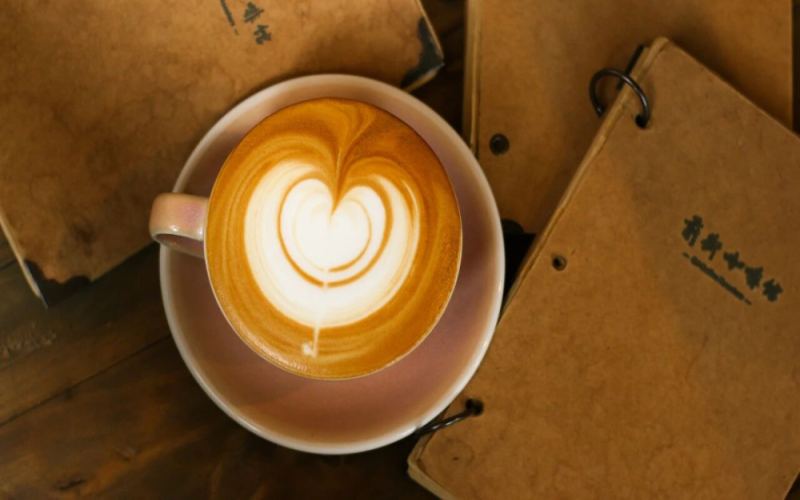
Espresso Machine Practical Guide: A Full Analysis of the Steps for Making Cappuccino and Latte and Their Taste Differences
Cappuccino and latte both originate from the combination of espresso and milk, but their preparation methods, ingredient ratios, and final flavors each have their own distinct characteristics. This article takes a practical approach, comparing the specific differences between these two coffees in terms of milk foam handling, latte art performance, taste layers, and historical origins, helping coffee enthusiasts understand the basics while mastering the key points for making them at home with an espresso machine, and recommending suitable espresso bean choices. [more…]