







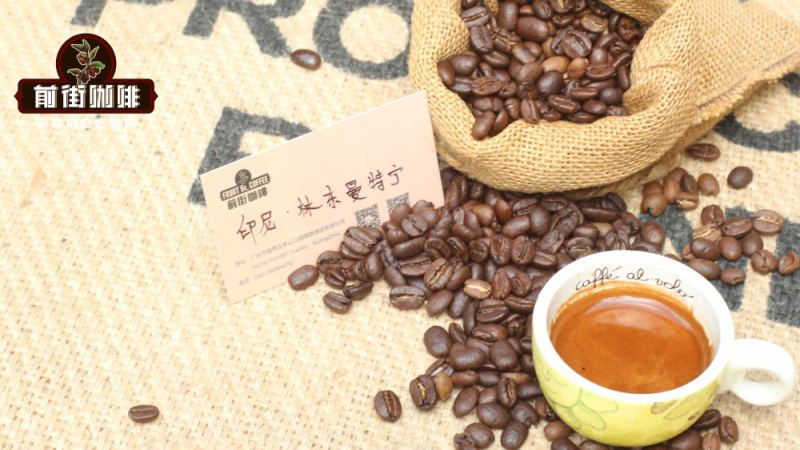
How Do Espresso Coffee Beans Differ From Single-Origin Beans?
Espresso coffee beans and pour-over single-origin beans differ mainly in extraction method, roast level, and blending. Espresso uses pressurized extraction: fine grind, near-boiling water forced through a compacted puck in a short time, producing a concentrated shot with crema. Mandheling is a single-origin bean from Sumatra, Indonesia, usually brewed as pour-over, with strong aroma and a full body.
Espresso beans are often blends roasted to perform under pressure, while single-origin beans such as Yirgacheffe, Mandheling, Brazil, and Colombia are chosen for filter brewing. Classic blends like Front Street Classic Blend, Commercial Blend, Dark Cocoa Blend, and Specialty Blend anchor espresso menus, and drinks such as Americano, latte, and mocha build on the espresso base.
Today, with coffee shops on every corner, espresso and pour-over single-origin coffee have become the two most mainstream coffee forms, and Mandheling, as a classic single-origin bean, is often compared with espresso-style flavored coffee. What exactly are the differences between the two? This article starts with the extraction methods of Front Street Mandheling and espresso, sorts out the differences between pressurized extraction and filter brewing, then explains the differences between espresso beans and pour-over single-origin beans in roast level and blending approach, and introduces several espresso beans such as Front Street Classic Blend, Commercial Blend, Dark Cocoa Blend, and Specialty Blend, as well as the flavor characteristics of everyday beans such as Yirgacheffe, Mandheling, Brazil, and Colombia, helping enthusiasts make choices according to their own needs.
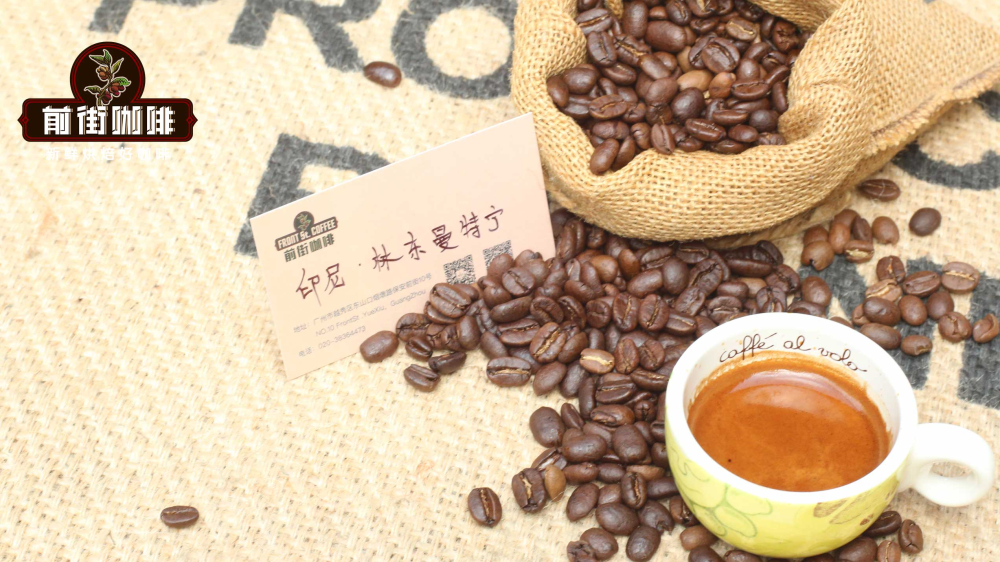
Front Street Mandheling comes from the Sumatra producing region of Indonesia. It is a single-origin coffee bean, mostly used for pour-over, with a strong aroma and a full body. Espresso, on the other hand, relies on pressurized extraction by an espresso machine to obtain a rich concentrated coffee liquid, with a powerful taste impact.
With the rise of fast-paced espresso culture, cafés of various styles have opened all over the country. In just two minutes, a cup of coffee with a mellow texture and standout flavor can be made, and it is deeply loved by young people. Many friends also want to buy equipment and make it at home. In this article, Front Street will discuss the differences between the espresso commonly seen in coffee shops and pour-over single-origin coffee.
Espresso refers to espresso coffee (Espresso), extracted by a semi-automatic or fully automatic espresso machine, with a layer of delicate, dense crema on the surface and a thick texture. As it became popular everywhere, popular drinks such as Americano, latte, and mocha derived from Espresso as a base combined with local tastes are also included in the category of espresso coffee.
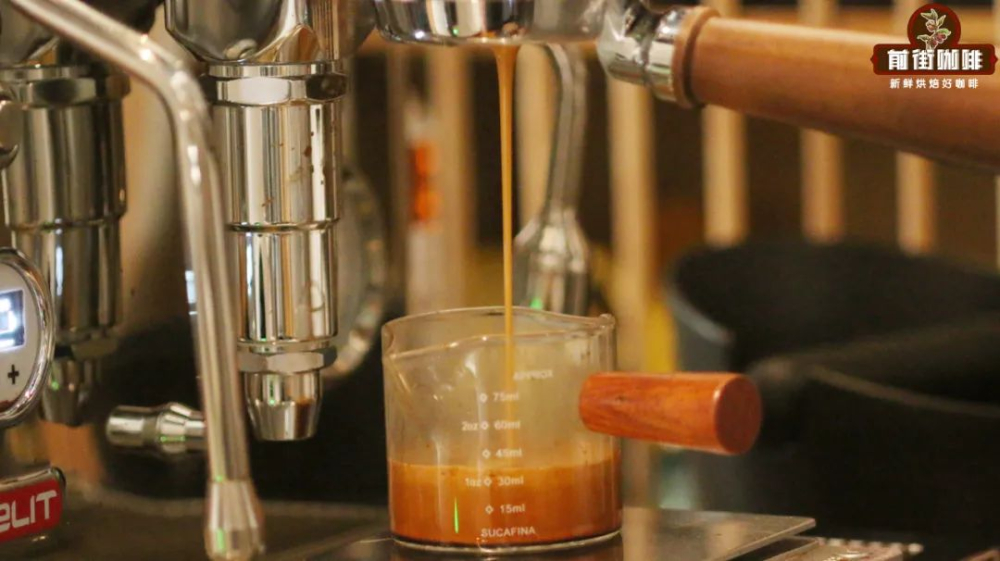
When extracting a shot of espresso, because the whole process takes an extremely short time, we grind the coffee powder finer, allowing nearly boiling hot water to pass through the compacted puck under pressure and quickly dissolve the soluble substances in the coffee. Pour-over coffee belongs to the filter brewing category. Under normal temperature and pressure, high-temperature hot water is poured into ground coffee, using a longer time to let the coffee bed absorb water, thereby releasing soluble aromatic components.
Because it uses pressurized extraction, espresso gathers multiple flavors from the coffee and has an intense taste, so people usually dilute it with water or milk before drinking. Pour-over coffee has a shorter steeping time and uses more water, so the coffee liquid tastes fresh and elegant, and it is generally ready to drink directly after brewing.
Espresso beans and pour-over single-origin beans
Because espresso and pour-over coffee use different extraction methods, the coffee beans selected should also match their respective characteristics. Imagine this: if the same light-roasted single-origin bean is used, pour-over can show the sweet-and-sour fragrance of flowers and fruit, while pressurized extraction as espresso will present a sharp and stimulating acidity. Therefore, the beans used for espresso tend to be at a darker roast level, producing more caramel-like substances to balance the taste of the espresso.
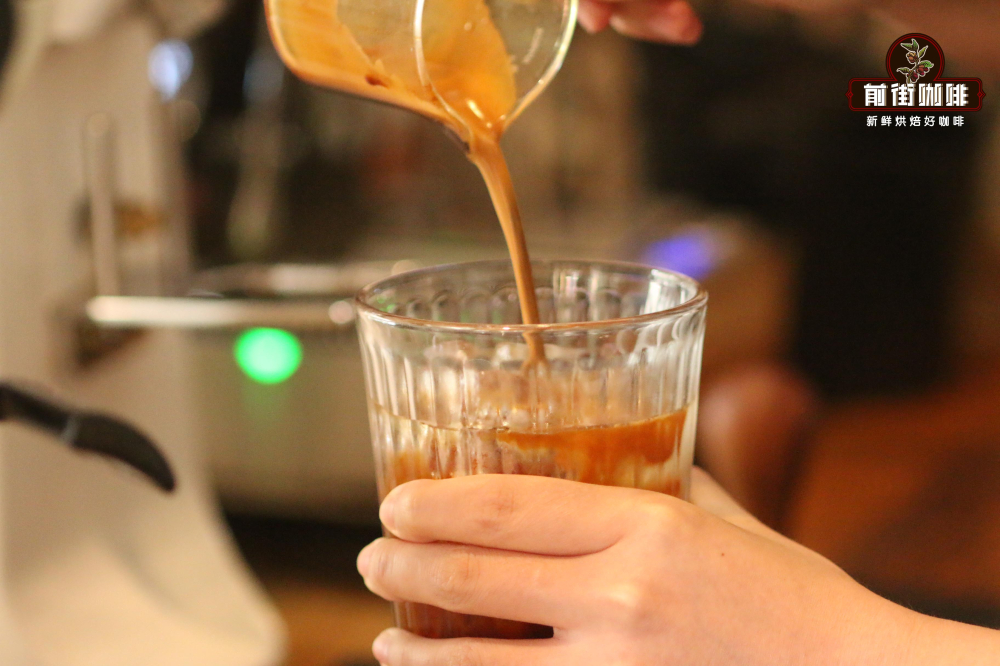
The so-called espresso blend, Espresso Blend, is a bean blend made by the roaster selecting coffee beans from different origins and with different flavors, roasting them together (or roasting them separately and then blending them in proportion), to make a rich and balanced espresso. The first choice for beginners is Front Street Classic Blend. It combines three major producing regions: Vietnam, Brazil, and Indonesia, among which is the uniquely aromatic Mandheling, thereby highlighting butter, roasted nut, and caramel flavors as well as rich crema, making it very suitable for adding milk to make a latte.
As the concept of specialty coffee continues to be emphasized, regional flavor has also become the pursuit of many coffee people. Nowadays, many shops use high-quality single-origin beans to make espresso coffee, which is the commonly seen SOE. As Front Street says, if you want the espresso to both reflect regional flavor and maintain a balanced taste, you have to adjust the roasting curve, otherwise regional flavor loses its meaning. If making espresso at home, Front Street recommends using Front Street espresso blend coffee beans, or single-origin beans with a medium-dark roast level, so that extraction will be more stable.
Recommended single-origin coffee beans suitable for pour-over
If you are a coffee beginner who has just started, Front Street recommends starting with classic regional flavors. Front Street has selected multiple classic coffee producing regions, covering different coffee varieties, and launched the 100-gram Front Street everyday bean series. Front Street everyday beans are the "representative faces" of each producing region and can help identify the basic flavors of the region, such as the jasmine fragrance and citric acidity of Front Street Yirgacheffe, the herbal spice notes of wet-hulled Front Street Mandheling, and the creamy and chocolate flavors of Brazil.
Produced in Ethiopia, the birthplace of coffee, Front Street Yirgacheffe is different from the traditional natural method and uses washed processing, greatly reducing the defect rate while bringing a fresh floral fragrance and bright, lifted acidity. Because of its distinctive flavor, it has become the "white moonlight" in many people's hearts.
Front Street Mandheling is a classic full-bodied coffee among pour-over single-origin coffees and can be called enduring. Indonesia's humid and high-temperature environment gave rise to the unique wet-hulling method: before the parchment layer wrapping the green beans is completely dry, it is "forcibly" hulled away, and the green beans complete the final drying in an "exposed" state, thus absorbing moisture from the air and carrying a dull aroma of wood, herbs, and spices. After roasting, it presents a rich body like dark chocolate and nuts, while also having the unique mouthfeel of pine wood and medicinal herbs.
Brazil is the world's largest coffee-producing country. Its classic creamy and nutty flavors have created the rich aroma and taste of many espresso blends. This Front Street Brazil everyday bean is selected from Cerrado in Minas Gerais and belongs to the Red Bourbon variety. Semi-washed processing reduces off-flavors and enhances fruity aroma and sweetness.
Colombian coffee, famous worldwide for its soft mouthfeel and rich nutty chocolate body, uses the high-quality Caturra variety from the well-known Huila producing region, where the unique microclimate creates a rich aroma. The washed Front Street Huila everyday bean carries chocolate, caramel, and smooth, pleasant fruity acidity.
Recommended espresso coffee beans
The taste of espresso depends on the coffee beans used. To make the flavor balanced and the mouthfeel richer, most shops choose medium-dark roasted blend beans. Front Street continuously develops an in-depth understanding of the flavor characteristics of coffee beans from various producing regions, using different proportions to let the beans complement each other's strengths and offset weaknesses, balancing the flavor presented in espresso. After repeated trials and comparisons, Front Street has launched four espresso blend coffee beans.
Classic full-bodied type — Front Street Commercial Blend coffee beans
The espresso made has rich golden crema and nutty aroma. On the palate there is the roasted coffee bitterness, but accompanied more by a creamy, full mouthfeel. After swallowing, the bitterness dissipates, leaving fragrance on the lips and teeth, and it can meet the daily needs of opening a shop.
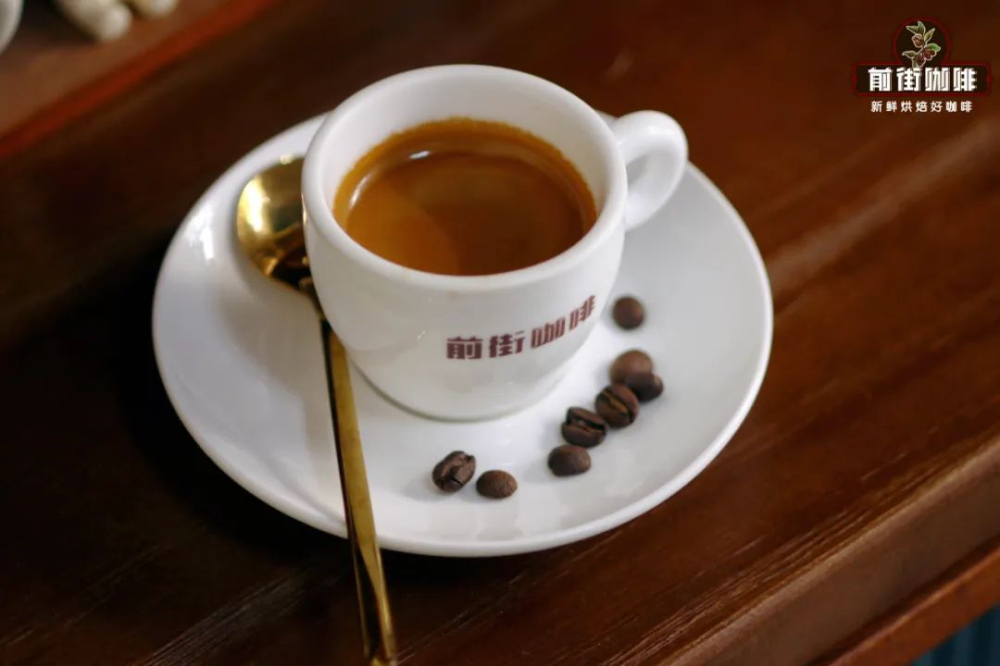
Slightly acidic full-bodied type — the espresso moka pot coffee beans recommended by many baristas - Front Street Dark Cocoa Blend coffee beans
The soft acidity of Yunnan small-bean coffee paired with the rich aroma of Brazil Cerrado coffee gives the espresso a taste of caramel, nuts, and soft plum acidity. This cost-effective espresso bean is suitable for shops and home users who prioritize cost and have average flavor requirements.
Balanced rich-aroma type — Front Street Specialty Blend coffee beans
Adding Colombian coffee to the nutty tonality of classic Brazilian coffee gives the espresso a dark chocolate flavor and caramel sweetness, with a full roasting aroma, suitable for the daily output of a coffee shop.
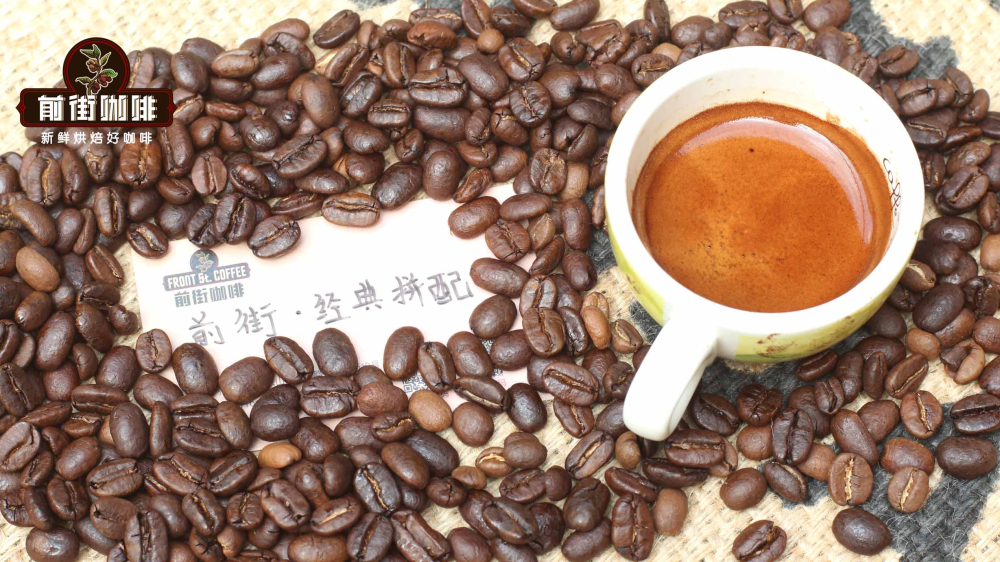
To ensure that everyone can drink freshly roasted coffee beans when placing an order, the coffee beans shipped by Front Street are all freshly roasted within 5 days, so when you receive them, they may still be in the resting period. After roasting, blended beans need a 7–10 day degassing stage, and then enter the full-aroma peak flavor period, at which point the extracted espresso is more stable.
The above content is compiled by CoffeeHunters, a coffee news website.


