







How does American coffee differ from espresso?
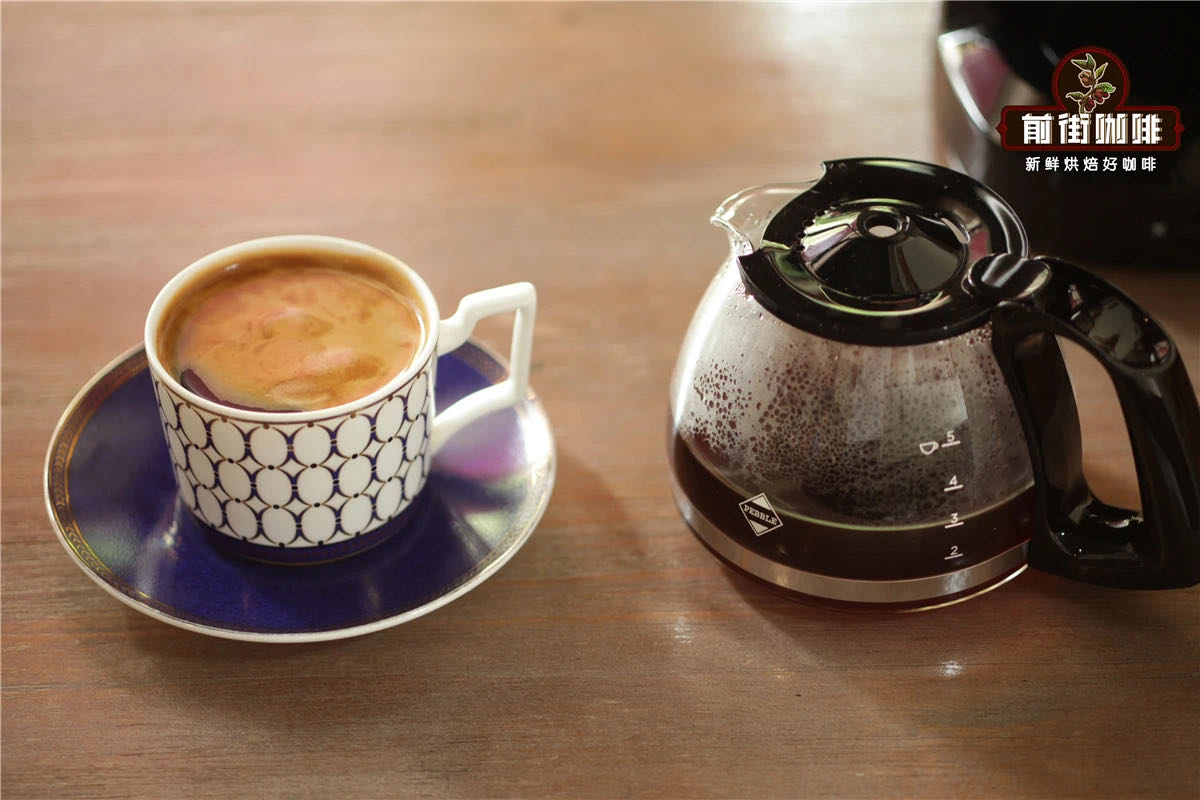
Americano and espresso are both black coffee but follow different logic. Americano comes in two forms: brewed in a drip machine, or made by adding water to espresso. The water-diluted version dates to World War II, when American officers in Europe diluted espresso to imitate the lighter drip coffee they knew at home.
Espresso must be extracted on a machine with pressure capability, producing a concentrated, intense shot. Dilution softens that strength, giving Americano a thinner body and milder flavor. The article sets out the history, extraction parameters, bean selection and standard preparation for both, so drinkers can judge for themselves why americano is bitter or not.
Walking into a coffee shop, the espresso and Americano on the menu often leave people puzzled. Both belong to the black coffee family, yet they follow completely different brewing logic and flavor directions. Where did Americano actually come from? Why is espresso regarded as the soul of coffee? Where exactly do the differences in bitterness, concentration, and mouthfeel lie between the two? From Front Street's perspective, this article sorts out the historical origins, extraction parameters, bean selection, and standard preparation procedures of Americano and espresso, helping coffee enthusiasts thoroughly understand the essential differences between these two coffees and make the cup that suits their taste better at home or in a shop.
For people who do not frequent coffee shops, the espresso and Americano listed side by side on the menu are often confusing at first glance. You may vaguely know that both belong to the black coffee camp, but when it comes to explaining the specific differences between them, you may feel at a loss for where to begin. Next, let Front Street help everyone clarify this question.
Americano
There are actually two paths to making a cup of Americano. One is to extract it directly with an American drip machine, and the other is to dilute espresso by adding water. The difference between these two methods can be found in the origin of Americano.
Drip-style American coffee machines were first widely popularized in American households, and locals had long adapted to the style of coffee these machines produced—light in taste, thin in body, and noticeably watery. During World War II, American officers were stationed in Europe, and the coffee they encountered was almost exclusively espresso, which tasted strong and stimulating.
In order to recreate the feeling of the drip coffee from back home, they added water to espresso, and after dilution the flavor became noticeably milder and much smoother to drink. At the time, no other part of Europe drank coffee this way, so people called this water-diluted coffee "Americano." The name actually carried a bit of mockery, a tease from locals about Americans not being able to handle the strength of espresso. The French even privately called Americano "sock coffee" to describe how unpleasant its mouthfeel was.
Espresso
A proper espresso must be extracted using an espresso machine with pressure capability. The specific extraction parameters need to be set flexibly according to the coffee machine model, grinder performance, and the characteristics of the coffee beans used.
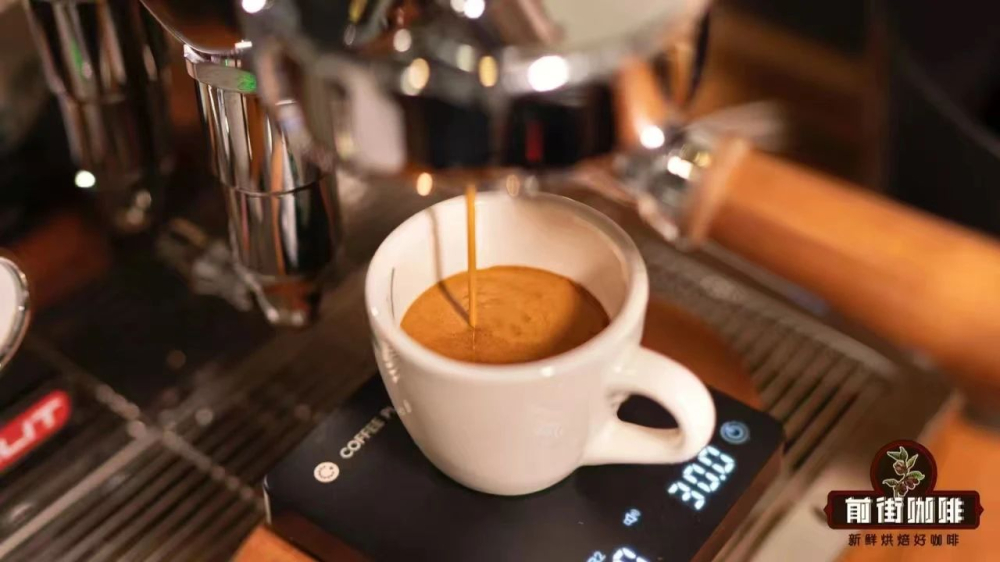
Front Street Coffee here offers a set of starting reference values for espresso extraction: use 20 grams of grounds (with a double espresso basket), extract 40 grams of coffee liquid at a 1:2 coffee-to-water ratio under 9 bar pressure, and keep the time between 25 and 30 seconds. After extraction is complete, fine-tune the parameters based on the flavor performance actually tasted.
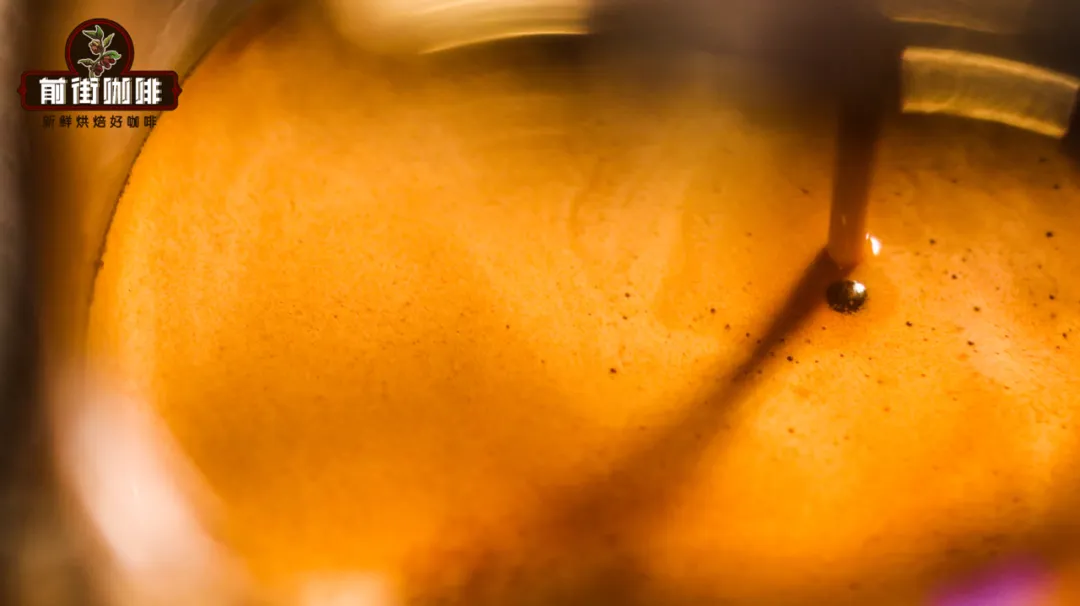
A satisfying Espresso should have several hallmarks: a golden crema covering the surface, an intact crema layer with no holes and no exposed coffee liquid beneath it, and a rich aroma. On the palate it should be smooth and free of grittiness, with a slight acidity amid the intense coffee flavor, strong but not burnt-bitter, and finishing with a clean sweetness that can be clearly felt in the throat and on the tongue.
The Preparation Steps for Americano and Espresso
For bean selection, Front Street Coffee recommends using beans specifically designed for espresso extraction. You might consider [Front Street. Specialty Espresso Blend Coffee Beans]. This blend combines the formulation ideas of two major producing regions, Brazil and Colombia. Whether used for espresso or Americano, its performance is quite stable, with a rich chocolate aroma on entry, a fascinating nutty note emerging in the middle, and a remarkably long sweet finish that is deeply loved.
If you are more sensitive to the bitterness of coffee, you might try Front Street. Strawberry Candy Espresso Blend. This bean uses a medium roast, and the blend is composed of Front Street Costa Rica Tarrazu, known for its honey processing, Ethiopia, the birthplace of coffee, and Colombian coffee beans. The espresso blended this way has low pungency, and after extraction through the coffee machine it shows good crema with a dense texture, while presenting a sweet-and-sour flavor reminiscent of strawberry gummies. It is very suitable for making Americano or latte.
Many coffee enthusiasts who come to Front Street and see the barista operating the coffee machine behind the bar feel admiration and wonder how they manage such a seemingly complex machine. In fact, what the barista masters is simply the detailed steps for making espresso; as for how the machine operates internally, most baristas cannot explain it clearly either. So today, Front Street will introduce the specific process for making espresso, using Front Street Coffee's daily operating standards as an example:
Step 1: Wipe the basket and confirm that the inside of the basket is dry and free of residual moisture
Step 2: Weigh the coffee grounds, using an electronic scale to weigh out the required amount of grounds, with the error controlled within plus or minus 0.1 grams
Step 3: Distribute the grounds
Step 4: Tamp the grounds
Step 5: Knock on the portafilter
Step 6: Press the button to extract
Step 7: Knock out the portafilter and clean the group head.
Front Street espresso extraction recommendation: 20 grams of grounds, 40 grams of extracted coffee liquid, 30 seconds
At this point, a serving of espresso is considered fully extracted. However, for most people, its concentration is ultimately too high, and drinking it directly is not easy to accept, so it is usually mixed with milk or drinking water and made into a latte or Americano before drinking, which makes the taste much friendlier.
At Front Street, the usual order for making iced Americano is to first prepare 100 grams of ice cubes, then pour in 120 grams of drinking water, and finally pour Front Street Specialty Blend espresso over it, and a standard iced Americano is complete. As for hot Americano, simply replace the ice water with 160 to 200 grams of warm water, then pour Front Street Specialty Blend espresso over it, and it is done.
The above content is compiled by CoffeeHunters, a coffee news website.


