







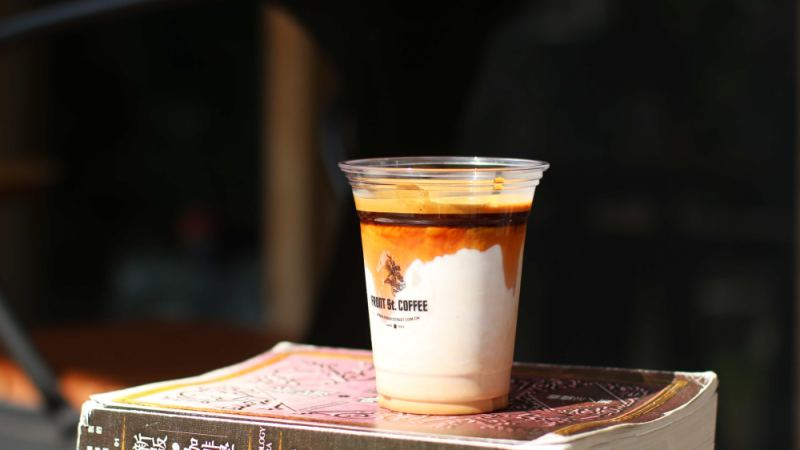
Espresso is one of the most fundamental coffee categories in cafés worldwide, serving as the base for drinks like Americano, latte, and cappuccino. From the perspective of Front Street Coffee, this article introduces espresso's flavor characteristics, taste expression, and the respective suitable production directions for blend beans and single-origin beans (SOE). The article also provides initial extraction reference parameters for espresso and explains the differences in mouthfeel between Americano and espresso, helping coffee enthusiasts understand espresso more systematically and choose a suitable way to drink it based on their own acceptance.

For more specialty coffee knowledge, please follow our WeChat official account: Front Street Coffee
Espresso is renowned worldwide and is an indispensable base for many coffee drinks. Common café beverages such as Americano, latte, and cappuccino all require espresso as their foundation. In this article, Front Street Coffee explores the unique charm of espresso with everyone.
Characteristics of Espresso
Many friends, when drinking espresso on its own for the first time, are struck by its intense flavor impact and can't help but exclaim, "Why is it so bitter!" Front Street Coffee believes that an ideal espresso, while certainly intense in flavor, should have a bitterness that is pleasant and brings a noticeable sweet aftertaste.
If the espresso you drink presents a pronounced scorched bitterness upon entry and leaves your throat feeling tight after swallowing, it is most likely that the coffee beans were not roasted appropriately, or something went wrong during the extraction of that espresso.
Taste Expression of Espresso
What flavor espresso ultimately presents is mainly determined by the coffee beans' own flavors; however, whether the coffee can display a reasonable and balanced taste depends on whether the extraction process is proper.
If you want to drink a rich, balanced, and stable espresso, Front Street Coffee recommends choosing espresso made with blend beans. The advantage of blend beans is that they can avoid the unpleasant flavors that single-origin (i.e., single-region) coffee beans may produce during pressurized extraction. Therefore, beans from different regions with different flavor characteristics are often combined in different proportions to complement each other, and then through medium-dark roasting, the espresso can maintain richness and stability over the long term.
"Front Street Coffee - Specialty Blend Coffee Beans": An espresso coffee bean primarily featuring nutty aromas. Made from Colombian washed coffee beans (30%) + Brazilian semi-washed coffee beans (70%), it has flavor notes of nuts, dark chocolate, and caramel.
If you want to drink an espresso with rich, delicate flavor layers, Front Street Coffee recommends trying SOE coffee made with single-origin coffee beans (single-origin beans). SOE has a highly recognizable regional flavor, allowing the espresso itself or espresso-based products to also possess lively flavor expression similar to pour-over coffee.
Recommended coffee beans: "Front Street Coffee - Costa Rica Strawberry Candy Coffee Beans." This medium-roast coffee bean, when extracted as SOE, can express the sweetness of dried fruit, red floral notes, and berry-like sweet-tartness.
"Front Street Coffee - Costa Rica Mozart Coffee Beans." This medium-roast coffee bean, when extracted as SOE, can express raisin sweetness, subtle floral notes, and berry-like sweet-tartness.
How to Extract Espresso?
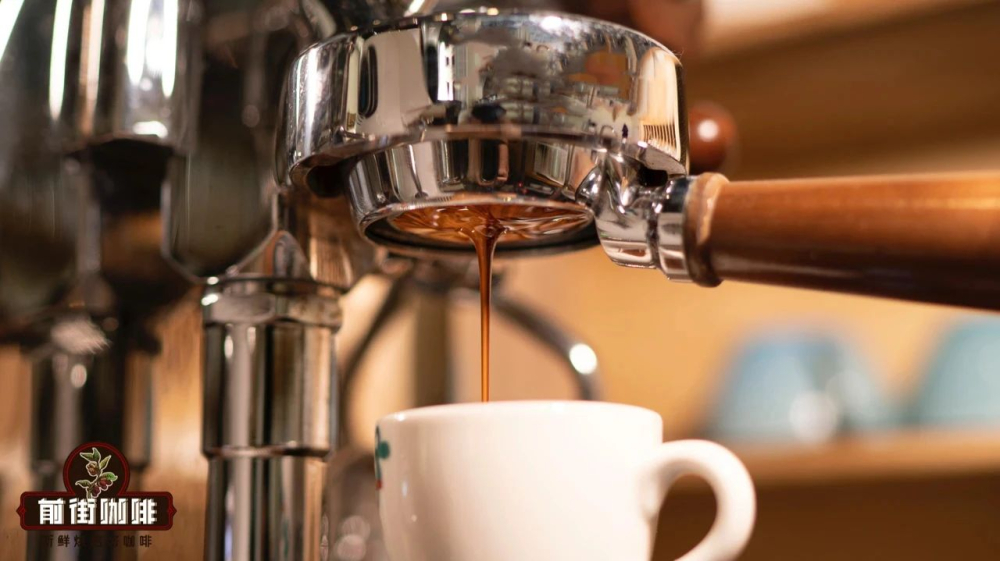
Espresso extraction parameters need to be flexibly adjusted according to different coffee machines, grinders, and the coffee beans used. Here, Front Street Coffee provides an initial extraction reference data for espresso: use 20g of grounds at a 1:2 ratio & 9 bar pressure to extract 40g of coffee liquid, in 25-30 seconds. Then make corresponding adjustments based on the flavor expression of the coffee after actual extraction.
Mouthfeel Differences Between Espresso and Americano
Americano = Espresso + Water, so Americano is essentially diluted espresso. Some coffee flavors only emerge after a certain degree of dilution, so although Americano is less concentrated than espresso, it is more easily accepted by the general public.
If you really can't accept espresso all at once, you can dilute it into Americano, and then increase/decrease the dilution ratio according to your own acceptance.
The above content is compiled by CoffeeHunters, a coffee news website.


