







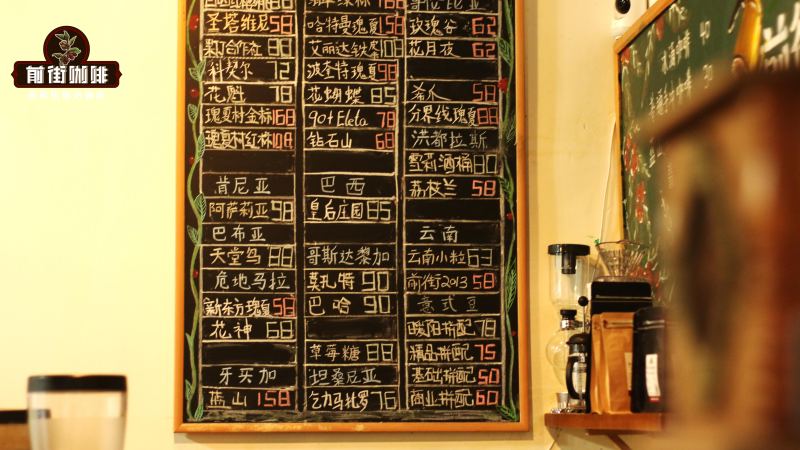
What is the difference between americano coffee and espresso?
Espresso is forced through a coffee bed with high-pressure steam in a short time, producing a small, intense cup topped with golden foam. Americano is espresso diluted with hot water, which makes it easier to drink. Espresso also serves as the base for lattes and cappuccinos, so it underpins most café menus.
Early coffee was mostly brewed by immersion and took ten minutes or more. Espresso emerged in the early nineteenth century when Italians used steam pressure to extract rich coffee within seconds. For home Americanos, beans such as a classic blend, a strawberry candy blend, or a sun-dried SOE suit different preferences, from bold to fruity to mildly acidic.
Espresso and Americano are the two foundational concepts for coffee beginners, yet many enthusiasts still have questions about the differences between them and how to make them at home. Espresso is extracted through high-pressure steam in a short time, delivering intense flavors, and serves as the base for drinks like lattes and cappuccinos; Americano, on the other hand, is made by diluting espresso with water, making it easier to drink. This article will systematically break down the differences between these two types of coffee, from extraction principles and flavor characteristics to specific brewing methods, and offer purchasing recommendations for three coffee beans—Front Street Classic Blend, Strawberry Candy Blend, and Sun-Dried Huakui SOE—to suit different taste preferences: rich and bold, fruity and floral, or mildly acidic without bitterness—helping readers make a satisfying cup of Americano at home.
Espresso and Americano are the first two terms coffee beginners encounter. They can be found all over the world, yet many people still can't tell the difference between them or figure out how to make them at home. Today's article will answer these questions one by one.
Espresso, also known as espresso coffee
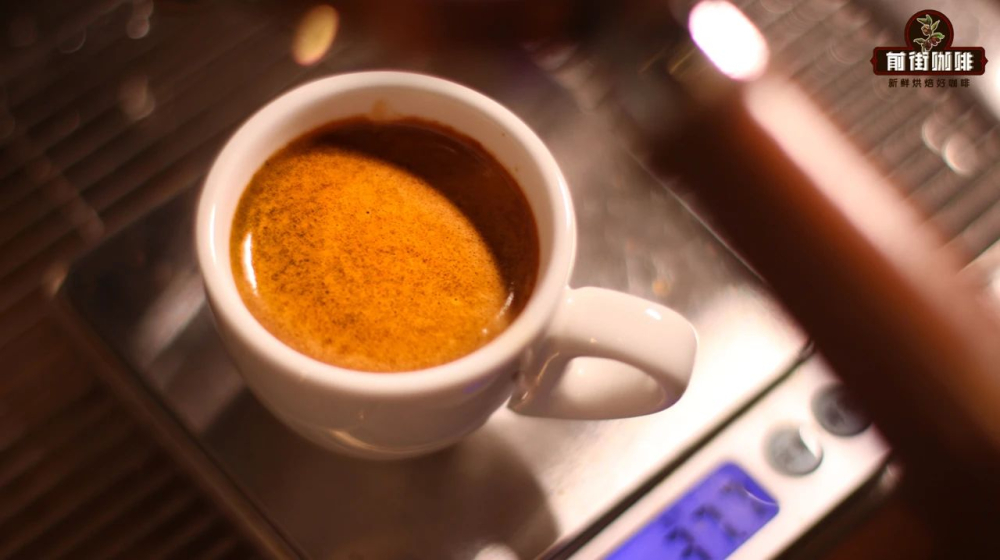
Espresso is made by forcing hot water under steam pressure rapidly through a bed of coffee grounds, extracting a small cup of rich, aromatic pure black coffee liquid topped with a golden foam. Although its name isn't often seen directly on café menus, it serves as the base for common drinks like Americanos, lattes, and cappuccinos, making it the soul of any coffee shop.
Early coffee was mostly brewed using immersion methods, requiring finely ground coffee beans and a slow extraction process that took at least ten minutes or more. Espresso was born in the early nineteenth century. To allow rich coffee to be extracted in a short time, Italians came up with the idea of using steam pressure. Within tens of seconds, high pressure pushes hot water into the coffee puck, extracting the soluble aromatic compounds. It is precisely because of the extremely short extraction time and very high pressure that espresso's flavor is so remarkably intense. To get a good shot of espresso, you must be more rigorous in your technique—every parameter that affects flavor needs careful consideration.
When someone orders "Give me an Espresso," the barista gets to work, and two minutes later serves a glass of water alongside a small cup of rich coffee liquid with a golden-brown crema layer. Before drinking espresso, take a sip of water to rinse your mouth so it doesn't affect your sense of taste. A standard espresso has a rich crema and a full-bodied mouthfeel, with flavors that vary according to the coffee beans used. So when making Americano at home, you can simply choose based on your taste preferences:
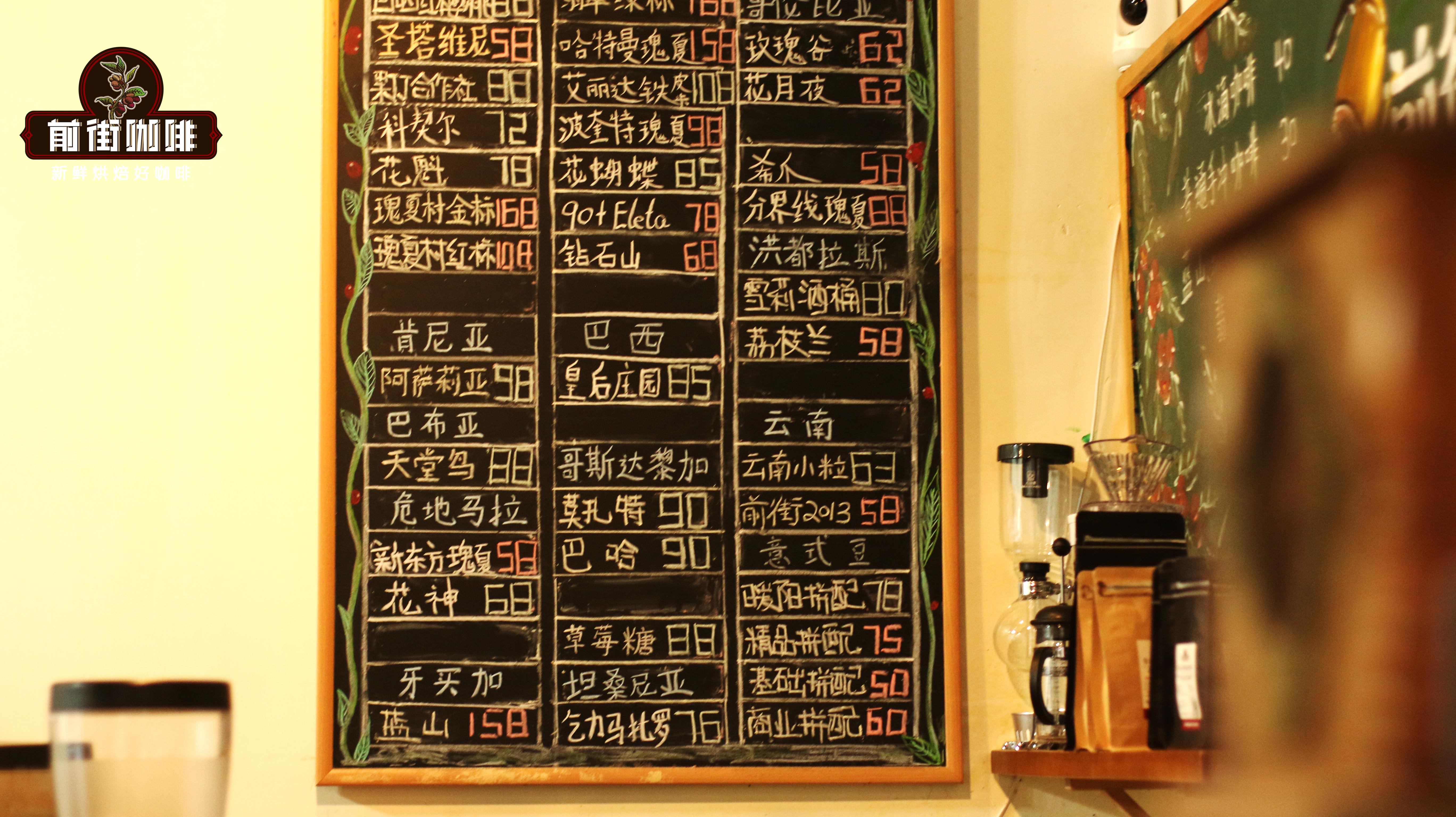
If you like a rich, full-bodied Americano, buy Front Street Classic Blend espresso coffee beans
Origin: Brazil, Indonesia, Vietnam
Roast level: Medium-dark roast
Flavor: Rich crema, high body, nuts, caramel, butter, dark chocolate
If you don't like bitterness and want an Americano with fruity and floral notes, buy Front Street Strawberry Candy espresso blend coffee beans
Origin: Costa Rica, Colombia, Ethiopia
Roast level: Medium roast
Flavor: Ripe grapes, jam, cream, rose, almond
If you like an Americano with acidity and no bitterness, choose Front Street Sun-Dried Huakui SOE coffee beans
Origin: Ethiopia
Roast level: Medium roast
Flavor: Berries, citrus, guava, dried mango, caramel
When tasting a freshly extracted espresso, Front Street will first smell the coffee's aroma—for example, espresso made with Front Street Strawberry Candy Blend carries aromas of berries, rose, grapes, and almond. You can drink it directly or add sugar, milk, or other additions.
Use the provided metal spoon to gently stir and blend the coffee liquid. The first sip delivers a dense crema and a full roasted aroma. Next comes the warm coffee liquid, where you can taste rich sweetness and acidity, cream, grape, blueberry, and dried strawberry flavors. Take another sip of water midway through to feel the sweet, lingering aftertaste in your mouth.
Americano
Americano is a type of black coffee made from espresso and water, with no other additives. During World War II, coffee was hugely popular among the American military, but Americans couldn't get used to the strong, bitter taste of espresso, so they diluted it with water to reach a concentration they could accept. Later, Italians who opened cafés in America "did as the Romans do" and introduced a "watered-down coffee" based on espresso, and it became hugely popular ever since.
Americano has no fixed ratio—each shop has its own standards, with the goal of presenting the coffee's flavor and mouthfeel. Based on Front Street's repeated testing and tuning, the ratio is 1:5—pour 40 grams of coffee liquid into 200 grams of hot water at 88°C, and your hot Americano is ready.
If making iced Americano, replace the hot water with 120 grams of ice cubes and 120 grams of room-temperature water. It tastes best before the ice melts.
The above content is compiled by CoffeeHunters, a coffee news website.


