








What makes coffee cultivation in Cajamarca distinctive?
Cajamarca, in western Peru, has grown coffee since the late 19th century, when European immigrants brought the crop to the region. The Andes run the length of the country, creating desert, tropical rainforest, and mountain climates that suit coffee. Most farms are smallholdings of 1 to 10 hectares, and typical varieties are Caturra, Typica, and Bourbon.
Farmers intercrop coffee with bananas, avocados, and corn, a practice that helps maintain soil fertility and shapes the beans' flavor. Cups from the region show caramel, cocoa, berry, apple, and plum notes, with medium acidity and good body. Knowing where do they grow coffee beans like these helps explain why the cup profile stays consistent.
In western South America, Peru is traversed from north to south by the Andes Mountains, whose complex terrain and diverse climates provide exceptional conditions for coffee cultivation. Cajamarca, an important coffee-producing region in Peru, has a planting history that dates back to the late 19th century. Today it is dominated by smallholder farmers, and coffee is often intercropped with bananas, avocados, corn, and other crops. The coffee beans produced here often carry flavors of caramel, cocoa, berries, apple, and plum, with medium acidity and good body. This article will introduce Cajamarca's terroir conditions, variety structure, cultivation methods, and processing methods, and explain where its signature flavors come from. Front Street Coffee will also combine the characteristics of the region to recommend a Peruvian Cajamarca coffee worth trying.
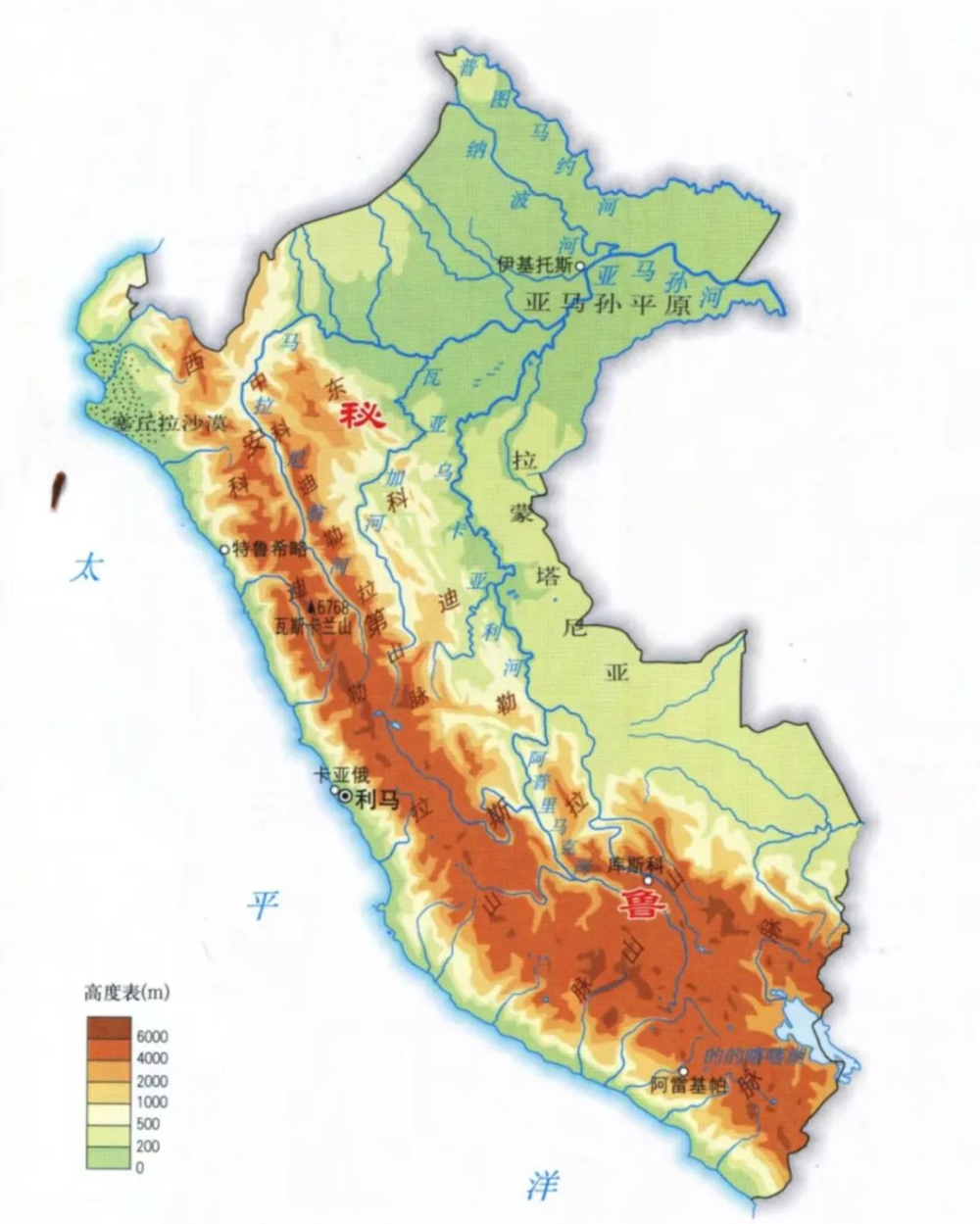
Peru is located in western South America, neighboring coffee-producing countries such as Ecuador, Brazil, and Colombia. The Andes Mountains run through the entire country from north to south, and mountainous areas account for about one-third of the national territory. Influenced by complex geographical conditions, Peru has a rich variety of climate types: the west coast has a desert steppe climate, the east has a tropical rainforest climate, and the center has a tropical mountain climate with relatively more summer rainfall, while temperature and humidity decrease as altitude rises.
These diverse climatic conditions create an excellent natural foundation for coffee cultivation in Peru. Local farmers mainly grow varieties such as Caturra, Typica, and Bourbon, and the resulting coffee often has chocolate and nutty aromas, moderate fruit acidity, and a smooth entry.
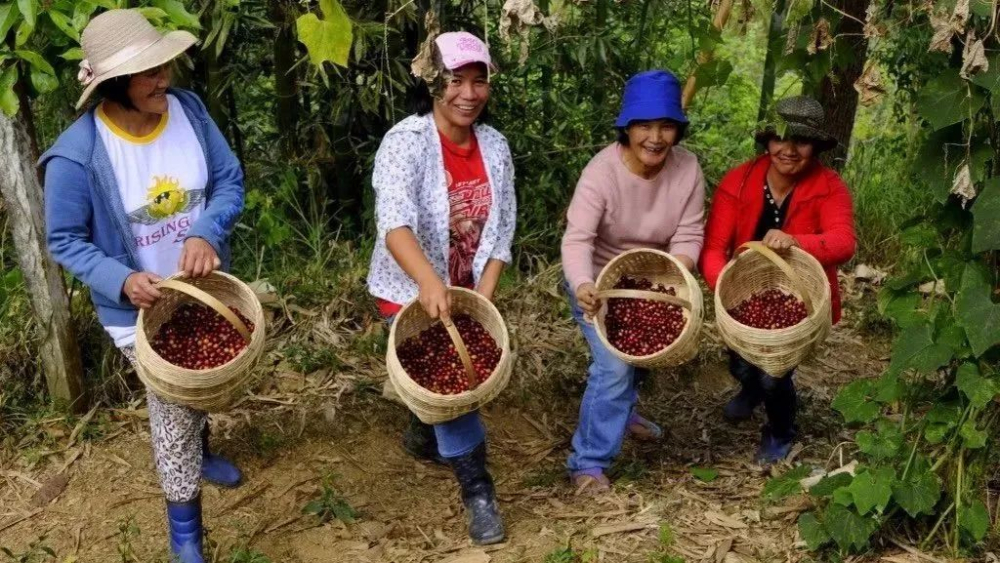
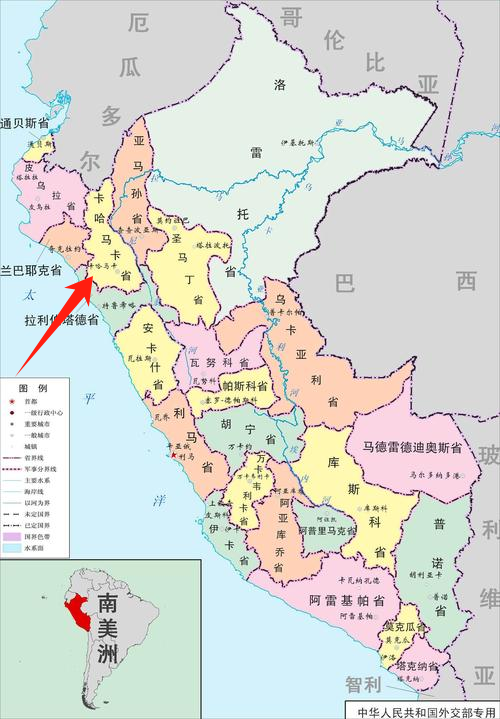
The coffee cultivation history of Cajamarca can be traced back to the late 19th century, when European immigrants introduced coffee to this region. After long-term development, coffee gradually became an indispensable part of the local economy and culture. In Cajamarca, coffee is mostly grown by smallholders with 1 to 10 hectares of land. They continue to use traditional and sustainable farming methods, usually intercropping coffee with plants such as bananas, avocados, and corn. This model helps maintain soil fertility and also contributes to the unique flavor expression of the coffee beans.
The processing methods used by farms in this region are not uniform. Most coffee is processed by the washed method, but some farmers also try different paths such as honey processing and natural processing to create more unique and complex flavors.
In addition to the classic caramel and cocoa aromas, coffee produced in Cajamarca usually also presents flavors of berries, apple, and plum, with medium acidity (slightly higher than some other Peruvian producing regions), good body, and a smooth mouthfeel. When selecting coffee, Front Street Coffee also pays attention to washed lots from this producing region; their sweetness and nutty tone are suitable for pour-over or espresso blends.
Disclaimer: Some images in this article are from the internet. For some content on the website, such as images, we will respect the original author's copyright and indicate the source. However, due to the large quantity, a few images and texts may not have been credited in time. Please understand. If the original author has any dispute, they may contact the website for handling. Once verified, we will correct it immediately. Compiled and edited by "Coffee Review vdailycom." Please indicate the source when reprinting. This article is intended to spread coffee culture. If there is infringement, please inform us for deletion. Thank you~!
The above content is compiled by CoffeeHunters, a coffee news website.


