







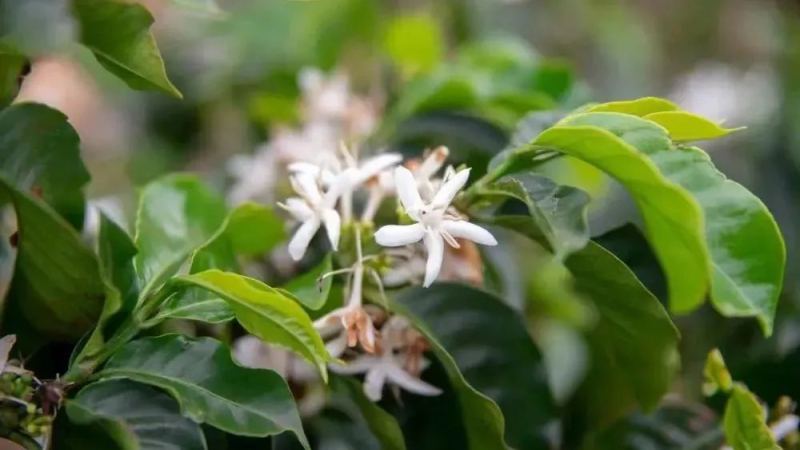
Eugenioides: The Maternal Ancestor Behind Arabica Coffee
Coffea eugenioides is one of the two parent species that naturally crossed to create arabica coffee. This rare plant grows wild in the highlands of East Africa, particularly around Lake Victoria. While it produces fewer cherries and lower yields than commercial varieties, its genetic contribution shaped the flavor profile of the world's most commonly cultivated coffee species. Researchers study eugenioides to understand how arabica inherited its mild acidity and aromatic complexity.
The flavors of eugenioides itself are delicate and tea-like, with notes of jasmine, honey, and stone fruit. Its caffeine content is notably lower than robusta but similar to arabica. Unlike liberica coffee, whose caffeine content varies widely, eugenioides maintains a consistent mild profile. Today, some specialty farms in Kenya and Uganda cultivate eugenioides as a standalone crop, offering drinkers a chance to taste the ancient maternal line of arabica.
Among the three major coffee species, Arabica stands out with its exceptional quality, and famous varieties such as Typica, Bourbon, and Geisha all belong to its lineage. Yet few people know that Arabica's origin is actually an ancient variety called "Eugenioides." In 2021, it claimed both the WBC and WBRC championships in one fell swoop, with a flavor reminiscent of sweet tea and tropical fruits, while its caffeine content is only half that of ordinary Arabica. But behind this stunning achievement lie extremely low fruiting rates, fragile trees, and an annual yield of only 150 to 320 grams per tree. Currently, only a few estates in Colombia are conducting experimental cultivation worldwide, making it a truly rare treasure in the coffee world.
The coffee world boasts a vast array of varieties, but ultimately they can be divided into three major categories: Arabica, Robusta, and Liberica. Among them, Arabica, with its outstanding flavor profile, is undoubtedly the star of the specialty coffee realm. The familiar Typica, Bourbon, Caturra, Geisha, and others all without exception belong to the extended Arabica family. High-altitude growing conditions, slow growth rhythms, and delicate varietal characteristics together create the exceptional quality and precious value of Arabica coffee. And "Eugenioides" is precisely the bloodline origin of Arabica, having given rise to the diverse array of coffee varieties through the long processes of transplantation, mutation, and hybridization.
In 2021, Eugenioides took first place in both the World Barista Championship (WBC) and the World Brewers Cup (WBRC), instantly gaining widespread fame.
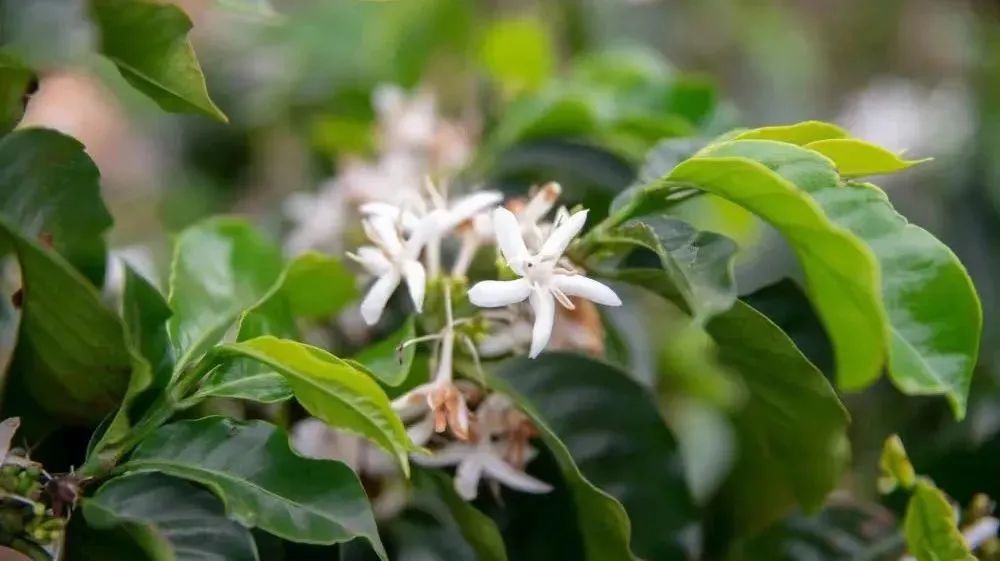
Eugenioides has only half the caffeine content of ordinary Arabica, with a flavor that is truly one of a kind. It is smooth on the palate with a prominent sweetness, and the sharpness of citric acid is almost imperceptible, leading many coffee enthusiasts to describe it as "a coffee that doesn't taste like coffee." When tasting, one can often detect aromas reminiscent of sweet tea, passion fruit, and jackfruit.
Despite its outstanding flavor, Eugenioides is an extremely rare coffee crop. Its tree is medium-to-small in size, with leaves and cherries much smaller than other coffee varieties. It is frail in constitution, has an extremely low fruiting rate, and its cherries drop easily—once strong winds occur, serious losses can result. Therefore, the cultivation process requires more time and effort for meticulous care, and yields remain consistently low. A single tree produces only about 150 grams of roasted coffee beans; if cultivated in a greenhouse, each tree can yield approximately 320 grams of green coffee beans.
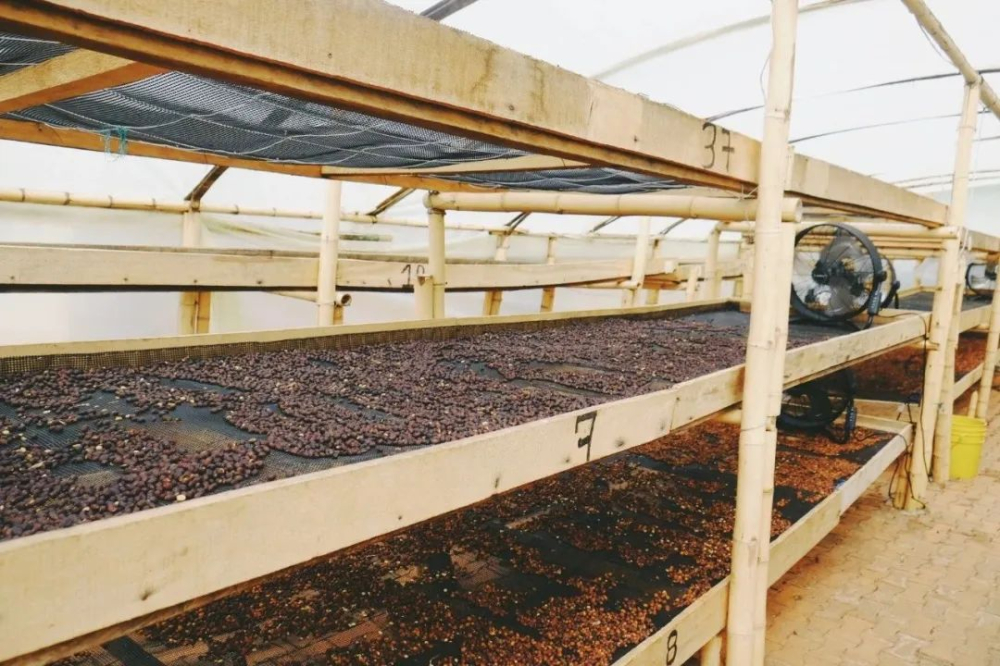
The native home of Eugenioides is hidden deep in the mountains of East African coffee-producing countries. It remains uncommon on the market today because it requires meticulous management and its yield is very limited. Against the backdrop of intensifying climate change and increasingly severe problems such as pests and coffee leaf rust, coffee farmers are unwilling to take on high risks to grow it, so this variety mostly exists in the form of rare varieties or experimental plantings. At present, the cultivation of Eugenioides mainly comes from Finca Inmaculada Concepción and Finca Nubes in Colombia, with global total production being extremely scarce. Front Street Coffee has also followed and recommended this rare variety, bringing coffee enthusiasts a rare opportunity for tasting.
Disclaimer: Some images in this article are sourced from the internet. For some content on the website, such as images, we will respect the original author's copyright and indicate the source. However, due to the large volume, some images and text may not have been credited in time. Please forgive us. If the original author has any disputes, they may contact the website for resolution. Once verified, we will immediately correct it. Compiled and edited by "Coffee Review vdailycom." Please indicate the source when reposting. This article aims to spread coffee culture. If there is any infringement, please inform us for removal. Thank you~!
The above content is compiled by CoffeeHunters, a coffee news website.


