







Search Results for: IHCAFE
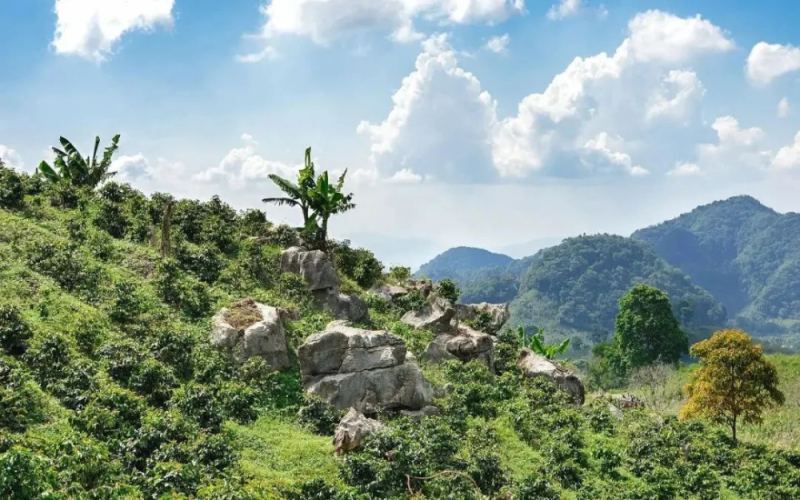
A Complete Analysis of Honduran Coffee Varieties: Characteristics and Origins of Pacas, Lempira, IHCAFE 90, and H3
Honduras, as a major global Arabica coffee-producing country, has a coffee industry strongly driven by the National Coffee Institute (IHCAFE). The varieties cultivated within its borders are rich and diverse, including Bourbon, Caturra, Catuai, Pacas, Lempira, IHCAFE90, H1, and H3, among others. This article will focus on four varieties—Pacas, Lempira, IHCAFE90, and H3—sorting through their origins, genetic backgrounds, cultivation characteristics, and current challenges. At the same time, the article also mentions the Honduras Sherry barrel-processed beans used by Front Street Coffee, and their variety composition and flavor performance are shared as well. [more…]
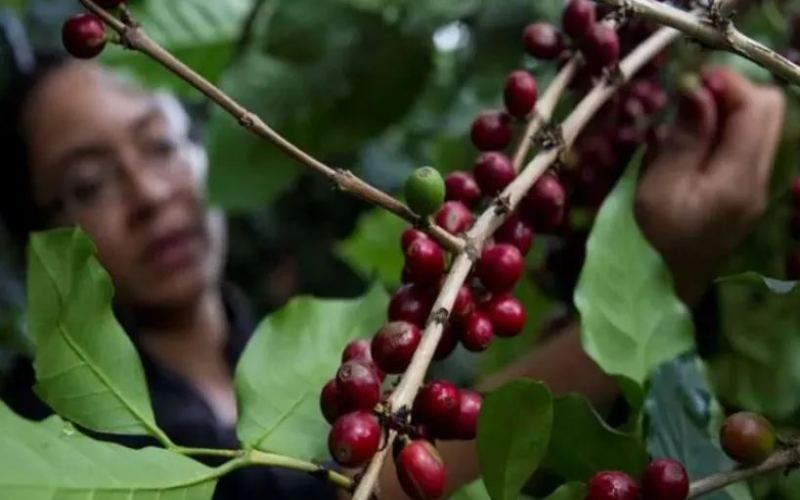
Drought and Coffee Berry Borer Deal a Double Blow, Honduras Coffee Production Under Pressure in the New Crop Season
The Honduran coffee industry is facing severe challenges. According to Napoleón Matute, manager of the country's coffee institute (IHCAFE), the drought triggered by El Niño has caused nationwide rainfall to plunge by 40 percent compared with the same period last year, seriously threatening the coffee flowering period and hindering fruit development. At the same time, the coffee berry borer is spreading unchecked across plantations. This pest, reputed to be the most destructive coffee pest in the world, bores into the fruit, reducing both yield and quality. Under the combined effect of drought and pest infestation, Honduran coffee may suffer a double blow in the next harvest season. Matute called on growers to strengthen crop monitoring, and IHCAFE will continue to track the disaster. Although the extent of the yield reduction has not yet been quantified, the losses are expected to be considerable. [more…]
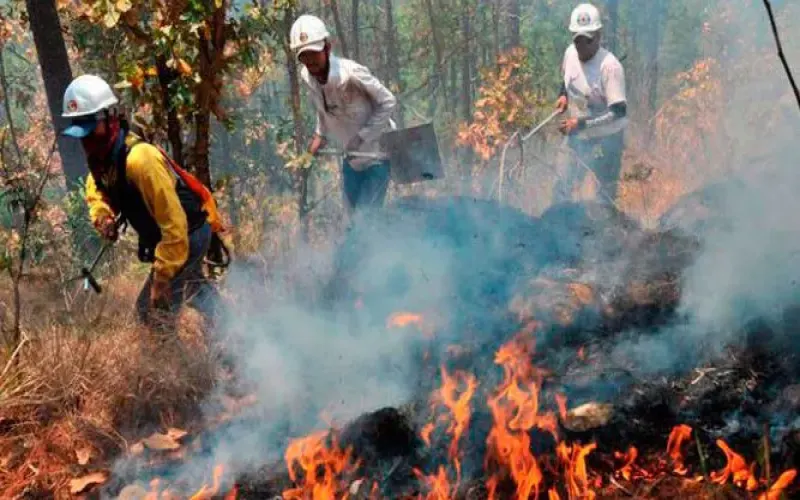
Honduras Ravaged by Wildfires and Extreme Weather, Coffee Industry Faces Risk of Reduced Production
Since 2024, multiple Latin American countries have experienced historic high temperatures and droughts. Honduras is enduring its hottest and driest year since 1992, with maximum temperatures reaching 38-40°C. A total of 1,903 forest fires have broken out nationwide, destroying over 150,000 hectares of forest. Although the main coffee-producing regions have not yet been directly hit by the wildfires, rainfall has decreased by nearly 40% compared to the same period last year, hampering the growth of coffee plants during their flowering period. More critically, El Niño has not yet subsided, while La Niña is highly likely to arrive, and the threat of hurricane season is imminent. The Honduran Coffee Institute (IHCAFE) has already issued a warning about next season's output. Front Street Coffee will continue to monitor developments in the producing regions and bring first-hand information to enthusiasts. [more…]
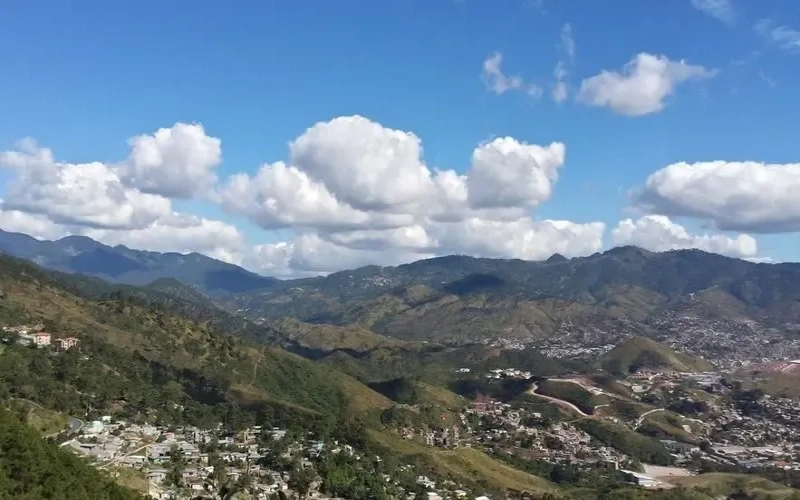
Analysis of Coffee Characteristics in Honduras' Opalaca Region and the Renowned La Fresa Estate
Honduras, with its high-altitude mountains, volcanic soil, and diverse climate, has become a major specialty coffee producer in Central America. Its coffee institute, IHCAFE, divides the country into six major producing regions. Among them, the Opalaca region, though less famous than Montecillos and Comayagua, is known for its delicate acidity and tropical fruit and lemon flavors. This article will trace the development of Honduran coffee, provide an in-depth analysis of the terroir conditions of the Opalaca region, and introduce the well-known estate La Fresa in this region and its story of winning third place in the 2023 Cup of Excellence (COE). At the same time, Front Street Coffee will also recommend related products to help you savor the charm of this land. [more…]
A Panoramic View of Honduran Coffee Regions: An Analysis of Six Major Origins and Varieties from Copán to El Paraíso
Honduras is the second-largest coffee exporter in Central America and the tenth-largest in the world. Most of its 280,000 hectares of coffee farms are run by smallholder farmers. The Honduran Coffee Institute (IHCAFE), founded in 1970, divides the country into six major regions: Copán, Opalaca, Montecillos, Comayagua, Agalta, and El Paraíso. Due to differences in altitude, rainfall, and microclimate, each region presents distinct flavors such as chocolate, tropical fruit, and lemon blossom. Front Street Coffee takes you through the terroir characteristics and main cultivated varieties of these regions, including Bourbon, Catuai, Pacas, Lempira, Typica, and Caturra. [more…]
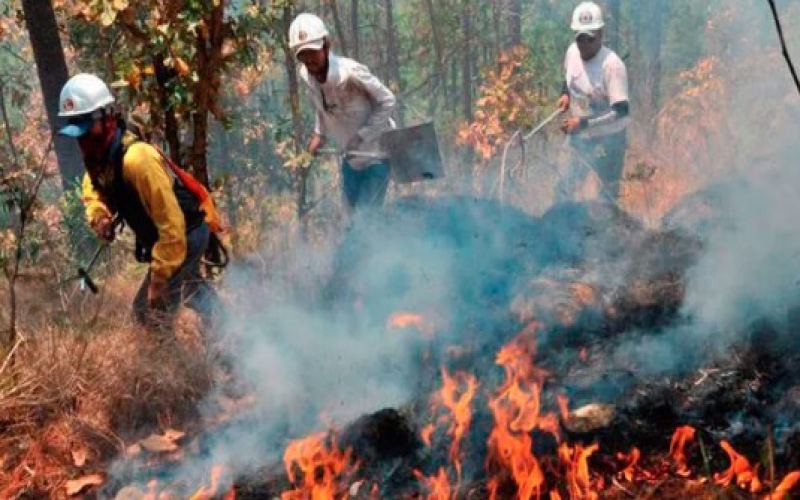
The high temperature in the Americas continues! The coffee industry in Honduras is affected.
Recently, due to the impact of bad weather in the local area of Honduras, the Honduras Coffee Research Institute (IHCAFE) is concerned about the future coffee output. According to the data released recently by the Honduras Forest Conservation Institu [more…]

Exploring Honduras' Sweet Orange Estate: The Rise of High-Altitude Specialty Coffee and the Secret to Its Frequent Wins at the Cup of Excellence
Honduras has performed impressively on the international coffee stage in recent years, with its export volume now ranking third in Latin America and fifth globally. From early industry lag to today's frequent emergence of specialty coffees, this Central American country has completed a remarkable transformation. Among them, El Naranjo estate, located in the Marcala region, has become one of the representative estates of Honduran specialty coffee thanks to its high altitude of 1,800 meters, the careful cultivation of Catuai and Geisha varieties, and its strong track record of multiple Cup of Excellence (COE) awards. Front Street Coffee takes you on an in-depth look at this estate, named after the orange trees used for shade, exploring its flavor characteristics, management philosophy, and sustainable development practices. [more…]
An Overview of the Honduran Coffee Industry: Development Trajectory, Six Major Regions, and Analysis of Barrel-Fermented Flavors
In the coffee landscape of the Americas, Honduras is often overshadowed by names like Brazil and Colombia. Yet this mountainous Central American nation, with its unique geographic conditions and its industry push in recent decades, has risen to rank among the world's important coffee origins. From coffee's introduction in the late 18th century, to the founding of the dedicated agency IHCAFE in 1970, to surpassing Costa Rica and Guatemala in production in 2011, Honduras has walked a winding yet resolute coffee road. This article will systematically trace the country's coffee history, its six core producing regions, the current state of smallholder farming, and the diverse post-processing methods that have emerged in recent years—especially the sherry cask fermentation method with its notes of whisky and vanilla—to give you a comprehensive understanding of this coffee nation worthy of attention. [more…]
Honduran Coffee Bean Grading System, Flavor Characteristics, and the Stories Behind the Geographical Indications of Eight Major Producing Regions
Honduras, as an important coffee-producing country in Central America, has seen its coffee industry undergo a transformation from rudimentary processing to specialty-grade refinement. This article will guide you through Honduras's coffee bean grading standards, the distribution of its six major regions and eight sub-regions of western coffee, as well as the country's first government-protected geographical indication system. At the same time, we will also share Front Street Coffee's brewing recommendations for Honduras's Sweet Orange Estate, helping coffee enthusiasts better savor the unique flavors of this Central American origin. [more…]
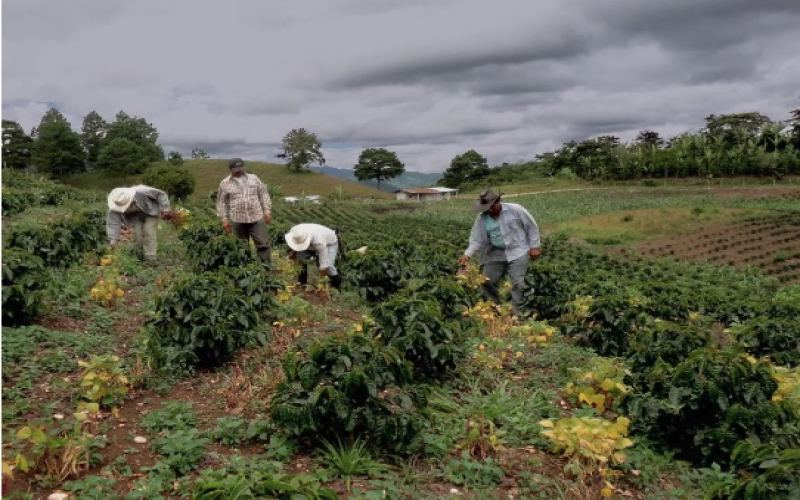
Honduras | Introduction to Coffee Growing Regions and Varieties
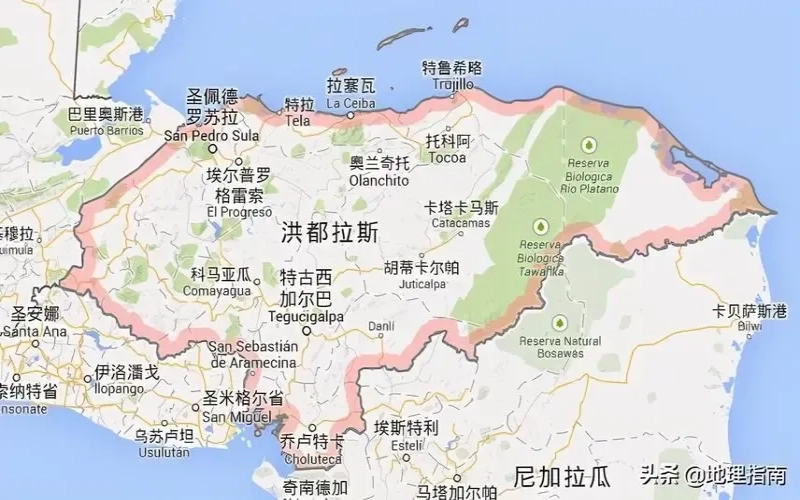
The full name of Honduras is the Republic of Honduras (República de Honduras), which is located in the northern part of Central America, bordering the Caribbean Sea to the north, the Gulf of Fonseca on the south side of the Pacific Ocean, and also ad [more…]
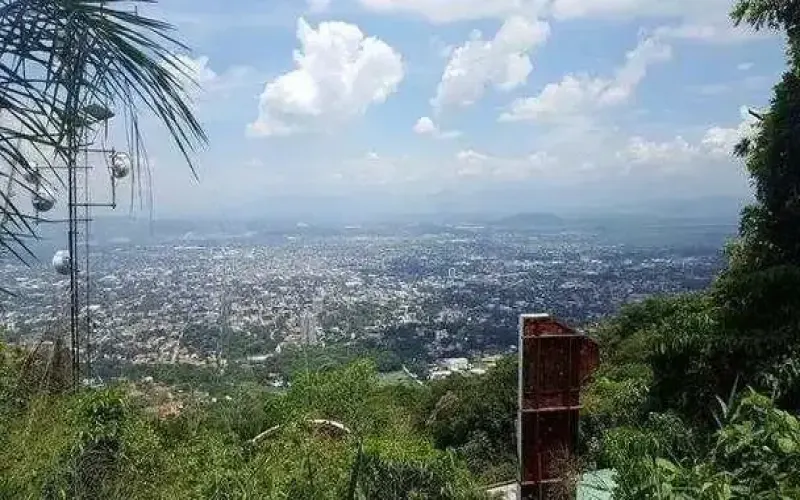
Exploring Honduras Coffee Regions: The Terroir Characteristics of Comayagua and Its COE Performance
The Central American Volcanic Belt has nurtured many high-quality coffee origins. Honduras, as Central America's second-largest and the world's tenth-largest coffee exporter, has achieved impressive results in both output and quality thanks to its high-altitude mountains, volcanic soil, and diverse climate. Among its six major producing regions, Comayagua has risen to prominence in recent years, known for its lemon flavor, creamy full body, and chocolate notes. At the 2023 COE Cup of Excellence, El Gravileo farm from this region ranked 18th with a score of 88.07, becoming the region's only winner. This article will guide you through the historical context of Honduran coffee, the terroir conditions of Comayagua, and the story of this farm's competition journey. [more…]
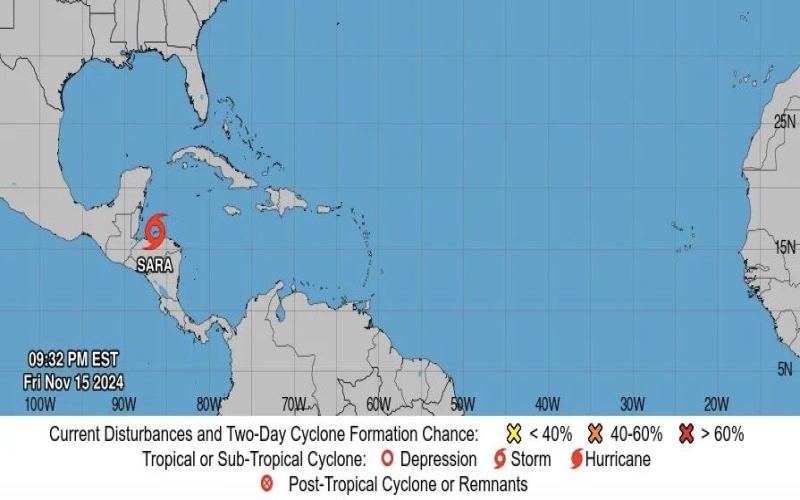
Tropical Storm Sara Devastates Honduras: Coffee Exports Disrupted, Arabica Futures Prices Hit Record High
The 18th named storm of the 2024 Atlantic hurricane season, "Sara," made landfall in northern Honduras, affecting nearly 33,000 people, and the president declared a 30-day national state of emergency. Torrential rain, flooding, and mudslides not only destroyed roads and disrupted port operations, but also struck just before the coffee harvest season, potentially dealing a severe blow to the output and exports of the world's sixth-largest coffee producer. Combined with harsh weather in producing regions such as Brazil and Colombia, Arabica coffee futures prices have soared to historic highs. This article will sort out the specific impact of the storm on Honduras' coffee industry and follow how brands such as Front Street Coffee continue to track information from producing regions. [more…]
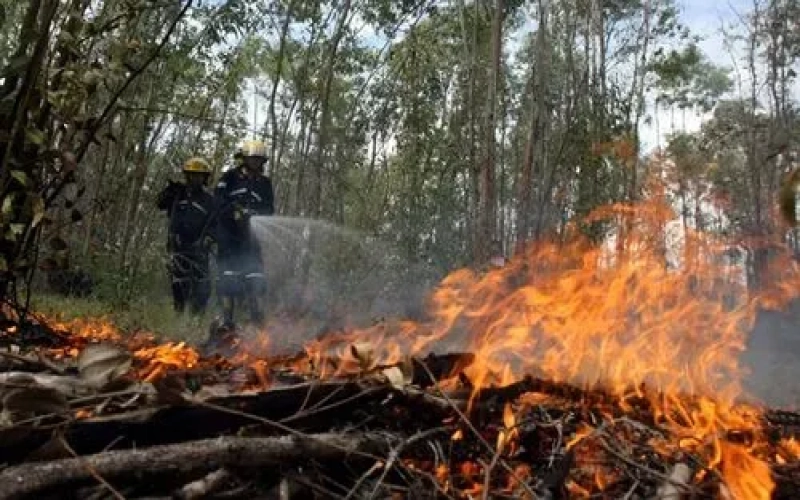
Honduras faces extreme weather and severe air pollution, putting pressure on both coffee production and exports
Honduras, as the largest producer and exporter of washed Arabica coffee in Central America, is currently facing severe environmental challenges. Persistent high temperatures and drought have triggered large-scale forest fires, causing air quality to deteriorate sharply, and an indefinite red alert has been activated in the central region of the capital. Meanwhile, the El Niño phenomenon has delayed the rainy season, with rainfall significantly lower than in previous years. The dual impact of air pollution and drought comes at a critical time for coffee tree growth and flowering, and major producing regions are likely to be severely affected. Export data for the 2023/24 season has already shown a downward trend, and the outlook for Honduras's coffee industry is concerning. [more…]
The Trend of Patenting Coffee Varieties Emerges: What Kind of Impact and Transformation Will Global Coffee Farmers Face?
Climate change, the spread of pests and diseases, deforestation, and continuously rising temperatures are posing severe challenges to global coffee production capacity. Some studies predict that by 2050, both the suitable cultivation areas and suitability levels of the world's top five coffee-producing countries will decline. To address this situation, many countries have established dedicated coffee research institutions, and multinational companies such as Starbucks and Nestlé have also set up their own R&D teams, committed to breeding new varieties with higher yields, better quality, stronger disease resistance, and adaptability to different environments. However, when variety research and development results led by private capital enter the market, the boundary issues of intellectual property and patent protection come to the surface. There are already precedents for plant patents, and Monsanto's genetically modified seed rights protection case is even more sobering. If coffee varieties are patented, what fate will small farmers and growers face? Front Street Coffee will continue to follow this issue. [more…]
Honduras Marcala Estate Barrel-Fermented Violet Coffee: A Full Analysis of Flavor, Region, and Variety
Honduras, as an important coffee-producing country in Central America, has gradually emerged in the international market in recent years. Located in the Lempira region, the Morade Estate has attracted the attention of many coffee enthusiasts with its barrel fermentation process and the unique flavor of its Violet coffee. This article will take you deep into the background of Front Street Honduras Violet Coffee's growing region, the estate's story, varietal characteristics, and its unforgettable flavor profile, unveiling the charm of this specialty coffee layer by layer, from rum and honeydew to vanilla and uva. [more…]

A Flavor Comparison of Specialty Coffee Regions in Africa and the Americas: Exploring the Terroir in the Cup from Kenya to Panama
The charm of specialty coffee largely stems from differences in terroir across producing regions—sunlight, rainfall, soil, altitude, and processing methods all leave their mark in the cup. Coffee trees thrive in the coffee belt between 25 degrees north and south latitude, with an ideal growing altitude of mostly 1,000 to 2,000 meters, an average annual temperature of 15 to 25°C, and annual rainfall of 1,500 to 2,000 millimeters. The rainfall pattern must also match the flowering cycle. In addition, well-drained, fertile soil rich in volcanic ash is required. The two major producing regions of Africa and the Americas, because of their different regional terroirs, present strikingly different flavor profiles: African coffees are known for intense aroma and bright fruity acidity, while American coffees are known for balance and a combination of acidity, sweetness, and aroma. This article will guide you through the flavor characteristics and representative beans of the two major producing regions, while retaining the related product recommendations from the Front Street brand. [more…]
What makes coffee from Honduras's Marcala region so unique? The right way to savor Central American coffee
Honduras, as the largest coffee producer in Central America, has a relatively lagging industry development. This article will introduce you to the country's coffee-growing history and the challenges of drying and storage it faces, with a focus on the three major producing regions of Montecillos, Copán, and Agalta, as well as the highest-quality Marcala region. You will also learn about the fair trade model and organic farming philosophy of the Marcala region, as well as Front Street Coffee's summary of Honduran coffee flavors—gorgeous fruit notes and bright acidity. Finally, we will share how to drink Honduran coffee to better appreciate its unique charm. [more…]
A Comprehensive Analysis of Caturra and Its Derived Varieties: Catimor, Catuai, Costa Rica 95, and Lempira
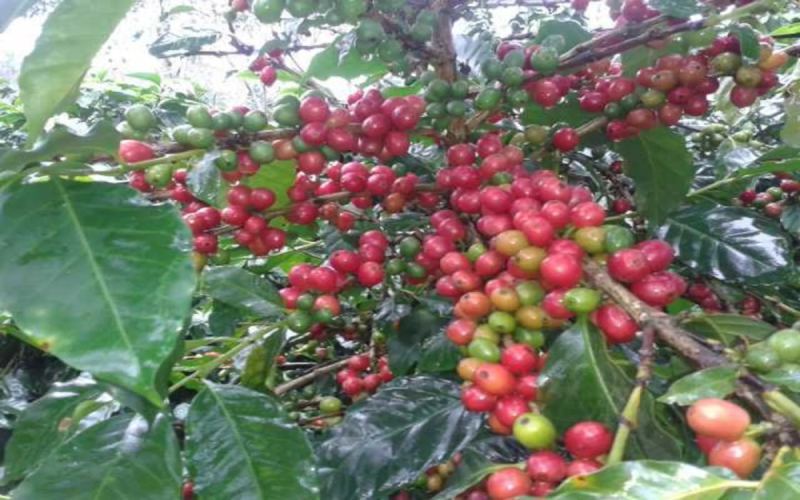
Caturra is a natural mutation of the Bourbon variety, resulting in a dwarf plant due to a single-gene mutation, and its name derives from the Guarani word meaning "small." In the evolution of the coffee industry, Caturra has given rise to several important varieties through transplantation, mutation, and hybridization. This article systematically reviews the origins, characteristics, and suitable growing regions of varieties such as Catimor, Catuai, Costa Rica 95, Lempira, and Catisic, and introduces the Rose Valley coffee beans from Finca El Roble in the Santander region of Colombia, sourced by Front Street Coffee. These beans undergo anaerobic washed processing and, when brewed with a V60 at a 1:15 ratio, present rose floral aromas along with fruity chocolate notes. [more…]
A Complete Flavor Guide to the Americas Coffee Regions: From Brazil to Blue Mountain, the Key to Beginner Tasting
When you first get into coffee, many people can only taste "coffee flavor," and all they smell is "coffee aroma"—this is actually perfectly normal. As your tasting experience accumulates, you'll gradually perceive rich tonalities like floral notes, fruit, and caramel. For beginners, starting with well-balanced American or Asian beans is a key to opening the door to coffee appreciation. This article will systematically outline the coffee flavor characteristics of major producing regions in Central and South America, covering Brazil, Colombia, Panama, Costa Rica, Honduras, Guatemala, Peru, Ecuador, Jamaica Blue Mountain, and Bolivia, along with specific product recommendations from Front Street Coffee, to help you understand regional characteristics while finding the cup that suits you. [more…]
Exploring Sidra and Pacas: The Origins, Characteristics, and Current Cultivation Status of Two Distinctive Coffee Varieties
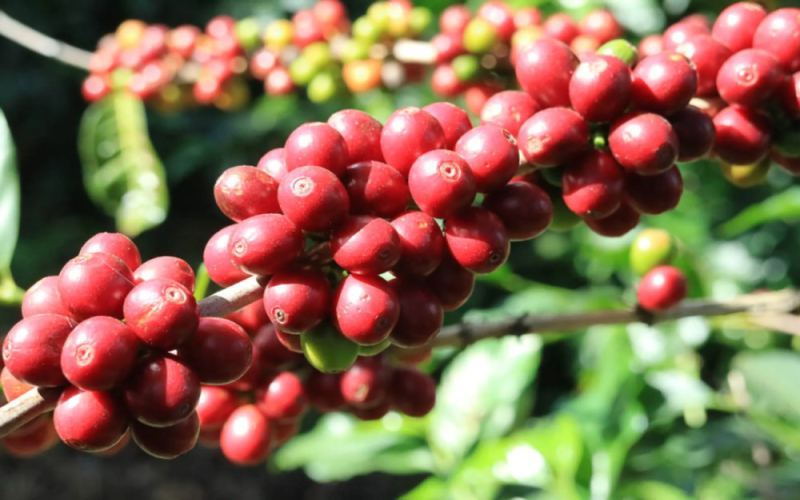
In the world of specialty coffee, beyond common varieties like Bourbon, Typica, and Caturra, some rare bean varieties are gradually coming into the public eye. Sidra and Pacas are two representatives that have attracted much attention. Sidra originated in Ecuador and rose to fame after winning the World Coffee Championship, and now performs brilliantly in Colombia's Huila region; Pacas is a natural mutation of Bourbon and is widely grown in El Salvador and Honduras. This article will introduce in detail the origins, genetic characteristics, growing conditions, and flavor profiles of these two varieties, and bring a brewing experience of the Sidra coffee beans from Colombia's Finca La Divisa obtained by Front Street Coffee. [more…]