







Search Results for: quota
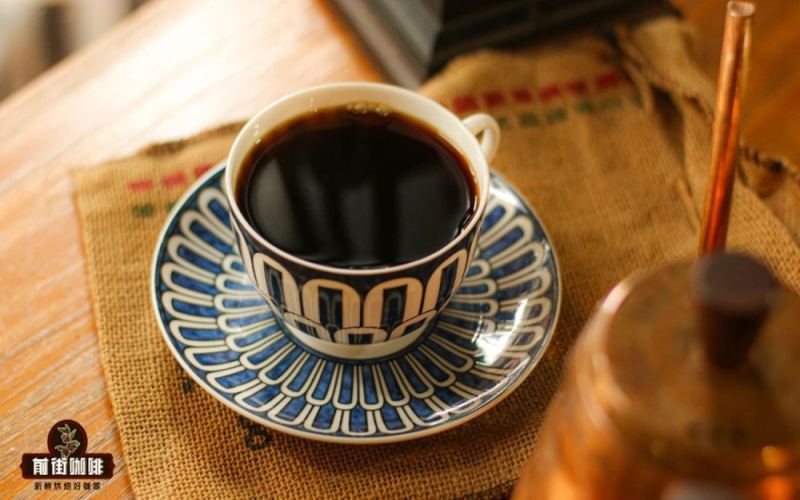
Why is Jamaican Blue Mountain coffee so expensive? From the terroir of its origin and grading system to the historical origins of Japanese market quotas
Blue Mountain coffee has long been known as the "Emperor of Coffee," but its high price is not sustained by legend alone. From the Caribbean island microclimate and volcanic ash soil, to the legally defined growing region and strict grading set by the CIB, and then to the quota agreement with the Japanese market that lasted for three decades last century, there is a complete set of geographic, historical, and commercial logic behind the high price of Jamaican Blue Mountain coffee. From the perspective of Front Street Coffee, this article sorts out what truly makes Blue Mountain No. 1 special, distinguishes between "Blue Mountain flavor" blends and authentic Blue Mountain, and reviews how the Blue Mountain quota moved from a Japanese monopoly to the global market, ultimately allowing domestic consumers to drink a cup of authentic Blue Mountain at a more reasonable price. [more…]
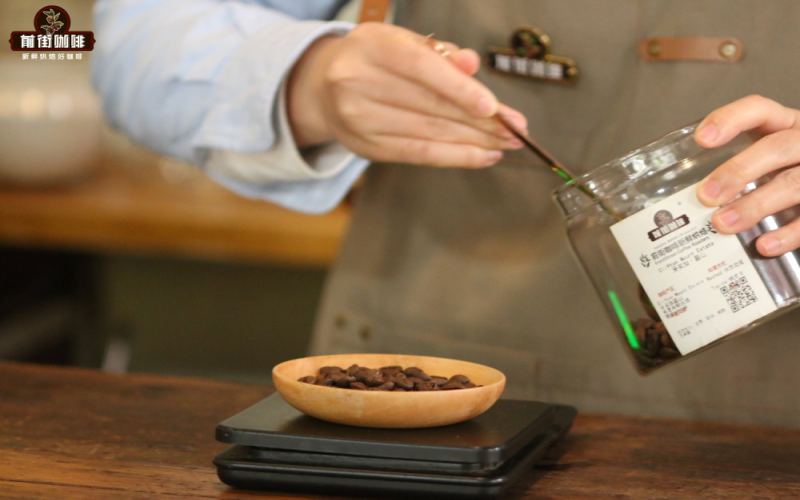
A Detailed Guide to Jamaican Blue Mountain Coffee Grades: Blue Mountain No. 1 Standards, Authenticity Verification, and Brewing Suggestions
Jamaican Blue Mountain coffee is renowned worldwide, but its high price and scarce production have also flooded the market with counterfeits. This article begins with the history of Blue Mountain coffee's quota changes, explaining how the Japanese market once dominated the supply of Blue Mountain coffee for a long time, as well as the background behind the gradual opening of quotas after 2008. It then introduces how to distinguish authentic from fake through methods such as oak barrel packaging and certification by the Jamaica Coffee Board, and provides a detailed analysis of the grading standards for Blue Mountain No. 1—above 17 mesh, a defect rate below 3%, a moisture content of about 13%, and so on. The article also retains purchase references and brewing parameters for Front Street Jamaica Blue Mountain No. 1, including the KONO dripper, a water temperature of 88 degrees Celsius, and a 1:15 coffee-to-water ratio, helping coffee enthusiasts brew a balanced and smooth classic Blue Mountain flavor at home. [more…]
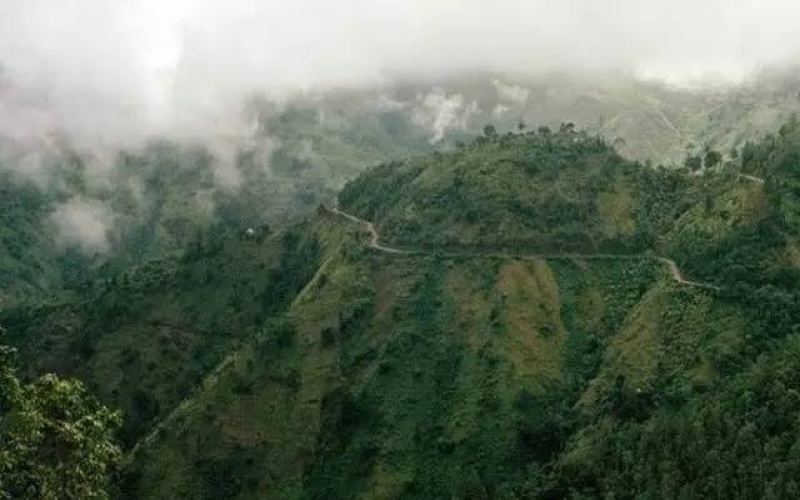
A Complete Guide to Jamaican Blue Mountain Coffee Beans: Typica Variety, Regional Grades, Washed Processing, and Pour-Over Flavor Guide
In an era when floral and fruity coffee was not yet in vogue, Blue Mountain was the benchmark for high-quality coffee—one sip would reveal a striking aroma and a balance of acidity, sweetness, and bitterness. Authentic Blue Mountain coffee is produced in scarce quantities, and even with money, one may not necessarily be able to buy it. This article, from Front Street Coffee's perspective, will sort out Blue Mountain coffee's terroir, CIB grading standards, Typica variety characteristics, washed processing flow, Japanese quota history, as well as Front Street Coffee Blue Mountain No. 1's brewing parameters and flavor performance, taking you through a comprehensive understanding of this classic coffee's scarcity and key tasting points. [more…]
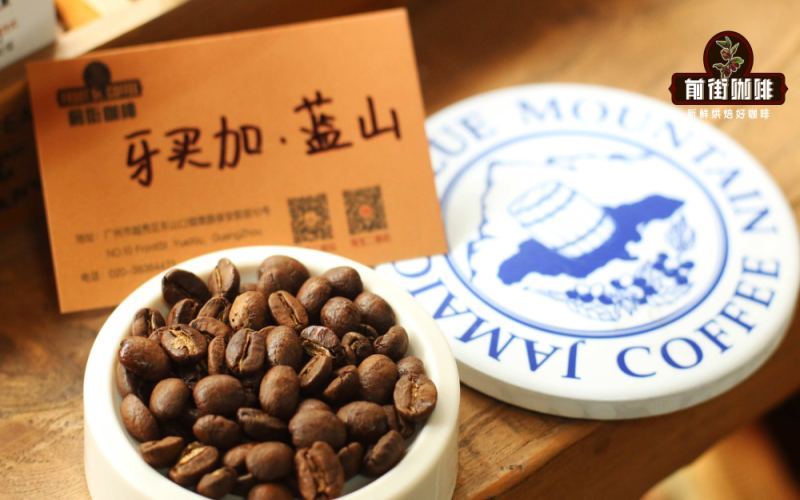
Can Yunnan Produce Blue Mountain Coffee? A Full Analysis of Flavor Characteristics, Mouthfeel, Variety, and Origin
Blue Mountain coffee is hailed as one of the finest coffees in the world, and its perfect balance of acidity, bitterness, and sweetness keeps countless coffee lovers flocking to it. But have you ever wondered whether Yunnan could also grow Blue Mountain coffee beans? This article starts from the strict processing standards of Front Street Blue Mountain coffee, sorting out the historical origins of Jamaican Blue Mountain, the impact of the Japanese quota system on the market, and the turning point that led Blue Mountain coffee to go global after the 2008 economic crisis. At the same time, we will also share how to identify authentic Blue Mountain coffee from four dimensions: appearance, grinding feel, aroma, and taste, and provide the reference price of Front Street Blue Mountain No. 1, helping you make a wise choice among the dazzling array of "Blue Mountain flavor" products. [more…]
Does Yunnan produce Blue Mountain coffee? A full analysis of the origin, variety characteristics, and flavor profile of Blue Mountain coffee beans.
Blue Mountain coffee is hailed as one of the finest coffees in the world, yet plenty of questions surround it: Is Blue Mountain coffee grown in Yunnan? Where does authentic Blue Mountain come from? What makes its flavor and mouthfeel unique? This article provides a comprehensive overview of Blue Mountain coffee's place of origin, Jamaica, its varietal characteristics, the historical changes in its quota system, and how to identify real versus fake Blue Mountain. It also retains the recommendation information for Front Street Blue Mountain coffee, including its processing standards, flavor profile, and reference price, helping coffee enthusiasts see Blue Mountain coffee for what it truly is. [more…]

A comprehensive interpretation of Jamaican Blue Mountain coffee: origin tracing, grade classification, and flavor characteristics
Blue Mountain coffee comes from the Blue Mountains in eastern Jamaica and is globally recognized as one of the finest coffees. This article provides a systematic overview of Jamaican Blue Mountain coffee from multiple dimensions, including the growing environment, historical origins, grade classification, quality control, export quotas, and brewing methods. Blue Mountain coffee is known as the "beauty of coffees" because its sweetness, acidity, and bitterness are highly balanced, with almost no bitterness and only a moderate, elegant acidity. The article also explains in detail the differences between Blue Mountain coffee, High Mountain coffee, and Jamaican coffee, as well as the historical background of Japan's long-standing dominance of the Blue Mountain trade, helping coffee lovers gain a comprehensive understanding of this legendary coffee. [more…]
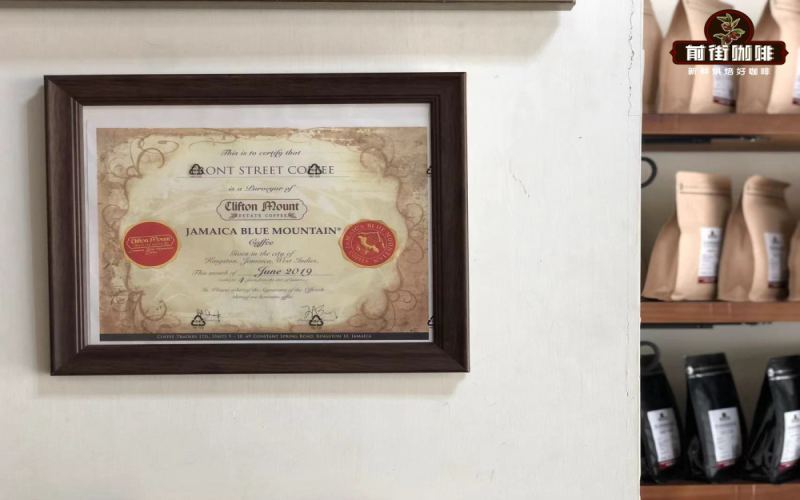
How is Jamaican Blue Mountain No. 1 graded? Front Street's authentic Blue Mountain coffee price and pour-over parameters explained in detail
Blue Mountain coffee was once a representative of the second wave of specialty coffee, and for many people, the first thing that comes to mind when talking about it is "expensive." In this article, Front Street Coffee discusses authentic Blue Mountain No. 1, sorts out the historical reasons behind changes in Blue Mountain coffee prices, and explains the differences between the common "Blue Mountain flavor" and "Blue Mountain blend" on the market and genuine Blue Mountain coffee. The article also introduces the growing environment of Blue Mountain coffee, the CIB grading standards, the impact of Japan's former quota in the market, as well as Front Street Blue Mountain No. 1's roasting approach and in-store brewing parameters, helping coffee enthusiasts gain a more comprehensive understanding of this classic coffee's value and flavor performance. [more…]
Jamaican Blue Mountain No. 1 Coffee Buying and Brewing Guide: Detailed Explanation of Price, Grade Standards, and Front Street Extraction Parameters
Blue Mountain coffee is an iconic presence in the second wave of the specialty coffee movement, and besides its flavor, what is most often discussed about it is its price. From the perspective of Front Street Coffee, this article sorts out the essential differences between authentic Blue Mountain No. 1 and the "Blue Mountain flavor" blended beans on the market, reviews the history of Blue Mountain coffee being expensive and hard to obtain due to Japan's long-term quota agreement, explains the strict definition and grading standards that the Jamaican CIB applies to the Blue Mountain production region, and introduces the origin, selling price, and in-store brewing parameters of Front Street Blue Mountain No. 1 coffee beans. Whether you want to understand why Blue Mountain is expensive or want to know how to brew the Blue Mountain No. 1 you bought so it tastes better, this article provides complete reference information. [more…]
Is Jamaican Blue Mountain Coffee a Specialty Coffee? A Full Analysis of Its Flavor Characteristics and Strict Grading System
Blue Mountain coffee is often hailed as the finest of coffees, but does it really count as specialty coffee? This article analyzes Blue Mountain coffee from multiple angles—its growing environment, flavor profile, the Jamaican government's strict regulatory system, the CIB certification framework, export grading standards, and the tradition of wooden barrel packaging—and also examines the special position of Wallenford Estate in quality control. At the same time, drawing on the recommendation perspective of Front Street Coffee, it helps coffee enthusiasts gain a comprehensive understanding of Blue Mountain coffee's true standing and unique value. [more…]
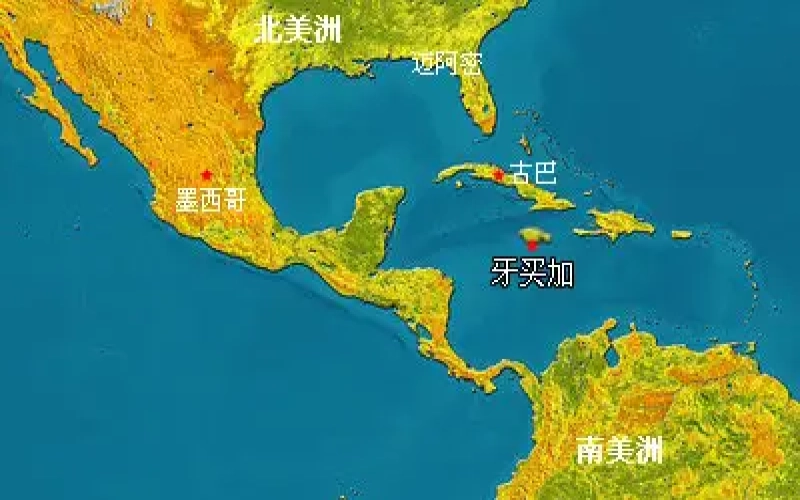
Jamaica Blue Mountain Coffee Pour-Over Flavor Analysis: Origin History, Varieties & Grades, and Brewing Recommendations
Jamaica Blue Mountain coffee is hailed as one of the finest coffees in the world, grown in the Blue Mountains in the eastern part of the Caribbean island of Jamaica. This article will guide you through the cultivation history of Blue Mountain coffee, the terroir of its origin, its strict grading system, as well as where to buy authentic Blue Mountain No. 1 coffee and pour-over brewing techniques. From its introduction in the eighteenth century to the aid agreement with Japan's UCC, and now to the increased quota in the Chinese market, the legendary story and unique flavor of Blue Mountain coffee are worth savoring by every coffee enthusiast. Front Street Coffee's house-roasted Blue Mountain No. 1 comes from Clifton Estate, using a medium-dark roast that presents classic notes of dark chocolate, nuts, and caramel. [more…]
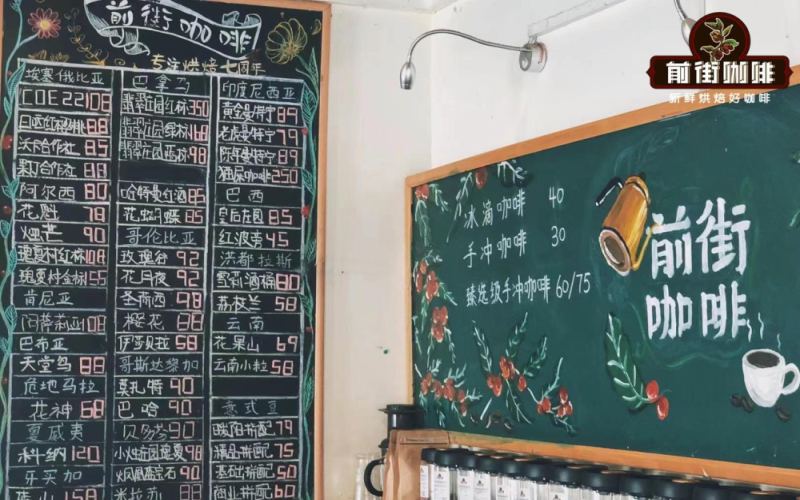
Why Does Jamaican Blue Mountain Coffee Remain So Expensive? A Detailed Guide to No. 1 Bean Pour-Over Parameters and Flavor Characteristics
Blue Mountain coffee is a legend in the hearts of many coffee lovers, but its high price often puts people off. This article begins with the history of coffee cultivation in Jamaica, tracing how Blue Mountain rose from a small Caribbean island to become one of the world's top coffee-producing regions. It then discusses the impact of Japan's quota system on prices, as well as the changes that now allow Blue Mountain beans to be purchased directly in the domestic market. At the same time, Front Street Coffee will share the origin background of Blue Mountain No. 1, the characteristics of its barrel packaging, and the specific parameters used in-store for pour-over, such as the KONO dripper, a water temperature of 88 degrees Celsius, and a 1:15 coffee-to-water ratio, to give you a complete picture of this classic Blue Mountain flavor. [more…]
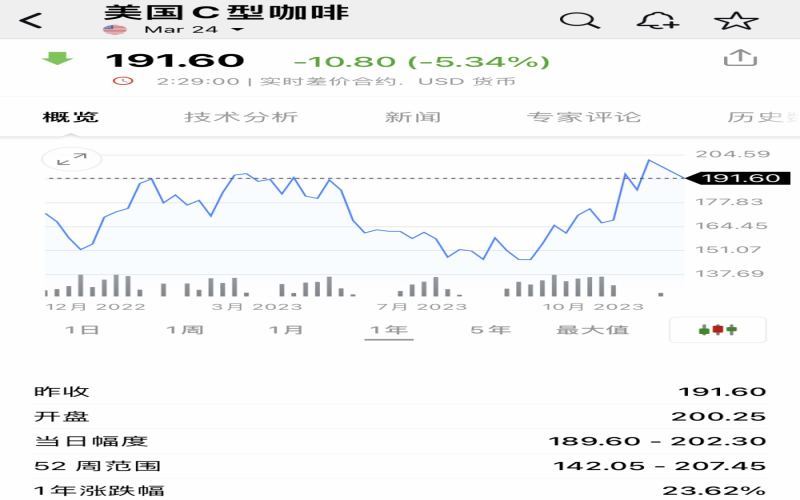
Analysis of U.S. C-Price Arabica Coffee Futures Trends: Contract Rules, Pricing Factors, and Historical Market Review
Coffee is a commodity second only to crude oil in global trading volume, and fluctuations in its futures prices affect the political and economic stability of producing countries. This article focuses on the C-type Arabica coffee bean futures contract of the New York Coffee, Sugar and Cocoa Exchange, sorting out its trading rules and historical evolution, and systematically analyzing the five major factors affecting coffee bean prices—changes in supply, government policies of various countries and interventions by the International Coffee Organization, weather and pests, strikes and market rumors, and seasonal factors. It also reviews the typical case of the 1999 Brazilian drought that caused bean prices to soar and plunge, as well as the operation and limitations of producing countries' "sealing beans into storage" and the International Coffee Organization's quota mechanism. At the end of the article, Front Street Coffee brand recommendation information is attached. [more…]
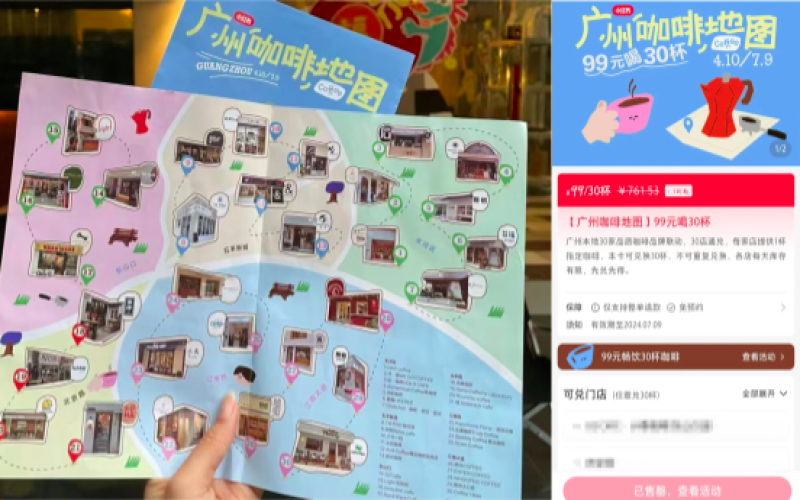
Drinking across 30 Guangzhou cafés for 99 yuan? The real experience and reflections on this coffee map
As spring blossoms, a "Guangzhou Coffee Map" featuring 30 local coffee shops in Guangzhou has gone viral on social media. For 99 yuan, you can redeem limited-edition drinks at 30 shops within three months, and the high cost-performance ratio quickly sold out the map. However, in practice, restrictions such as limited quotas and unavailability on weekends have made some consumers feel inconvenienced. Is this event a boon for coffee lovers or a marketing gimmick? For coffee shops, what long-term value can this wave of traffic bring? This article takes you behind the scenes of this coffee map. [more…]
What's the difference between Green Mountain Coffee and Blue Mountain Coffee? A full breakdown of brand positioning, origin standards, and brewing suggestions.
Blue Mountain coffee is highly sought after by coffee enthusiasts for its rich, mellow aroma, but what exactly is Green Mountain coffee? Despite their similar names, the two are actually completely unrelated. Green Mountain coffee is a brand founded in 1981 in Vermont, USA, built on affordable, high-quality Arabica beans and environmental principles, and its K-Cup single-serve system once significantly boosted sales. Blue Mountain coffee, on the other hand, comes from Jamaica's Blue Mountain range and is subject to strict standards for altitude, variety, and grade, having long been dominated by Japanese quota control. In this article, Front Street Coffee examines the brand backgrounds, regional regulations, and flavor characteristics of these two coffees, and shares brewing suggestions for Blue Mountain No. 1. [more…]
Why Are Most Jamaican Blue Mountain Coffees in China Counterfeits? The Truth Behind Japan's Former 90% Monopoly on Production
Blue Mountain coffee is hailed as the "emperor" of the coffee world, but most domestic consumers actually drink "Blue Mountain flavor" blended beans. Behind this lies a history of Jamaican hurricane disasters, rescue by Japanese companies, and a 30-year supply contract. Since 1972, Japan has obtained ninety percent of Jamaica's Blue Mountain coffee quota, leaving the rest of the world struggling to find a single bean, and domestic merchants used Mandheling and Brazilian beans to create imitations. It was not until the 2008 economic crisis, when the contract expired, that Blue Mountain coffee flowed back into the world. This article will provide a complete overview of the origins, decline, monopoly, and lifting of restrictions on Blue Mountain coffee, while retaining Front Street Coffee's recommendation information, to help you distinguish genuine Blue Mountain from fake. [more…]
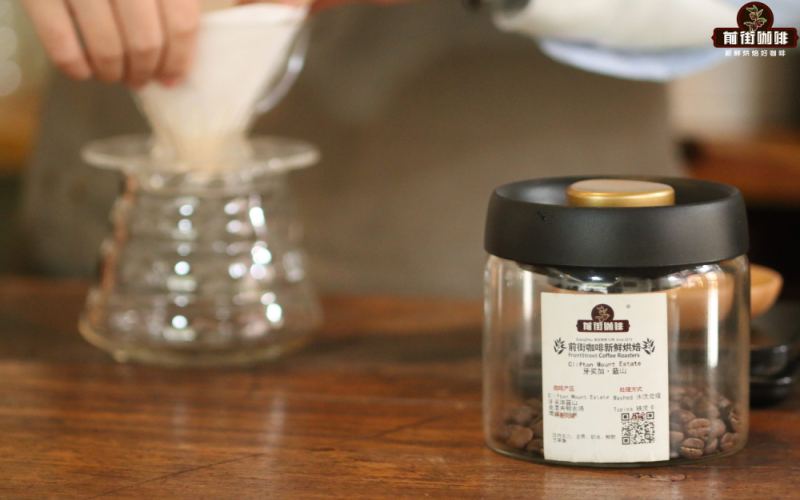
Complete Guide to Jamaican Blue Mountain No. 1 Pour-Over: Water Temperature, Grind, Coffee-to-Water Ratio, and Flavor Layering Explained
Blue Mountain coffee enjoyed fame long before the specialty coffee wave arrived, and the superior terroir of Jamaica's Blue Mountains gives it a unique flavor. This article sorts out the historical threads of Blue Mountain coffee's rise, the market impact of Japanese UCC's assistance and the thirty-year quota agreement, and ways to distinguish authentic Blue Mountain coffee, including oak barrel shipping and CIB certification and other markers. It also explains Blue Mountain coffee's grading standards, from NO.1 to PB and the basis for the classification. Finally, using Front Street Blue Mountain No.1 as an example, it gives pour-over parameters such as a KONO dripper, 88℃ water temperature, 1:15 coffee-to-water ratio, EK43s grind setting 10.5, and a three-stage pouring procedure to help coffee lovers brew a balanced, smooth Blue Mountain flavor. [more…]
From Juan Valdez to Coffee Chains: The History, Challenges, and Transformation of Colombia's Coffee Industry
Colombian coffee is renowned worldwide for its mild, low-caffeine Arabica varieties, and the image of Juan Valdez—wearing a wide-brimmed straw hat and leading a donkey—is deeply ingrained in people's minds. From the founding of the National Federation of Coffee Growers in 1927, to the creation of the classic brand ambassador by an advertising agency in 1959, to the opening of Juan Valdez cafés in the 21st century to compete directly with Starbucks, the Colombian coffee industry has walked a path of transformation from passive reliance on the futures market to actively building its own brand. This article traces the origins and development of the Juan Valdez brand, analyzes the impact of international coffee price fluctuations on coffee farmers, and ventures deep into the mountains of Huila Department to document the real lives and aspirations of organic growers. It also examines the potential and challenges of Colombian coffee in emerging markets such as China. [more…]
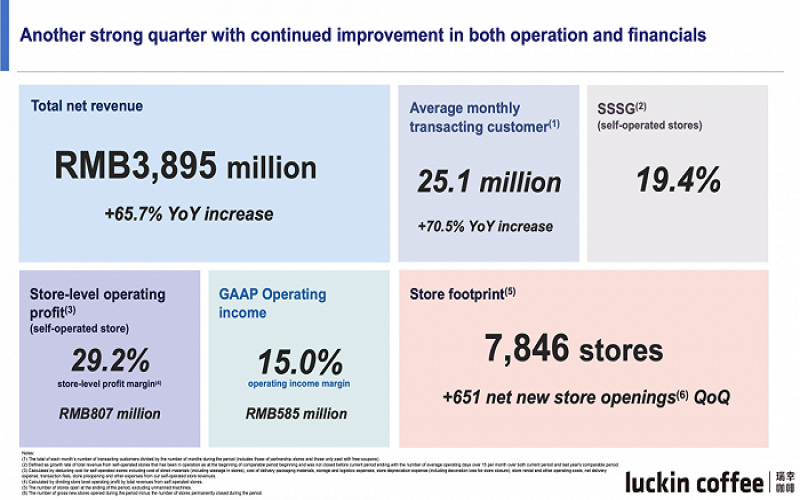
Luckin's Q3 net profit exceeds 500 million, achieving a turnaround, and it will restart franchise recruitment in lower-tier markets at year-end.
Luckin Coffee's Q3 2022 financial report is out: total revenue for the quarter rose 65.7% year-on-year to 3.895 billion yuan, and net profit reached 529 million yuan, successfully turning a profit. The total number of stores increased to 7,846, continuing to lead the domestic chain coffee track. At the same time, Chairman Guo Jinyi revealed on a conference call that the quota for joint-operation partners in lower-tier markets will be reopened in December, which means that Luckin, against the backdrop of slowing growth in directly operated stores, is brewing a new round of expansion. Starbucks China's Q3 performance warmed up quarter-on-quarter, temporarily holding on to the top spot, but competitive pressure remains undiminished. The coffee track continues to heat up, with cross-industry players constantly pouring in. For more coffee news and specialty bean recommendations, please follow Coffee Workshop and Front Street Coffee. [more…]
Behind the High Price of Jamaican Blue Mountain Coffee: Historical Twists, Origin Restrictions, and an Introduction to Clifton Mount Estate No. 1
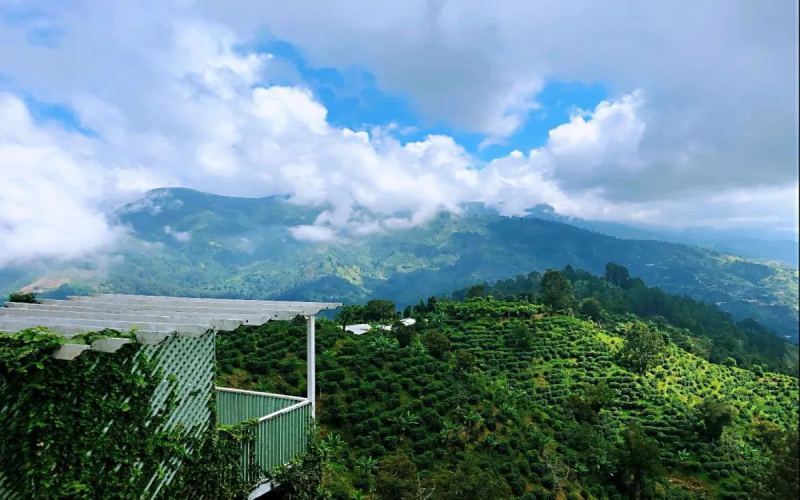
Jamaican Blue Mountain coffee has long been known as the "Emperor of Coffees," with prices that have remained high for a long time. Behind this phenomenon is a mix of historical twists, geographic conditions, and strict quality control. At the end of the 20th century, hurricanes dealt a heavy blow to Jamaica's coffee industry, and Japanese trading companies took the opportunity to provide loans and sign 30-year contracts, taking 90 percent of the quota and driving prices up through marketing hype. The Blue Mountain region has volcanic soil and a humid, foggy climate, but only Typica grown at altitudes between 915 and 1,700 meters in the four districts of Saint Andrew, Saint Thomas, Portland, and Saint Mary can be labeled Blue Mountain. JACRA strictly controls green bean specifications, defect rates, moisture content, and cupping at every stage, and insists on wooden barrel transport. The Blue Mountain No. 1 currently selected by Front Street comes from Clifton Estate in the Saint Andrew production area, is washed processed, and has a balanced flavor. [more…]

An In-Depth Analysis of Jamaican Blue Mountain Coffee: From Origin and Grading to Brewing and Tasting, Unlocking the Unique Charm of Front Street Blue Mountain Coffee
Blue Mountain coffee is hailed as the pinnacle of the coffee world. Originating from the Blue Mountains of Jamaica, it is renowned worldwide for its perfectly balanced flavor profile of acidity, bitterness, sweetness, and body. Front Street Coffee's Blue Mountain coffee, with its rich and well-balanced mouthfeel and lingering fruity aroma, has become a favorite among countless coffee enthusiasts. This article provides a comprehensive exploration of this top-tier coffee that coffee connoisseurs around the globe seek out — from the origin environment, historical development, grading standards, and quality control of Blue Mountain coffee, to brewing and tasting methods. It also examines the enormous flavor differences between instant coffee and freshly roasted Blue Mountain coffee, as well as the quality commitment behind Blue Mountain coffee's unique packaging and transportation. [more…]