








Where are robusta coffee beans grown, and why does origin matter?
Pour-over coffee draws attention for how directly it shows a bean's flavor, which depends heavily on where the coffee was grown. Robusta is grown mainly in Vietnam, Brazil, Indonesia, and parts of Africa, at lower altitudes and warmer conditions than arabica. That origin difference shows up in the cup, where robusta tends to taste stronger and more bitter.
The recent debate over pour-over coffee began with a customer complaint about service at a specialty shop. It raised a larger question: coffee shops invest in quality control and consistent output, but service and emotional value also shape what customers think a cup is worth. Talking about preferred flavors with staff in advance can close that gap.
Pour-over coffee has grown increasingly popular in recent years. Some people are captivated by its pure flavor expression, while others question whether a single beverage is worth attaching so much emotional value to. As coffee shops place greater emphasis on quality control and consistent output, customers' expectations for the service experience are also quietly shifting. This article starts from a netizen's unpleasant experience at a pour-over coffee shop to explore the balance between the pursuit of flavor and the service experience in today's coffee market, and what kind of value and meaning pour-over coffee, as a product, should carry as the industry evolves.
▲
Click to follow | Daily specialty coffee culture magazine Coffee Workshop
Today, with coffee culture becoming increasingly widespread, drinking coffee has long been integrated into many people's daily lives. Some rely on caffeine for alertness, while others are drawn to coffee's rich layers of flavor. As a crop, coffee exhibits entirely different taste profiles depending on variations in variety and origin.
Among the many extraction methods, pour-over coffee has won the favor of a large number of enthusiasts because it is relatively simple to perform and can more directly present coffee's true flavor. Numerous pour-over specialty shops have emerged on the market, featuring self-roasted or imported roasted beans, emphasizing quality control management, and pursuing consistent output, accumulating a loyal customer base.
However, some pour-over coffee shops have also drawn customer dissatisfaction. Recently, a netizen posted on social media about an unpleasant encounter at a certain pour-over coffee shop, arguing that the current coffee industry focuses excessively on quality control while neglecting the provision of service quality and emotional value.
On the other hand, some voices hold that coffee is ultimately just a beverage—if it doesn't taste good, one simply doesn't return, and there's no need to attach excessive emotional significance to it. Everyone's understanding of coffee differs, and a merchant's approach to business may fall short of customers' expectations. Only through communication can each side understand the other's philosophy and starting point. If customers have specific needs, they might as well inform the shop in advance and clearly explain the flavor they prefer; if the merchant fails to respond, simply choose another shop next time—there's no need to take it too seriously.
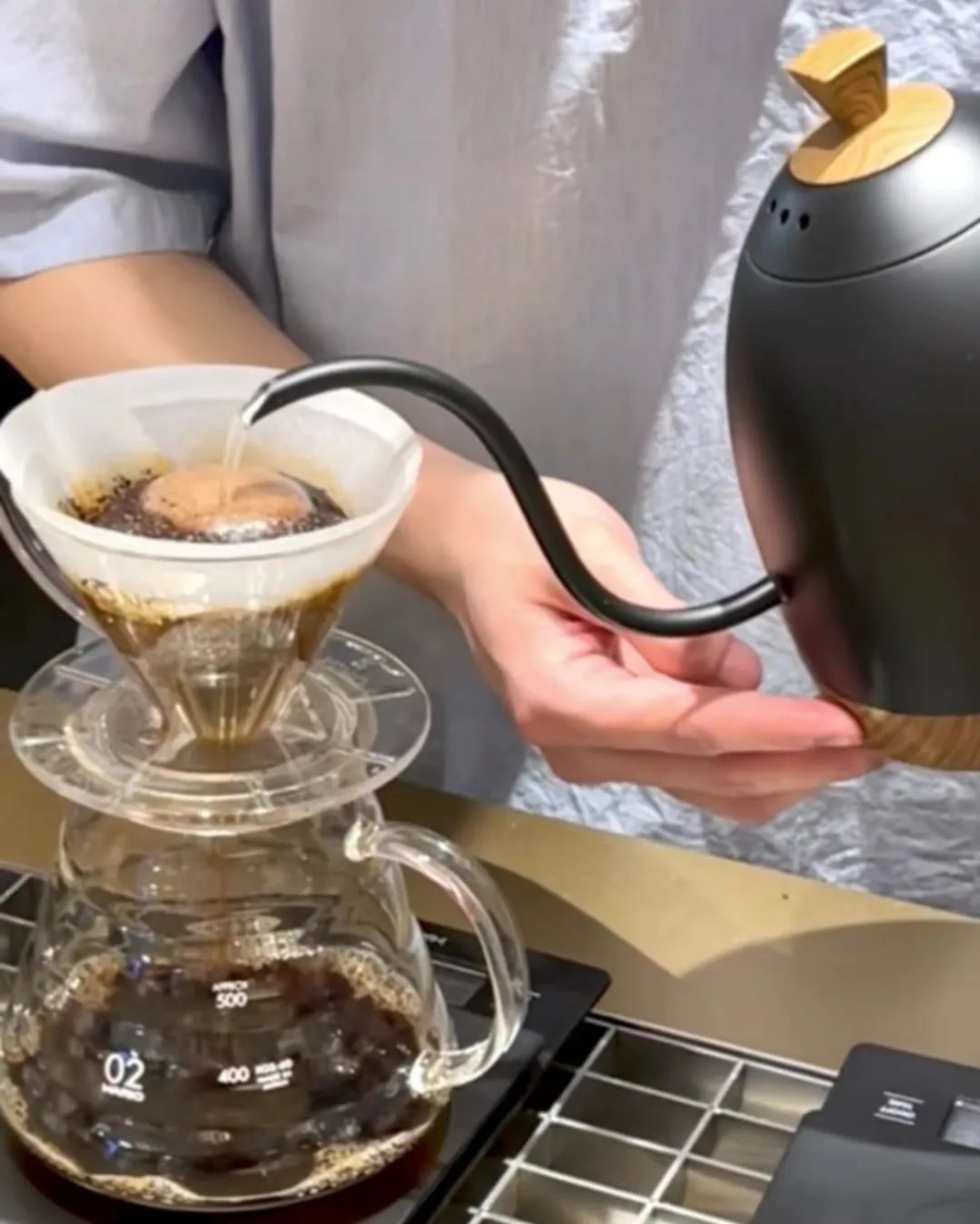
As coffee culture continues to evolve, consumers' demands for output standards and tasting ability are also constantly rising. They begin to pay attention to subtle differences in flavor, coffee's place of origin and processing methods, and are eager to share and exchange ideas. Fundamentally, pour-over coffee is a product consumed within this experiential process. In the course of coffee's ongoing development, it leads more people to discover coffee and fall in love with it, so to a certain extent, providing quality service and experience may well be the direction the industry should take.
Disclaimer: Some images in this article are sourced from the internet. For content on the website such as images, we respect the original creators' copyright and will indicate the source. However, due to the large volume, there may be个别 images and text that have not yet been credited—please forgive us. If the original author has any dispute, please contact the website to address it. Once verified, we will immediately correct it. Compiled and edited by "Coffee Workshop." Please indicate the source when reposting. If there is any infringement, please inform us for removal. Thank you~!
The above content is compiled by CoffeeHunters, a coffee news website.


