







Search Results for: Colombian Coffee Grading
Colombian Coffee Bean Grading Standards, Huila Washed Flavor Characteristics, and Brewing Parameter Guide
Colombian coffee, with its soft berry acidity, roasted nut aroma, and caramel sweetness, has become a favorite among many pour-over beginners. As the world's second-largest Arabica producer, Colombia's volcanic soil and high-altitude microclimates give its coffee beans a full, solid mouthfeel. This article will systematically sort out the grading system for Colombian green beans—how many screen sizes Supreme, EP, and U.G.Q correspond to respectively, clarify the common misconception that Excelso is not a grade but an export standard, and introduce the flavor profile of washed beans from the Huila region along with Front Street Coffee's recommended V60 three-pour brewing method, helping coffee lovers experience the unique charm of Colombian coffee at an affordable cost. [more…]
Colombian Specialty Coffee Bean Flavor Analysis: From the Andes Mountain Growing Regions to Washed Processing and the Grading System
Colombian coffee occupies an important place in the global coffee market thanks to its mild acidity, its rich, full-bodied notes of dark chocolate and roasted nuts, and its caramel-like sweetness. The skillful balance of sour, sweet, and bitter flavors makes it a common choice for espresso blends, and Front Street Coffee's specialty blend includes beans from Colombia. This article will take you through an in-depth look at the growing environment, main producing regions, grading system, and processing methods of Colombian specialty coffee beans, and introduce several Colombian single-origin everyday beans from Front Street Coffee worth trying, so you can experience the unique flavors nurtured by the Andes Mountains. [more…]
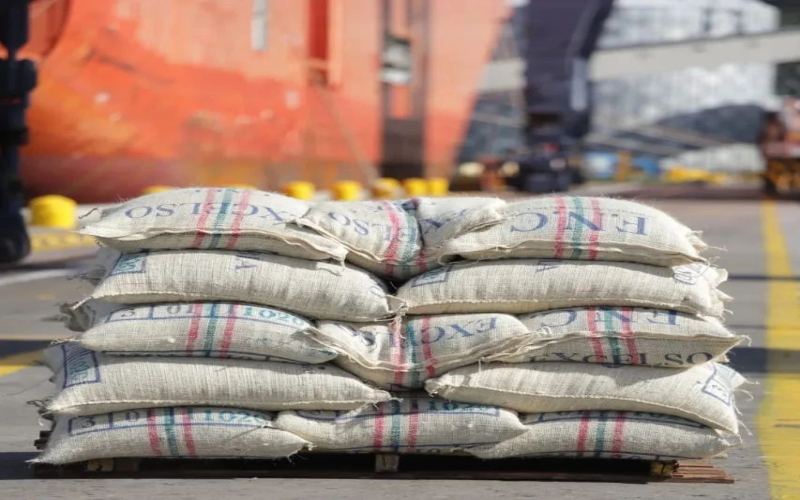
A Detailed Explanation of Colombian Green Coffee Bean Grading: The Meaning of Excelso and Supremo, and Front Street Brand Recommendations
Colombian coffee occupies an important place in the world of specialty coffee, and its green bean grading system is based primarily on defect rates and bean screen size. When buying Colombian coffee, what exactly do the words "Supremo" and "Excelso" commonly seen on burlap sacks mean? This article will systematically sort out the grading rules for Colombian green coffee beans from multiple angles, including export standards, defect scoring, and screen-size classification, and explain the specific differences among the three grades UGQ, EP, and Supremo. At the same time, the article will also introduce common Colombian coffee bean brands on the market, including product information recommended by Front Street Coffee, to help coffee lovers more clearly understand the grade and quality of the bag of beans in their hands. [more…]
Colombian Coffee Beans: Flavor Characteristics, Development History, Growing Conditions, and Green Bean Grading Standards Explained
Colombian coffee beans can serve as a base for blends, stand alone as a single origin, and even work well with a French press—truly a versatile all-rounder in the coffee world. This article will guide you systematically through the development of Colombian coffee, the terroir characteristics of its main producing regions, the green bean grading system, and complete knowledge from flavor profiles to growing conditions. The volcanic ash soil of the central region imparts bright fruit acidity and rich aroma to the coffee, while the high-altitude producing areas in the south nurture specialty-grade beans. The article also compiles the three major export grade classification standards currently circulating in the Chinese market, along with specific product recommendations from Front Street Coffee, making it suitable for coffee enthusiasts who want to gain a deeper understanding of the Colombian producing regions. [more…]
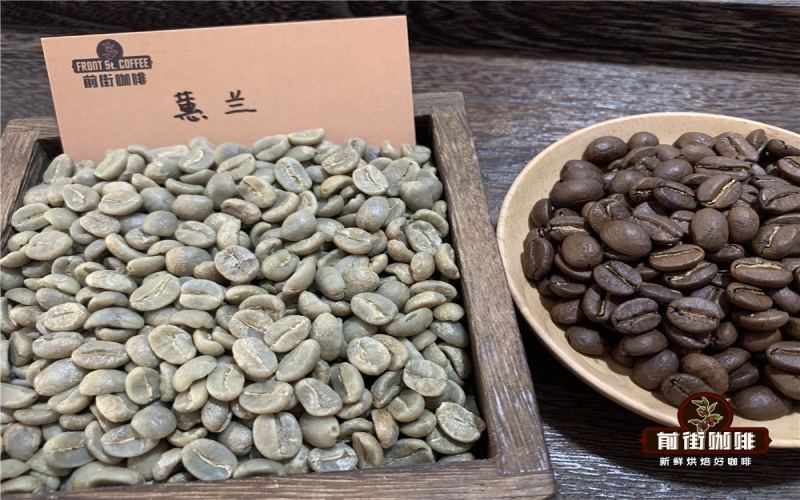
A Detailed Explanation of Colombian Coffee Bean Grading Standards: How Bean Size Determines Quality Grade and Export Specifications
Colombia, with its exceptional geographical conditions and diverse climate, has become an important producer of high-quality Arabica coffee. Many coffee enthusiasts notice that Colombian coffee beans are generally larger than beans from producing regions such as Ethiopia, Costa Rica, and Brazil, and this is closely tied to Colombia's unique grading system. This article, from the perspective of Front Street Coffee, systematically introduces the standards by which Colombian green beans are graded according to screen size, including the specific specifications of common grades such as UGQ, EP, and Supremo, explains the meaning of the Excelso export grade, and introduces the key role of the FNC (Colombian Coffee Growers Federation) in the industry's development. Finally, it includes the brewing parameters and flavor description of Front Street's Huila everyday drinking beans, helping readers gain a comprehensive understanding of Colombian coffee from grading to tasting. [more…]
A Comprehensive Analysis of Colombian Coffee Bean Flavor Characteristics, Growing Conditions, and Green Bean Grading Standards
Colombian coffee, with its broad versatility, holds a place in both blending and single-origin fields, capable of handling the richness of a French press while also meeting everyday consumer needs. This article starts from the development thread, sorting out the producing regions, flavor characteristics, and growing conditions of Colombian coffee, explaining in detail the influence of the Central Cordillera and southern soils on coffee quality, and systematically introducing raw bean grading standards such as Excelso and Supremo. Finally, it presents two recommended bean selections—Front Street Coffee Washed Huila and Front Street Coffee Specialty Blend—suitable for pour-over, espresso, and various other brewing methods, helping enthusiasts gain a comprehensive understanding of the key points for purchasing and tasting Colombian coffee. [more…]
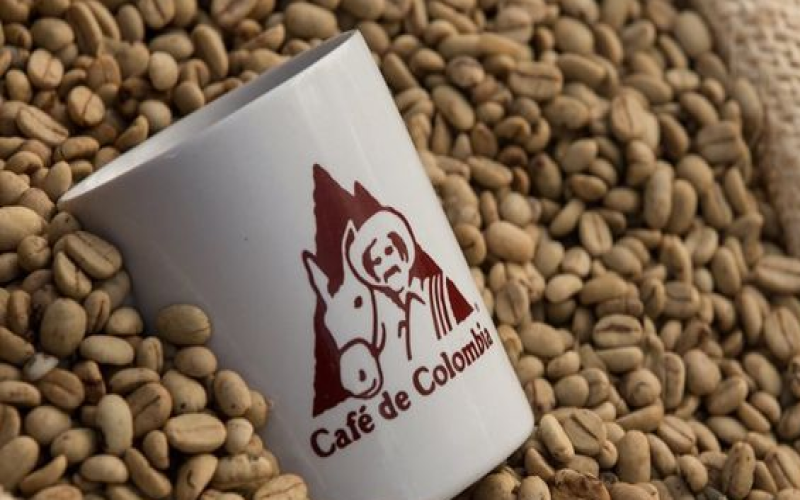
Complete Guide to Colombian Supremo Coffee Beans: From Regional Grading to Huila Washed Brewing
Colombian coffee, with the diverse terroirs of the Andes and refined washed processing, has become a force that cannot be overlooked on the global specialty coffee map. From the classic image of Juan Valdez to the rising specialty regions of Huila in the south, from raw bean screen-size grading to the Excelso export standard, this article systematically sorts out the origin characteristics, processing methods, and grading system of Colombian coffee. At the same time, Front Street Coffee uses a Huila washed everyday drinking bean as an example to share brewing parameters and flavor performance under medium-dark roasting, taking you through a comprehensive understanding of the core charm of this South American coffee powerhouse. [more…]
Colombian Pour-Over Coffee Ground-to-Water Ratio and Flavor Analysis: Regional Grading, Processing Methods, and Front Street Coffee Bean Menu Brewing Guide
Colombian coffee is renowned worldwide for its mild acidity and its black chocolate and caramel-like sweetness, making it a perennial bean in espresso blends and pour-over brewing. This article begins with the symbols of Colombian coffee and its producing environment, systematically reviewing the distribution of southern specialty growing regions, the green bean screen size grading system and defect rate standards, and explaining in detail how processing methods such as washed and anaerobic natural affect flavor. At the same time, the article provides specific parameters for V60 pour-over, including a coffee-to-water ratio of 1:15 and a water temperature of 90-91°C, and fully includes the flavor descriptions of Front Street Coffee's four Colombian bean offerings, helping enthusiasts choose beans and brew. [more…]

A Detailed Explanation of Colombian Green Coffee Bean Grading: The Meaning of Supremo and Excelso and Screen Size Standards
When purchasing Colombian coffee, what exactly do Supremo and Excelso, commonly seen on burlap sacks, represent? What is the relationship between the two? This article will systematically sort out the grading system for Colombian green coffee, interpreting one by one the specific requirements of grades such as UGQ, EP, and Supremo, from defect rates and screen sizes to FNC export standards. It will also introduce derivative grades such as Extra, Premium, and Minama, as well as the use of Product of Colombia for coffee that does not meet export standards. The article also includes an actual naming example of Front Street Coffee's Huila daily drinking beans, helping readers understand the compositional logic and traceability methods of Colombian green coffee names. [more…]
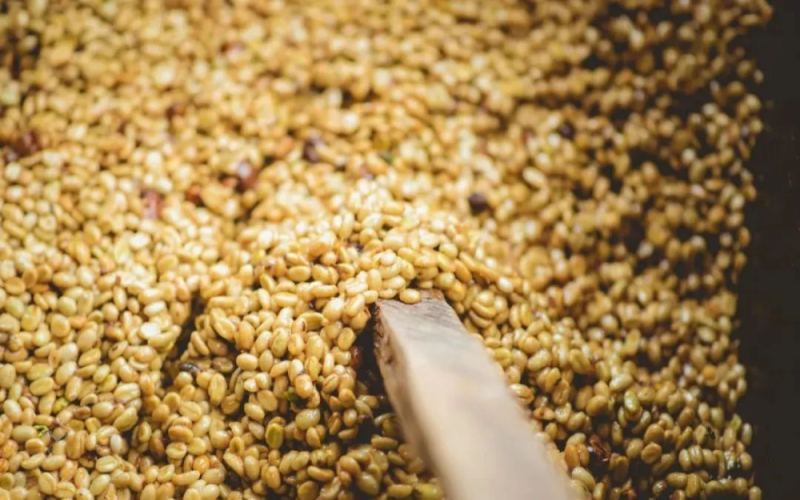
Where Does the Acidity in Colombian Coffee Come From? A Detailed Guide to Regional Terroir, Grading Standards, and Front Street Recommendations
Colombian coffee is often described as smooth in body, bright in acidity, and well balanced in flavor, and these characteristics are inseparable from its unique geographical environment. This article systematically examines the sources of acidity and the quality system of Colombian coffee, from Colombia's growing conditions, the background of the FNC's establishment, and the green bean grading system, to the flavor profiles of specialty regions such as Huila, and on to distinctive beans on Front Street Coffee's menu such as Sidra and Maragogipe, giving you a comprehensive understanding of this coffee nation known as "green gold." [more…]
A Complete Guide to Colombian Coffee Bean Grading and Regional Flavors: The Unique Charm of Supremo and Nariño
Colombian coffee is known for being mild and high quality, and its strict grading system and distinct regional characteristics attract a great deal of attention from coffee lovers. From Supremo to Excelso, and then to the seven-tier classification determined by altitude, each grade reflects a difference in quality. Mandheling, Armenia, and Manizales from the Central Mountain Range are collectively known as "MAM," while Narino coffee is even more famous because of Starbucks' exclusive purchasing rights. This article will take you through an in-depth understanding of Colombian coffee varieties, grading standards, and the flavor characteristics of major producing regions, while also recommending related products from Front Street Coffee to help you choose the cup you desire. [more…]
A Detailed Explanation of the Colombian Green Coffee Grading System: Excelso Grade Standards, Screen Size Classification, and Supremo Flavor
The grading of green coffee beans not only affects trading prices but also, to a certain extent, reflects flavor tendencies. For this reason, each producing country establishes its own grading rules based on local conditions. This article focuses on Colombia's green bean grading system, with emphasis on explaining the meaning of the Excelso export grade, the defect scoring method, and the specific standards based on screen size classification, while also introducing the differences among the three common export grades: UGQ, EP, and Supremo. At the same time, Front Street Coffee will share the flavor characteristics and brewing suggestions for Supremo-grade coffee beans from Colombia's Huila region, helping coffee enthusiasts extend their knowledge of grading into the actual drinking experience. [more…]

A Complete Guide to Colombian Huila Coffee Beans: Regional Terroir, Grading System, and Pour-Over Flavor Guide
Colombian coffee has always held a special place in the hearts of domestic enthusiasts, and the Huila region is regarded as the representative of the country's specialty beans. However, not all coffee produced in Huila is of high quality. How to identify it, select it, and brew the ideal flavor requires understanding everything from the region's terroir and grading system to roasting and brewing. Starting from the case of Front Street Coffee's everyday beans, this article sorts out Huila's canyon climate and high-altitude growing conditions, explains Colombia's grading system centered on bean size, and provides specific pour-over methods and flavor profiles for medium-dark roasted Huila, helping readers gain a more systematic understanding of this bean. [more…]
A Detailed Explanation of Colombian Green Coffee Grading Standards: Does the Supremo Grade Represent the Highest Quality?
Colombia, as the world's second-largest producer of Arabica coffee, offers ideal conditions for coffee cultivation thanks to its unique geography of low latitude and high altitude. However, many people misunderstand Colombia's coffee grading system—does the highest grade, Supremo, really represent the best-tasting coffee? This article provides a comprehensive analysis of Colombian coffee, from its growing regions, cultivated varieties, and processing methods to its grading system, and introduces the Colombian specialty coffee beans sold by Front Street Coffee (FrontStreet Coffee) along with roasting and brewing recommendations, taking you deep into the true face of this major South American coffee country. [more…]
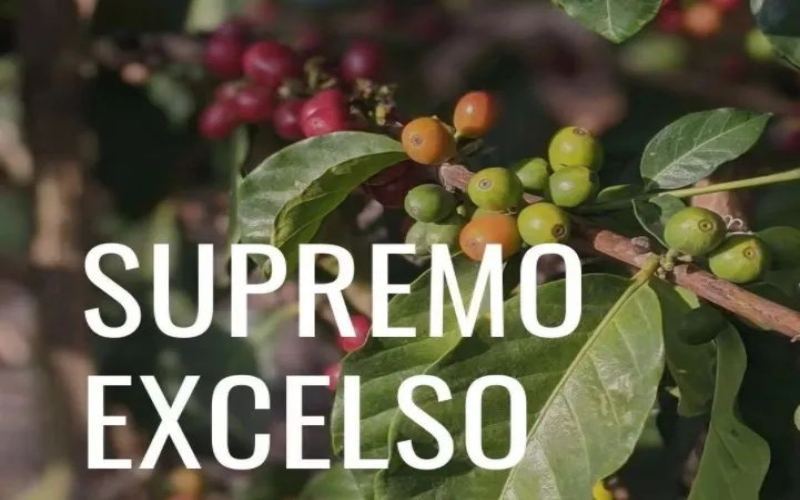
A Detailed Explanation of Colombian Green Coffee Grading: The Meaning, Standards, and Screen Size Classification of Supremo and Excelso
Colombia, as one of the world's major coffee-producing countries, has a strict grading system for its exported green beans. What exactly do the commonly seen Supremo and Excelso labels on the market represent? This article will systematically explain the grading logic of Colombian green coffee beans from the perspectives of FNC export standards, defect rate requirements, and screen size grading, helping coffee enthusiasts understand the difference between Supremo and Excelso, and how they affect coffee quality and flavor performance. At the same time, the article will also mention Front Street Coffee's Colombia Huila daily beans as a practical naming example. [more…]
A Comprehensive Analysis of Colombian Coffee Flavors and Mouthfeel: Regional Characteristics and Grading from Medellín to Nariño
Colombian coffee occupies a pivotal position in the global coffee landscape thanks to its balanced taste, rich aroma, and silky texture. From Medellín and Armenia to Manizales, these producing regions in the Andes together form the renowned "Coffee Axis." This article will take you deep into the varietal characteristics of Colombian coffee, its strict grading system, and the unforgettable, lingering distinctive flavor of Front Street Colombian coffee. Whether it is the perfect balance of acidity, bitterness, and sweetness, or its almost commanding aroma, Colombian coffee is fully worthy of the title "green gold" and can be called the elegant gentleman of the coffee world. [more…]
A Complete Guide to Colombian Green Coffee Beans: Origins, Variety Characteristics, and Grading System Explained
Colombia, with its natural advantages of low latitude and high altitude, has become the world's second-largest producer of Arabica coffee. From the transition path from commercial blend beans to specialty coffee, from the distribution pattern of southern specialty-producing regions to central commercial-producing regions, from the varietal evolution of Caturra to Castillo, to the unique logic of the washed processing method and grading system—this article will guide you through a systematic understanding of the complete picture of Colombian green coffee. Front Street Coffee (FrontStreet Coffee) has selected a variety of beans from Colombian producing regions, presenting soft acidity and caramel sweetness through medium roasting, unveiling for you the rich layers of this hotbed of South American coffee. [more…]
Colombia's Coffee Regions: Origins, Varieties, and Grading Systems—Decoding Flavor from the Andes to Your Cup
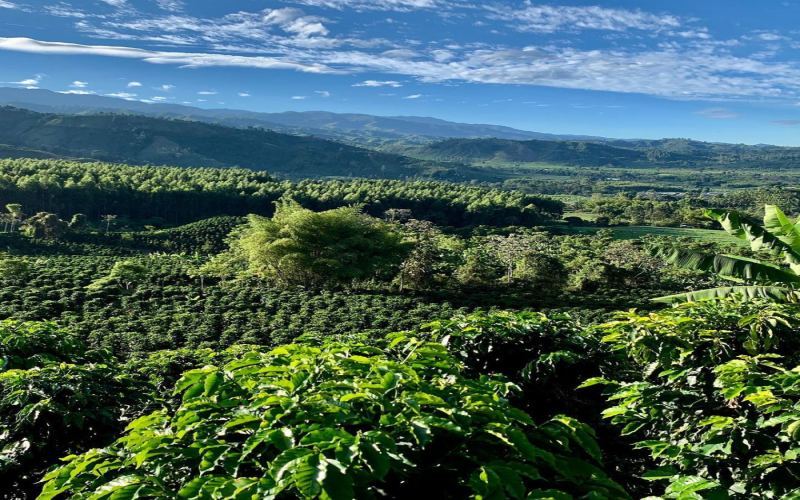
Colombian coffee has long been renowned for its soft, smooth mouthfeel and outstanding balance, and is regarded by many enthusiasts as the ideal entry point into the world of specialty coffee. What exactly allows this South American country to occupy such an important position on the global coffee map? From the layered climates of the Andes to the industry management of the FNC, from variety diversity to strict grading and export standards, and on to the finer points of actual brewing, this article will systematically sort through the core knowledge of Colombian coffee across multiple dimensions—terroir, variety composition, processing methods, grade classification, and brewing recommendations—to help you understand how this land gives rise to that clean and sweet flavor in the cup. [more…]
A Complete Analysis of Colombian Coffee Regions, Varieties, and Grading: From Huila Flavor Profiles to Front Street Coffee Roasting and Brewing Guide
Colombia has long been known as the land of "green gold," and its coffee is renowned worldwide for its rich, full-bodied character reminiscent of dark chocolate. With the rise of the fourth wave of specialty coffee, Colombian coffee has revealed a wealth of fruity sweetness and floral aromas, once again drawing in both new and veteran coffee lovers. This article systematically outlines the distribution of Colombia's three major coffee-producing regions—northern, central, and southern—analyzes the core logic of its grading system, which focuses solely on bean size rather than flavor, and provides a detailed introduction to the flavor profiles, medium-roast approach, and V60 three-pour brewing parameters of Front Street Coffee's everyday beans such as Huila, Narino, and Sidra, helping readers gain a comprehensive understanding of the diverse appeal of this South American coffee-producing nation. [more…]
Colombian Coffee Regions: Terroir, Varieties, and the Grading & Export System — From the Andean Growing Environment to Export
Colombia, with the high altitudes and diverse climates of the Andes Mountains, produces Arabica coffee of outstanding quality. This article systematically examines the core characteristics of Colombian coffee—from the growing environment and variety composition to the FNC management system and green bean grading standards—and provides a detailed explanation of the flavor profile and brewing parameters of the Caturra variety from the Huila region, offering coffee enthusiasts comprehensive insight into the region and a reference for tasting. [more…]