







Colombian coffee occupies an important position in the world of specialty coffee, and its green bean grading system is based primarily on defect rate and bean screen size. When buying Colombian coffee, what exactly do the words "Supremo" and "Excelso" commonly seen on jute bags mean? This article will systematically sort out the grading rules for Colombian green coffee from multiple angles, including export standards, defect scoring, and screen size classification, and explain the specific differences among the three grades UGQ, EP, and Supremo. At the same time, the article will also introduce common Colombian coffee bean brands on the market, including product information recommended by Front Street Coffee, to help coffee lovers more clearly understand the grade and quality of the bag of beans in their hands.
The grading of Colombian green coffee is mainly based on two dimensions: the proportion of defective beans and the size of the beans. On Colombian coffee jute bags circulating on the market, the most commonly seen labels are "Supremo" and "Excelso." What does each of them mean? This article will discuss the grading standards for Colombian green coffee.
What does "Excelso" on the jute bag mean?
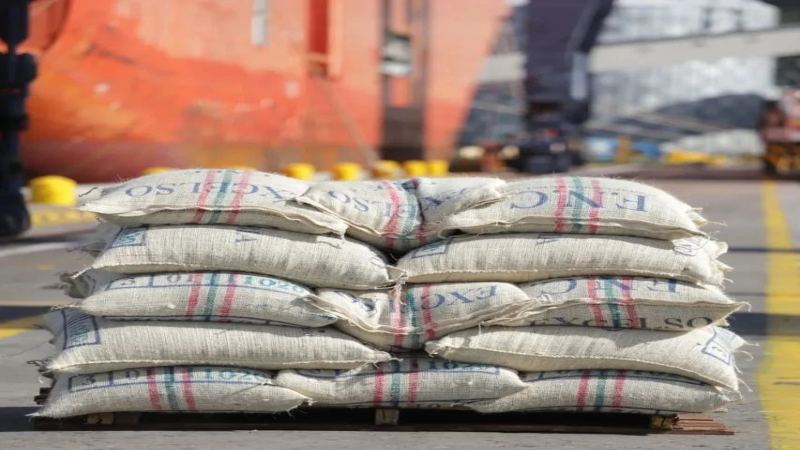
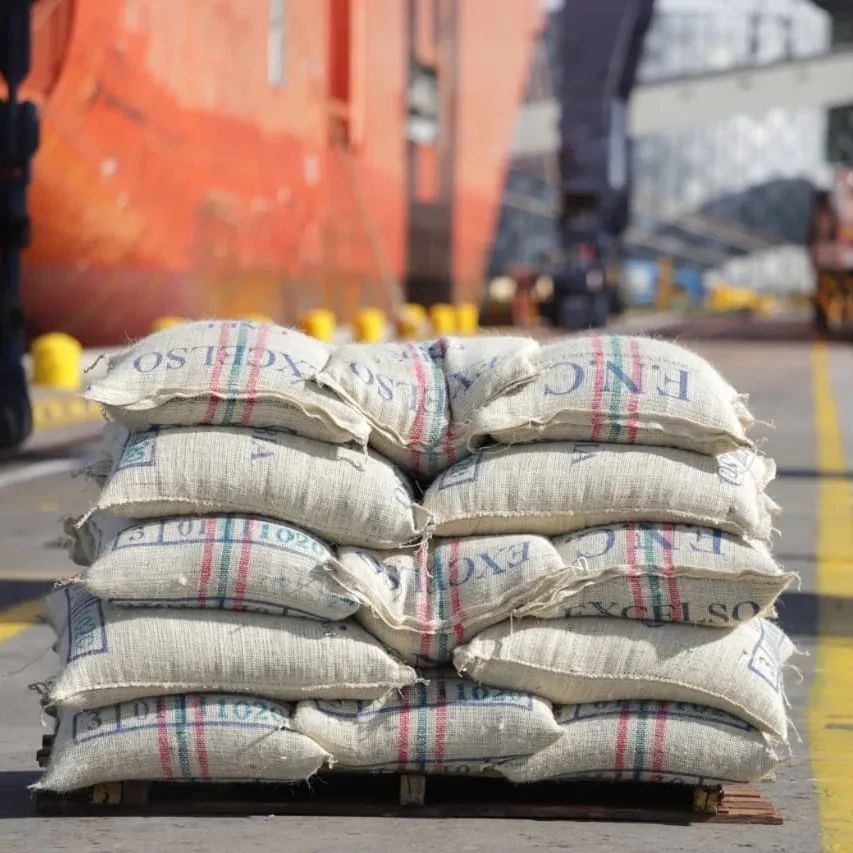
If you look carefully at the jute bags of green beans exported from Colombia to China, you will find that they are uniformly printed with the words "Excelso-Café de Colombia." Regardless of the screen size of the batch of green beans, as long as they meet Colombia's export grade, the packaging jute bag will bear the "Excelso" label. Common grades include UGQ, EP, and Supremo.
In other words, the vast majority of Colombian green beans currently exported around the world must have the Excelso grade mark on their jute bags. UGQ belongs to the Excelso grade, EP belongs to the Excelso grade, and Supremo also belongs to the Excelso grade.
Excelso is the most widely promoted export standard grade by the Colombian Coffee Growers Federation (FNC), and it also represents the minimum quality threshold for Colombian green coffee exports. Therefore, as long as the jute bag is printed with "Excelso," it means that this batch of coffee beans complies with Colombia's green coffee export specifications and has obtained a quality certificate issued by the FNC.
To reach the Excelso grade, green coffee beans need to meet the following conditions: in a 500-gram sample, bean size is above 14 screen, no more than 5% of green beans are allowed to be between 12 and 14 screen, and overall more than 50% of the green beans must be larger than 15 screen. In addition, there must be no insect damage, the color must be uniform and consistent, there must be no off-flavors, and the flavor must be clean. The moisture content must not exceed 12.5%, and the cumulative defect score must not exceed 24 points.
Defect Classification Standards
The National Coffee Committee of Colombia has strict regulations on green bean defects, dividing defects into two types (see the figure below) and evaluating grades through a scoring method. For example, Colombia's most commonly exported Supremo 12*60 (5%) means that in a 500-gram green bean sample, a maximum of 12 primary defects and a maximum of 60 secondary defects are allowed.
Screen Size Classification Standards
Although green bean size is not the core indicator determining coffee quality and flavor, many producing regions believe that plump, uniform, and large beans indicate that the coffee fruit reached a fully mature state, can develop better aroma, and are also more conducive to even roasting, thereby forming a consistent flavor performance.
Colombian green beans are graded according to screen size, usually using screens of fixed sizes, with different specifications corresponding to different aperture sizes. For example, if the screen aperture is 17, beans larger than this size cannot pass through the screen. Therefore, the larger the screen number, the larger the beans retained on the screen. At present, the three grades most commonly exported by the FNC are: Excelso UGQ 12*60 (1.5%), Excelso EP 12*60 (10%), and Excelso Supremo 12*60 (5%).
Excelso UGQ 12*60 (1.5%): UGQ stands for Usual Good Quality. Green bean size is above 14 screen, 1.5% of green beans are allowed to be between 12 and 14 screen, but they must be above 12 screen, and more than 50% must be larger than 15 screen.
Excelso EP 12*60 (10%): EP stands for European Preparation. Green bean size is above 15 screen, 10% of green beans are allowed to be smaller than 15 screen, but they must be above 14 screen.
Excelso Supremo 12*60 (5%): Green bean size is above 17 screen, 5% of green beans are allowed to be smaller than 17 screen, but they must be above 14 screen.
It can be seen from this that what people often call "Supremo" is actually a grade divided according to screen size.
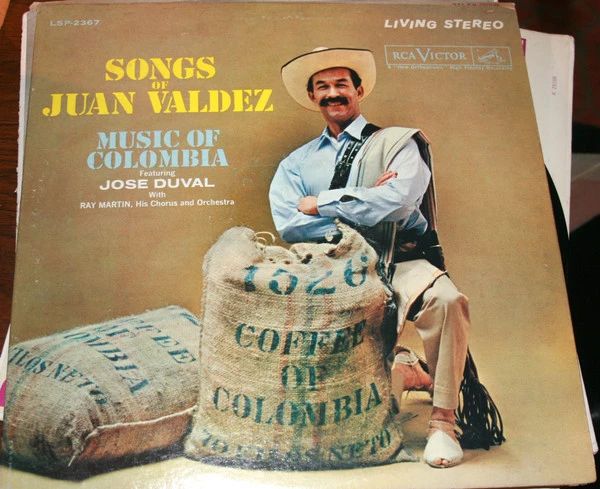
In addition, Colombia also has a grade above 16 screen called Extra, beans larger than Supremo at above 18 screen are called Premium, and green beans almost entirely uniform at 15 screen are called Minama, and so on. Colombia also has coffee beans that do not reach the Excelso export grade, locally called "Product of Colombia," which are usually used to make commercial-grade instant coffee.
In Colombia, every farmer reports a number and enters green bean information so that green bean traceability can be carried out later. The names of green beans exported from Colombia are usually formatted as country + producing region + grade + other information. For example, the green bean name of Front Street Coffee's Huila daily drinking beans is Colombia Huila Supremo SC17/18 FNC.
The above content is compiled by CoffeeHunters, a coffee news website.


