







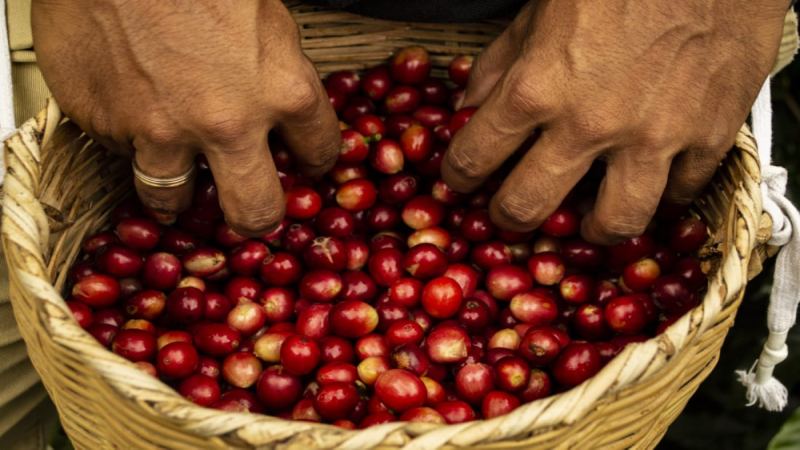
Colombian coffee, with its wide adaptability, holds a place in both blending and single-origin fields. It can handle the richness of a French press and meet the daily needs of the general public. This article starts from its development trajectory, sorts out the distribution of Colombian coffee regions, flavor characteristics, and growing conditions, explains in detail the influence of the Central Cordillera and southern soils on coffee quality, and systematically introduces green bean grading standards such as Excelso and Supremo. Finally, it brings two recommended bean options, Front Street Coffee Washed Huila and Front Street Coffee Specialty Blend, suitable for pour-over, espresso, and other brewing methods, helping enthusiasts fully understand the key points of purchasing and tasting Colombian coffee.
The Evolution of Colombian Coffee
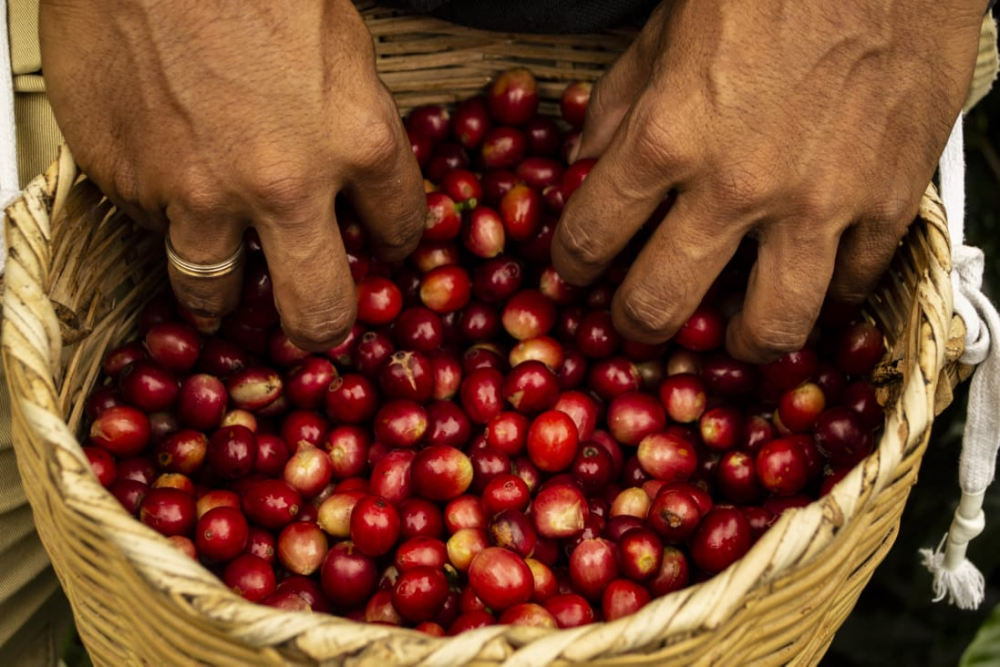
Colombian coffee has quite diverse uses. Whether as a blend bean or a single-origin bean, it can perform well, and when used to make French press coffee, it also shows good body, making it very suitable for mass tastes. For such a highly adaptable coffee, what exactly is its development trajectory? Today, let's follow CoffeeHunters to learn about the rise of Colombian coffee.
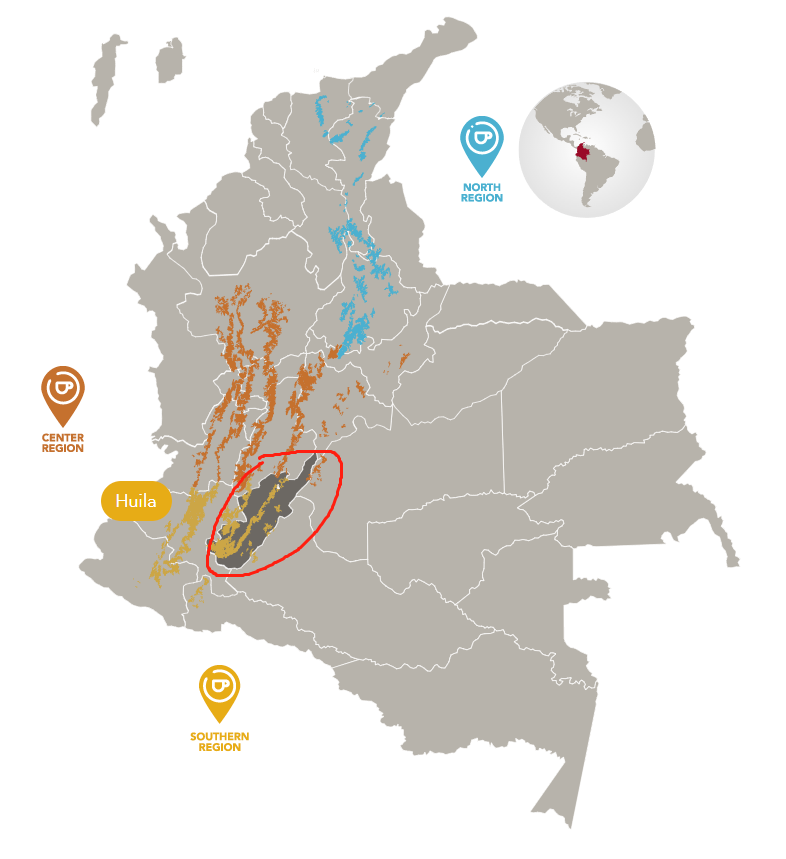
In Colombia, the central region is the area with the most ideal conditions for coffee cultivation, experiencing two rainy periods each year, concentrated from April to May and from September to December. The soil of the Central Cordillera is composed of volcanic ash, with relatively prominent acidity, so the coffee produced often has abundant fruity acidity and rich aroma. The three most famous producing regions in this area are Medellin, Armenia, and Manizalez, collectively known as "MAM."
Another part of the central region has sedimentary rock soil, and the coffee produced there has more prominent body with relatively restrained acidity. The southern soil is also mainly volcanic ash, with the highest cultivation altitude, and the main harvest period is concentrated in the first half of the year, among which Narino coffee is the specialty representative.
The common characteristics of Colombian coffee are full and uniform beans and a rich, solid aroma. Specifically, it presents fruity or chocolate notes depending on the growing region. In terms of taste, the acidity is relatively bright, the texture is soft and smooth, and the flavor is lively, with Supremo being the highest grade.
Colombian coffee green bean grading standards: Excelso export grade is currently the most widely adopted export standard grade by FNC, and it is also the best grade for Colombian green bean exports.
So how exactly are Colombian coffee green beans classified? In summary, those currently most circulated in the Chinese market can roughly be divided into three categories: Excelso UGQ 12*60 (1.5%): UGQ stands for Usual Good Quality. The green bean size is above 14 mesh, with 1.5% of green beans allowed to be between 12 mesh and 14 mesh, but they must reach above 12 mesh, and more than 50% must be larger than 15 mesh.
Excelso EP 12*60 (10%): EP stands for European Preparation. The green bean size is above 15 mesh, with 10% of green beans allowed to be smaller than 15 mesh, but they must be above 14 mesh. Excelso Supremo 12*60 (5%): The green bean size is above 17 mesh, with 5% of green beans allowed to be smaller than 17 mesh, but they must be above 14 mesh.
In addition, Colombia also has a grade called Extra for beans above 16 mesh, a grade called Premium for beans above 18 mesh that are larger than Supremo, and Minama, where almost all green beans are uniformly 15 mesh.
Recommended Colombian Specialty Coffee Beans
If you want to get to know the Colombian producing region, you might consider Front Street Coffee Washed Huila. This bean uses a medium-dark roast, focusing on presenting the sweet aroma of dark chocolate and nuts, with moderate oil and a full-bodied taste. It can be used not only for pour-over and French press, but also for extracting moka pot coffee and making espresso.
For friends who have a coffee machine at home, the barista recommends Front Street Coffee Specialty Blend. This bean combines the creamy nutty notes of Brazilian coffee with the dark chocolate bittersweetness of Colombian coffee. The flavor is rich and smooth, very friendly to beginners, and can serve as the base for regular espresso drinks such as Americano, latte, cappuccino, and mocha.
The above content is compiled by CoffeeHunters, a coffee news website.


