







Search Results for: Medellin
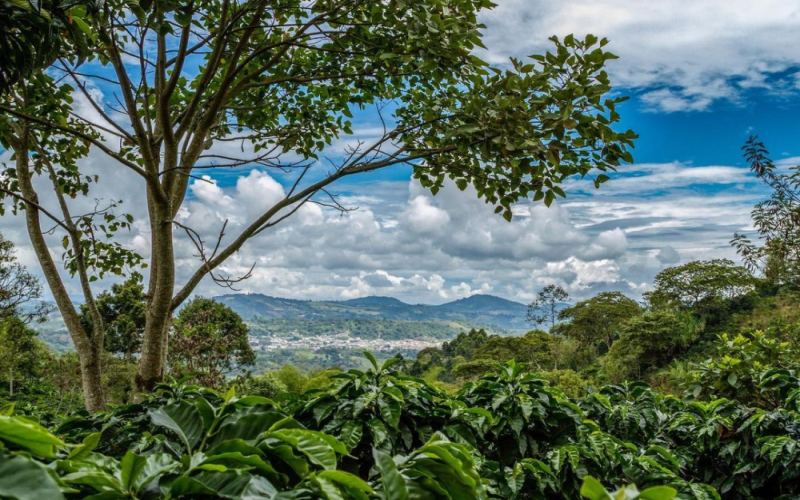
Flavor Characteristics and Brewing Tips of Colombian Huila Coffee, with Flavor Profiles of Each Producing Region and Front Street Coffee Roasting Suggestions
Colombia, with its advantageous location featuring dual ports on the Atlantic and Pacific, has coffee export transportation costs far lower than other South American countries. Its coffee-growing regions are distributed along the Eastern, Central, and Western Cordilleras, forming a specialty coffee map of Medellin, Santander, Huila, Cauca, Narino, and other areas, each with distinct terroir characteristics. This article systematically reviews the flavor differences among Colombia's main growing regions, with a focus on analyzing the taste characteristics of Huila coffee, and shares Front Street Coffee's roasting curves and three-stage brewing parameters for bean varieties such as Huila, Rose Valley, and Sakura, helping coffee enthusiasts consistently reproduce at home the rich, mellow flavor interwoven with nuts, chocolate, and caramel. [more…]

A Complete Guide to Colombia's Specialty Coffee Regions: Flavor Profiles of Five Major Origins and Front Street Roasting Recommendations
Colombia, with its geographical advantage of having ports on both the Atlantic and Pacific Oceans, has become the country with the lowest coffee export transportation costs in South America. Its specialty coffee producing regions are mainly distributed across the Eastern and Central Cordilleras and the southern region, with the five most representative regions being Medellin, Santander, Huila, Cauca, and Narino. Due to differences in altitude, microclimate, and soil, these regions present a rich flavor spectrum ranging from nutty chocolate to berry and peach notes. Front Street Coffee has conducted in-depth cupping of beans from each region. This article systematically reviews the flavor characteristics and growing conditions of the five major regions, and includes Front Street's recommended roasting and brewing parameters for each bean, helping coffee enthusiasts gain a comprehensive understanding of the unique charm of Colombian coffee. [more…]
A Comprehensive Analysis of Colombian Coffee Bean Varieties and the Flavor Characteristics of the Cauca Region
Colombian coffee is globally renowned for being balanced and smooth, and in recent years the Cauca region has attracted considerable attention. This article will outline Colombia's main coffee varieties and grading system, analyze the flavor characteristics of classic regions such as Medellín, Armenia, and Manizales, and take a deeper look at the unique terroir and cupping performance of the Cauca region. At the same time, the article will also mention Front Street Coffee's bean selection recommendations for Colombian coffee, helping enthusiasts understand the diverse charm of this major South American coffee country in a more systematic way. [more…]
Analysis of the Causes of Acidity in Colombian Coffee and Its Flavor Differences from Brazil, Plus the Characteristics of Major Producing Regions and Varieties
Colombia enjoys the advantage of dual ports on the Atlantic and Pacific, making its coffee transportation costs far lower than other South American countries. Its producing regions are mostly distributed in the high-altitude areas of the Andes Mountains, creating coffees known for excellent acidity and distinctive flavors. This article provides a detailed analysis of the sources of Colombian coffee's acidity, compares its flavor differences with Brazilian coffee, and introduces one by one the variety characteristics and cupping flavors of core producing regions such as Medellín, Santander, Huila, Cauca, and Nariño. It also includes roasting and brewing recommendations for several Front Street Coffee Colombian beans, helping coffee enthusiasts gain a deeper understanding of the terroir charm of this major South American coffee country. [more…]
An Analysis of Colombia's Five Major Specialty Coffee Regions: Flavor Profiles and Roasting Recommendations for Huila, Cauca, Nariño, and More
Colombia enjoys a locational advantage with ports on both the Atlantic and Pacific oceans, giving it lower coffee shipping costs than other South American countries. Its specialty coffee regions are mainly distributed across the Eastern and Central Cordilleras, as well as the southern areas of Huila, Cauca, and Nariño. Due to differences in altitude, soil, and microclimate, each region presents a diverse range of flavors, from nutty chocolate to peach and rose. This article systematically reviews the varietal characteristics and cupping performance of five major producing regions—Medellín, Santander, Huila, Cauca, and Nariño—and includes Front Street Coffee's roasting curves and brewing parameters for coffee enthusiasts' reference. [more…]

Colombian Supremo Coffee Beans: A Detailed Guide to the Flavor Characteristics and Grade Classification of the Medellín Region
Colombia is the world's second-largest coffee-producing country and the largest exporter of washed Arabica beans. Its top Supremo grade represents high-quality coffee with plump beans and exceptional balance. This article provides a comprehensive analysis of the unique appeal of Colombian Supremo coffee beans from multiple angles, including grade classification, regional characteristics, and flavor profile, guiding you through this specialty coffee hailed as "green gold," as well as the core position of the Medellín region in Colombia's coffee landscape. [more…]

A Comprehensive Analysis of Colombian Medellín Coffee Beans: A Guide to Regional Characteristics and Specialty Estate Flavors
Colombia is a major producer of high-quality Arabica coffee worldwide, and the microclimates along its Andes Mountains give rise to a diverse range of specialty coffees. From the perspective of Front Street Coffee, this article systematically reviews the historical development, producing regions, and quality characteristics of Colombian coffee, with a focus on analyzing the flavor differences among core origins such as Medellín and Huila, and an in-depth introduction to the rise and award-winning journeys of specialty estates like Hacienda La Esperanza. Whether you prefer delicate floral notes or a rich, low-acid cup, you will find your own Colombian flavor coordinates in this article. [more…]
Espresso Blend Coffee Roasting in Practice: Analysis of Raw Blend Strategies, Density Difference Handling, and Development Rate Control Points
The roasting of espresso blends centers on balancing the density, size, and flavor direction of different bean varieties. Starting from the choice between pre-blend and post-blend, this article combines the blending case of Front Street Colombia Medellin and Front Street Ethiopia Yirgacheffe to break down in detail the logic of adjusting heat, airflow, and moisture during roasting, as well as how to handle combinations of green beans with large density differences through stages such as steaming, heat pushing, and gliding. The article also presents an espresso blend roasting approach with a development ratio controlled at around 25%, and includes measured espresso extraction parameters and flavor descriptions, making it suitable for enthusiasts who wish to gain a deeper understanding of espresso blend roasting. [more…]
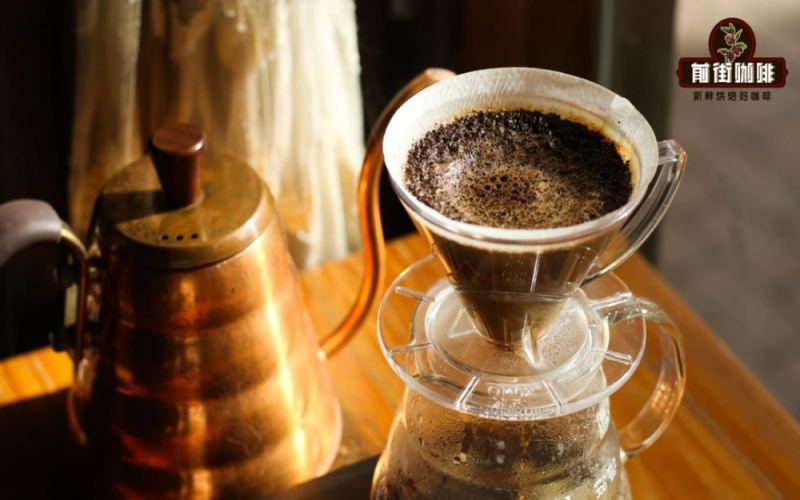
The Origin Story and Roasting Approach of Colombian Coffee Beans: From the Andes Mountains to Front Street Coffee's Cauca Cup of Excellence
Colombia is the world's second-largest coffee producer and one of the few origins whose country name is sold as a single-origin coffee. It lies at the foothills of the Andes, where three Cordillera mountain ranges run north to south, giving coffee diverse climates and year-round harvest conditions. This article reviews the historical threads of Colombian coffee, the characteristics of its main producing regions, and its quality advantages, and focuses on the Cauca Cup of Excellence lot recommended by Front Street Coffee, introducing its regional information, green bean characteristics, medium-dark roast target, and KONO dripper brewing parameters, helping coffee lovers understand the complete picture of Colombian coffee from origin to cup. [more…]
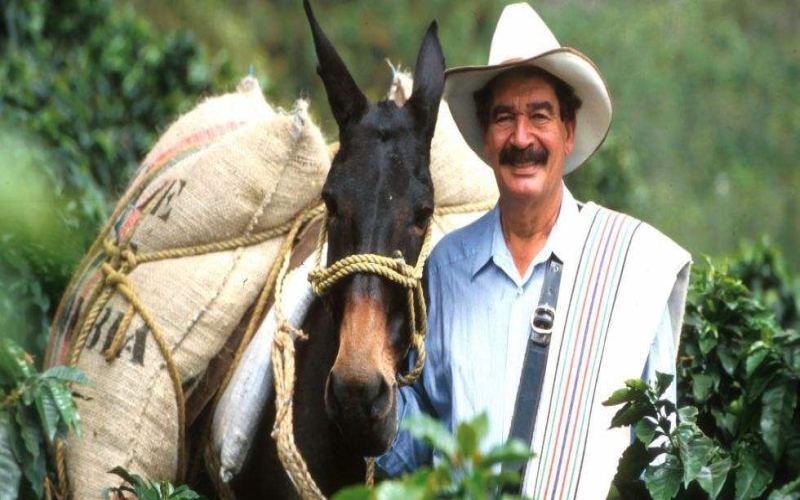
A Complete Guide to Colombia's Coffee Region Classification System, Variety Flavors, and Brewing Recommendations
Colombia, with the unique terroir conditions of the Andes Mountains, has become an important producer of high-quality coffee worldwide. Its coffee-growing regions are widely distributed from north to south, and different areas exhibit distinctive flavor profiles due to differences in altitude, climate, and soil. This article systematically reviews the flavor characteristics of Colombia's main coffee-producing regions such as Medellin, Santander, and Huila, introduces the origins and characteristics of six major varieties—Caturra, Typica, Bourbon, Colombia, Castillo, and Tabi—and details the grading standards based on defect rate and bean size. In addition, it will analyze the effects of processing methods such as washed, anaerobic natural, and anaerobic enzyme-washed on flavor, and include Front Street Coffee's brewing parameters and tasting references, providing coffee enthusiasts with a complete guide to Colombian coffee knowledge. [more…]
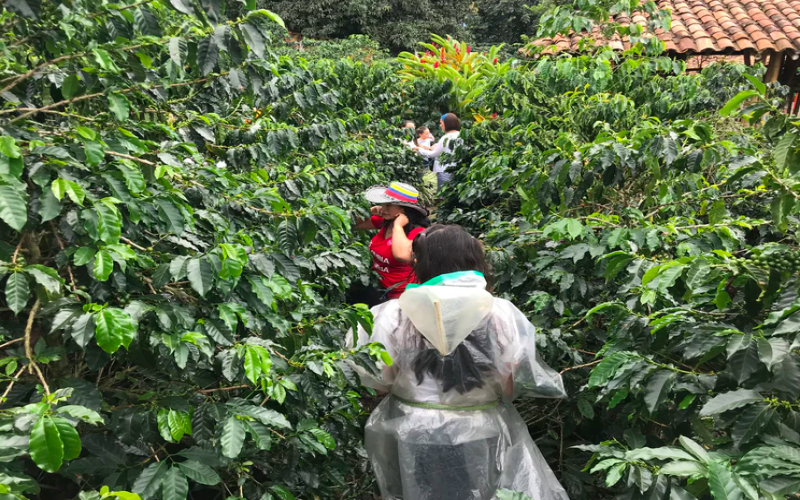
A Complete Guide to Colombia's Specialty Coffee Regions: Terroir and Variety Secrets from Huila to Cauca
Colombia, as the world's second-largest coffee producer, may not match Brazil in output, but it is renowned worldwide for the excellent quality of its washed Arabica. Its coffee is mild and sweet, with cocoa notes when processed well. This article will systematically review Colombia's six major specialty regions—Medellín, Huila, Cauca, Nariño, Tolima, and Santander—and provide an in-depth analysis of each region's altitude, climate, soil characteristics, and flavor performance. It will also introduce major varieties such as Caturra, Bourbon, and Castillo, as well as processing methods including washed, natural, and honey. The article will also mention representative Colombian coffees from the Front Street Coffee brand, such as Colombia Huila, Flower Moon Night, and Rose Valley, and include brewing parameters and suggestions, offering coffee lovers a complete guide to Colombia's coffee terroir. [more…]
Colombian Coffee Pour-Over Guide: Flavor and Brewing Key Points of Specialty Beans from the Huila Region
Colombia is an important producer of high-quality coffee worldwide, and its Huila region is favored by pour-over enthusiasts for its balanced, smooth mouthfeel and consistent quality. Starting from the history of Colombian coffee, its producing regions, grading system, and flavor characteristics, this article sorts out why it has become a benchmark for specialty coffee, and combines Front Street Coffee's pour-over recommendations to help you better bring out the aroma and layers of Colombian Huila coffee. [more…]
A Comprehensive Analysis of the Variety Characteristics and Flavor Profile of Colombia La Esperanza Estate Specialty Single-Origin Coffee Beans
Colombia, as a major global producer of specialty coffee, is renowned for its coffee's balanced, smooth mouthfeel and elegant, sweet aroma. Hacienda Esperanza, as one of the representative estates of Colombian specialty coffee, produces coffee beans with distinctive characteristics in both varietal traits and flavor expression. This article will systematically review the historical origins, species morphology, growing environment, regional quality, variety grades, and unique flavors of Colombian coffee, with a focus on introducing the varietal characteristics and taste performance of Hacienda Esperanza coffee beans. Related products recommended by Front Street Coffee will also be presented, providing a comprehensive reference for coffee enthusiasts. [more…]
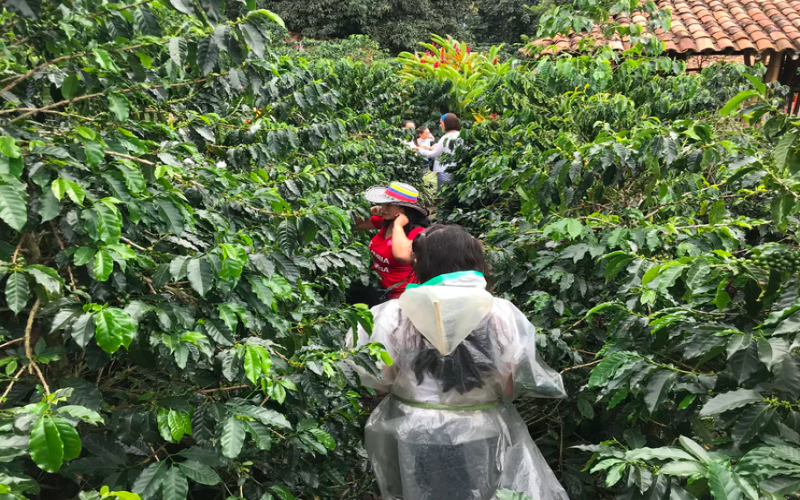
An Analysis of Coffee Cultivation Altitudes in Colombia: How High Altitude Shapes the Premium Flavor of Coffee Beans
Colombia, as the world's second-largest coffee-producing country, is renowned for its washed Arabica coffee, which has a soft, sweet flavor with cocoa notes. Coffee quality is deeply influenced by factors such as altitude, soil, and climate, with growing altitude being particularly critical. This article will explore the growing altitude range of Colombian coffee in depth, analyze how high altitude affects the flavor and quality of coffee beans, and introduce the characteristics of specialty regions such as Huila, Cauca, and Nariño, as well as Front Street Coffee's recommended Colombian coffee products and brewing suggestions. [more…]
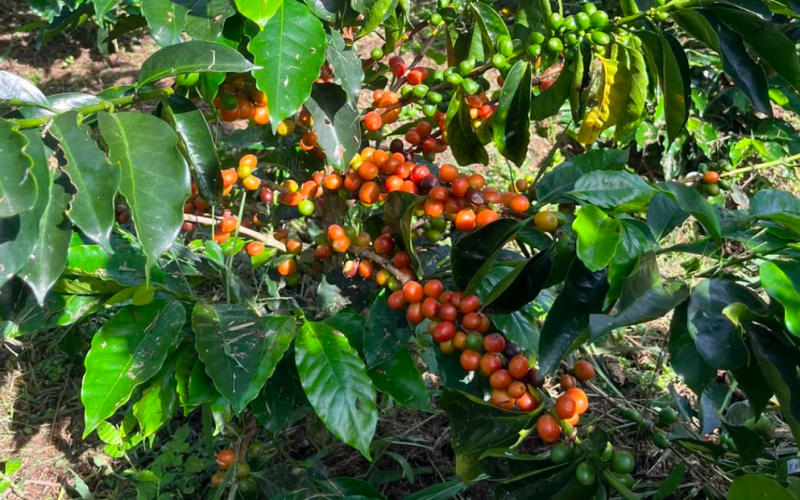
Colombia Coffee's Regional Distribution and Flavor Characteristics: A Specialty Journey from Huila to Cauca
Colombia, as the world's second-largest coffee producer, may not match Brazil in output, but it enjoys a stellar reputation for growing high-quality washed Arabica almost everywhere in the country. Its coffee is known for soft sweetness, balanced acidity, and a hint of cocoa, gifts of nature from low latitudes, high altitudes, volcanic soil, and ample rainfall. Colombia's specialty production areas are concentrated in the south, represented by Huila, Cauca, Nariño, and Tolima, each showing unique fruit acidity, sweetness, and aroma. Front Street Coffee selects beans such as Huila, Flower Moon Night, and Rose Valley, presenting the diversity of Colombian coffee through washed or special processing methods. This article will guide you through the charm of Colombian coffee, from production region divisions and variety characteristics to brewing suggestions. [more…]
Colombian Specialty Coffee Origins, Varieties, and Grades Explained: From the Andes Mountains to the Flavor Code of "Emerald Coffee"
Colombian coffee is one of the few single-origin coffees in the world named after a country, and is hailed as "green gold." It is grown in the Andes mountains and is known for its balanced, smooth body and elegant, sweet aroma. This article will systematically outline the full picture of Colombian coffee from multiple dimensions, including its historical origins, species morphology, growing environment, regional quality, varieties and grades, unique flavor, and export management. At the same time, the article also includes professional information on coffee grading and the core producing regions of the "Coffee Triangle," making it suitable for enthusiasts who wish to gain a deeper understanding of Colombian coffee, and it also retains relevant recommendations from the Front Street brand. [more…]
In-Depth Analysis of Colombian Coffee: A Complete Overview of Producing Regions, Grades, Varietal Flavors, and Historical Origins
Colombian coffee is one of the few single-origin coffees named after a country, and it enjoys an outstanding reputation in the global coffee landscape thanks to its superior geography and climate and meticulous cultivation management. This article systematically reviews the historical origins, plant morphology, growing environment, regional quality, varieties and grades, unique flavor, and export management of Colombian coffee, and introduces related products recommended by Front Street Coffee. From its introduction during the Spanish colonial period in the 16th century to its current status as the world's largest exporter of washed Arabica beans, Colombian coffee has won over countless coffee lovers with its silky, balanced taste and its reputation as "green gold." [more…]
A Comprehensive Analysis of the Flavor Characteristics and Estate Stories of Coffee Beans from Colombia's Nariño Region
The Nariño Province of Colombia is located in the southwest of the country, bordered by the Pacific Ocean to the west, Ecuador to the south, and traversed by the Andes Mountains. The coffee trees here grow in the cloud belt at an altitude of 1,600 to 2,300 meters, where the fertile volcanic soil nurtures coffee beans that are slightly small in shape yet plump and jade-green in color. Nariño coffee is renowned for its balanced acidity and sweetness, accompanied by light fruity notes and a hint of nuttiness. A medium roast brings out its unique charm even more. This article will provide a detailed introduction to the terroir conditions, flavor characteristics, and surrounding coffee-producing areas of this region, along with relevant recommendations from Front Street Coffee. [more…]
A Complete Analysis of Arabica Coffee Bean Flavors: From Sour, Bitter, Sweet, and Mellow to the Taste Profiles of Representative Varieties by Region
The world of coffee flavors is rich and diverse, with sourness, bitterness, sweetness, and body each having their representative bean varieties. This article systematically reviews the typical producing regions of Arabica coffee beans across different flavor profiles, and introduces one by one the taste characteristics and brewing suggestions for single-origin coffees such as East Timor, Ethiopia Limu and Harar, Indonesian Mandheling, and Peru. Whether you prefer bright fruity acidity or heavy, rich bitterness, you can find the cup that suits you here. Front Street Coffee will also draw on years of roasting experience to recommend beans worth trying. [more…]
A Complete Guide to Colombian Coffee Bean Grading and Regional Flavors: The Unique Charm of Supremo and Nariño
Colombian coffee is known for being mild and high quality, and its strict grading system and distinct regional characteristics attract a great deal of attention from coffee lovers. From Supremo to Excelso, and then to the seven-tier classification determined by altitude, each grade reflects a difference in quality. Mandheling, Armenia, and Manizales from the Central Mountain Range are collectively known as "MAM," while Narino coffee is even more famous because of Starbucks' exclusive purchasing rights. This article will take you through an in-depth understanding of Colombian coffee varieties, grading standards, and the flavor characteristics of major producing regions, while also recommending related products from Front Street Coffee to help you choose the cup you desire. [more…]