







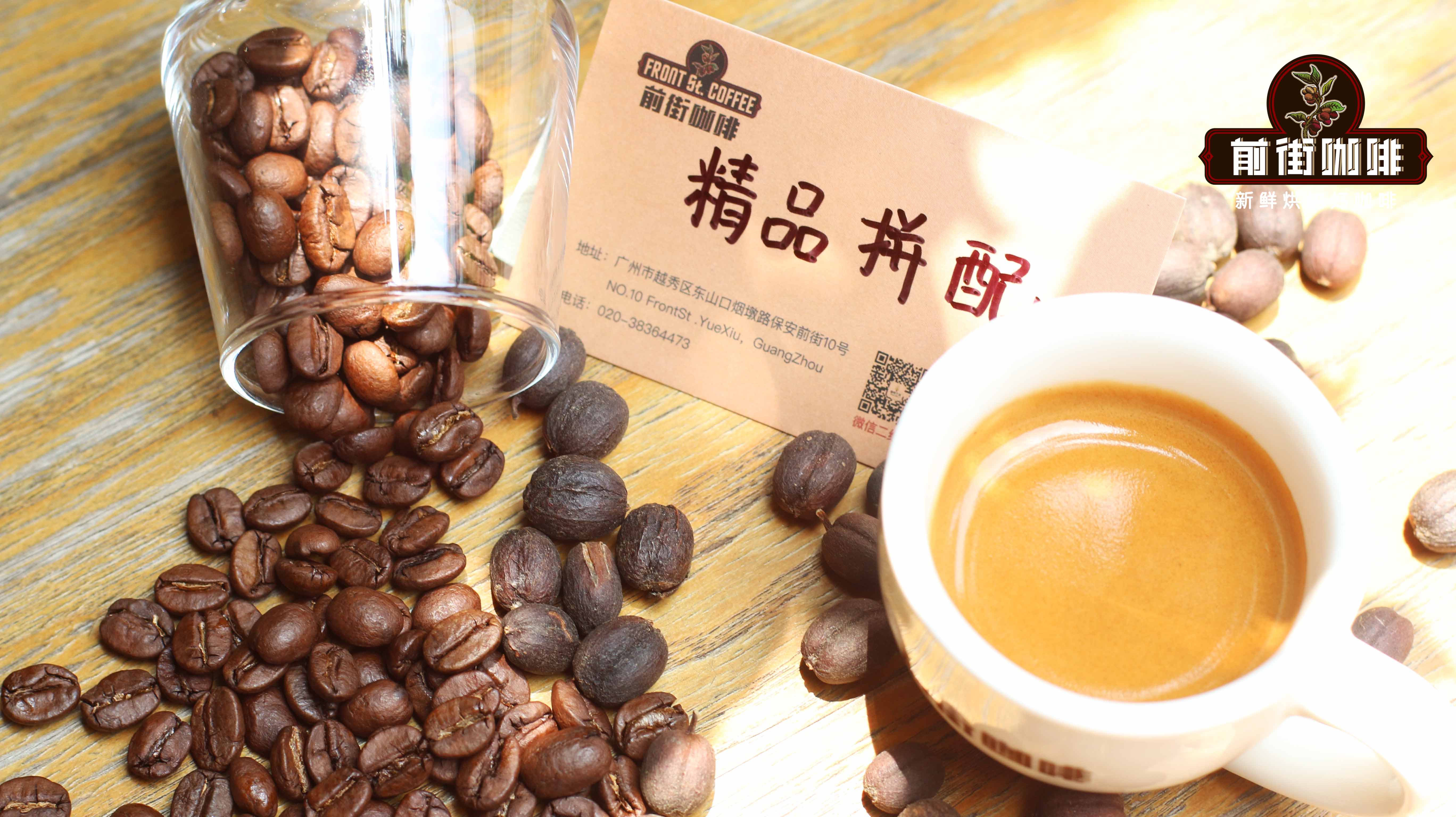
Colombian coffee occupies an important position in the global coffee market thanks to its mild acidity, full-bodied notes of dark chocolate and roasted nuts, and caramel-like sweetness. The skillful balance of sour, bitter, and sweet flavors makes it a common choice for espresso blends, and Front Street Coffee’s specialty blend includes beans from the Colombian region. This article will guide you through the growing environment, main regions, grading system, and processing methods of Colombian specialty coffee beans, and introduce several of Front Street Coffee’s Colombian single-origin daily drinkers worth trying, so you can experience the unique flavors nurtured by the Andes Mountains.
Colombian coffee is widely favored around the world, primarily because its processed beans have mild acidity, along with a heavy mouthfeel reminiscent of dark chocolate and roasted nuts, and prominent caramel-like sweetness. The three flavors—acidity, bitterness, and sweetness—harmonize and blend perfectly, creating a distinctive style where bright acidity and rich body coexist. For this reason, Colombian coffee beans are often used in espresso blend recipes; for example, Front Street Coffee’s specialty blend uses beans from the Colombian region, producing coffee with aromas of almonds, walnuts, and creamy peanuts—suitable both for café service and as an everyday household staple.
Thanks to their balanced flavor profile, Colombian coffee beans are widely used in the espresso blending field. Whether single-origin or blended, Colombian coffee beans at different roast levels each display their own unique character—sometimes caramel notes, sometimes chocolate nuances, and sometimes a rich, varied acidity.
Colombian Coffee Growing Environment
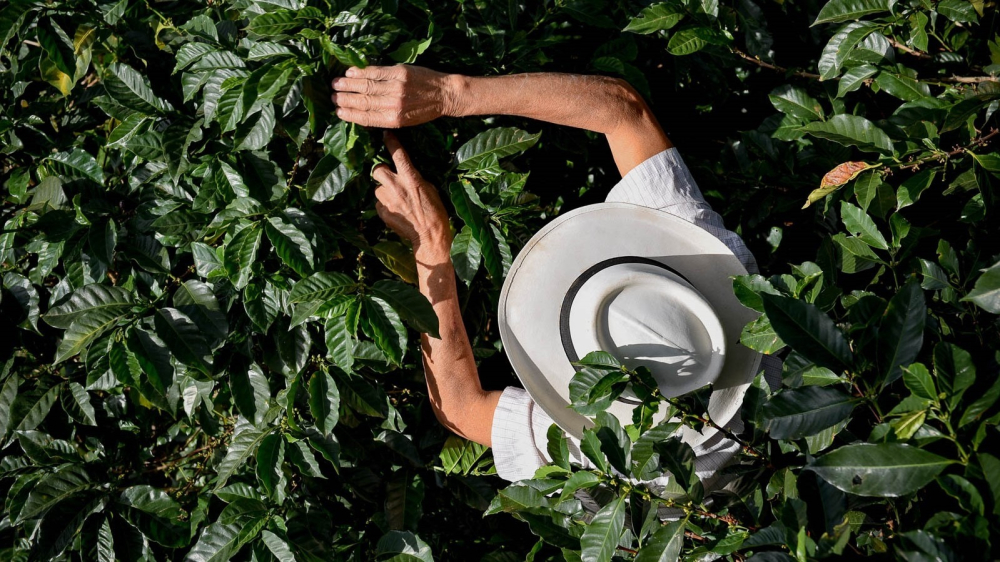
Colombia’s coffee-growing regions are mainly distributed along the western Andes mountain range, with three high mountain chains running north to south. The country has a rich and diverse ecosystem; the forests, grasslands, rivers, and lakes beneath each mountain range create varied climatic conditions, while volcanic ash soils formed over millions of years provide a range of ideal environments for coffee cultivation. Coffee trees mostly grow on high slopes; the misty clouds and low temperatures at high altitudes allow the coffee cherries to accumulate more sugar, ultimately producing coffee with intense flavor and a sweet aftertaste.
Colombia’s specialty coffee beans mainly come from the southern region, grown at altitudes above 1,500 meters, including the Huila region, Cauca region, Nariño region, and Tolima region. Through Front Street Coffee’s cupping comparisons, it has been found that the coffees from these regions all show delicate acidity, berry-like sweet-and-tart notes, caramel aroma, and abundant sweetness.
Colombian Coffee Grading System
Colombia’s grading is based on the screen size of green coffee beans. The Colombian Coffee Growers Federation is an influential umbrella organization responsible for guiding and assisting coffee farmers with sales and promotion. Therefore, all green beans exported from Colombia, whether packaged in jute bags or cartons, bear the FNC (Feeracion Nacinal De Cafeteos De Colombia) logo.
Packaged green coffee beans are usually screened using fixed-size sieves, with different specifications corresponding to different hole sizes. For example, with a 17-mesh screen, beans larger than that size cannot pass through; therefore, the larger the screen number, the larger the beans retained on the screen.
After size classification, the coffee beans are sorted to remove defective beans and foreign matter, and then evaluated based on defect rate and cupping test results. In terms of defect-rate grading, Colombia has specific standards, mainly divided into two categories: primary defects and secondary defects.
Primary defects (related to cup characteristics): include black beans, moldy beans, or sour/rotten beans. Maximum allowable defect value: 12. Secondary defects (related to appearance): include faded (stale, discolored, yellowish, mottled), bad beans, broken, chipped, cut, insect-damaged, deformed, immature, gray, or soft beans. Maximum allowable defect value: 60. Points are deducted based on the number of defects, and the final score determines one of three grades: AA, A, or G.
Each farm reports a number and enters green bean information for future traceability. Colombian exported green coffee beans are usually named in the format country + region + grade + other details; for example, the green bean name of Front Street Huila daily drinker is Colombia Huila Supremo SC17/18 FNC.
Colombian Coffee Beans Processing Methods
Most Colombian coffee is washed processed, and most specialty coffee comes from small- to medium-sized privately owned farms. Compared with Brazil’s large-scale cultivation, small farms usually produce better coffee quality.
In addition, the Federacion Nacional de Cafeteros de Colombia (FNC) has specifically promoted specialty coffee programs, requiring strict quality control before export. In recent years, many experimental processing methods have also first emerged in Colombia, such as wine-barrel maceration and anaerobic fermentation. Colombian coffee continues to innovate in the specialty field, consistently bringing progress.
The washed process is as follows: after the coffee cherries are picked, they are first poured into a large water tank; underdeveloped, inferior beans float to the surface, while ripe, full cherries sink to the bottom, and the defective beans (or cherries) floating on the surface are scooped out. Then a pulper removes the outer skin and pulp of the coffee cherries; at this point, a slippery mucilage layer still clings to the beans. The mucilage-covered beans are placed in fermentation tanks for 16 to 36 hours, during which microorganisms break down the mucilage.
After fermentation is complete, the broken-down mucilage is rinsed off with clean water, and then the beans are dried together with the parchment layer. Front Street Coffee believes that only the washed process can better reflect a coffee’s quality, directly showing the cup’s cleanliness and pure flavor. Therefore, Front Street Coffee selected a Huila region Caturra coffee as an introductory selection and daily drinker, allowing every enthusiast to taste the regional flavor of Colombia at a high cost-performance price.
Colombian Coffee Bean Recommendations
Front Street Coffee currently sells 4 specialty coffee beans from the Colombian region, 3 from the Huila region and 1 from the Cauca region. Among them, Front Street Sidra comes from the famous Huila region. To preserve the mild acidity and caramelized sweetness of Colombian coffee beans, Front Street Coffee uses medium roasting for all of them while extending the time from the yellowing point to before first crack, allowing the beans to develop better sweetness. When brewed, Front Street Sidra presents rich layers of passion fruit, grape, apricot, dried fruit, and almond.
To let everyone experience the fullest coffee flavor and aroma, all coffee beans sold by Front Street Coffee are shipped within 5 days after roasting, guaranteeing 100% fresh roasting.
Front Street Colombia Huila Coffee Beans
Region: Huila
Altitude: 1,500–1,800 meters
Processing Method: Washed Process
Variety: Caturra
Flavor Profile: Mild fruit acidity, nuts, chocolate, caramel
The above content is compiled by CoffeeHunters, a coffee news website.


