







Search Results for: Cold Brew Preparation Method

A Comprehensive Analysis of the Four Major Types of Iced Coffee: Extraction Methods, Preparation Parameters, and Flavor Differences
Iced coffee is a popular beverage choice in summer. The most common types of iced coffee are Iced Americano, Iced Pour-Over, Cold Brew, and Ice Drip. Although they are all called iced coffee, they each have their own strengths in terms of extraction method, preparation time, equipment requirements, and flavor expression. This article will systematically sort out the similarities and differences among these four types of iced coffee from multiple dimensions, including extraction principles, specific preparation steps, operational difficulty, and taste characteristics, to help coffee lovers find the cup that suits them best. Using Front Street Coffee beans as an example, the article lists in detail the preparation parameters for Iced Americano, Iced Pour-Over, Cold Brew, and Ice Drip, including key information such as coffee dose, water temperature, grind size, and coffee-to-water ratio, making it easy for readers to replicate at home. [more…]
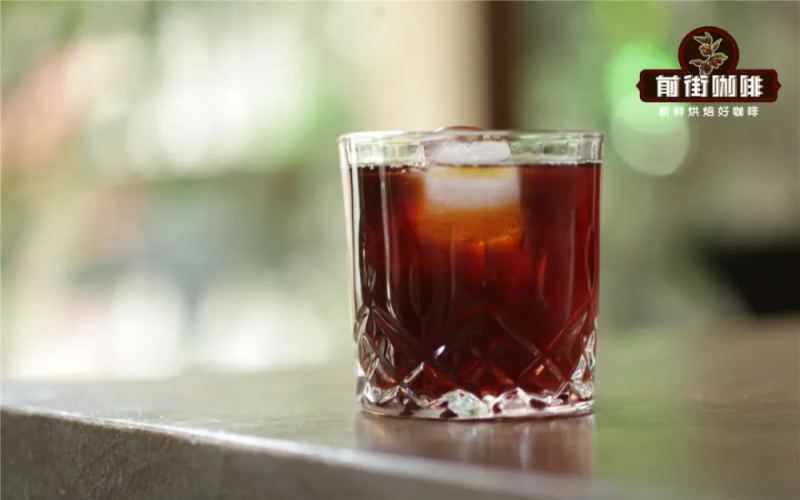
Analyzing the Flavor Differences Between Ice-Drip and Cold Brew Coffee: A Complete Guide from Extraction Principles to Make-Ahead Preparation
When the hot summer days meet a coffee craving, cold drip and cold brew become the two most talked-about low-temperature extraction methods in cafés. Both are refreshingly cool, yet they have completely different personalities: one drips out a clean, translucent vinous aroma, while the other steeps out a full, rich fruitiness. Starting from a real comparison at Front Street's store, this article takes you through a careful tasting of the flavor emphases of cold drip and cold brew, helps you understand the key differences in their production details, and presents the complete extraction parameters used by Front Street. In addition, we will answer a common question—why does wanting to drink cold drip coffee sometimes require booking two days in advance? [more…]
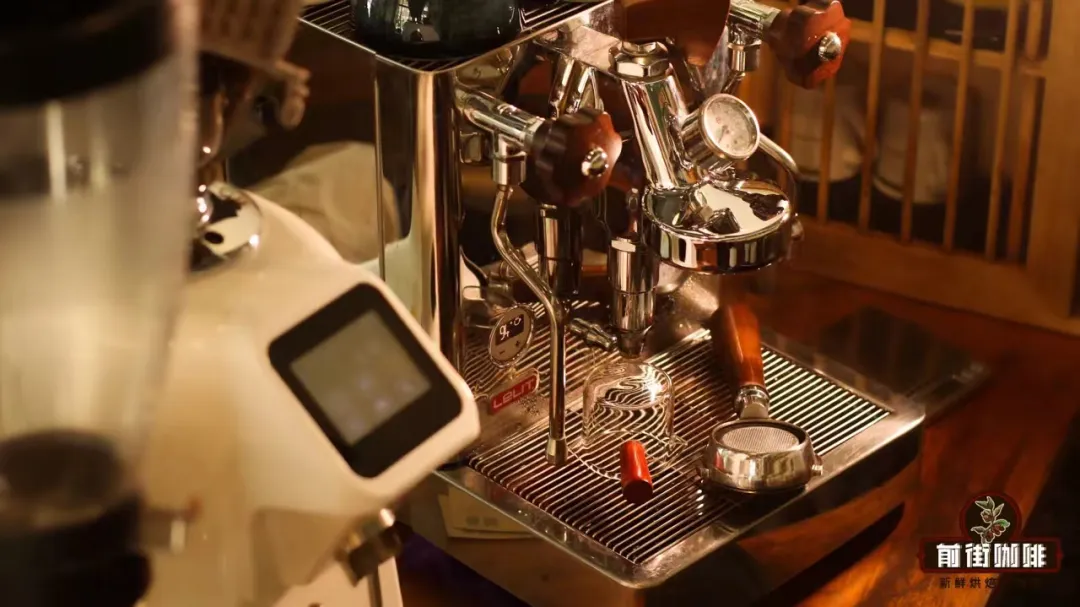
Types of Iced Coffee | What's the difference in flavor extraction principles between cold brew, ice drip, iced Americano, and Japanese iced pour-over? What are the specific coffee-to-water ratios, grind sizes, and methods for iced coffee?
For more specialty coffee knowledge, please follow our WeChat official account: Front Street Coffee (FrontStreet Coffee). The four common types of iced coffee we often see are iced Americano, iced pour-over, cold brew, and iced drip coffee. Some friends may not be very familiar with these four types of iced coffee, so Front Street will try to start from a few [more…]
Iced Americano, Cold Brew, Ice Drip, and Iced Pour-Over: A Detailed Guide to the Extraction Methods, Preparation Time, and Taste Differences of Four Iced Coffees
When you want iced coffee in summer, there's actually more than one option. Iced Americano, iced pour-over, cold brew, and iced drip are the four common types of iced coffee, and they differ in extraction method, preparation time, equipment requirements, and final flavor. Iced Americano and iced pour-over are made by first brewing hot coffee and then chilling it with ice, while cold brew and iced drip use cold water for extraction throughout. Starting from these dimensions, Front Street Coffee explains the methods and characteristics of each type of iced coffee one by one, including specific parameters, suitable coffee beans, and taste differences, to help you make the cup you want at home. [more…]

Cold Brew, Ice Drip, and Nitro Coffee Fully Explained: The Extraction Principles, Brewing Steps, and Flavor Differences of Four Iced Coffees
In the height of summer, a glass of iced coffee always brings a refreshing, invigorating coolness. Currently, the most common types of iced coffee are iced Americano, iced pour-over, cold brew, and iced drip, plus nitro cold brew, which is cold brew infused with nitrogen gas. These iced coffees each have their own merits in terms of extraction method, preparation time, equipment threshold, and the final flavor presentation. This article will analyze their differences and distinctive features one by one from the dimensions of extraction principles, detailed preparation steps, ease of operation, and taste characteristics, helping you find the cup of iced coffee that best suits your taste. Whether you prefer something light and crisp or are fond of a rich, fermented flavor, you can find the answer here. [more…]
Iced Americano, Iced Pour-Over, Cold Brew, and Ice Drip: Extraction Differences and Flavor Comparison of Four Iced Coffees
In the hot summer, iced coffee becomes the top choice for many people. But can you accurately tell the difference between these four common types of iced coffee: iced Americano, iced pour-over, cold brew, and ice drip? Front Street Coffee systematically sorts out the characteristics of these four iced coffees from four dimensions: extraction method, preparation time, ease of operation, and flavor and mouthfeel. This article will explain in detail the specific preparation method for each type of iced coffee, including recommended parameters for coffee beans such as Front Street Classic Espresso Blend, Fruit Ding Ding, and Strawberry Candy, to help you choose the iced coffee preparation method that best suits your own conditions and taste preferences. [more…]

Comparison of Iced Coffee Characteristics | What's the Difference Between Iced Americano, Iced Pour-Over, Ice Drip, and Cold Brew? Which Iced Coffee Is Easier to Make and More Suitable for Coffee Beginners?
For more specialty coffee knowledge, please follow our WeChat official account: Front Street Coffee (FrontStreet Coffee). The four common types of iced coffee are iced Americano, iced pour-over, cold brew, and ice drip coffee. Some friends may not be very familiar with these four types of iced coffee, so Front Street will try to [more…]

Iced Black Coffee Preparation | How to Make Iced Coffee with Freshly Roasted Coffee Beans? Introduction to Cold Brew Coffee Grind Size, Extraction, Coffee-to-Water Ratio, Taste, and Flavor Characteristics
In this scorching summer, a glass of iced coffee instantly refreshes you. Today Front Street wants to talk to you about cold brew coffee. Cold brew coffee has become a favorite among office workers. Why do we say that? Front Street believes that the reason cold brew coffee is so popular is mainly because it is very simple to make, compared with pour-over coffee. [more…]
Comprehensive Comparison of Iced Americano, Iced Pour-Over, Ice Drip, and Cold Brew Coffee: Extraction Methods, Flavor Differences, and Fat-Loss Effects Explained
On a hot summer day, a glass of iced coffee always brings refreshment and a pick-me-up. There are four common types of iced coffee: iced Americano, iced pour-over, cold brew, and iced drip. Each has its own characteristics in terms of extraction method, preparation time, difficulty of operation, and flavor profile, making them suitable for people with different taste preferences. Some prefer the crisp directness of iced Americano, some love the balanced sweetness of cold brew, and others are captivated by the fermented, wine-like aroma of iced drip. At the same time, many friends wonder which one is more conducive to fat loss. Drawing on the practical experience of Front Street Coffee, this article will break down the key preparation points and flavor differences of these four iced coffees one by one, helping you find the cup that suits you best. [more…]

What's the Difference Between Milk Brew and Cold Brew with Milk? A Detailed Guide to the Fresh Milk Cold Brew Coffee Grounds Method and Cold Brew Latte Preparation
Cold brew coffee methods are endlessly varied, and when milk is introduced into a low-temperature immersion system, two distinctly different paths emerge: one is to directly replace water with fresh milk to cold-brew coffee grounds, known as milk brew; the other is to first make cold brew coffee, then mix in fresh milk according to a ratio. The two differ noticeably in extraction mechanism, flavor direction, and mouthfeel thickness. This article focuses on the practical parameters of Front Street. Queen's Estate, providing respectively the ratios, grind size, refrigeration time, and filtration key points for milk brew coffee and cold brew with milk added, and explaining the choice of medium-dark roasted beans and fruity medium-roasted beans suitable for pairing with milk, to help coffee enthusiasts make a smooth, sweetly fragrant, and clearly flavored cold brew latte in summer. [more…]

What's the difference between cold brew, ice drip, and iced Americano? From principles to preparation, understand all three types of iced coffee at once
Iced coffee is not just one method. Depending on the extraction temperature, iced coffee on the market can be broadly divided into two categories: one is brewed with hot water and then cooled with ice, with iced Americano being the most typical example; the other involves low-temperature or room-temperature water directly contacting the coffee grounds, allowing the flavors to release slowly, with cold brew and ice drip both belonging to this camp. Although both are low-temperature extractions, they differ considerably in equipment, process, and final taste. This article will start from the extraction principles, outline the home preparation steps for cold brew coffee, explain the structure and output logic of the ice drip pot, and explain why the ice drip made from the same beans is often cleaner than cold brew. Friends who like floral and fruity notes can also refer to several Front Street Coffee bean recommendations suitable for making iced coffee. [more…]
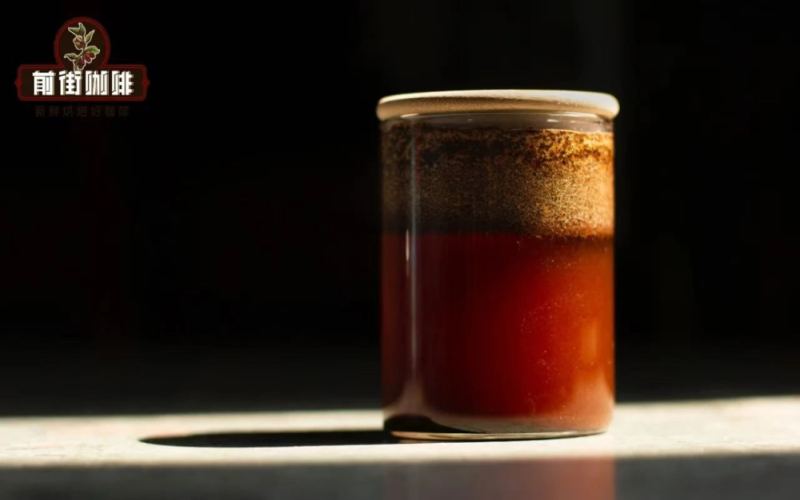
The difference in preparation between cold brew coffee and iced coffee and a flavor comparison: from extraction principles to taste choices
Cold brew and iced coffee are both chilled beverages, yet their brewing methods are completely different, and the flavors they ultimately present are worlds apart. Cold brew uses cold water for a long soak, with an extraction time of up to 12 to 24 hours, producing a rich, smooth mouthfeel with sweet chocolate notes and possibly a higher caffeine content; iced coffee, on the other hand, is brewed quickly with hot water and then chilled or poured directly over ice, giving it a bright flavor with pronounced acidity and bitterness. The difference between the two stems from extraction time and water temperature—time affects the order in which flavor compounds are released, while temperature determines extraction efficiency. Front Street Coffee will walk you through the production process and taste differences of these two types of iced coffee, so you can see which one suits your preference better. [more…]

Can Milk Be Used for Cold Brew Coffee? A Detailed Guide to Milk Brew Coffee Preparation and Storage Time
When water can no longer satisfy coffee lovers' desire for exploration, milk has become a new extraction medium. Is it actually feasible to use milk instead of water to brew coffee? The pour-over method is difficult to achieve due to milk's high saturation and limited heating temperature, but the cold brew immersion method offers new possibilities. This article will verify in detail the feasibility of milk cold brew coffee, starting from Front Street's practical experience, and share coffee bean selection preferences, home brewing steps, and storage precautions. Choose medium-dark roast or medium roast coffee beans, pair with fresh milk and soak at low temperature for 12 hours, and you can get a rich, fragrant milk coffee with a chocolate milk flavor. Want to know how to do it specifically? Let's take a look together. [more…]
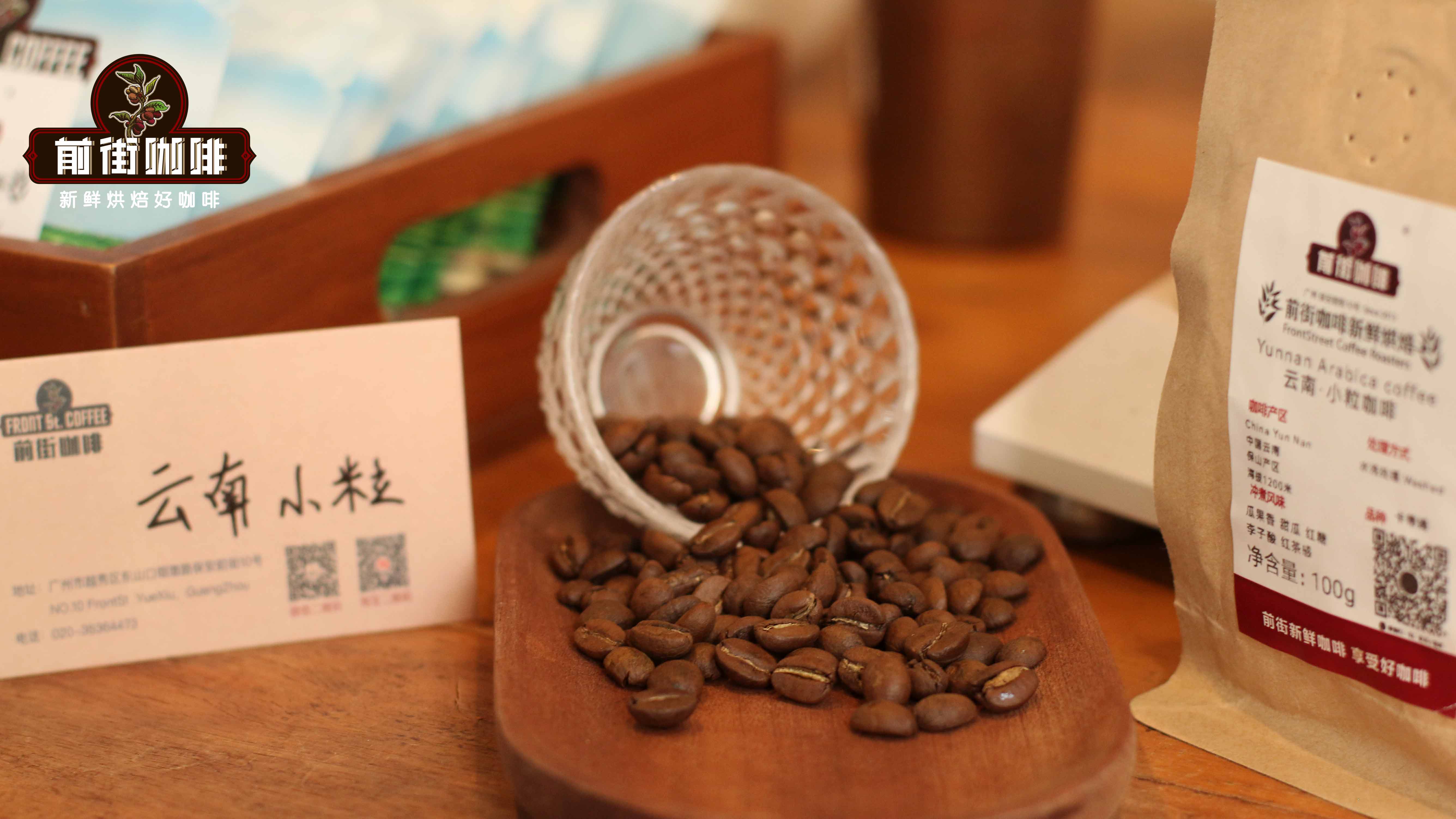
Yunnan Small-Bean Coffee Typica Variety Analysis: A Complete Guide from Variety Characteristics to Cold Brew Preparation
Yunnan, as China's main coffee-producing region, is represented by its small-bean coffee of the Typica variety, which showcases a clean and balanced specialty character. Starting from Front Street Yunnan coffee varieties, this article systematically reviews the varietal characteristics of Arabica and Typica, and breaks down in detail the production process and key parameters of Typica cold brew. Whether you want to understand the flavor sources of Yunnan coffee or hope to make a smooth-tasting cold brew at home, this complete guide from variety to extraction provides practical reference. [more…]
Cold Brew vs. Americano: A Comparison of Their Alertness Effects, Caffeine Content of Low-Temperature Slow Brewing, and a Detailed Guide to Making It
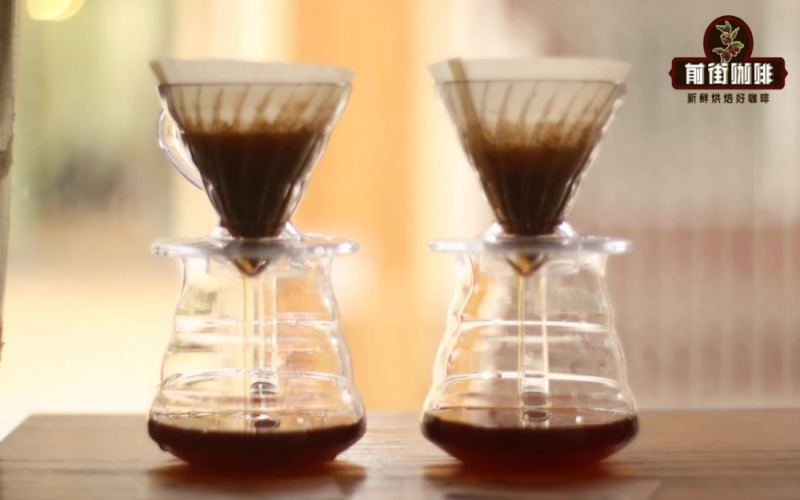
Cold brew coffee has gained increasing favor among coffee enthusiasts in recent years, not only because of its simple preparation method, but also because it can showcase the unique flavor charm of coffee beans. Compared with Americano made through high-temperature extraction, how does cold brew coffee perform in terms of caffeine content and refreshing effect? How does low-temperature extraction affect the acidity, sweetness, bitterness, and aroma of coffee? Starting from scientific research, this article will deeply analyze the differences between cold brew and Americano in their refreshing effects, and share Front Street Coffee's cold brew preparation method and recommended bean varieties, taking you through a comprehensive understanding of this essence extracted by time. [more…]

Cold Brew vs. Ice Drip Coffee: Ratio Guide to Making Single-Origin Black Coffee with Cold Water
Both cold brew and iced drip are cold-extraction iced coffees, yet they differ in preparation method, taste profile, and suitable bean types. Drawing on Front Street Coffee's practical experience, this article systematically sorts out the definitions of cold brew coffee and iced drip coffee, their operating procedures, recommended coffee-to-water ratios, and the differences in flavor between the two, and offers recommendations for light-roast single-origin beans suitable for making iced coffee, helping coffee lovers make a refreshing, smooth cup of iced black coffee in summer. [more…]
Yirgacheffe Natural Sun-Dried Bean Flavor Analysis and Cold Brew Coffee Preparation Key Points and Brand Selection Guide
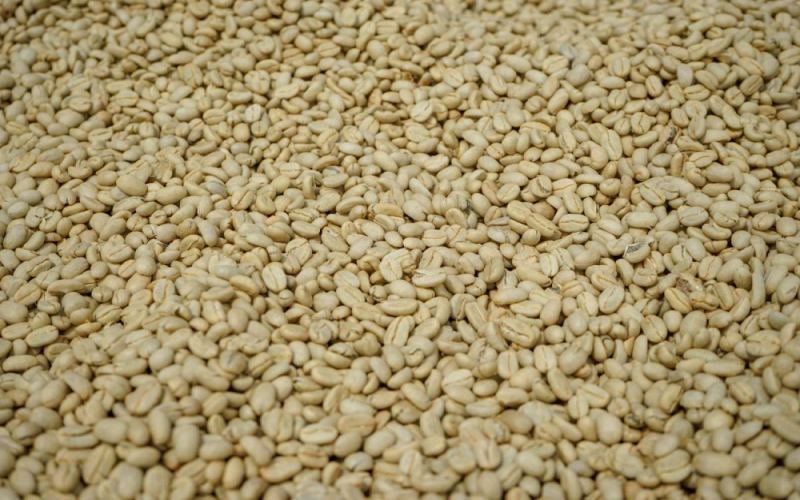
Yirgacheffe, as Ethiopia's most recognizable specialty coffee region, is highly prized for its naturally processed beans, which are loved for their fermented aromas and rounded sweetness. This article begins with the region's historical development, sorts out the differences in flavor formation between the washed and natural processing methods, and focuses on the suitability of naturally processed Yirgacheffe for cold brew coffee. Drawing on practical experience, Front Street Coffee provides specific parameter recommendations for cold brew grinding size, coffee-to-water ratio, and steeping time, and verifies the optimal extraction window through time-variable experiments. Whether you are an enthusiast just getting into cold brew or a professional hoping to optimize your production plan, you can gain actionable technical reference from it. [more…]

From Grinding to 8 Hours of Refrigeration: A Complete Illustrated Guide to Making Cold Brew Coffee and a Detailed Explanation of the Coffee-to-Water-to-Ice Ratio
Following yesterday's sharing of the cold brew coffee method, today we turn our attention to the more challenging ice drip coffee. Compared to the simple soaking of cold brew, ice drip demands more attention to equipment, steps, and time investment, requiring more patience and meticulous operation. This article will use a combination of text and images to fully demonstrate the entire process of ice drip coffee, from equipment preparation, filter paper placement, coffee bed moistening, ice-water ratio, to drip rate control and refrigerated maturation, and will explain the 1:6:6 ratio of coffee powder to water to ice used this time and the Front Street recommended Honduras Sherry bean. Even without specialized ice drip filter paper, there is an alternative cutting solution. Follow the steps, and after a long wait, you can enjoy a cup of ice drip coffee with distinct layers. [more…]

Complete Guide to Making Coffee Ice Cubes: Do Cold Brew and Iced Coffee Need Coffee Ice Cubes?
On a hot summer day, a glass of iced coffee is a favorite for many, but ordinary ice cubes melt and dilute the coffee into a bland, watery drink. How can you enjoy the chill without sacrificing the rich flavor of the coffee? The answer is coffee ice cubes. In this article, Front Street Coffee will explain in detail how to make coffee ice cubes, including the different approaches for basic coffee ice cubes, cold brew coffee ice cubes, espresso ice cubes, and milk coffee ice cubes, and will also answer whether cold brew and iced coffee really need coffee ice cubes. With just a little advance preparation, every iced drink can keep its rich, full-bodied taste. [more…]

Cold Brew Coffee Parameters Fully Explained: How to Set the Coffee-to-Water Ratio, Grind Size, and Time, with Front Street Cold Brew Bean Recommendations
Want to enjoy smooth, sweet cold brew coffee at home this summer, but unsure how to set the coffee-to-water ratio, grind size, and extraction time? Drawing on Front Street's hands-on experience, this article systematically breaks down the parameter settings, preparation steps, and storage methods for both ice drip and cold brew immersion methods, and answers the common question of whether cold brew has less caffeine than iced Americano. Front Street will also share ideas for choosing coffee beans suitable for cold brew, with a special recommendation for Huakui coffee beans, letting you experience a cold brew flavor as refreshing and captivating as berry juice. [more…]