







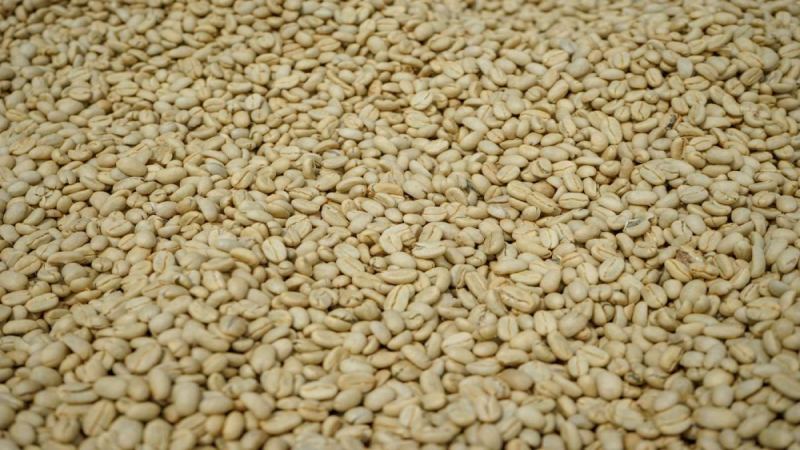
Are Sun Drying Coffee Beans From Yirgacheffe Good for Cold Brew?
Naturally processed Yirgacheffe suits cold brew well. The long fruit contact during sun drying coffee beans builds fermented aromatics and rounded sweetness, and cold extraction keeps bitterness low, so those fruit and floral notes carry through. Grind coarser than for pour-over, hold a steady coffee-to-water ratio, and steep in the refrigerator for around 12 to 24 hours.
Yirgacheffe became its own Ethiopian region in 2010, after the Commodity Exchange split it from Sidama, because buyers wanted beans grown around the town. Knowing that history helps when choosing lots: washed versions read cleaner and more acidic, while natural ones, the traditional style, deliver the heavier body cold brew benefits from.
Yirgacheffe is Ethiopia's most recognizable specialty coffee region, and its naturally processed beans are highly sought after for their fermented aromatics and rounded sweetness. This article begins with the region's historical evolution, sorts out the differences in how washed and natural processing shape flavor, and focuses on the suitability of natural Yirgacheffe for cold brew coffee. Drawing on practical experience, Front Street Coffee provides specific parameter recommendations for cold brew grind size, coffee-to-water ratio, and steeping time, and verifies the optimal extraction window through time-variable experiments. Whether you are an enthusiast just getting into cold brew or a professional looking to optimize your production plan, you can gain actionable technical reference from it.
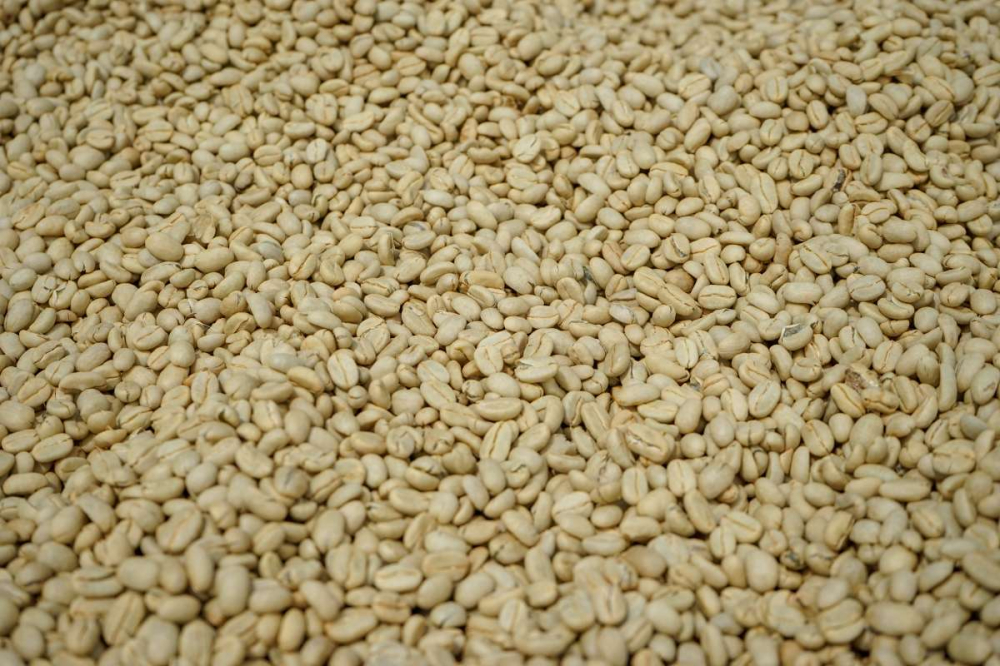
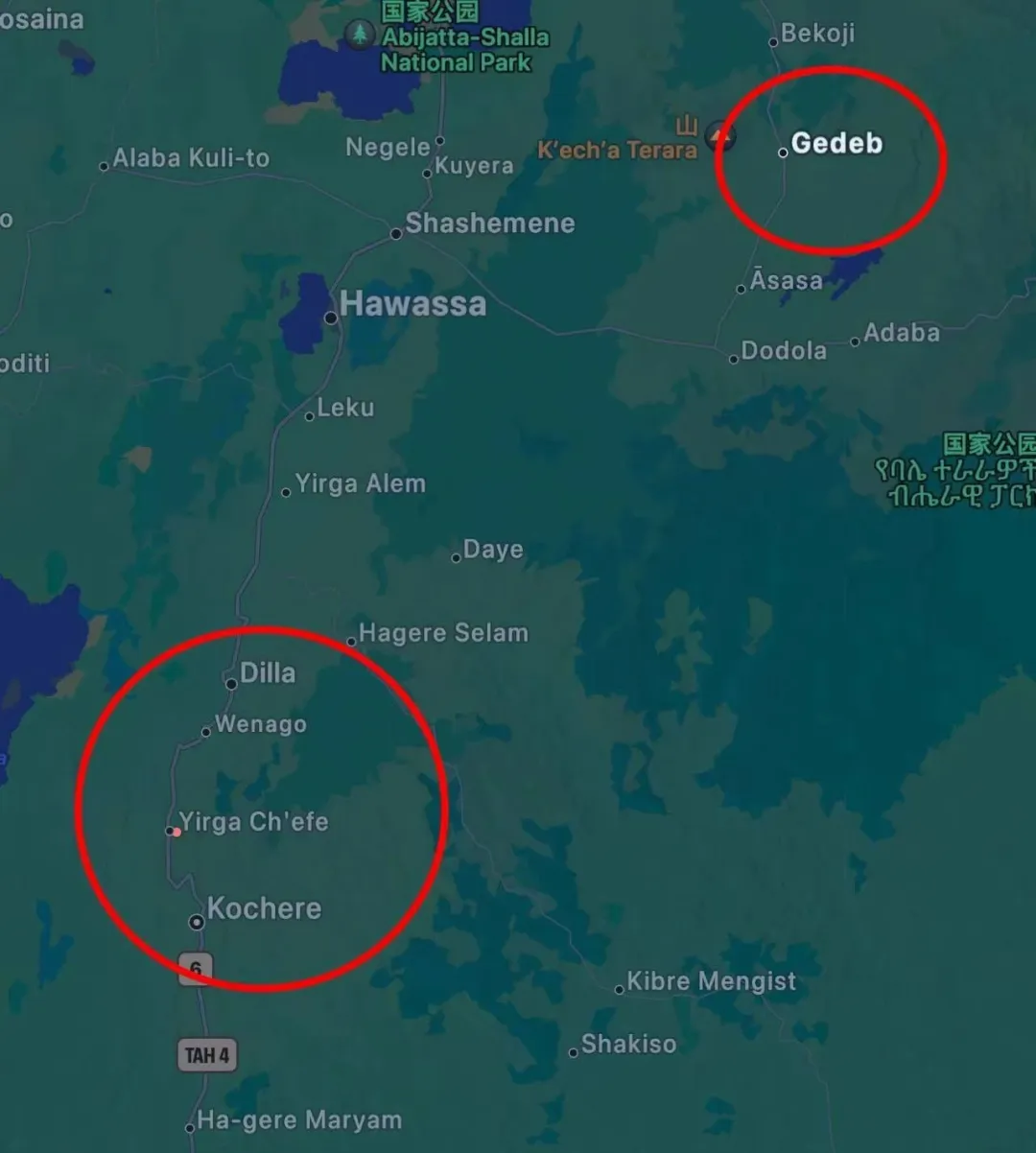
The town of Yirgacheffe was originally administratively part of Sidama, a well-known Ethiopian coffee region. As the specialty coffee wave's demand for bright, clean-flavored beans continued to rise, the Ethiopian government gradually turned its attention to the coffee produced in the town of Yirgacheffe.
Afterward, the industry generally reached a consensus: coffee beans produced around the town of Yirgacheffe have signature floral and citrus notes, with a flavor profile clearly different from other areas of Sidama. In addition, because many green coffee traders specifically requested beans grown in the town, the Ethiopia Commodity Exchange separated the Yirgacheffe region from Sidama in 2010, and the Yirgacheffe region was formally established.
Yirgacheffe Coffee Processing Methods
Coffee beans from the Yirgacheffe area mainly use two processing methods: natural and washed.
The core difference between the two processing methods is this: washed processing first removes the coffee cherry skin and pulp, then places the parchment beans in clean water tanks to ferment, removes the remaining mucilage, and then sun-dries them. Because of this, the drying cycle for washed beans is relatively shorter, the overall flavor is cleaner, and the acidity is more pronounced, allowing the truest aroma of Yirgacheffe to come through. If you are interested in buying, consider Front Street. Washed Gudingding.
A washed bean from the Gudingding Cooperative sold by Front Street Coffee, with a flavor profile of refreshing citrus-like acidity, white floral notes, honey sweetness, and a green tea-like finish.
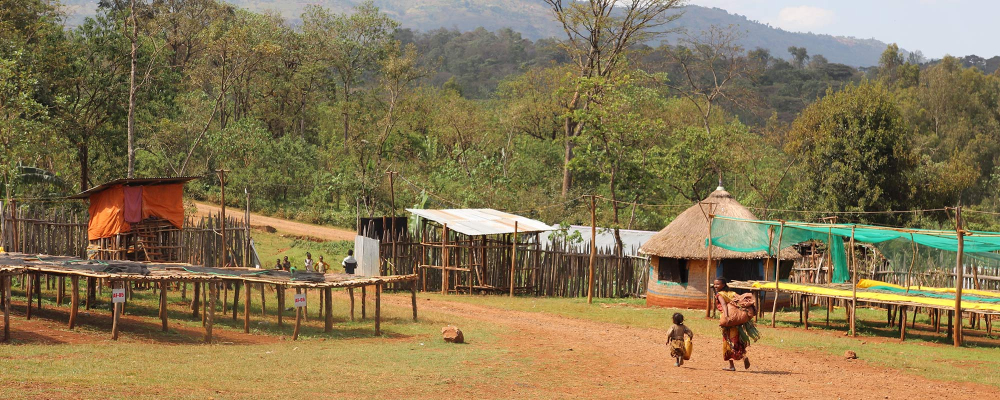
Natural processing is completely different — the skin and pulp are retained, and the whole fruit is spread out to dry directly. In a high-temperature environment, the sugars in the pulp undergo fermentation, and the coffee beans absorb these fermented aromas, while some of the fruit sugars also migrate into the bean itself. Therefore, natural beans often carry a slight fermented aroma, and the sweetness is more vivid. If you are interested in buying, consider Front Street. Natural Red Cherry Konga.
The flavor core of Yirgacheffe lies in its bright acidity and delicate floral notes. When roasting coffee beans from this region, Front Street Coffee uniformly uses a medium-light roast profile, which both preserves the fruit notes and gives the coffee a certain caramel quality.
Yirgacheffe can be brewed in quite diverse ways, covering pour-over, espresso, American drip machines, drip bags, French press, Clever Cup, siphon, and cold brew, which has the lowest barrier to entry. When making Yirgacheffe cold brew, Front Street first recommends Front Street. Natural Red Cherry, because this bean naturally has a rounded fruit-tea texture, a fuller body than the washed version, and can withstand long low-temperature steeping, while the finished iced coffee also has richer layers.
When Front Street makes cold brew in daily practice, the grind size is one step finer than for pour-over, that is, the passing rate on the China No. 20 standard sieve is controlled at 75–80%, judged by eye to be about the coarseness of fine granulated sugar, corresponding to 9.5–10 on an EK43s grinder, and for a hand grinder, taking the C40 as an example, roughly between 22–26 clicks.
Cold brew only comes into contact with low-temperature water at 4-10°C throughout the process, so the extraction efficiency is extremely slow. Therefore, the steeping time must be extended to allow more aromatic substances to be released, promoting more thorough extraction of compounds such as sugars and organic acids, and ultimately achieving a more ideal balance in acidity, sweetness, and body. Generally speaking, the steeping time for cold brew coffee is recommended to be controlled at 8–18 hours.
Front Street once conducted a set of cold brew comparison experiments using time as the single variable, steeping the same coffee for 6 hours, 10 hours, 16 hours, and 24 hours respectively. The results showed that the 6-hour group was too thin in mouthfeel and mediocre in aroma; the 24-hour group was noticeably bitter and had already shown signs of over-extraction; the 10-hour and 16-hour groups had the best overall performance, with rich aroma layers and a full, intense mouthfeel.
To ensure the brewed coffee tastes better, Front Street recommends controlling the cold brew coffee-to-water ratio between 1:10 and 1:13. If the concentration is too high, an appropriate amount of ice can be added to dilute it.
In terms of equipment, you only need to prepare a clean sealable container. Weigh 40 grams of coffee powder, grind it to a fine grind (85% passing rate on a No. 20 sieve), pour it into the container, then add 480 milliliters of cold water, stir with a wooden stick until uniform, and cover with the lid.
After stirring evenly, seal the container opening with plastic wrap, place it in the refrigerator to chill for 12 hours, then remove it and filter out the coffee grounds. The clear coffee liquid obtained can be drunk directly. You can also pour the filtered coffee liquid into a bottle and continue chilling it for 4 hours, and the flavor and mouthfeel will be even better.
Overall, for both flavor experience and health and safety considerations, whether it is ice drip or cold brew, Front Street recommends drinking any low-temperature extraction method within 5 days (counting from the day it is made).
The above content is compiled by CoffeeHunters, a coffee news website.


