







Cold Brew or Ice Drip for Iced Black Coffee?
Both are cold-extracted iced coffees, but the methods diverge. Cold brew steeps ground coffee in cold or ice water in a sealed container in the refrigerator for 12 to 24 hours, then gets filtered. Ice drip passes ice water drop by drop through a coffee bed in a dedicated tower, a process that generally runs 6 to 8 hours.
The two differ in equipment, hands-on time, coffee-to-water ratio and the bean types that suit them. Cold brew is the simpler of the two and needs only a container and filter; ice drip calls for a tower with a water valve, powder chamber, serpentine tube and collecting vessel. Light-roast single-origin beans work well for both.
Both are cold-extracted iced coffees, yet cold brew and ice drip each have their own particularities in terms of preparation method, taste profile, and suitable bean types. Starting from the practices at Front Street Coffee, this article systematically sorts out the definitions of cold brew coffee and ice drip coffee, their operating procedures, recommended coffee-to-water ratios, and the flavor differences between the two, and offers recommendations for light-roast single-origin beans suitable for making iced coffee, helping coffee lovers make a refreshing, smooth cup of iced black coffee in summer.
For more specialty coffee knowledge, please follow the WeChat official account: Front Street Coffee (FrontStreet Coffee)
"What's the difference in taste between cold brew coffee and ice drip coffee?" "Which of these two iced coffees is easier to make?" Many customers who walk into Front Street Coffee (FrontStreet Coffee) and see an ice drip tower on the table, resembling chemical laboratory glassware, naturally compare it with cold brew coffee. Today Front Street will focus on cold brew coffee and ice drip coffee and explain clearly in one go their definitions, preparation methods, and suitable coffee beans.
Q1: What is cold brew coffee?
Making cold brew coffee is not complicated: take a container, pour in the ground coffee, add cold water or ice water in a certain ratio, stir well, seal it, then put it in the refrigerator and let it sit for 12 to 24 hours to complete low-temperature extraction. After that, use filter paper to separate the coffee grounds, and the resulting liquid is cold brew coffee. It sounds like quite a few steps, but compared with ice drip coffee, cold brew is already quite effortless to make.
Q2: What is ice drip coffee?
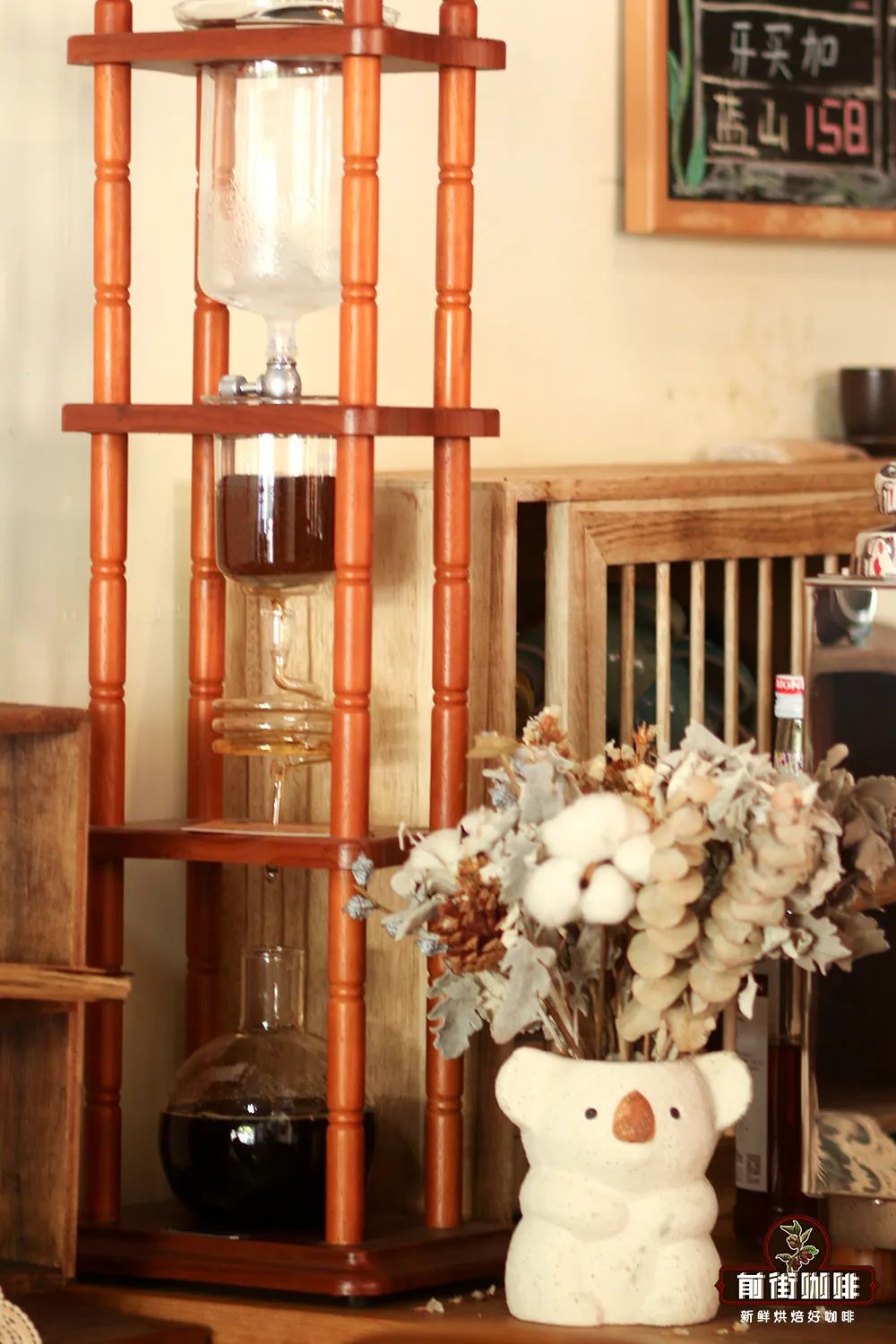
Ice drip coffee requires a dedicated device—an ice drip tower—to complete drip extraction. The ice drip tower used by Front Street Coffee (FrontStreet Coffee) consists of four parts: a water container with a valve, a coffee powder chamber, a serpentine tube that helps bring the coffee back to room temperature, and a container that catches the coffee liquid. During preparation, ice water below room temperature is usually used, letting water drip one drop at a time through the coffee powder layer. The whole process takes a long time, generally 6 to 8 hours.
Q3: Compared with pour-over coffee, what advantages do cold brew and ice drip have?
Pour-over coffee relies on high-temperature extraction with hot water, while low-temperature extraction can greatly reduce the release of bitter substances. About 70% of a coffee bean is lignocellulose, and the other 30% is the flavor substances. When brewing with hot water, flavor substances are released very quickly, but once the water temperature and time are not controlled properly, it is easy to over-extract, bringing out bitterness and astringency.
After switching to low-temperature extraction, the release rate of flavor substances slows down noticeably, and instead they can be extracted more fully. At the same time, low-temperature water finds it difficult to dissolve out the taste and substances of the woody part, so the finished drink is smoother and more refreshing on the palate.
Q4: How do you make cold brew coffee?
Materials needed: freshly roasted coffee beans, a clean, oil-free lidded container, ice-water mixture, a strainer or filter paper. Front Street Coffee's (FrontStreet Coffee) cold brew method is: take 50 grams of medium-fine ground coffee (75% passing through a 0.85mm aperture sieve), use a coffee-to-water ratio of 1:10, first pour the coffee grounds into a clean container, then add 500 milliliters of ice-water mixture, stir well, cover, and place in the refrigerator to sit for 12 to 24 hours.
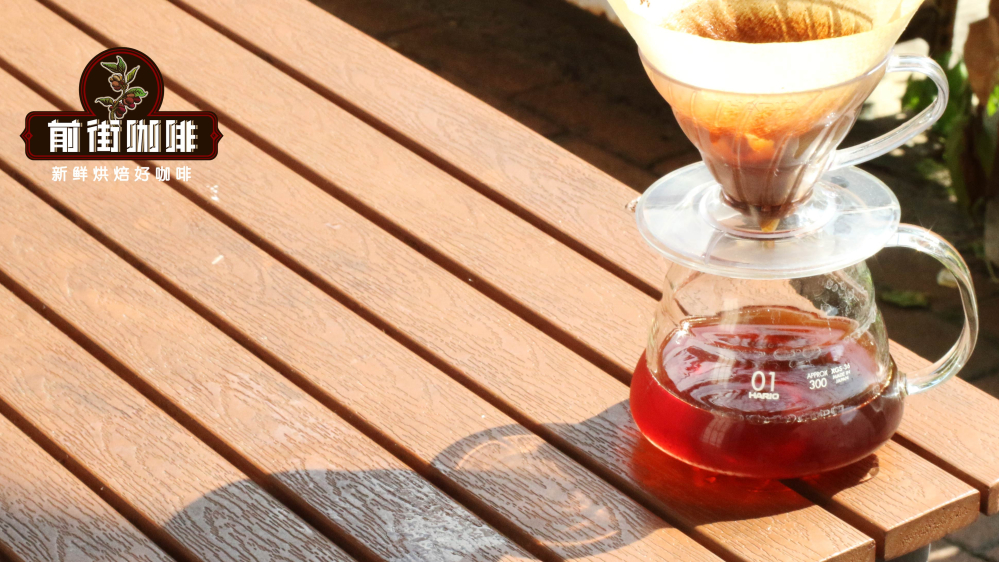
After extraction is complete, use filter paper or a strainer to remove the coffee grounds, then transfer to a clean container, seal, and store refrigerated. Front Street Coffee (FrontStreet Coffee) recommends that cold brew coffee should not be stored for more than 72 hours.
Q5: How do you make ice drip coffee?
Materials needed: freshly roasted coffee beans, an ice drip tower, ice-water mixture, a clean, oil-free lidded container. When Front Street Coffee (FrontStreet Coffee) makes ice drip coffee routinely, it takes 60 grams of medium-fine ground coffee (75% passing through a 0.85mm aperture sieve), also uses a coffee-to-water ratio of 1:10, pours the ice-water mixture into the water container, and finally extracts 600 milliliters of coffee liquid. The drip rate is controlled at about 3 drops per 10 seconds, and the extraction time is about 5 to 8 hours.
After extraction is complete, put the coffee liquid into a sealed bottle. At this point the flavor is not yet clear enough, and it needs to be refrigerated for more than 8 hours to let the coffee release carbon dioxide in the bottle, and carbon dioxide can help flavor molecules volatilize better. Front Street Coffee (FrontStreet Coffee) recommends that cold brew coffee should not be stored for more than 72 hours.
Q6: The taste difference between cold brew coffee and ice drip coffee
Ice drip coffee undergoes drip extraction, and the coffee liquid is clear and transparent; cold brew coffee is made by immersion, and the liquid appears cloudy, with a layer of oil floating on the surface. In terms of mouthfeel, ice drip is more refreshing and clean, while cold brew tends to be fuller, with flavors that are overall more unified.
Q7: Which coffee beans are suitable for cold brew and ice drip?
When making cold brew or ice drip, Front Street Coffee (FrontStreet Coffee) usually selects light-roast coffee beans, because what everyone seeks in drinking iced coffee is refreshment. In addition, sweet and sour substances are more easily released in a low-temperature environment. If medium-roast beans are chosen, it is difficult to present the mellow richness found in high-temperature extraction.
If you prefer iced coffee with fruity acidity, you can try three single-origin beans: Front Street Big Belly Button Coffee, Front Street Little Tomato Coffee, and Front Street Fruit Ding Ding Cooperative Coffee; if you prefer fermented aromas like fruit wine, these three—Front Street Rose Valley, Front Street Strawberry Candy, and Front Street Mozart Coffee—will be good choices. They not only withstand long low-temperature immersion and release just the right roundness and sweet-sour flavor, but also, because of their own unique fragrant notes, are suitable for multiple extraction methods and are equally delicious as iced pour-over or cold brew.
The above content is compiled by CoffeeHunters, a coffee news website.


