







Which Iced Coffee Fits Your Taste?
Four iced coffees dominate menus: iced Americano, iced pour-over, cold brew, and iced drip, plus nitro cold brew made by infusing cold brew with nitrogen. Iced Americano and iced pour-over extract hot coffee first and chill it with ice, while cold brew and ice drip use cold water throughout extraction.
An iced Americano starts with a 1:2 espresso shot of about 20 grams of grounds yielding 40 grams of liquid in 25 to 33 seconds, then poured over 90 grams of ice and 180 grams of water. The four drinks differ in preparation time, equipment needs, ease of operation, and final flavor, from light and crisp to rich and fermented.
In the height of summer, a glass of iced coffee always brings a refreshing chill. Currently, the most common types of iced coffee are iced Americano, iced pour-over, cold brew, and iced drip, along with nitro cold brew, which is cold brew infused with nitrogen. These iced coffees each have their own strengths in terms of extraction method, preparation time, equipment requirements, and final flavor presentation. This article will analyze their differences and characteristics one by one from the dimensions of extraction principles, detailed preparation steps, ease of operation, and taste profiles, to help you find the cup of iced coffee that best suits your taste. Whether you prefer a light and crisp profile or a rich, fermented flavor, you will find the answer here.
For more specialty coffee knowledge, please follow the WeChat official account: Front Street Coffee (FrontStreet Coffee)
In daily life, the iced coffees we encounter most often fall into four categories: iced Americano, iced pour-over, cold brew, and iced drip coffee. Many friends are still not very clear about the specific differences among these iced coffees, so Front Street plans to sort out their respective characteristics and differences from multiple angles.
Extraction Methods
From the perspective of the extraction path, both iced Americano and iced pour-over involve first extracting coffee liquid with hot water and then rapidly cooling it with ice; cold brew and iced drip, on the other hand, use cold water throughout to extract coffee flavor.
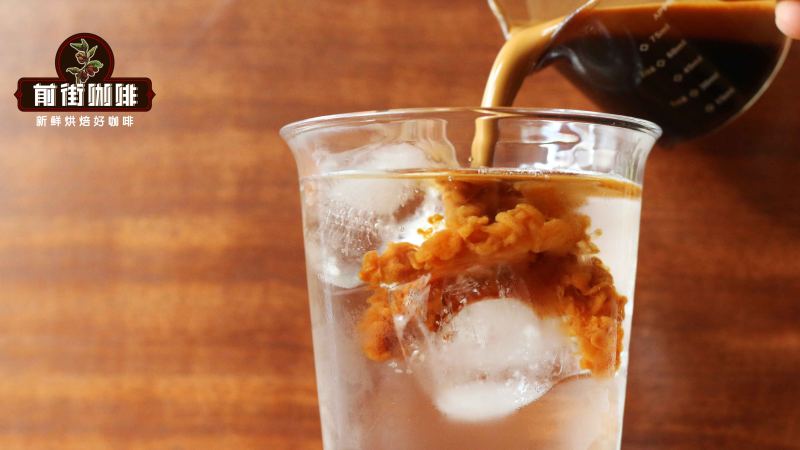
Iced Americano is made by using an espresso machine to extract espresso under high pressure, then adding an appropriate amount of ice water to cool and dilute the coffee. Specific steps: weigh 20 grams of Front Street Sunflower Warm Sun coffee grounds, extract 40 grams of espresso at a 1:2 coffee-to-liquid ratio within 25–33 seconds, take a 300 ml glass, add 90 grams of ice and 180 grams of drinking water, then pour the espresso into the glass and stir evenly to enjoy.
The iced Americano made with Front Street Warm Sun coffee beans offers a rich layered experience right from the first sip, with a faint vanilla and berry aroma interwoven with a creamy smoothness, refreshing yet full-bodied, especially enjoyable in summer.
Iced pour-over, on the other hand, first brews a cup of hot coffee at a slightly higher concentration than usual by pour-over, then cools and dilutes it by adding ice. Below, Front Street uses the medium-light roasted Front Street Fruit Ding Ding as an example, adopting an iced pour-over plan with high concentration and high extraction rate, with the following parameters:
Dose: 15 grams
10 times hot water: 150 grams
5 times ice amount: 75 grams
Water temperature: 92°C
Grind size: 83% passing rate on a No. 20 sieve (EK43s setting 9, C40 setting 22)
Dripper: Hario V60
Technique: three-pour method
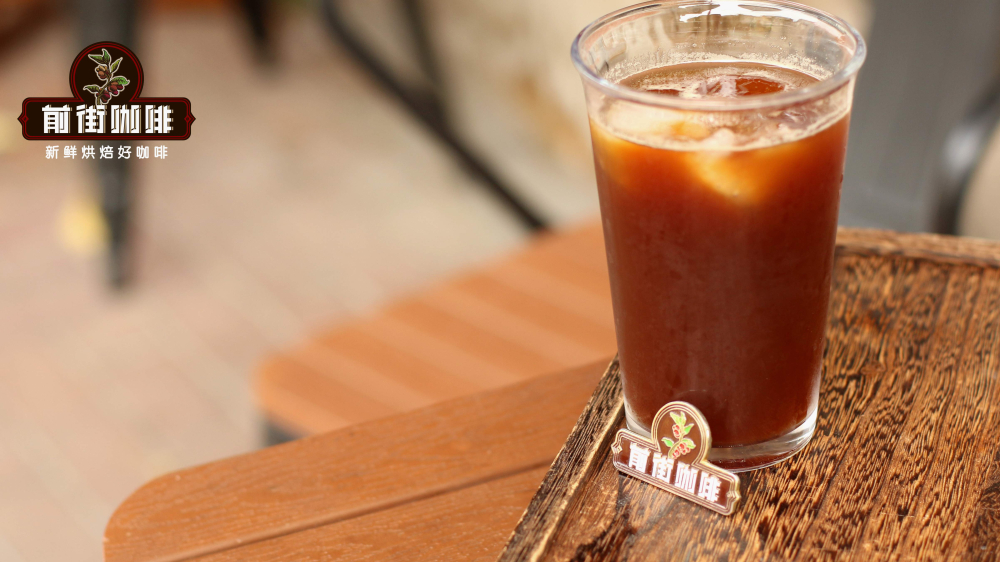
Step one, place 75 grams of ice into the server, then pour 15 grams of ground coffee into the dripper and gently level the surface. For the first pour, use a thin stream of 3 ml/second to pour 30 grams of hot water from the center outward in small circles, and let it bloom for 30 seconds; after 30 seconds, using the same technique, pour the second round of 60 grams of water, being careful not to let the water level rise too high, otherwise it may easily lead to underextraction; when the coffee liquid is almost drained, pour in all the remaining 60 grams of hot water at a flow rate of 3 ml/second, ensuring the total extraction time is controlled between 1 minute 50 seconds and 2 minutes.
Cold brew coffee is made by soaking coffee grounds in cold water for a long time, usually with a longer steeping period, then filtering out the grounds before drinking. The specific preparation method is as follows.
Front Street uses Strawberry Candy coffee beans as an example. When making cold brew, use a 1-liter cold brew pot, prepare 60 grams of Strawberry Candy coffee beans, and grind to a fine sugar consistency (80% passing rate on the Chinese No. 20 standard sieve). Then put the ground coffee into the pot, pour in 600 grams of drinking water at a 1:10 coffee-to-water ratio, stir evenly with a long spoon, seal, and refrigerate for 8–12 hours. After steeping, take out the cold brew pot, stir thoroughly again with a spoon, then pour into a filter paper to remove the grounds. Once the coffee liquid is fully filtered clear, the cold brew is complete.
Nitro cold brew is cold brew coffee infused with nitrogen, creating fine, dense bubbles that make the finished product look much like beer, which is why it is also called "beer coffee." These bubbles make the coffee's mouthfeel exceptionally smooth, as if cream has already been added. Many drinkers find it richer than regular cold brew, and can even perceive a natural sweetness without adding sugar. Innovation in craftsmanship and brewing technology has given iced coffee a completely new look.
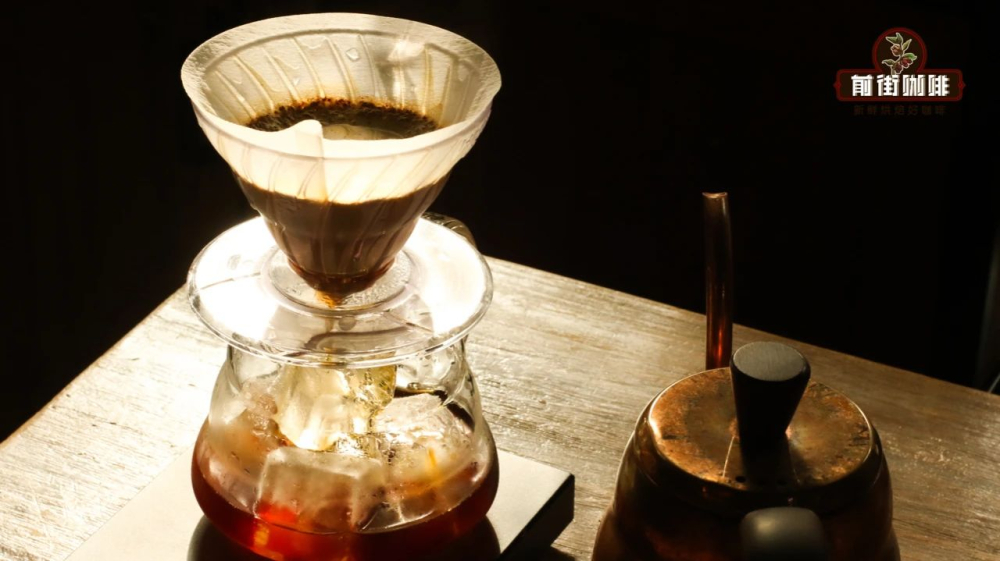
Iced drip coffee is made by letting ice water slowly drip, drop by drop, onto a bed of coffee grounds to complete extraction. The preparation cycle is also relatively long, and after dripping is finished, it needs to be refrigerated before drinking. The specific method is as follows:
The flow rate calculation for iced drip differs from pour-over; it is measured by drops per second. The slower the flow rate, the longer the total time and the more prone it is to overextraction. Front Street usually extracts at a speed of 7 drops every 10 seconds, and each person can adjust the flow rate according to their own preference. The coffee-to-liquid ratio is 1:10. Because the iced drip coffee produced by Front Street is drunk after dilution with ice cubes, a higher concentration is used; if making it at home, you can extract at a ratio of 1:12 to 1:14. When Front Street makes iced drip, it weighs 60 grams of coffee beans and grinds them into powder, places a round filter paper at the bottom of the powder cup, pours in the coffee grounds, then lays another filter paper on the surface, and then wets the coffee grounds with water. This can both shorten the drip time and avoid the problem of uneven extraction. Fill the upper pot with an ice-water mixture (ice to water 1:1), and collect a total of 600 grams of coffee liquid.
Preparation Time
In terms of time required, iced Americano and iced pour-over take very little time and can be completed within a few minutes; cold brew and iced drip take longer, with cold brew generally requiring about 12 hours and iced drip about 6 to 8 hours.
Ease of Preparation
For home users, iced pour-over and cold brew are relatively convenient to make. Cold brew does not require much in terms of equipment; a sealed bottle is enough. The equipment for iced pour-over is also quite accessible, and people who usually make pour-over at home generally already have the relevant equipment ready.
Iced Americano requires an espresso machine, while iced drip requires specialized equipment, so these two involve relatively higher equipment costs.
Differences in Flavor and Mouthfeel
First, Front Street would like to clarify one point: whether coffee is sour or bitter, and whether it presents floral and fruity notes or nutty and chocolate notes, mainly depends on the flavor of the coffee beans themselves. The extraction method does not influence the final flavor direction that much. Iced coffees made by different methods will show their own stylistic characteristics, and these differences only become apparent through comparison. Regardless of the preparation method, the taste of the finished product is always inseparable from the basic flavor tone of the coffee beans.
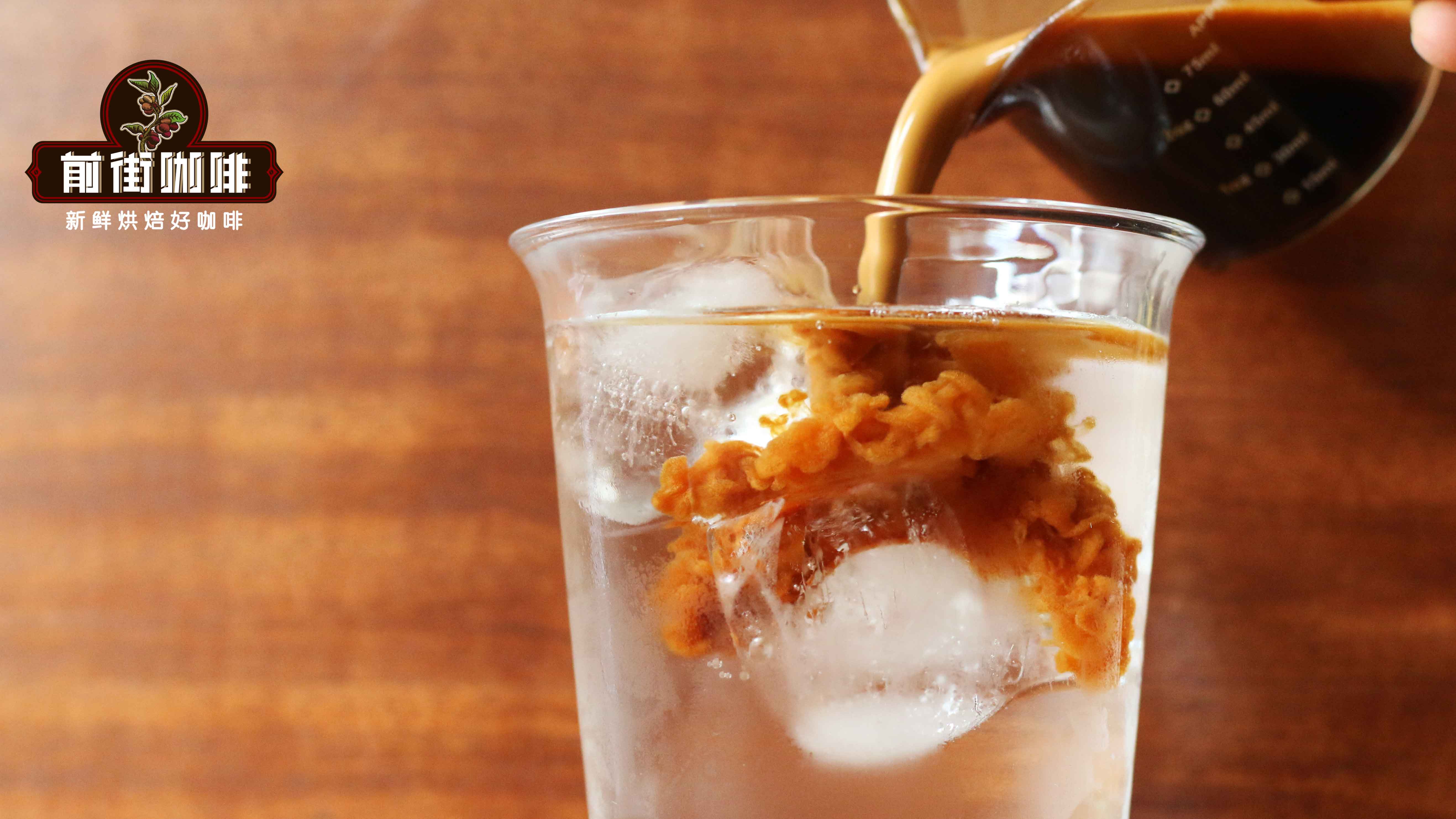
The flavor of iced Americano coffee is usually light and refreshing, capable of presenting the most basic taste of the coffee beans, and the liquid is relatively cloudy.
Iced pour-over coffee is characterized by a clean and refreshing mouthfeel, good at highlighting the main flavors of the coffee beans, and a transparent, bright liquid.
Cold brew coffee is characterized by less bitterness, balanced flavor, and prominent sweetness. Its mouthfeel is fuller than iced pour-over, and the clarity of the liquid is slightly lower than that of iced pour-over.
Iced drip coffee is characterized by rich fermented flavors, such as vinous notes. Given the same beans, iced drip coffee is more bitter than the other three iced coffees, and its mouthfeel also outperforms the other three.
The above content is compiled by CoffeeHunters, a coffee news website.


