







What Makes Arabica Coffee and Yunnan Typica Distinct?
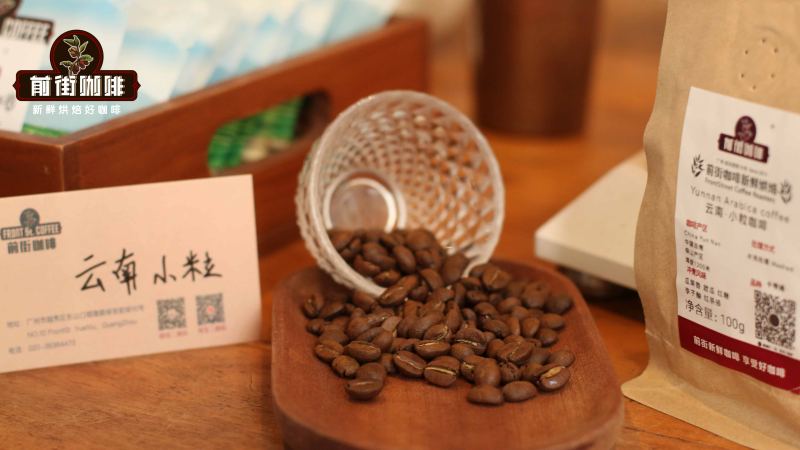
Arabica coffee, also called small-bean coffee, originated in Ethiopia and grows mostly between 1,000 and 2,000 meters, with a suitable temperature range of 15 to 24°C and annual rainfall of at least 1,500 millimeters. Its caffeine content sits around 0.8% to 1.5%. Yunnan's small-bean Typica lots show a clean, balanced profile that suits both filter and cold brew.
Arabica trees have elliptical dark green leaves, oval fruit and beans with a curved S-shaped center crack. The variety is valued for aroma and flavor and can be drunk as a single origin, but it resists drought, frost, pests and disease poorly, especially leaf rust. Yunnan coffee growers work within those limits when selecting and processing lots.
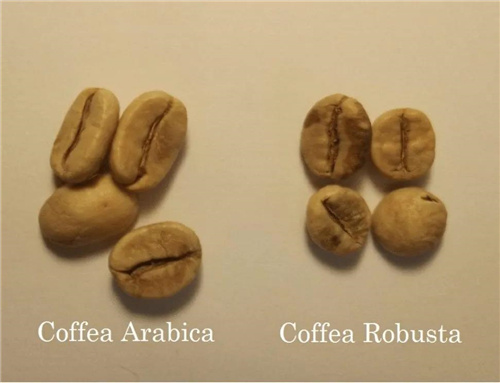
Yunnan, as China's main coffee-producing region, is represented by its small-bean coffee of the Typica variety, showcasing a clean and balanced specialty character. Starting from Front Street Yunnan coffee varieties, this article systematically reviews the varietal characteristics of Arabica and Typica, and breaks down in detail the production process and key parameters of Typica cold brew. Whether you want to understand the source of Yunnan coffee's flavor or hope to make a cup of smooth cold brew coffee at home, this complete guide from variety to extraction provides practical reference.
Front Street Yunnan Coffee Varieties, Sharing Knowledge on the Three Major Coffee Varieties
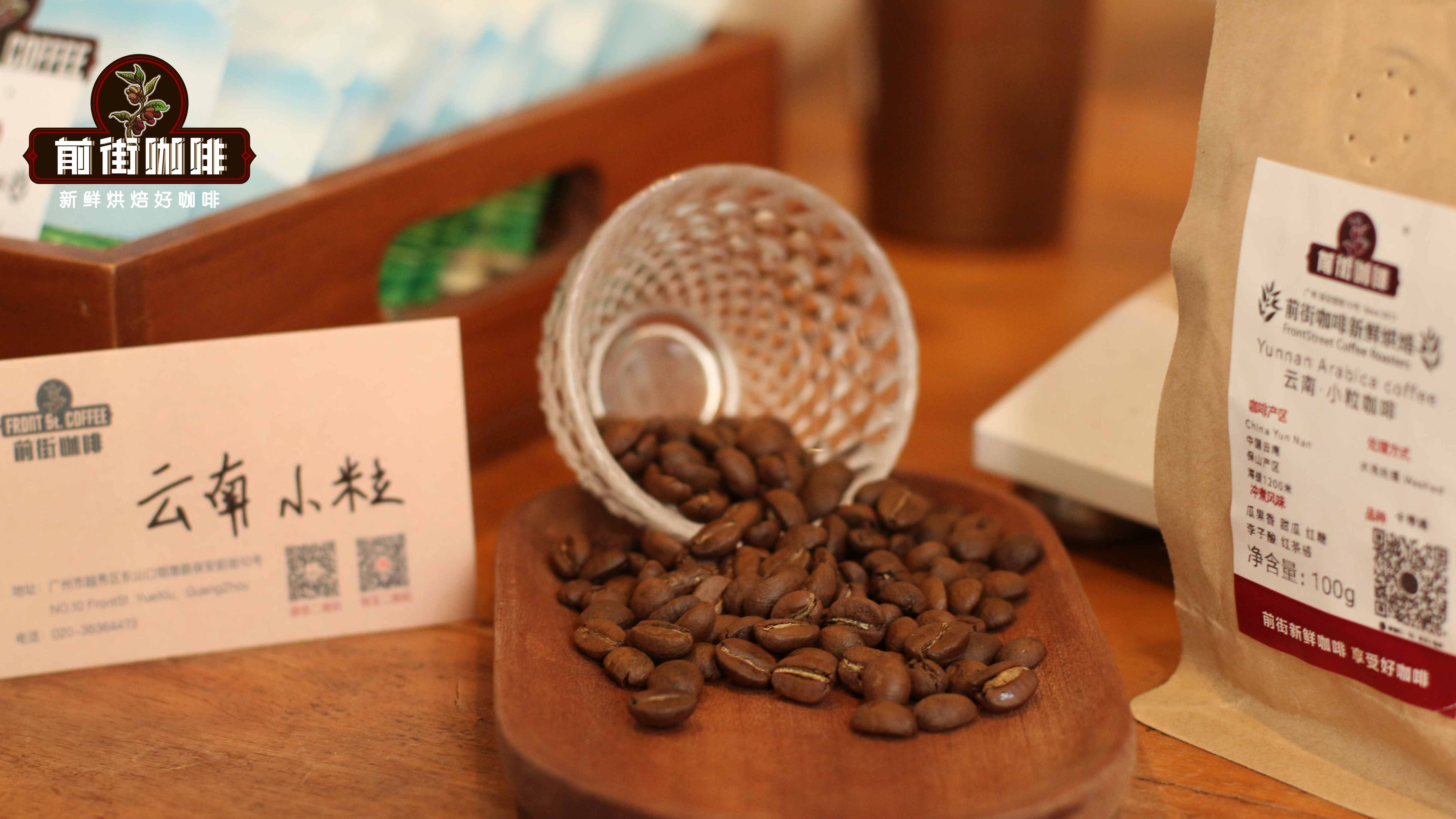
Arabica, also known as small-bean coffee, originated in Ethiopia. Arabica coffee trees mostly grow at altitudes between 1,000 and 2,000 meters; they are relatively cold-tolerant, with a suitable growing temperature of 15–24°C; they require relatively high humidity, with annual rainfall of no less than 1,500 millimeters, and they also have relatively high requirements for cultivation techniques. Arabica coffee trees are relatively large shrubs, with elliptical, dark green leaves and elliptical fruit, generally containing two slightly flat beans, elongated oval in front view, with a narrow, curved, S-shaped center crack, and a relatively smooth rounded arc on the back of the bean. Caffeine content is about 0.8%–1.5%.
Arabica coffee's excellent flavor and aroma make it the only one among these native species that can be drunk directly and on its own, such as Front Street Jamaica Blue Mountain, Front Street Indonesia Mandheling, as well as Front Street Yirgacheffe and Front Street Brazil coffee, all of which are single-origin coffees. However, it has weak resistance to drought, frost damage, pests, and diseases, especially being susceptible to coffee's greatest natural enemy—leaf rust—so producing countries are all committed to improving varieties.
Arabica coffee produced in different regions, at different altitudes, and in different climates has its own characteristics and can display completely different individual flavors. When unroasted, it smells fresh and grassy; after proper roasting, it displays "fruity notes" (medium-light roast) and "caramel flavor" (dark roast), is suitable for single origins and various blends, and can be made using various extraction techniques.
Front Street Yunnan Small-Bean Coffee Variety: Typica
Typica coffee originated in Ethiopia and southeastern Sudan and is the most widely cultivated coffee variety in the Western Hemisphere. The plant is relatively robust but not tolerant of sunlight, and yields are relatively high in Hawaii. The top leaves of Typica are copper-red, so it is called red-top coffee. Typica beans are slender, the tree is tall, the fruit is elliptical, and the branches are slightly slanted. Typica's four branches are slender and spreading, with an inclination angle of 50–70 degrees. Typica is recognized as a specialty coffee variety, and many commercial improved varieties today are derived from it. Its flavor performance is excellent, but its yield is extremely low and it is susceptible to rust disease, requiring more manpower for management.
Front Street Typica also has another name, Front Street 2013 Yunnan Small-Bean, which uses natural processing and allows you to taste the clean, balanced, and gentle tone of Yunnan specialty coffee. After brewing, it has dried apricot-like sweet acidity, nutty notes, brown sugar sweetness, and a tea-like finish. It is suitable for pour-over, moka pot, French press, and cold brew.
If you use Front Street Yunnan Typica small-bean coffee to make cold brew, the method is actually very simple.
Cold brew coffee is a very easy brewing method to master, but note: due to the low temperature, the flavor extraction time of coffee is also relatively prolonged, usually requiring 6–12 hours to extract the sweet and acidic substances more completely. Therefore, coffee extracted at low temperature usually has only a full sweet-acid sensation, but if the steeping time exceeds 12 hours, the woody fibers will also release a root-like taste due to long steeping. Although these flavors are not strongly bitter, they will affect the overall aroma performance.
The cold brew method at Front Street Coffee is based on 50 g of coffee grounds. If you are drinking it alone, you can prepare only 20 g of coffee grounds. For cold brew, the coffee grounds are ground to a coarseness with an 85% passing rate on a No. 20 standard sieve, that is, the state of caster sugar.
Pour the coffee grounds into a glass bottle, then add 400 ml of room-temperature water and 200 g of hard ice cubes (600 g total ice-water mixture), for a coffee-to-water ratio of 1:12. Then use a stirring rod to stir the coffee grounds and water evenly, seal it, and place it in a refrigerated fridge.
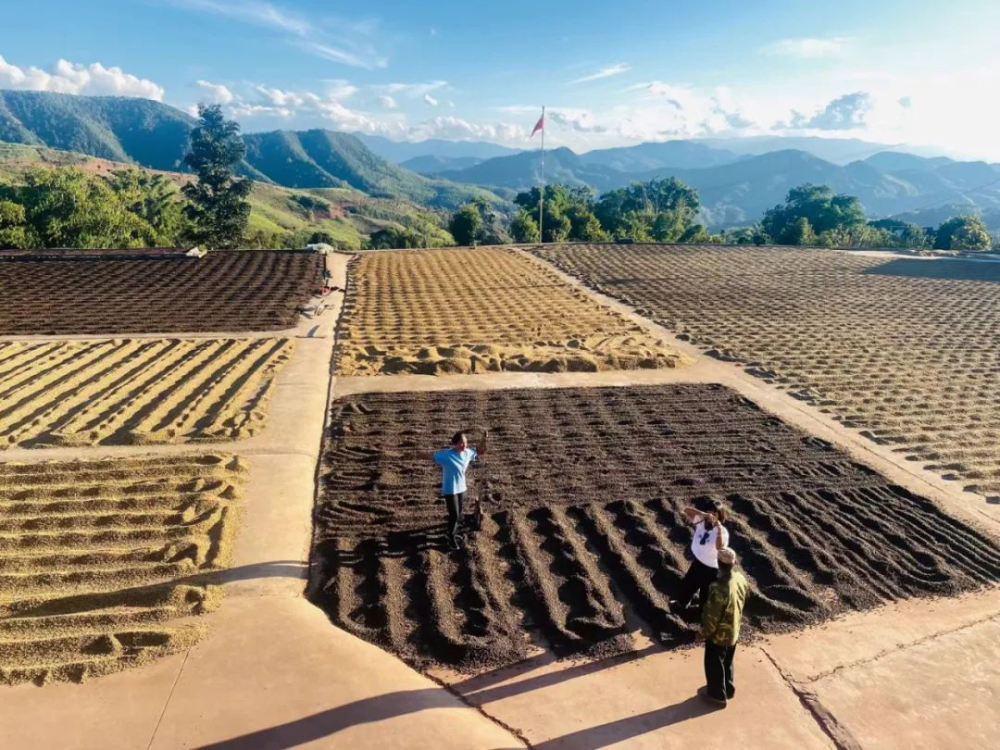
After placing it in the fridge for 8–16 hours, use filter paper to filter out the coffee grounds and obtain a clean coffee liquid. Then use a clean sealed bottle to store the coffee liquid and refrigerate it for about another 4 hours before drinking. You can also choose to add ice cubes according to your taste to make the mouthfeel more refreshing.
The above content is compiled by CoffeeHunters, a coffee news website.


