







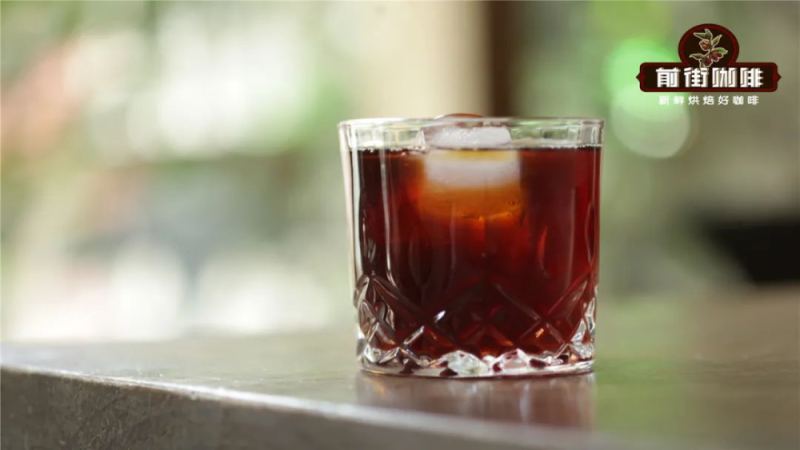
How Do Ice-Drip and Cold Brew Coffee Extraction Methods Differ?
Ice-drip and cold brew are both low-temperature extraction methods, but they work differently: cold brew steeps coffee grounds in cold water, while ice drip filters cold water slowly through the grounds. The result is a flavor split. Ice drip tends to produce a clean, translucent, wine-like cup, while cold brew delivers a fuller, richer fruity character from the same beans.
A store comparison using the same beans found that cold brew preserved the coffee bean mixture's original flavor more faithfully, while ice drip emphasized clarity. Ice drip often requires booking about two days ahead because of its slow, steady process, whereas cold brew can be made in batches. Both sit alongside iced Americano and iced pour-over on summer menus, so the choice comes down to whether a drinker prefers clean or full-bodied.
When the scorching summer heat meets a coffee craving, ice drip and cold brew become the two most talked-about low-temperature extraction methods in coffee shops. Both are equally refreshing, yet they have completely different personalities: one drips out a clean, translucent wine-like aroma, while the other steeps out a full, rich fruity charm. Starting from a real comparison at Front Street Coffee's store, this article takes you through the flavor emphases of ice drip and cold brew, helps you understand the key differences in their preparation details, and presents the complete extraction parameters used by Front Street Coffee. In addition, we will answer a common question—why does wanting to drink ice drip coffee sometimes require booking two days in advance?
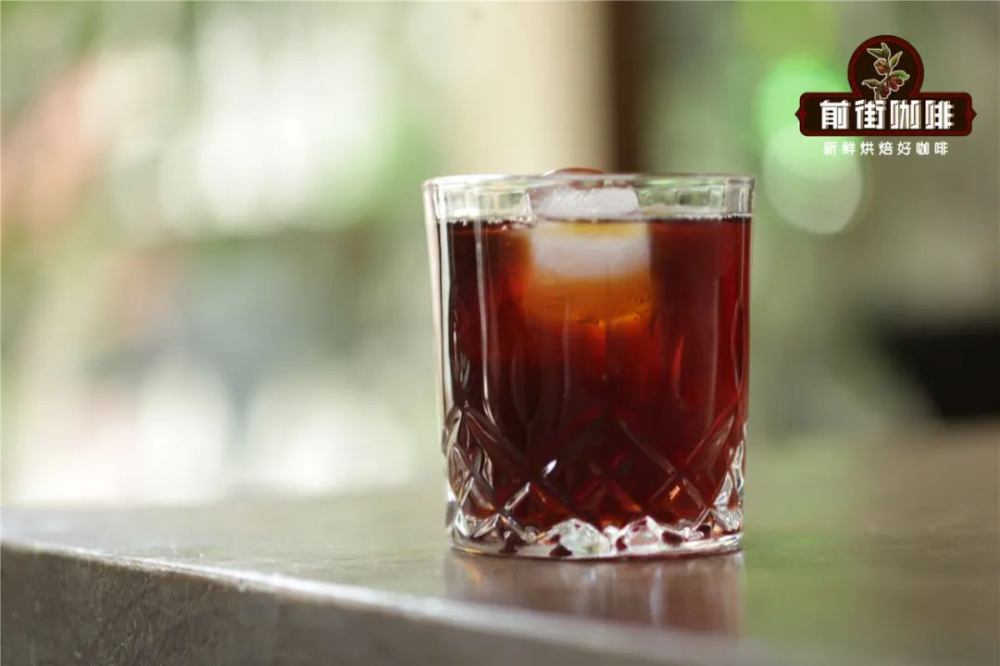
For more specialty coffee knowledge, please follow our WeChat official account: Front Street Coffee (FrontStreet Coffee) Recently, customers at Front Street Coffee's store have often asked whether ice drip coffee is available. In fact, Front Street Coffee's iced coffee options are quite abundant. Besides ice drip, there are also cold brew, iced Americano, and iced pour-over made with various single-origin beans. Among these, ice drip and cold brew are undoubtedly the two most talked-about. The question customers ask most often is: What exactly is the difference between ice drip and cold brew? Why does ice drip coffee require advance "booking"? What are the differences in their operational details? Today Front Street Coffee will answer these one by one. Essentially, both belong to low-temperature coffee extraction, and the core difference is that one uses immersion while the other uses drip filtration. However, it should be noted that the term cold brew is sometimes also used broadly to refer to all low-temperature extracted coffee. But in most contexts, cold brew specifically refers to cold steeped coffee made by soaking with cold water; so-called "cold brew" is actually an elegant translation of the English term Cold brew.
Cold brew or ice drip—which one suits your taste better? Front Street Coffee once used the same bean—Front Street Mozart—to make one pot of cold brew and one pot of ice drip according to the store's standard parameters, and found that the two indeed each had their own characteristics: Front Street Mozart cold brew more faithfully restored the flavor of the coffee bean itself, presenting aromas of raisins, osmanthus, and sweet orange, with a fairly full sense of layering; while the ice drip coffee showed a cleaner, more translucent, and more refreshing character, and also captured a rich fruity wine fermentation aroma, fully expressing the style of this extraction method.
(The above flavor comparison is based on the differences in emphasis shown by the same bean through two different preparation methods. If the tasting is not careful enough, obvious differences may also go unnoticed.) Some customers come to Front Street Coffee's store and see on the blackboard that "ice drip coffee requires booking two days in advance." This is because ice drip coffee has a long production cycle—the dripping process itself takes 6 to 8 hours, and after dripping is completed, it must sit for another 12 hours before it can be drunk. Therefore, if customers want ice drip made with a specified coffee bean, they must book in advance. Of course, in hot weather like now, Front Street Coffee makes ice drip coffee every day, and which bean is used that day depends on Front Street Coffee's arrangement for the day.
Ice drip coffee parameters (it should be noted that the parameters for ice drip and cold brew are not the only standard. Just like pour-over coffee, there are many completely different parameter combinations that can all achieve a delicious result. What is shared here is only the method used by Front Street Coffee.)

Dose: 60 grams (depending on container size) Grind size: 85% passing through a No. 20 sieve (fine granulated sugar coarseness) Coffee-to-liquid ratio: 1:10 Temperature: extracted at room temperature with ice-water mixture Ice drip flow rate: 7 drops per 10 seconds Extraction time: 6-8 hours Drinking method: after extraction, seal and refrigerate for 12 hours; when drinking, add 50 grams of ice cubes per 200 milliliters of liquid
Cold brew coffee parameters Dose: 30 grams (depending on container size) Grind size: 80% passing through a No. 20 sieve Coffee-to-water ratio: 1:12 Temperature: refrigerated extraction at 7 degrees Celsius Extraction time: 12 hours Drinking method: after extraction, filter with filter paper, then refrigerate for 4 hours before drinking
Generally speaking, for both flavor experience and health and safety considerations, whether it is ice drip or cold brew, Front Street Coffee recommends that all coffee extracted in a low-temperature environment be consumed within 5 days from the production date.
The above content is compiled by CoffeeHunters, a coffee news website.


