







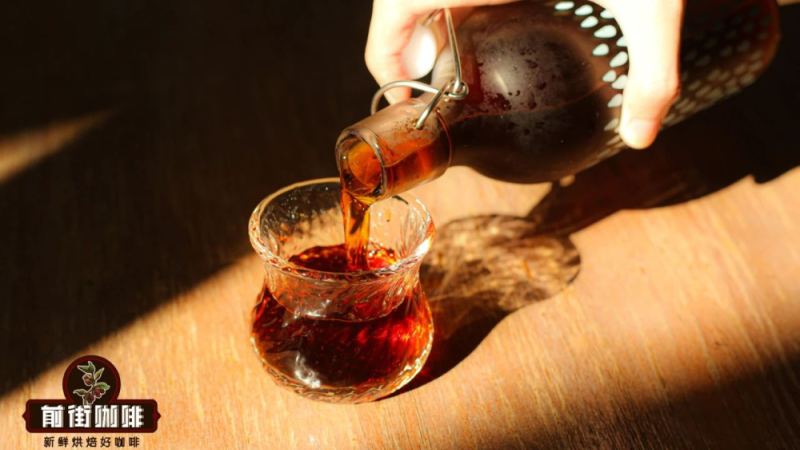
How Do Coffee Particles, Ratio and Grind Size Shape Cold Brew?
Cold brew is made by extracting coffee particles in low-temperature water, which is why the liquid tastes sweet and lightly fermented instead of bitter. Two methods are common: ice drip and cold immersion. The coffee-to-water ratio, grind size, and extraction time all shift the result, and cold brew generally takes far longer than hot-water brewing because the water stays cool.
Front Street's shop keeps cold brew equipment alongside its espresso setup, and the same approach works at home, including on a machine. After brewing, store the concentrate in the fridge and use it within a few days. Whether cold brew carries less caffeine than iced Americano is one of the questions the full guide addresses.
Want to enjoy smooth, sweet cold brew at home this summer, but unsure how to set the coffee-to-water ratio, grind size, and extraction time? Drawing on Front Street's hands-on experience, this article systematically covers the parameter settings, preparation steps, and storage methods for two cold brew methods—ice drip and cold immersion—and answers the common question of whether cold brew has less caffeine than iced Americano. Front Street will also share ideas for choosing coffee beans suitable for cold brew, with a special recommendation for Huakui coffee beans, letting you experience a cold brew flavor as refreshing and captivating as berry juice.
For more specialty coffee knowledge, please follow our WeChat official account: Front Street Coffee (FrontStreet Coffee)
In the height of summer, a coffee lover's fridge just feels incomplete without a pitcher of cold brew. But with such a dazzling array of coffee beans on the market, which beans are actually suitable for cold brew? And once it's made, how should cold brew be stored, and how long does it keep? Front Street will now address these questions one by one.
Cold brew coffee, as the name suggests, is made by extracting coffee particles in low-temperature water. Because the water temperature is low, the resulting coffee liquid doesn't carry the bitterness of hot-water brewing; instead, it leans toward a sweet-and-sour profile with a noticeable fermented aroma. Also because of the low temperature, cold brew takes far longer than hot-water extraction.
It is said that as early as the 17th century, Japan already had a habit of drinking cold-brewed tea. At the time, the Dutch—one of the representatives of Western maritime civilization—adopted the cold brew coffee method from Japanese cold-brewed tea in order to avoid using open flames on long sea voyages and to solve the difficulty of obtaining hot water.
To this day, many specialty coffee shops, including Front Street, keep a set of cold brew equipment on hand. Cold brew coffee is smooth and prominently sweet, offering drinkers a very pleasant experience in the scorching heat, and it has therefore attracted growing attention.
What Front Street calls cold brew coffee actually includes two extraction methods: one is ice drip coffee, and the other is cold immersion coffee.
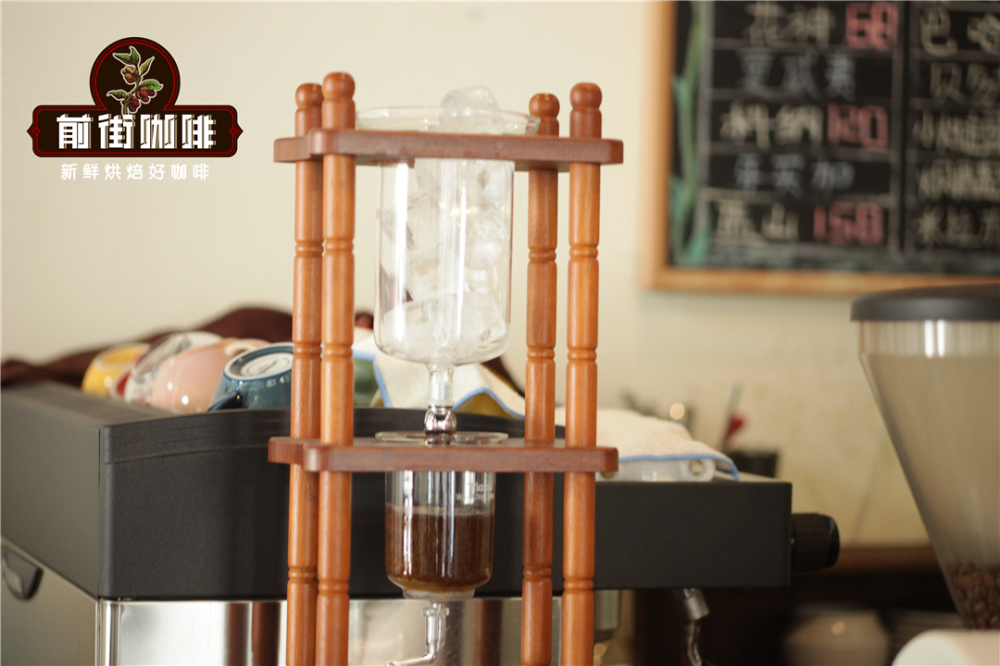
In Front Street's shop, a set of ice drip coffee equipment sits right next to the espresso machine. This setup consists of several parts: a water container, a regulating valve, a coffee powder cup, a serpentine tube, and a coffee liquid container.
When making ice drip coffee, Front Street usually selects coffee beans with brighter acidity, such as Huakui coffee beans.
Front Street Ice Drip Coffee Preparation Guide
Coffee dose: 60g
Coffee-to-water ratio: 1:10
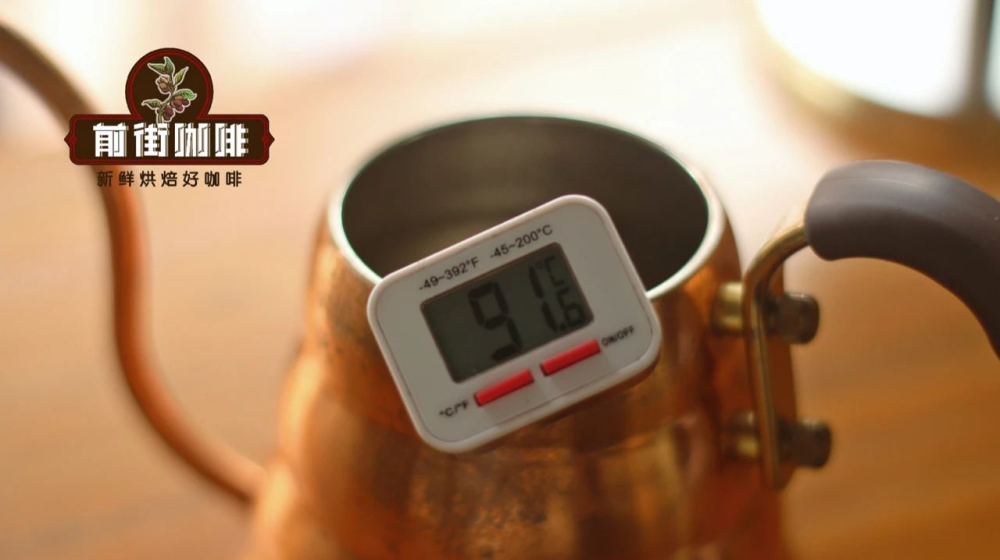
Water temperature: 0°C——4°C
Grind size: 80% passing through China standard No. 20 sieve
Extraction time: 6——8 hours
1. Place a round filter paper into the coffee powder cup and moisten it
2. Press the edge of the round filter paper against the wall of the powder cup, then pour in the coffee grounds and shake level
3. Lay a round filter paper on top of the coffee grounds
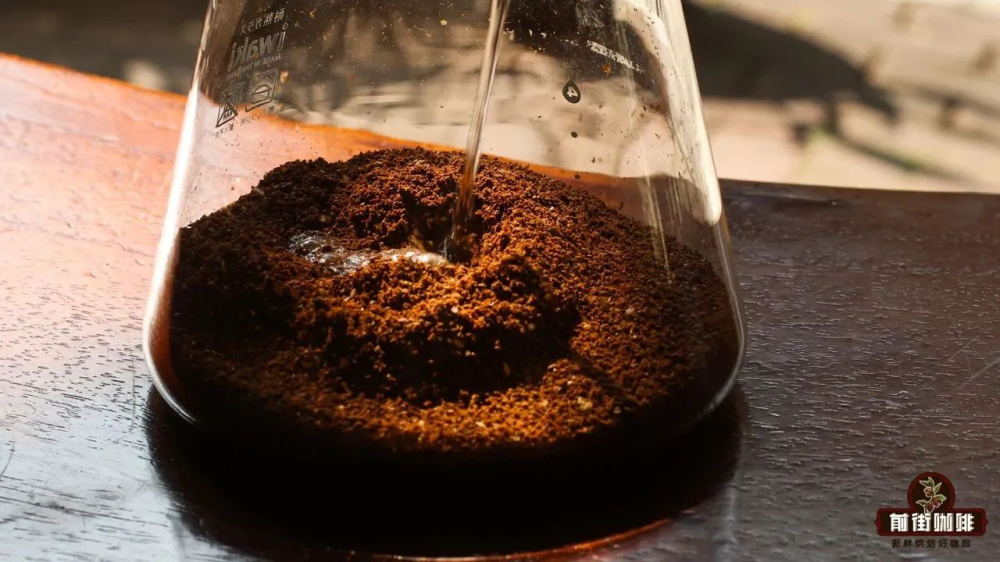
4. Starting from the center of the round filter paper, pour in a small amount of ice water for "pre-infusion"
5. Add an ice-water mixture to the water container and adjust the drip valve to about 7 drops per 10 seconds
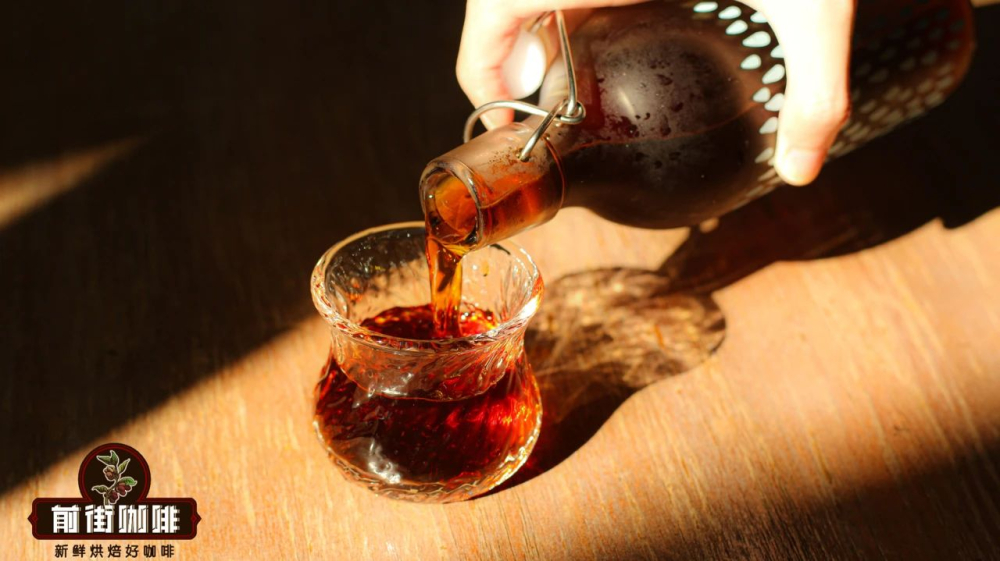
6. After making the ice drip coffee, store it in a sealed glass bottle and let it ferment in the refrigerator overnight, allowing the coffee flavors to meld better and giving it a more viscous, smooth mouthfeel.
Some friends may ask why Front Street uses a 1:10 coffee-to-water ratio. The reason is that everyone has different taste preferences—some prefer it strong, others prefer it light. Front Street's 1:10 ratio, to some extent, caters to those who like a rich flavor; and when Front Street serves it, one or two ice cubes are usually added to the cup, and as the ice melts, the coffee concentration naturally drops. So the 1:10 ratio, in a way, also accommodates both types of taste.
Additionally, when Front Street makes ice drip, a round filter paper is placed on top of the coffee bed to prevent the dripping ice water from forming a divot in the grounds due to the impact of gravity, which would cause uneven extraction.
Of course, limited by equipment at home, many friends don't have the means to make ice drip coffee. But satisfying a craving for iced coffee isn't hard—cold immersion coffee is the go-to choice.
Front Street Cold Immersion Coffee Preparation Guide
1. Pour the ground coffee into a sealable glass bottle
2. At a coffee-to-water ratio of 1:10, pour in an appropriate amount of room-temperature water or ice water, and mix thoroughly to ensure full saturation
3. Seal the glass bottle and place it in the refrigerator for 8 to 12 hours
4. After extraction is complete, filter it and transfer it into a sealable glass bottle, then store it in the refrigerator
Friends often come to Front Street's shop and ask: between cold brew coffee and iced Americano, which has more caffeine? Many people have this misconception: since cold brew extracts at a low temperature, it should have less caffeine. This is not the case. Because water contacts the coffee grounds for longer—meaning a longer extraction time—the amount of caffeine released over a long extraction is not to be underestimated. Therefore, cold brew coffee actually has more caffeine than iced Americano.
When selecting coffee beans for making ice drip, Front Street generally leans toward beans with a lighter roast level and fuller acidity, because at low temperatures, a fruit-like sweet-and-sour quality is more delightful.
If you prefer a lighter, more refreshing style, Front Street suggests trying Huakui coffee beans. The ice drip coffee made with Huakui carries a flavor reminiscent of berry juice, along with some unique fermented aromas, such as passion fruit—overall like drinking down a glass of chilled mixed berry juice, so refreshingly tart it's addictive.
What creates this unique flavor is inseparable from the growing origin of Huakui coffee—the Buku Abel processing station in the Sidama region. Coffee beans from the Sidama region typically use the natural (sun-dried) processing method, carrying rich berry flavors.
The ice drip coffee Front Street makes with Huakui coffee beans has a complex berry-juice quality on the palate, with a creamy finish that lingers long. As the ice melts, the concentration drops slightly and the fermented note is somewhat diluted, but the sweet-and-sour berry-juice character remains outstanding.
The above content is compiled by CoffeeHunters, a coffee news website.


