







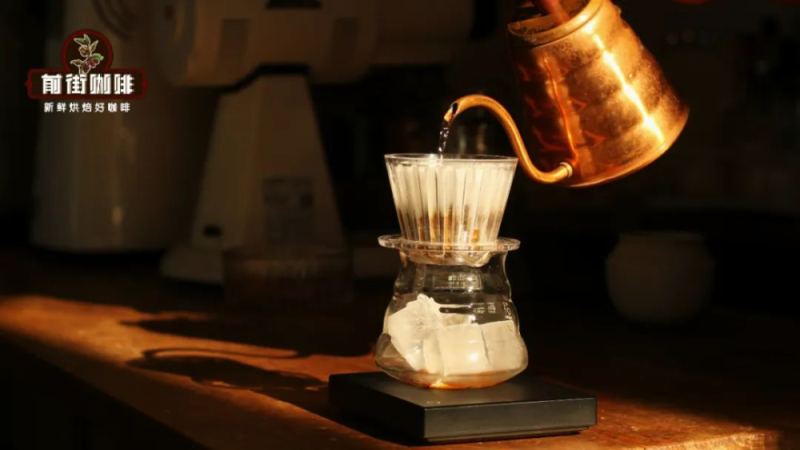
Ice American Coffee vs Cold Brew and Ice Drip: What Differs?
Iced coffee splits into two camps by extraction temperature. Ice american coffee is brewed hot as espresso, then chilled with ice water or cubes, giving a pronounced aroma and a firmer body with slight bitterness. Cold brew and ice drip instead let low-temperature or room-temperature water contact the grounds directly for a slow, softer extraction.
Cold brew relies on long steeping followed by filtering, while an ice drip pot passes water through the bed drop by drop. Because low-temperature extraction is less efficient, medium-light roasts work better than dark roasts, which can bury the cup in bitterness. Washed Yirgacheffe, Kenya Little Tomato, and Strawberry Candy each suit this style.
Iced coffee is not just one method. Depending on the extraction temperature, iced coffee on the market can be broadly divided into two categories: one is brewed with hot water and then cooled with ice, with iced Americano being the most typical example; the other involves low-temperature or room-temperature water directly contacting the coffee grounds, allowing flavors to release slowly, with cold brew and ice drip both belonging to this camp. Although both are low-temperature extractions, they differ considerably in equipment, process, and final taste. This article will start from the extraction principles, outline the home brewing steps for cold brew coffee, explain the structure and output logic of the ice drip pot, and explain why ice drip made from the same beans often tastes cleaner than cold brew. For those who enjoy floral and fruity notes, you can also refer to Front Street Coffee's recommendations for several beans suitable for making iced coffee.
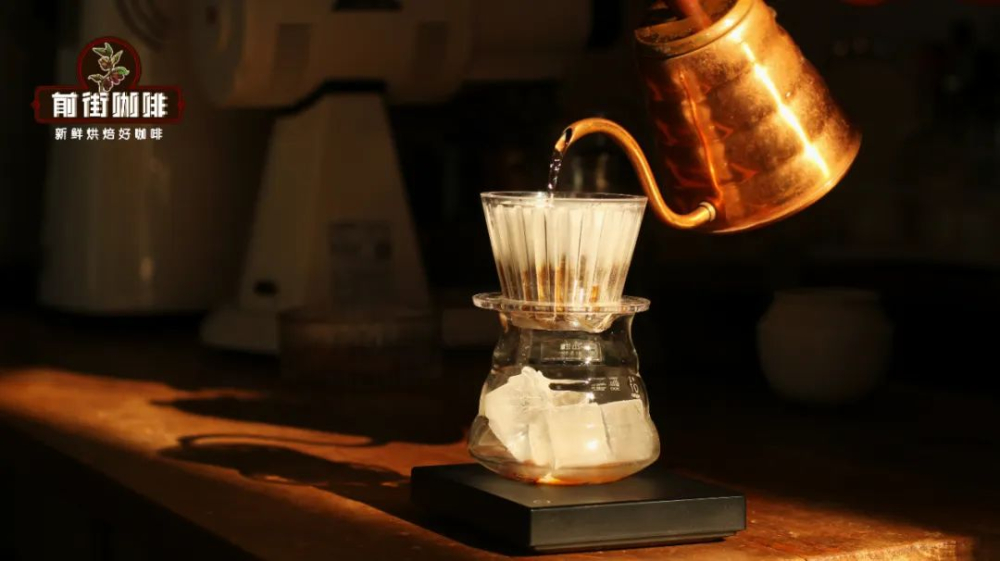
Iced coffee on the market can be broadly divided into two camps by extraction method. The first follows the hot extraction route: first brew the coffee with high-temperature hot water, then cool it by adding ice or mixing with ice water, with iced Americano being the most popular among them. It is not complicated to make—one shot of espresso plus ice water or ice cubes will do. It has a slight bitterness on the palate, but its aroma is prominent and its body is relatively solid.
The other category is the opposite, directly soaking coffee grounds in low-temperature or room-temperature water to let flavor compounds dissolve out slowly. Cold brew and ice drip are the two most common methods in this category.
Because extraction efficiency at low temperatures differs from high temperatures, when selecting beans it is best to lean toward medium-light roasts and avoid dark roasts as much as possible, otherwise the final product can easily be overwhelmed by bitterness. If you prefer floral cold brew, you can try Front Street Coffee. Washed Yirgacheffe Gudingding; if you want a more vivid juice-like quality, Front Street Coffee. Kenya Little Tomato is a good choice; if you are after a sweeter iced coffee, Front Street Coffee. Strawberry Candy is worth considering.
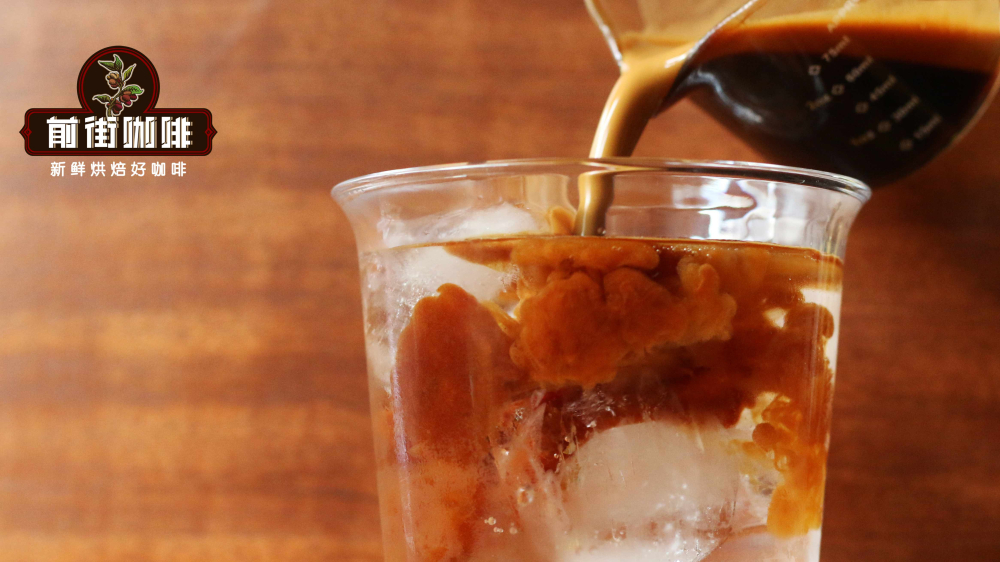
Cold brew coffee follows the cold steeping route. The core logic is long soaking, followed by filtering out the coffee grounds. The threshold is actually very low: as long as you have a refrigerator, coffee grounds, a clean container large enough, and a material that can filter, you can make a cup of iced coffee at home.
Sharing home brewing of cold brew coffee
1. Pour the ground coffee into a sealable glass bottle.
2. Add an appropriate amount of room-temperature water or ice water at a coffee-to-water ratio of 1:10, and mix thoroughly to wet all the grounds.
3. Seal the glass bottle and place it in the refrigerator for 8 to 12 hours.
4. After extraction is complete, filter it and pour it into a sealable glass bottle for storage in the refrigerator.
Compared with cold brew, ice drip coffee has noticeably higher equipment requirements and must rely on a dedicated drip device, namely an ice drip pot. Ice drip pots on the market come in all sorts of shapes, with prices ranging from a few dozen yuan to over a thousand yuan, but the basic structure usually comes down to three parts: the upper pot with a valve that can adjust the drip rate of ice water, the middle filter cup that holds the coffee grounds, and the lower pot that collects the coffee liquid.
With this setup, ice water drips drop by drop into the filter cup, contacts the coffee grounds and extracts soluble flavor compounds, then flows into the lower pot by gravity, until enough coffee liquid has been collected and the entire extraction is complete.
Throughout the process, only low-temperature ice water is involved, and because the drip rate is extremely slow, averaging only one drop every 1 to 2 seconds, the extraction time needs to be extended so that flavor compounds can be fully released while the concentration is controlled within a suitable range. In this way, bitter and harsh off-flavors are less likely to emerge.
Taking Front Street Coffee's ice drip production as an example, a Tiamo HG2713 three-layer ice drip pot is used. Front Street Coffee habitually uses a 1:10 coffee-to-liquid ratio for production, that is, 60 grams of coffee grounds extract 600 ml of coffee liquid. The drip frequency of the ice water is about 7–8 drops every 10 seconds. In addition, the drip nozzle sometimes becomes blocked from the cold, so we also need to watch it constantly and adjust at any time. Therefore, the whole process usually lasts 5–8 hours, depending on the amount of grounds used and the drip speed.
During the drip process, new cold water continuously passes through the coffee bed and is then filtered to form new coffee liquid. Unlike cold brew, which is a static soak, ice drip is a dynamic brewing method that extracts and filters at the same time. The ice water does not stay with the coffee grounds the entire time, so ice drip made from the same beans often tastes cleaner and clearer than cold brew.
The end of dripping does not mean the coffee is finished. Next it must enter a low-temperature aging stage, letting the coffee liquid rest for a period of time so it takes on that unique fermented feel, commonly known as the "ice drip flavor." Pour the dripped coffee liquid into a clean, sealed bottle and refrigerate it for more than 8 hours. After aging is complete, you can add an appropriate amount of ice cubes to the concentrated coffee liquid according to personal taste and drink it.
The above content is compiled by CoffeeHunters, a coffee news website.


