







Search Results for: Coffee crema
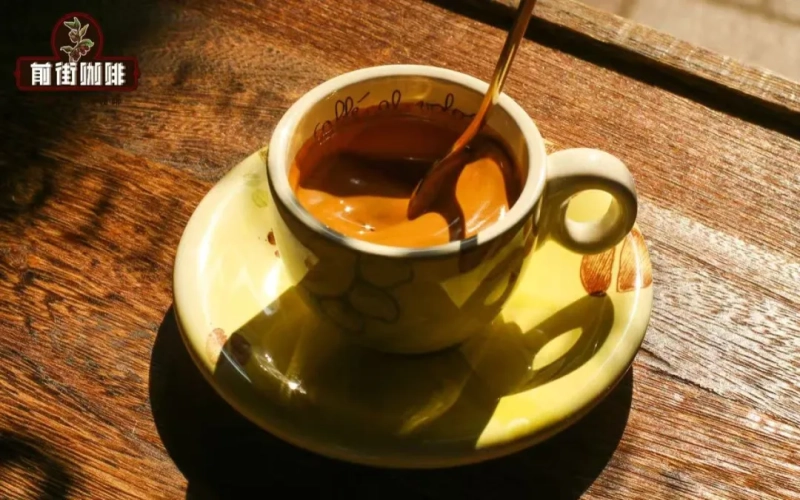
What Is Espresso Crema? Analyzing the Causes of Coffee Crema and Judging Extraction Quality
Espresso may be a niche beverage, but it serves as the base for drinks like lattes and Americanos. The golden layer of oil on its surface is called Crema, formed by coffee's insoluble oils wrapping around carbon dioxide, and it can only be produced by the 9-bar pressure of an espresso machine. The crema not only brings caramel and nutty aromas but also enhances the visual appeal of latte art. However, when the crema fails to appear or looks abnormal, it often reflects issues with bean freshness, grinding, or distribution. This article explains in detail the causes of Crema and provides a guide to selecting coffee beans rich in crema, and teaches you how to judge the quality of extraction through the color, texture, and clumping of the crema, while also recommending two espresso beans suitable for home use: Front Street Classic Blend and Front Street Dark Cocoa Base Blend. [more…]
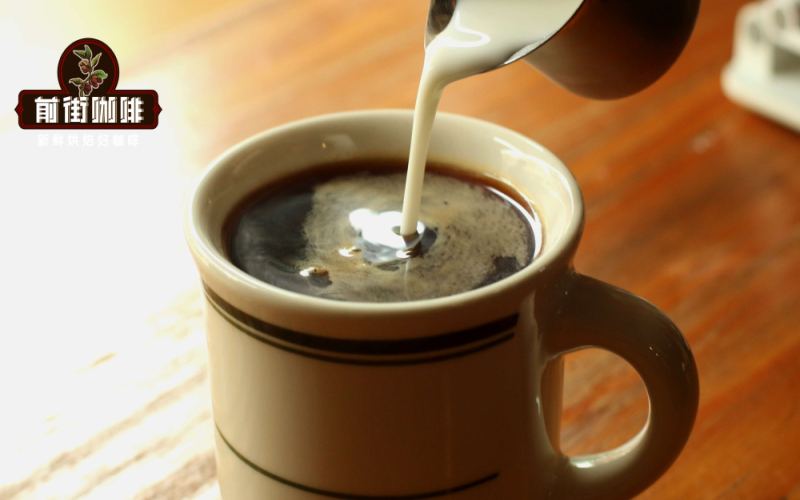
Is More Crema Always Better? Analyzing Crema's Impact on Flavor and Mouthfeel, and the Truth About Coffee Fats
Many coffee enthusiasts are fascinated by the golden layer of crema on the surface of espresso, and some even regard it as the soul of Italian-style coffee. But is more crema really better? How exactly does it affect the taste and flavor of coffee? Is the fat content of coffee itself high? Starting from the causes of crema and its role in extraction and tasting, this article combines three representative espresso beans—Front Street Classic Blend, Commercial Blend, and Dark Cocoa Base Blend—to give you a comprehensive understanding of the nature of coffee crema and answer common questions about Crema. [more…]
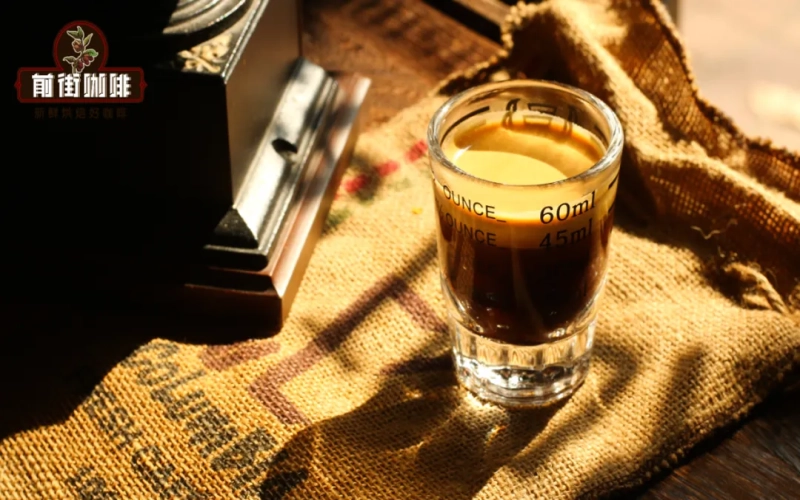
What determines the thickness of espresso crema? The essence of crema and the key factors for extracting rich crema
Many coffee enthusiasts pay extra attention to the richness of the crema when extracting espresso—some for the sake of latte art, others influenced by merchant marketing. But is thicker crema really better? In fact, crema is just a layer of foam propped up by carbon dioxide, and it doesn't directly determine coffee flavor. The core factor that truly affects crema thickness is the carbon dioxide content in the coffee beans. This article, from Front Street's perspective, will analyze the essence of crema, the relationship between crema and taste, and how to achieve ideal, rich crema through bean selection and extraction. [more…]

Is the Crema of espresso actually oil? Unraveling the mystery of real and fake coffee crema and its essential causes
The layer of golden, dense foam on the surface of espresso is often called "crema" and hailed as the soul of espresso. But have you ever considered that this layer of "crema" is not actually real oil? Recently, Front Street Coffee came across online discussions about "real vs. fake crema," which sparked curiosity among many coffee enthusiasts. This article will start from the essential composition of crema, explain why it is mistranslated as oil, analyze how pressurized extraction and coffee bean characteristics together create this emulsified foam, and further clarify the difference between "real oil" and "fake oil." Whether you are a beginner just starting out or a seasoned connoisseur wanting to understand the principles of espresso more deeply, you will find clear answers here. [more…]
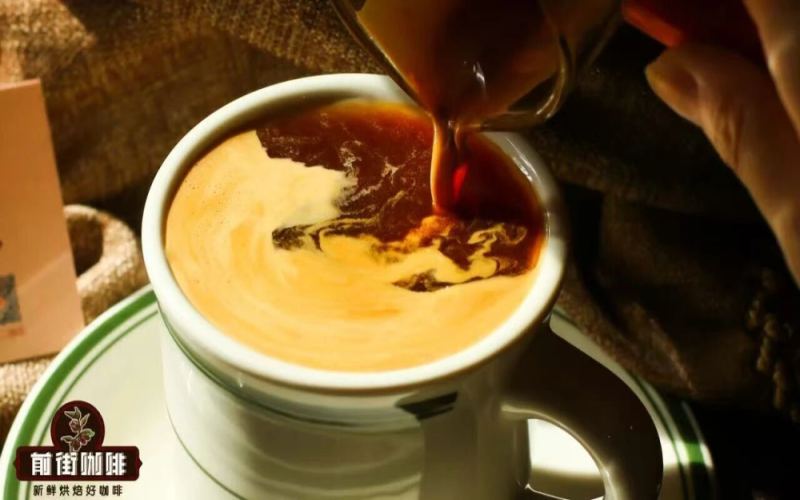
Does Skimming the Crema Off an Americano Make the Flavor Cleaner? Analyzing How Espresso Crema Affects the Taste of Americano
When you order an Americano at a coffee shop, a golden layer of crema often floats on the surface, and most people don't pay it much attention. But through comparative experiments, Front Street Coffee found that if you use a spoon to skim off this layer of crema, the bitterness of the Americano is noticeably reduced, and the flavor becomes cleaner and more transparent. The reason behind this is closely tied to the composition of the crema: it consists of carbon dioxide and insoluble oils, mixed with extremely fine particles that fall off during extraction, and these fine particles are the very source of the muddled mouthfeel and sandy texture. However, coffee shops usually don't actively remove the crema, due to multiple considerations such as serving efficiency, customer perceptual habits, and differences in taste preferences. This article will analyze in detail the real impact of crema on Americano coffee, and introduce how Front Street Coffee's classic blend helps beginners easily extract a rich crema at home and make their ideal Americano. [more…]
Espresso Crema | What Factors Affect Crema Thickness? Recommended Specialty Coffee Beans for Rich Crema in Espresso Extraction
Some friends often ask us for advice on espresso extraction issues. Many of them have encountered situations where the espresso shot lacks golden crema or the crema is thin. Since for espresso, that golden crema is its very soul, when the coffee has no crema [more…]
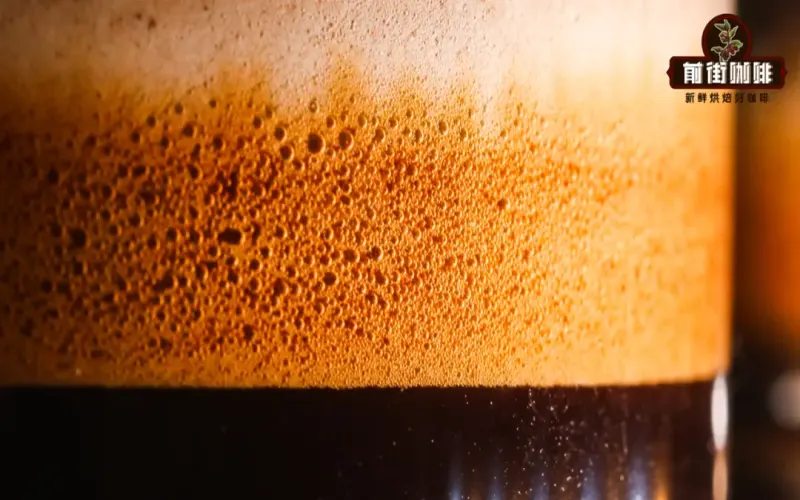
An Essential Analysis of Espresso Crema: Differences in Crema Content Among Espresso Beans and a Price Reference for Buying Coffee Beans with Rich Crema
That golden to chocolate-colored foamy layer on the surface of espresso is what coffee lovers often call "crema." It is not only a visual hallmark, but also influences the flavor direction and mouthfeel of espresso to a considerable extent. So what exactly is crema? Simply put, it is a mass of tiny bubbles formed when water, under high temperature and high pressure, extracts coffee grounds, emulsifying the natural fats and oils in the coffee and mixing them with air and carbon dioxide. The amount of crema is closely related to coffee variety, roast date, roast level, and equipment conditions. Robusta beans usually produce richer crema, while freshly roasted and darker roasted beans can also enhance crema performance. This article will systematically sort out the causes and influencing factors of crema, and at the same time, combined with specific products such as Front Street Classic Blend, Front Street Commercial Blend, and Front Street PWN Golden Mandheling, provide bean selection references and price guidance for coffee lovers seeking rich crema. [more…]
Analysis of the Reasons for Missing Espresso Crema, and a Guide to Choosing Espresso Beans for Rich Crema
The golden, velvety layer of Crema on the surface of espresso is the unique charm of Italian coffee. But many people often encounter thin, pale, or even completely missing crema when brewing at home. How exactly is this layer of crema formed? And how should you choose the right espresso beans to achieve the ideal Crema? Starting from the principles of crema composition, combined with Front Street Coffee's blend recommendations, this article will analyze in detail the key factors affecting Crema richness, and teach you to judge the extraction state by observing crema patterns, solving common problems one by one such as insufficient coffee machine pressure, stale beans, and improper grind size, helping you consistently produce a cup of Espresso with rich crema. [more…]

Espresso Crema | Why does espresso have a layer of crema? Can the crema tell you if an espresso is good or bad?
You often hear people say, "To judge whether an espresso tastes good, just look at the crema. The best espresso has a crema that is fine, thick, and golden." But can you really judge whether an espresso tastes good by the state of its crema? To find out whether this method works, Front Street only needs to give everyone two questions. [more…]
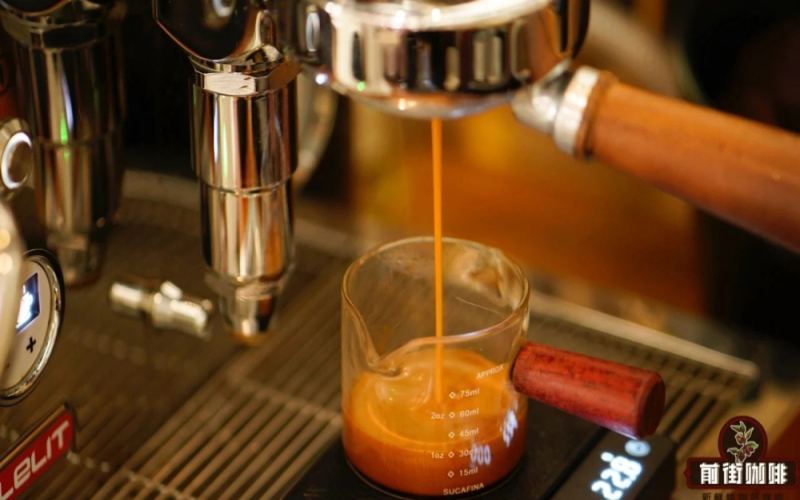
What causes insufficient crema in espresso? A full analysis of crema composition and extraction issues
That golden layer of crema on top of espresso, which Italians call Crema, is an important visual indicator for judging the quality of a cup of Espresso. It is not actual oil, but rather an emulsion layer formed by the insoluble fats in coffee wrapping around carbon dioxide, and only an espresso machine with 9 bars of pressure can consistently produce it. When the crema is missing, thin, pale, coarse and foamy, or clumpy, it often points to specific problems with bean freshness, roast level, equipment performance, or extraction parameters. Starting from Front Street's extraction experience, this article sorts out the causes and evaluation criteria of Crema, helping you identify the root of the problem by observing the form of the crema, so you can make a cup of espresso with a rich, dense crema. [more…]
Analysis of the Causes of Thin or Absent Espresso Crema and Ideas for Improving Extraction
That golden layer of oil on the surface of espresso, which Italians call Crema, is a unique product formed when an espresso machine at 9 bar pressure wraps carbon dioxide and emulsified fats together. It not only enhances visual appeal but also affects mouthfeel, aroma, and latte art performance. However, many coffee enthusiasts encounter problems during extraction such as no crema, pale crema, rough and overly foamy crema, or clumpy crema. Starting from Front Street's extraction experience, this article systematically reviews the compositional principles of Crema, analyzes the causes behind different crema forms, and offers practical advice from bean selection to equipment parameters to help you make an Espresso with dense, ideal crema. [more…]
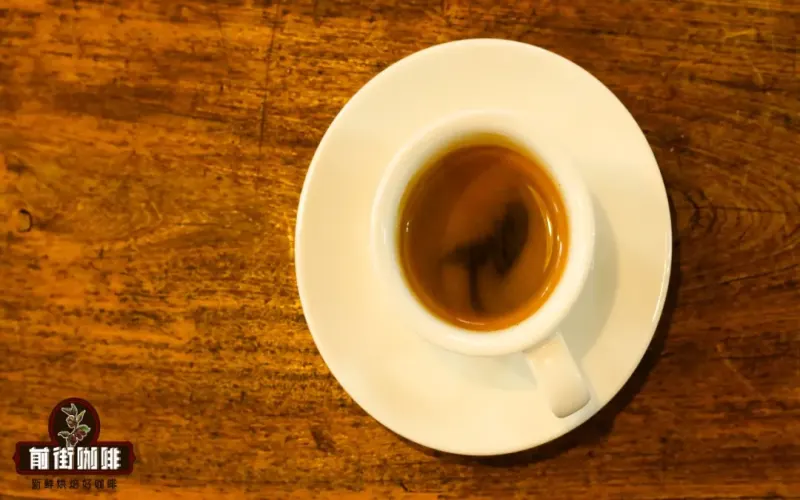
Espresso Crema Extraction Techniques | Is Coffee Crema Actually Oil? How to Make Espresso Black Coffee with Crema Using an Espresso Machine or Moka Pot?
A while back, when Front Street Coffee was tinkering with a moka pot in the shop, a friend saw that the moka pot coffee Front Street brewed had a very thick layer of crema, so they asked Front Street for the secret to brewing such thick crema, because the moka pot coffee they brewed at home had very thin crema. The same situation often occurs with espresso machine users as well. [more…]
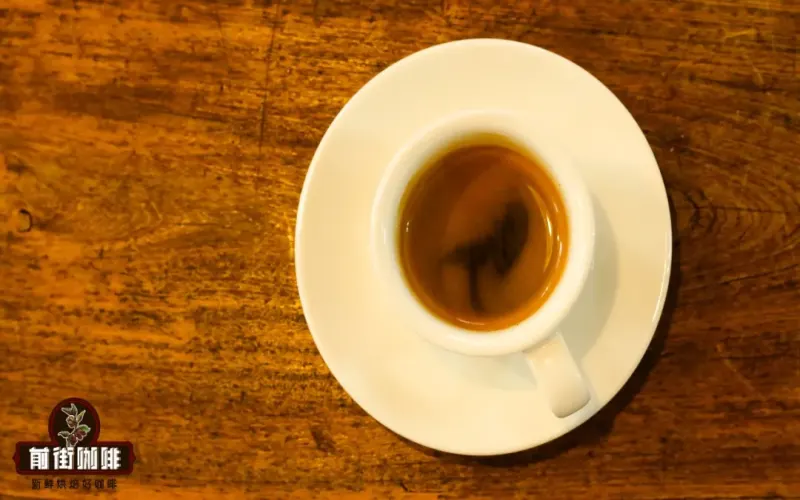
Why Moka Pots and Espresso Machines Produce Thin Crema: The Nature of Crema, Carbon Dioxide, and Pressure Explained
Many friends who use moka pots or espresso machines run into the problem of thin crema in their espresso. In fact, what we call "coffee oil" isn't real oil at all, but an emulsion-like foam called crema, formed when coffee lipids wrap around carbon dioxide bubbles. Two core factors affect how rich the crema is: the carbon dioxide content of the coffee beans themselves, and the pressure applied during extraction. Carbon dioxide content depends on roast level and freshness, while pressure is closely tied to dose and grind size. This article breaks down the reasons for thin crema one by one, explains why the amount of crema doesn't directly equate to coffee quality, and recommends Front Street Coffee beans suited to moka pots and espresso machines, helping you adjust your extraction approach accordingly. [more…]
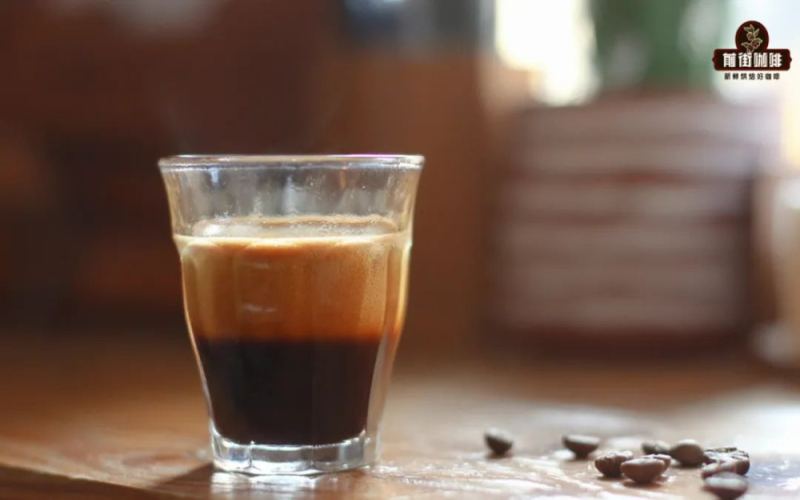
Where Does the Crema on Espresso Come From? A Detailed Explanation of Its Composition and Tips for Extracting a Rich Crema
The golden-yellow oil layer on the surface of espresso, known as Crema, is an important reference for many coffee enthusiasts when judging the quality of an espresso. But what substances actually make up this "oil" layer? Why is some espresso crema thick and long-lasting, while other crema is thin and dissipates easily? This article will start from the compositional nature of crema, trace the evolution of espresso machines, and analyze one by one the effects of coffee bean variety, origin, roast level, freshness, as well as extraction pressure and coffee-to-water ratio on crema performance. At the same time, combined with Front Street Coffee's espresso blend recommendations, it provides practical advice for achieving thick crema in both home and cafe settings, helping you understand and master the extraction logic of espresso more systematically. [more…]
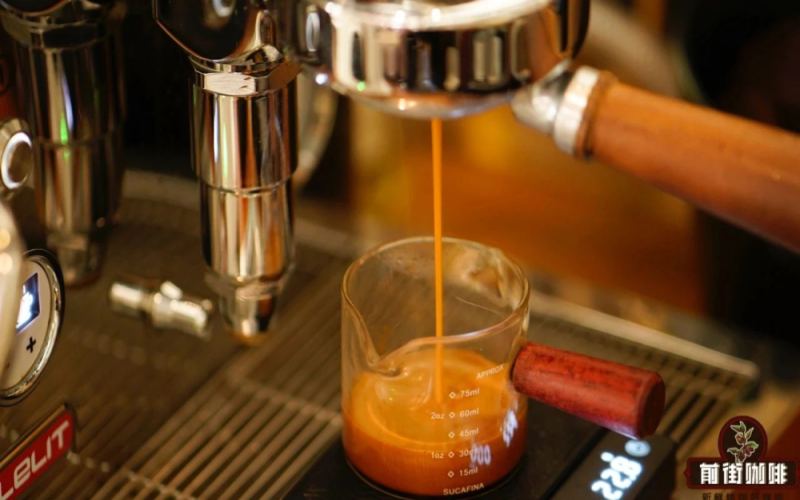
Coffee crema | What is the composition of crema in espresso? What should you do if there is no crema or the crema is clumpy when extracting espresso?
What is espresso? Espresso is a very, very small cup of coffee, about two or three sips and it's gone. Its flavor is extremely intense, and many people find it hard to accept. The small cup size and intense flavor are the reasons espresso has a very small audience in China, but latte made with milk and Americano made with water [more…]
How Is Espresso Crema Formed? A Guide to Buying Espresso Beans with Rich Crema and Good Latte Art
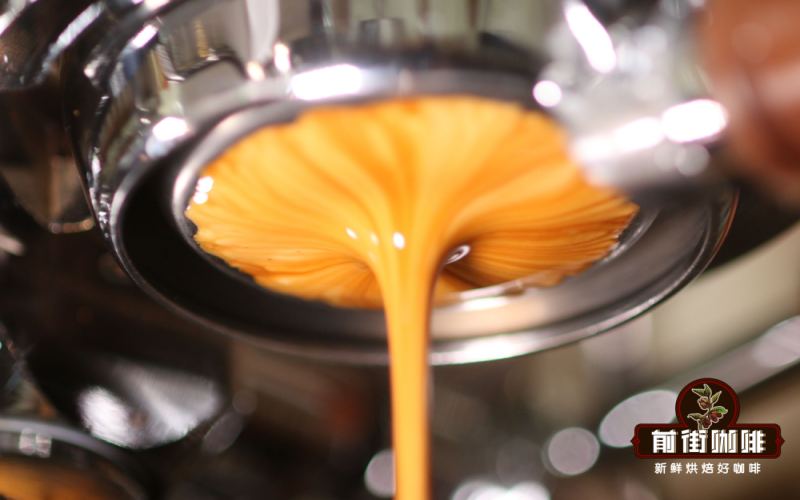
The golden, delicate crema is the most recognizable hallmark of espresso, and its thickness and condition directly affect both the drinking experience and latte art results. This article first walks you through the principles behind crema formation and the criteria for judging it, then breaks down the four factors that influence crema performance—bean freshness, roast level, extraction degree, and bean variety. Next, we recommend an espresso blend from Front Street Coffee with outstanding crema performance, and finally analyze what equipment factors beyond the beans themselves can make crema thin. Whether you're a home enthusiast or a café operator, you'll find practical references here. [more…]
Where does the rich crema of espresso come from? A detailed explanation of crema's composition and the key to extraction
The golden, enticing layer of crema on the surface of espresso is an important reference for many coffee lovers in judging the quality of the brew. But do you know what this substance, called Crema, is actually made of? How does it differ from true coffee oil? And how can you get a richer Crema during extraction? This article begins with a customer feedback incident at Front Street Coffee, traces the evolution of espresso machines, analyzes the formation principles of Crema, and shares practical ideas for making rich crema from three dimensions: coffee bean selection, equipment conditions, and extraction methods, helping you pull a satisfying espresso at home too. [more…]
Summary of Reasons for Espresso Crema Extraction Failure: Key Judgments Based on Color Depth and Crema Thickness
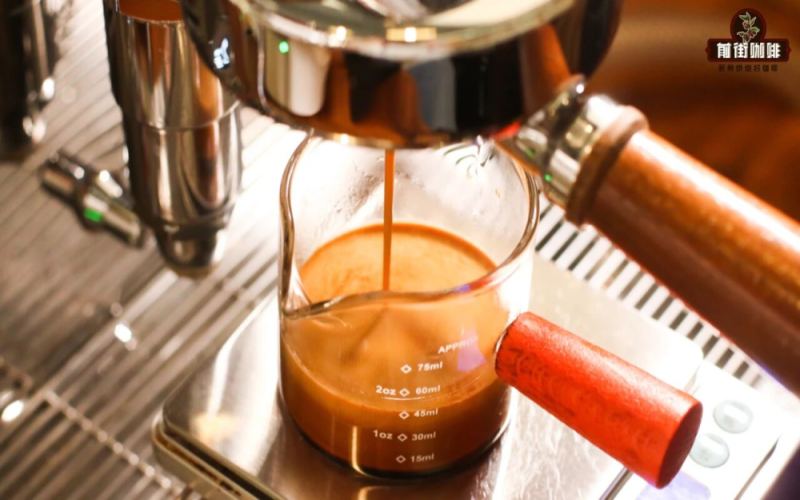
The golden-yellow oil on the surface of espresso, known as crema, is regarded by many coffee lovers as the soul symbol of a good shot. Under normal conditions, the liquid should be covered by a golden-yellow crema layer about one-third thick, with a creamy texture when swirled and a clear cling to the cup wall. However, many people encounter thin or even completely missing crema in practice, which may involve multiple variables such as coffee bean variety, roast level, freshness, grind size, water temperature, and coffee machine pressure. Front Street Coffee has systematically sorted out these common issues, analyzing everything from bean selection to equipment parameters one by one, to help everyone quickly pinpoint the problem in the extraction process and bring back that alluring golden-yellow crema. [more…]
Coffee Beans Recommended for Latte Art | What Are the Characteristics of Espresso Beans with Rich Crema? What Factors Affect Coffee Crema?
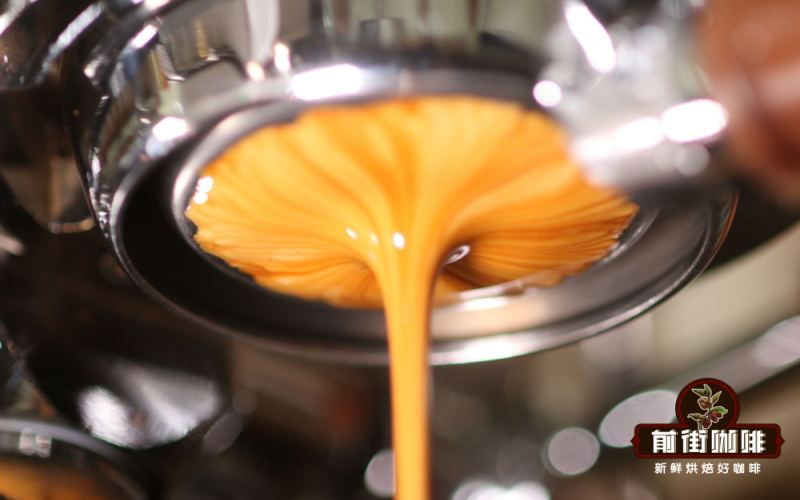
Some people drink espresso for the flavor, while others drink it for the mouthfeel. For those who love flavor, there are all kinds of SOE coffee beans to choose from—so what coffee bean options are there for those who enjoy a rich, intense mouthfeel? The signature characteristic of espresso—crema Espresso at its most fascinating [more…]

Where Does Espresso Crema Come From? Key Factors Affecting Crema Thickness and Espresso Bean Recommendations
The golden to chocolate-colored layer of foam on the surface of espresso is what is commonly called crema. It is not only a visual hallmark, but also affects the flavor and mouthfeel of the coffee. Crema is essentially a fine bubble mixture formed when water extracts coffee grounds under high temperature and high pressure, emulsifying natural fats and oils and trapping air and carbon dioxide. Its amount is closely related to coffee variety, roast date, roast level, and extraction equipment: Robusta produces a thick crema, while Arabica tends toward fruity acidity and a moderate mouthfeel; freshly roasted coffee can enhance emulsification, but coffee that is too fresh or too old will throw the crema out of balance; dark roasts produce a thicker, more viscous crema, while roasting too dark backfires. In this article, Front Street will break down these variables one by one and recommend several espresso beans suitable for those pursuing a rich crema. [more…]