







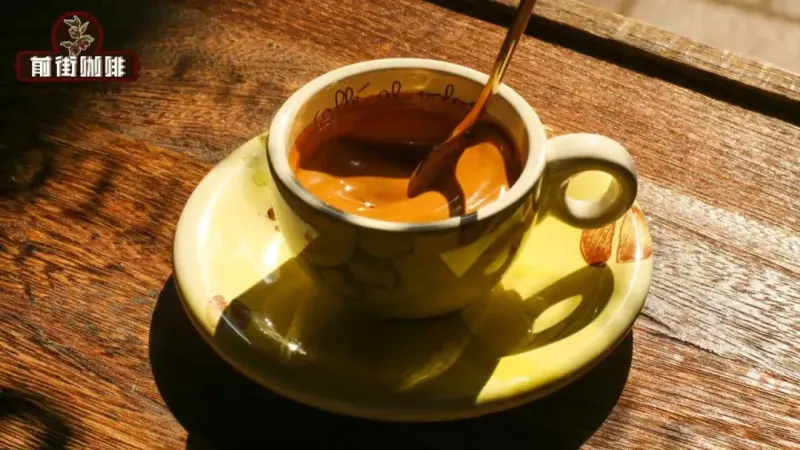
Espresso, though niche, is the base of drinks like lattes and americanos. The golden layer on its surface is called Crema, formed by coffee's insoluble oils wrapping around carbon dioxide, and can only be created by an espresso machine's 9-bar pressure. The crema not only brings caramel and nutty aromas but also enhances the visual appeal of latte art. However, when crema fails to appear or looks abnormal, it often reflects issues with bean freshness, grind, or distribution. This article explains the causes of Crema and provides a guide to choosing coffee beans rich in crema, teaches you how to judge extraction quality through crema color, texture, and clumping, and recommends two espresso beans suitable for home use: Front Street Classic Blend and Front Street Dark Cocoa Base Blend.
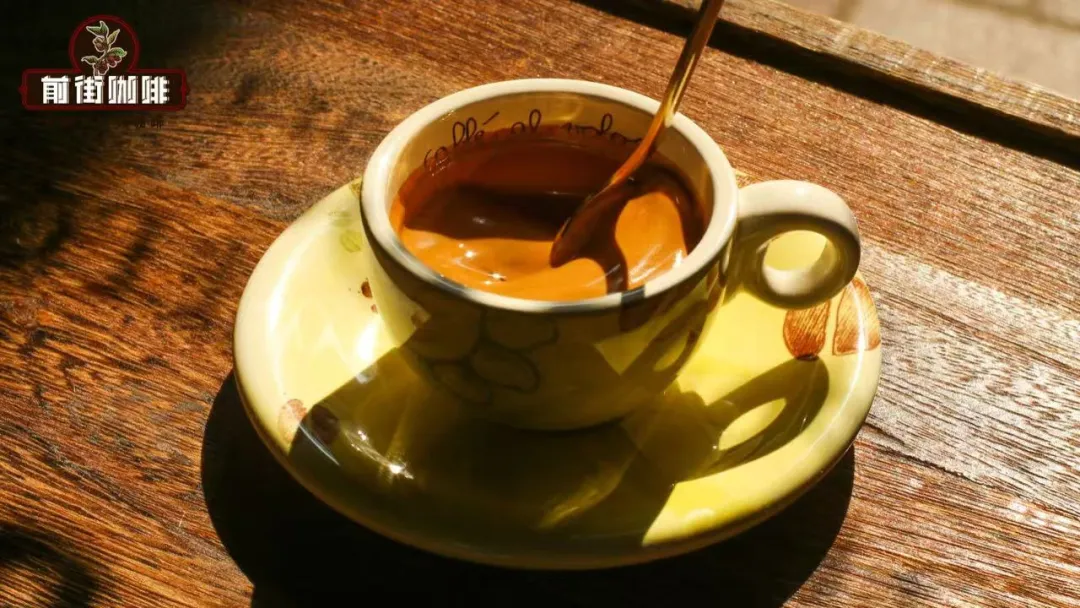
For most consumers, espresso is not a daily first choice—people are more familiar with drinks like americanos, lattes, and Flat Whites. However, these popular coffees all rely on espresso as their base.
Espresso
An espresso is extremely small in volume, usually finishable in two or three sips, yet its flavor is intensely strong, which many people find hard to accept. The small volume combined with the powerful flavor is exactly why it has a limited audience in China. However, once milk is added to make a latte, or water to make an americano, it becomes very appealing. An espresso in the cup looks like this: a deep black coffee liquid at the bottom, with a layer of golden coffee crema floating on top.

Is coffee crema actually oil?
We know that peanut oil is pressed from peanuts, and dark-roasted coffee beans also secrete oil on their surface. So what exactly is that layer of crema that an espresso machine presses out of espresso made of? Italians call this substance "Crema." This rich, unique Crema can only be produced by an espresso machine, and the key lies in pressure. An espresso machine uses 9 bars of water pressure to "squeeze" the coffee puck. The carbon dioxide in the grounds, due to the immense pressure, causes the water to become supersaturated with CO2, and the gas cannot escape, so it dissolves directly into the coffee liquid.
During extraction, the fats in the coffee are emulsified. These fats wrap around the carbon dioxide and, being lighter than water, gradually separate into layers, causing the golden crema to float to the surface—a beautiful sight.
Therefore, this layer of golden, delicate coffee crema is formed by coffee's insoluble oils wrapping around carbon dioxide.
The crema not only releases caramel, nutty, and toasted bread aromas but also makes other espresso-based drinks look more appealing. Delicate crema is the finishing touch when pouring latte art.
Guide to Choosing Coffee Beans Rich in Crema
Since crema is a mass composed of countless tiny bubbles and soluble substances, Front Street recommends prioritizing freshly roasted, properly rested medium-dark roasted coffee beans.
Friends who want to practice latte art at home can choose Front Street Classic Blend. This blend combines three origins, is a medium-dark roasted espresso recipe, and draws inspiration from the early popular "Mamba"—Mandheling plus Brazil. To increase aroma and crema, Front Street Classic Blend also adds a small amount of Robusta, boosting flavor intensity so that beginners can easily extract espresso with golden crema at home.

If you care more about value for money and want an everyday bean with moderate crema, choose the everyday-grade Front Street Dark Cocoa Base Blend. This blend uses a combination of Yunnan smallholder beans and Brazilian Red Bourbon, featuring a nutty profile with ripe plum acidity. When ground, it releases a creamy chocolate aroma, with a balanced taste and moderate crema. The key is its stable extraction—positioned as tasty yet affordable, it's absolutely a top choice for home use and for opening a shop.
Observing crema condition can judge whether coffee extraction is good or bad
Normal coffee crema: golden in color, delicate surface, even color, creamy when swirled.
Rough crema: rough surface, obvious bubbles, and dissipates very quickly. This is caused by coffee beans being too fresh. Fresh beans contain large amounts of carbon dioxide. When a large amount of gas is forced into the coffee, the emulsified oils cannot wrap around the gas, and it easily breaks down.
Clumpy crema: dark and thick crema that clumps when swirled. There may be several reasons. The beans may contain Robusta—Robusta's crema is very rich, and the extracted crema is very thick, prone to clumping. It could also be an extraction issue, such as grinding too fine, making the coffee liquid too viscous. Another possibility is that the beans are too fresh—fresh beans have rich but unstable crema that easily dissipates.
Pale and thin crema: crema is light yellow or even whitish, and very thin. There are also several possibilities. First, the grind is too coarse or the dose is too small, causing too fast a flow rate, which makes the crema pale and thin. Second, poor distribution and tamping cause "channeling." Third, over-extraction—during extraction, crema color changes from brown to golden to light yellow to white, and whitish basically means over-extraction. Fourth, the coffee beans are past their flavor window.
Coffee crema can make espresso fuller and rounder
Espresso without Crema has no soul. When tasting espresso, rich Crema wraps around the tongue, making you feel fuller and more three-dimensional, and a strong coffee caramel aroma lingers in the mouth—very comforting.
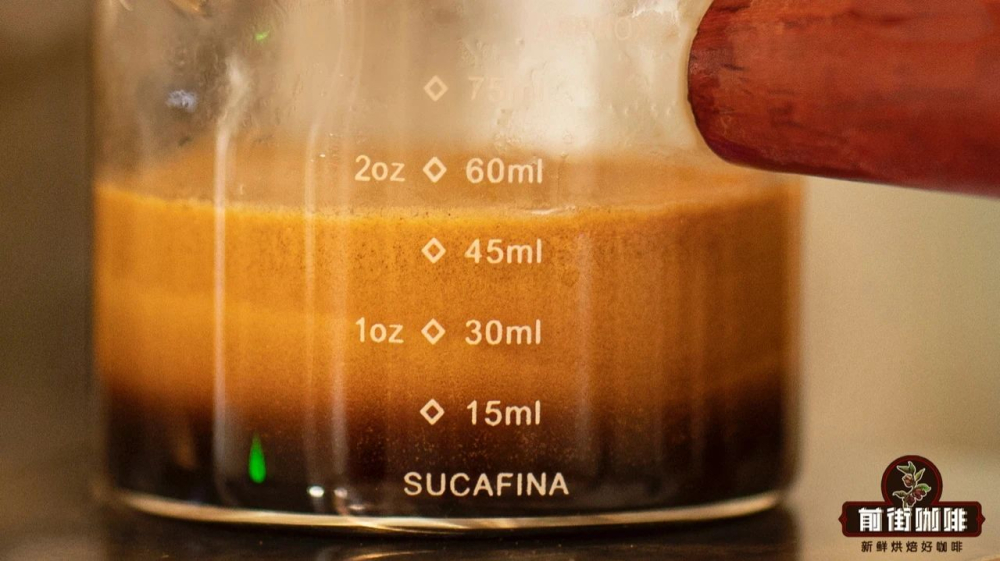
Coffee crema, as the symbol of espresso, marks the characteristics of a cup of espresso. For a good-tasting espresso, the appearance of its Crema is also one of the judging factors. And the condition of the crema also tells the barista how well the coffee was extracted.
The above content is compiled by CoffeeHunters, a coffee news website.


