





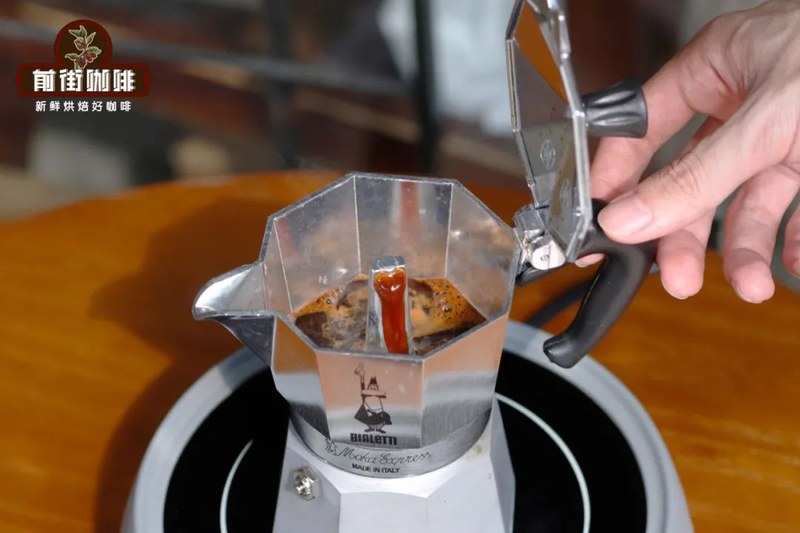

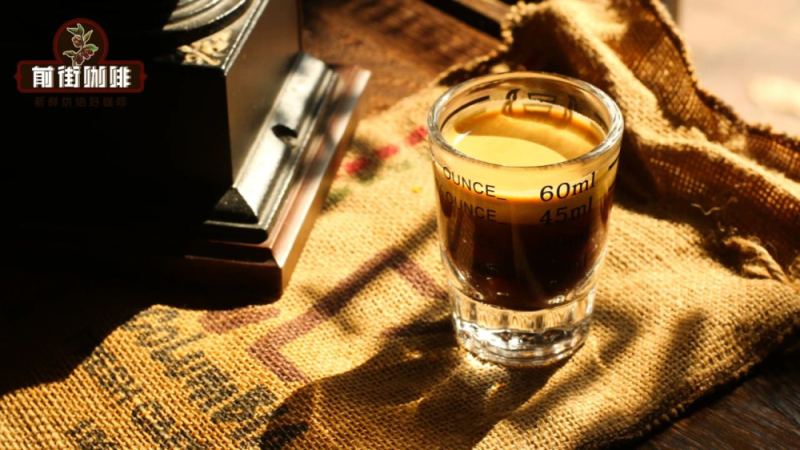
How Does a Deep Roast Affect Espresso Crema?
Crema forms when an espresso machine pushes roughly 9 bar of water pressure through the coffee puck. Carbon dioxide trapped in the grounds dissolves into the water under that pressure, and emulsified coffee oils wrap around the gas; because the oil-and-gas mixture is less dense than water, the golden layer floats to the top. Thin, whitish, or absent crema usually points to low machine pressure, stale beans, or a grind size that is off.
Bean choice matters as much as technique. A deep roast tends to carry more developed oils and gas, which supports a thicker, more persistent crema when the coffee is fresh and the grind is dialed in. Checking the crema's color, texture, and how it clings to the cup wall gives a quick read on whether extraction is running well.
The golden, velvety Crema on the surface of espresso is the unique charm of Italian coffee. But many people often encounter thin, whitish, or even completely missing crema when extracting at home. How exactly is this layer of crema formed? And how should you choose the right espresso beans to achieve the ideal Crema? This article will start from the principles of crema composition, combine Front Street Coffee's blend recommendations, analyze in detail the key factors affecting Crema richness, and teach you to judge the extraction state by observing the crema's appearance, solving common problems one by one such as insufficient coffee machine pressure, stale beans, and improper grind size, helping you consistently produce a cup of Espresso with rich crema.
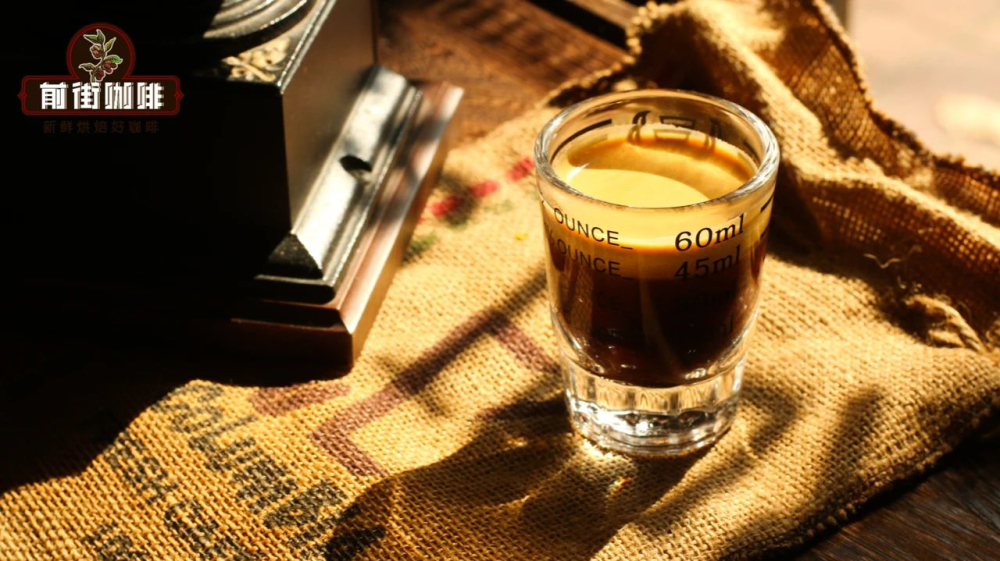
Many people know that peanuts release oil when pressed, and coffee beans that have undergone deep roasting also exude a glossy sheen on their surface. So, when a coffee machine extracts espresso under high pressure, what substances make up that layer of crema floating on the surface?
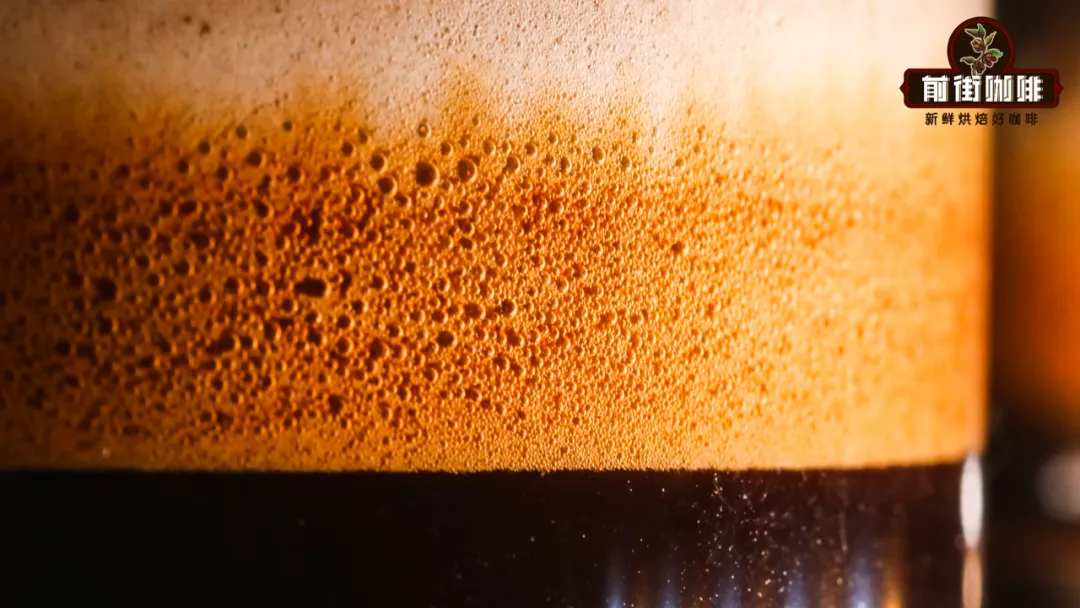
Italians call this layer of substance on the surface of espresso "Crema." This unique and rich Crema can only be produced by an espresso machine, and the core secret lies in pressure. An espresso machine applies about 9 bar of water pressure during extraction, "squeezing" the coffee puck. The carbon dioxide trapped inside the coffee grounds, subjected to tremendous pressure, causes the water to become supersaturated with carbon dioxide. The gas cannot escape and can only dissolve directly into the coffee liquid. At the same time, the extraction process also emulsifies the fats in the coffee. These fat particles wrap around the carbon dioxide, and because their overall density is lower than water, they gradually separate into layers, ultimately causing the golden crema to float to the surface with a very captivating visual effect.
From this, it can be seen that this layer of golden, delicate coffee crema is essentially formed by insoluble oils in the coffee wrapping around carbon dioxide. So, how exactly can you make espresso with a beautiful Crema?
In Front Street's view, a high-quality Crema should present a golden color, with a delicate surface texture and even color distribution. When gently swirled, it should be as smooth as cream, with a very obvious cling to the cup wall. It not only gives espresso an excellent visual appeal but also enriches the mouthfeel and aroma when tasting, and protects the coffee's flavor. When making hot milk coffee, it is even more beneficial for the fusion during latte art and for supporting the pattern. Perhaps this is exactly why people spare no effort in pursuing a perfect Espresso!
Based on past extraction experience, achieving a rich Crema is actually not complicated. First, when selecting coffee beans, you should choose beans with high oil richness and sufficient carbon dioxide content. Specifically, first, choose medium-dark to dark roasts; second, ensure they are within the peak flavor period (1 to 45 days after roasting), or choose a fresh espresso blend containing a certain proportion of Robusta beans.
First, choose Front Street. Commercial Espresso Blend, which is composed of Colombia, Brazil, and Robusta. It has a strong aroma, rich crema, and a full-bodied taste, suitable for those who open a coffee shop and want stable output.
If you don't have much experience making coffee but still want to produce beautiful crema, then directly buy Front Street. Front Street Classic Espresso Blend. It combines Indonesian Mandheling beans and Brazilian espresso beans, carrying the wild aroma of Mandheling and the smooth mouthfeel of Brazilian beans, playing a complementary and harmonizing role in flavor. Front Street Classic Espresso Blend adds Robusta to the Mamba recipe, fully enhancing the coffee's crema and making the espresso's body stronger. It is suitable for home use and for latte art.
Once you've chosen the right coffee beans, you also need to pair them with fresh grinding, stable high temperature, sufficient extraction pressure, and reasonable extraction parameters. Only by satisfying these key factors can you obtain an Espresso rich in dense crema.
Overall, the fresher the coffee beans, the darker the roast level, and the greater and more stable the equipment pressure, the better the coffee crema expression. Next, we will analyze specific situations individually. Front Street will teach everyone how to judge the quality of Espresso by observing the crema's appearance, thereby solving various common extraction problems.
No crema at all, or thin crema: The problem is very likely that the beans have been stored too long (including improper storage and coffee beans pre-ground into powder). The longer the storage time, the more the coffee beans exchange gases with the air, the more carbon dioxide is lost, and the less coffee crema is ultimately produced. Second, coffee machine pressure too low, temperature too low, grind size too coarse, insufficient tamping force... are also causes of too little crema.
Whitish crema: If the espresso you extract has decent crema thickness but lacks a golden color and the overall taste leans sharply sour, then it is likely because you used beans with a lighter roast level. For example, using pour-over beans that highlight fruity acidity to make espresso can easily result in an unpleasant sourness due to under-extraction, accompanied by whitish crema.
Rough, bubbly crema: This kind of espresso Crema often lasts only a very short time and dissipates quickly. This is caused by coffee beans being too fresh. Freshly roasted beans contain a large amount of carbon dioxide. When a large amount of gas is forced into the coffee liquid, the emulsified oils cannot wrap around the gas and easily collapse.
Clumpy crema: This kind of espresso generally shows obvious "lumps" when swirled, with an uneven surface of crema and poor fluidity, just like milk foam we've steamed too old, difficult to spread and blend.
The above content is compiled by CoffeeHunters, a coffee news website.


