







Search Results for: condition
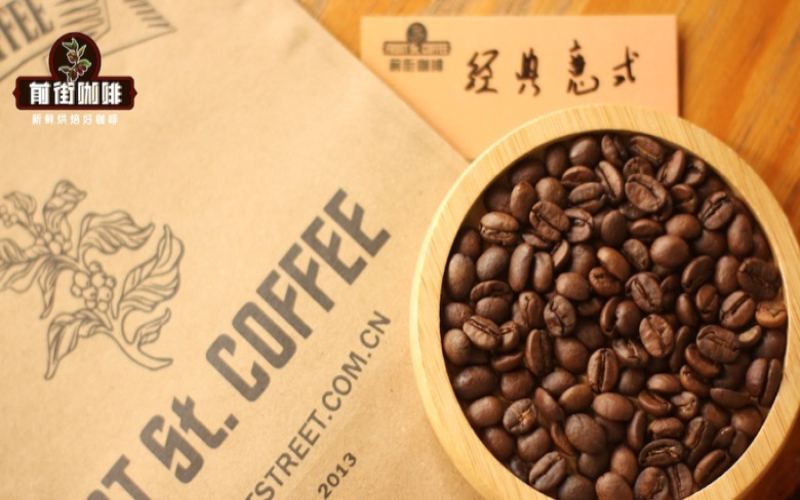
How to Choose Between Espresso Blends and SOE: Pick Based on Taste Preferences and Equipment Conditions
Don't reduce flavor to a simple opposition between acidity and bitterness; aroma, sweetness, body, mouthfeel, and finish together make up a cup of coffee. Bean selection approach: first decide on floral-fruity, nutty-cocoa, or a balanced middle ground, then use origin, processing method, and roast level to put it into practice. In espresso, dose, grind size, yield, and time form a set of variables that require repeated [more…]

Introduction to the varieties in the Kona coffee producing area in Hawaii, USA.
As we all know, coffee is generally grown in the coffee growing zone, that is, the equatorial zone between the north and south tropic lines. However, the United States is not in this range, and the climate conditions are not very suitable for the gro [more…]
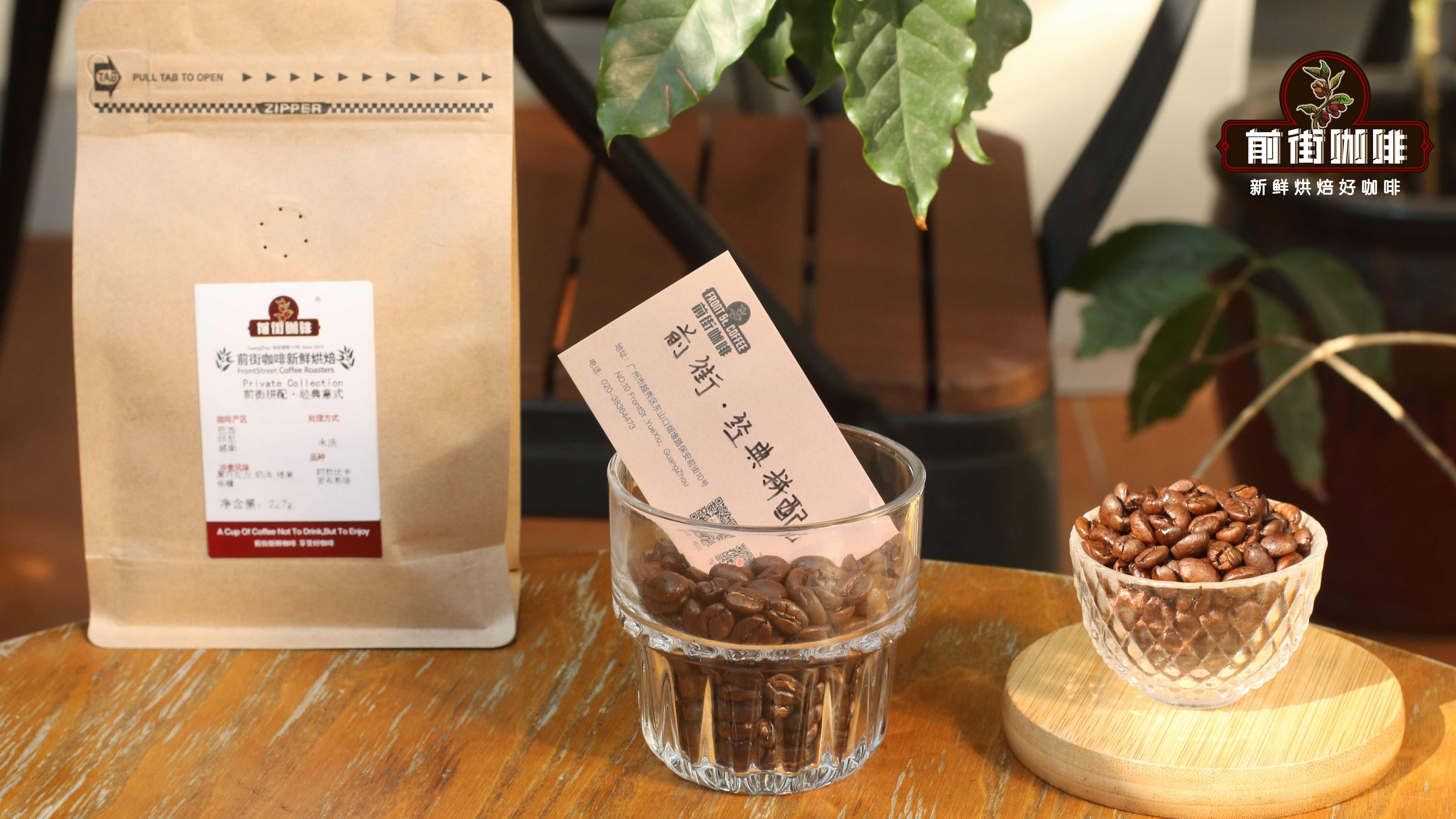
Entry-Level Espresso Beans | What Conditions Must Be Met for Standard Espresso Output? Recommended Espresso Blend Coffee Beans for Great Americano and Latte
The coffee beans used for mainstream espresso in today's coffee shops are essentially of two types: blends or single-origin espresso SOE. So, what is the difference between these two types of coffee beans when made into espresso? Let's first talk about traditional Italian espresso, which is what we usually call Espresso, referring to a type with a strong taste. [more…]
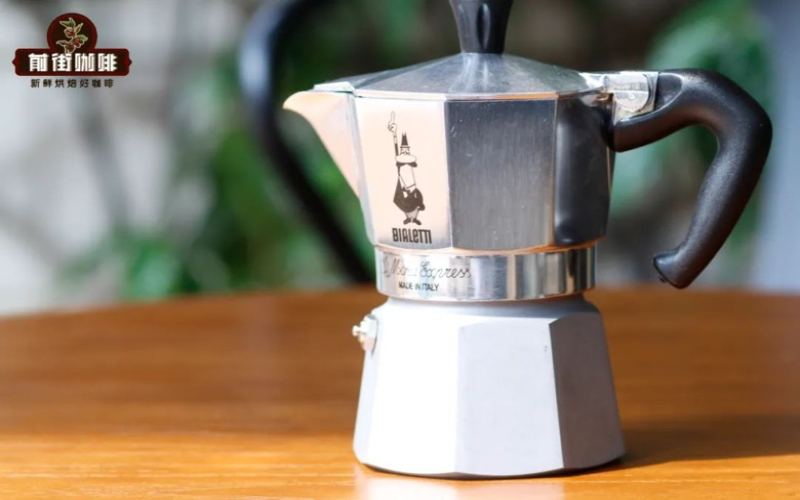
Low-Acid Dark Roast Moka Pot Espresso Coffee Beans: Choose Based on Taste Preference and Equipment Conditions
Change the equipment, and the way beans express themselves changes too. For pour-over, the scoring criteria are aroma and clarity; for espresso machines, they are intensity and sweetness; for a moka pot, you have to balance pressure, heat, and the state of the coffee bed. So before choosing beans, first decide what equipment you'll use, then fine-tune the brewing parameters according to the roast level. As a steam-pressure extraction device, the moka [more…]

Analysis of Coffee Tree Potted Cultivation and Growing Region Conditions: From Plant Classification to Artificial Planting Practices
Coffee, this everyday beverage, originates from the fruit of the coffee tree. This article begins with its botanical classification and systematically examines the origins, growth habits, and suitable cultivation regions of the coffee tree. The coffee tree belongs to the genus Coffea in the family Rubiaceae and is an evergreen shrub, naturally distributed across the "Coffee Belt" between the Tropic of Cancer and the Tropic of Capricorn. Beyond commercial cultivation, the coffee tree can also be grown as an ornamental potted plant, displaying its unique charm in artificial environments. The article will explain in detail the coffee tree's growth cycle, pruning management, and planting applications in coffee shops, accompanied by multiple images to aid explanation, helping coffee enthusiasts gain a more comprehensive understanding of this plant's natural and cultivated growing requirements. [more…]
When to drink moka pot beans, and how to preserve aroma after opening
Coffee brewed in a moka pot is relatively concentrated, and the condition of the beans directly affects the aroma, sweetness, and finish. Freshly roasted beans contain more carbon dioxide, which tends to create resistance as water flows through the coffee bed; if left too long, the aroma gradually weakens. Therefore, when choosing beans for a moka pot, don't just look at the flavor description—also pay attention to the roast date. [more…]
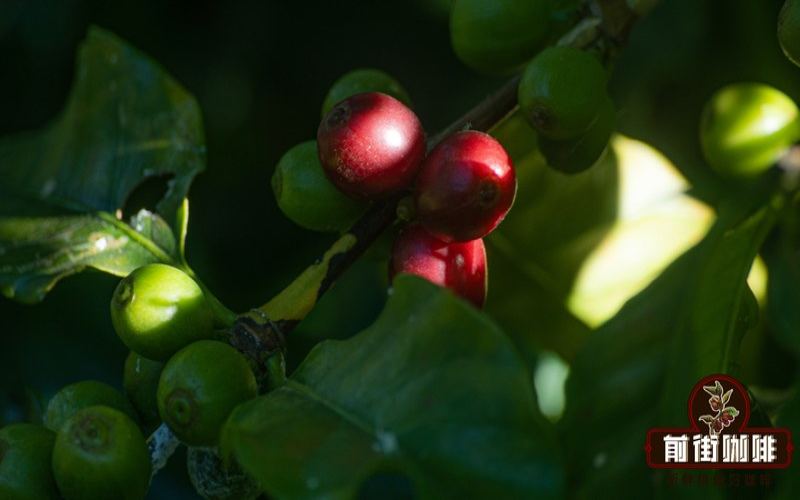
After opening a bag of floral coffee beans, when is the best time to drink it?
The charm of floral-style coffee often isn't limited to that first sip. When freshly ground, it may show notes of fresh-cut flowers, citrus peel, or berries; once brewed, it shifts into tea-like aromas, fruity sweetness, and a light acidity. To taste these details, when choosing beans, besides looking at the flavor description, you should also pay attention to the roast date, the condition of the packaging, and how you plan to [more…]
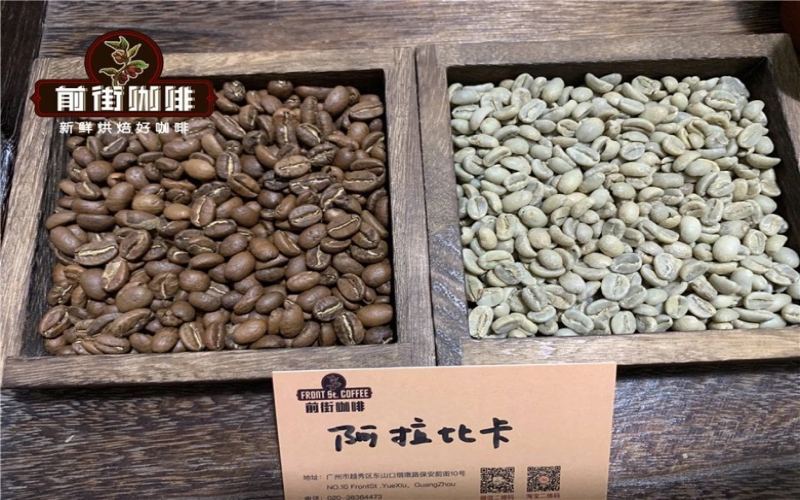
Bean blend combinations for commercial espresso blends: the ratio logic of Arabica and Robusta
There is a clear difference between commercial blends and home-use beans: they must simultaneously satisfy three conditions—flavor, cost, and consistency. And the combination of bean varieties in a blend, especially the ratio of Arabica to Robusta, is often the key to whether these three conditions can be balanced. Arabica beans are the flavor powerhouse. They bring floral notes, fruity acidity, and a solid [more…]
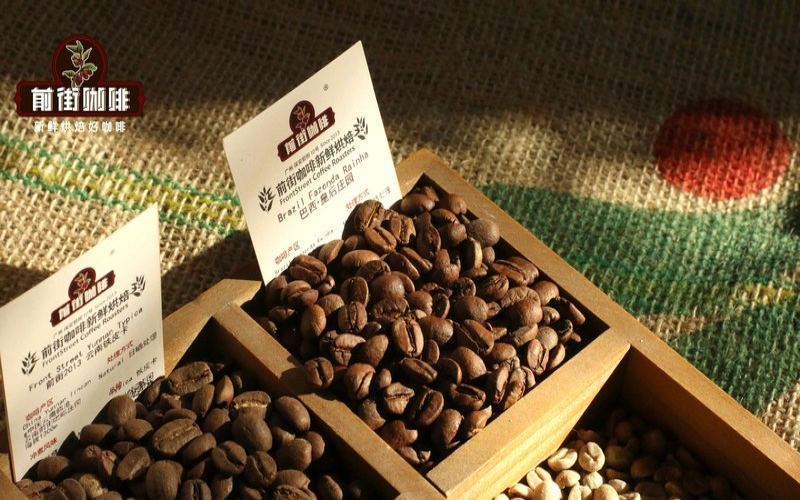
Brazilian coffee beans: How many days after opening do they taste best?
Whether a cup of Brazilian coffee tastes good depends not only on the flavor profile of the beans, but also on the time from when roasting is completed to when it enters the cup. Brazilian beans with notes of nuts, cocoa, and caramel usually need some time to release the gases accumulated after roasting, so that the aroma can gradually become mellow instead of sharp and scattered. When buying beans, first make clear [more…]
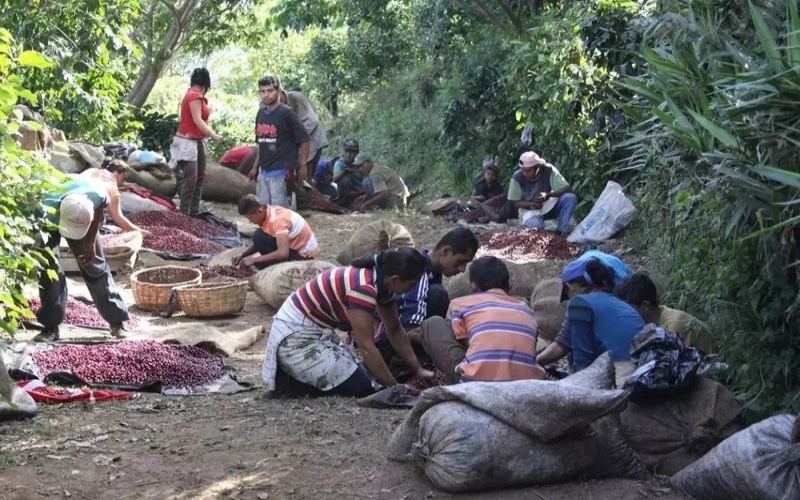
The flavor of a Moka Pot Americano depends on the rhythm after opening the bag
Americanos made with a moka pot have a fairly concentrated coffee character while also amplifying the beans' sweet aroma, nutty notes, and cocoa tones. When choosing beans, besides checking the origin and flavor description, you should also pay attention to the roast date, the condition of the packaging, and how quickly you'll drink them. The stage the beans are at often determines whether a pot of coffee has a fresh aroma [more…]
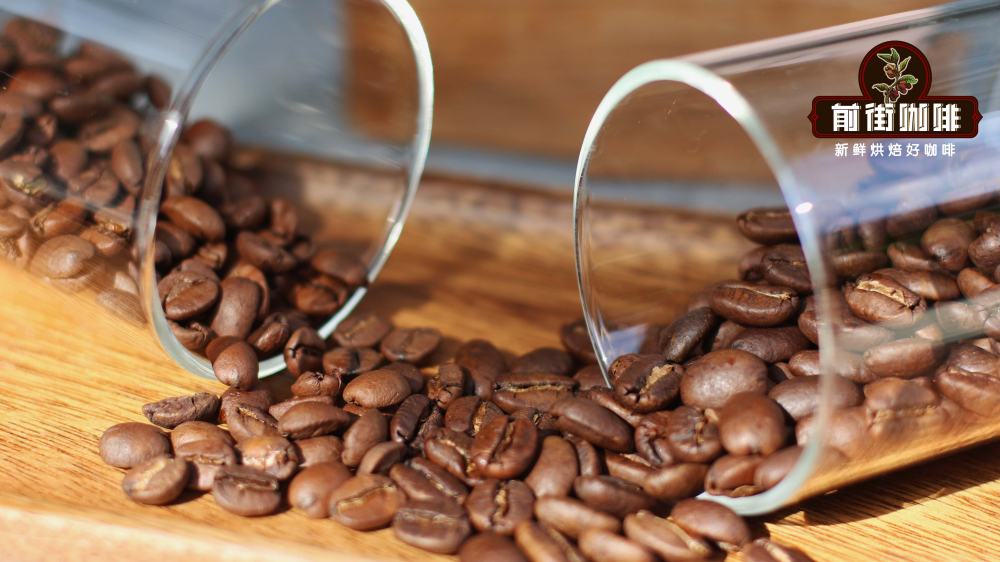
Espresso Blend Coffee Bean Recommendations | What Is a Coffee Blend? Which Coffee-Producing Regions' Beans Are Suitable for Blending? Introduction to Espresso Blend Principles and Coffee Bean Variety Ratios
Front Street Coffee · The Art of Blending Coffee Beans and Sharing an Espresso Blend Recipe Blending coffee, also known as mixed coffee, is the practice of combining various single-origin coffee beans to fully bring out the strengths of each one. Blended beans [more…]
Guide to Applying for a Roasted Coffee Production License: A Complete Interpretation of Review Requirements from Raw Material Processing to Factory Inspection
For enterprises engaged in coffee bean roasting production, obtaining a food production license is a prerequisite for lawful operation. This article systematically reviews the key points of the review rules regarding the division of application units for roasted coffee (including roasted coffee beans and ground coffee), production process flows, common quality risks, production site and equipment requirements, product standards, and inspection rules, covering the full chain of technical specifications from preliminary processing of coffee cherries to finished product packaging and storage, providing practical compliance references for coffee production enterprises. Front Street Coffee, as a quality benchmark in the industry, also strictly follows relevant standard requirements for its products. [more…]
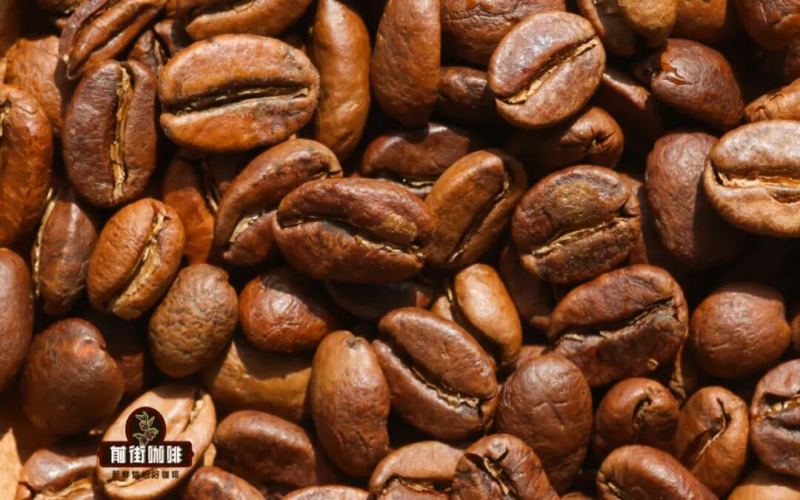
Espresso Making | Why do coffee shops need to dial in espresso every day when they open? How do changes in coffee bean condition affect the taste of espresso?
Honestly, Front Street Coffee believes that in a barista's daily work, there is nothing more painful than the morning ritual—dialing in espresso. If there's anything more painful than that, it must be dialing in espresso on a rainy day. Because if you're not careful, you'll end up full of espresso, drinking it until you're sick of it. Some friends find this very hard to understand; they think [more…]
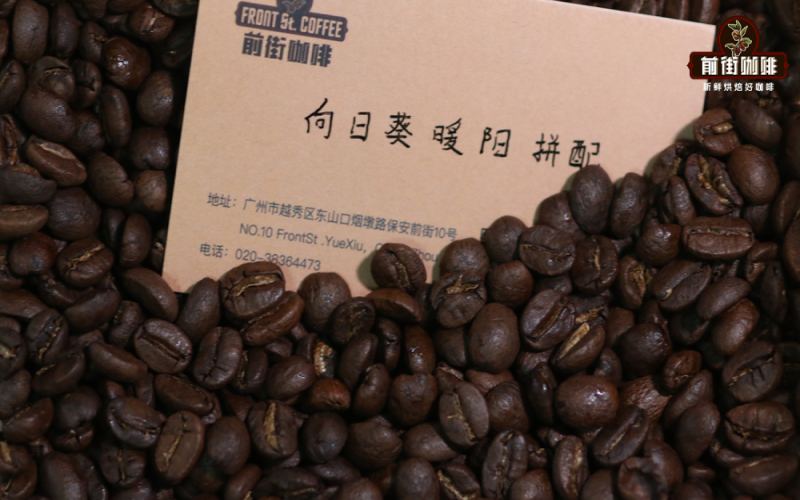
Espresso Brewing Ratio | Must Espresso Use a Blend? How Do Beginners Blend Espresso Beans?
Front Street Coffee uses espresso blend coffee beans to enhance the richness and balance of flavors, but it is not absolutely necessary. There is also the SOE coffee approach now, which uses coffee beans from a single origin to make espresso, highlighting the coffee of that origin. [more…]
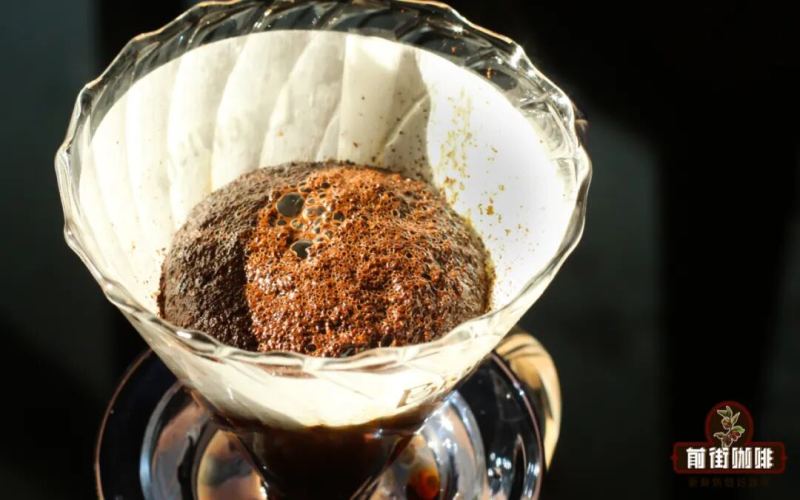
Coffee Blooming | Is blooming a must for pour-over coffee? What is the purpose of blooming coffee grounds? Does blooming or not have a big impact on coffee flavor?
After yesterday's Front Street article "How to Achieve a Perfect Bloom" was published, a friend became curious about this question—"Can pour-over coffee be made without blooming?" Undoubtedly, of course it can! But this "can" requires certain conditions. First, we need to clarify one point, that is [more…]

Moka pot coffee beans: when is the best time to start drinking for better flavor?
Coffee brewed with a moka pot is quite concentrated, and the condition of the beans directly affects how it tastes. Freshly roasted coffee beans are usually still releasing carbon dioxide; though the aroma may be punchy, the liquid can seem thin. After resting for a while, the sweetness, body, and finish gradually come together. When buying beans, besides looking at the flavor notes, also pay attention to the roast [more…]
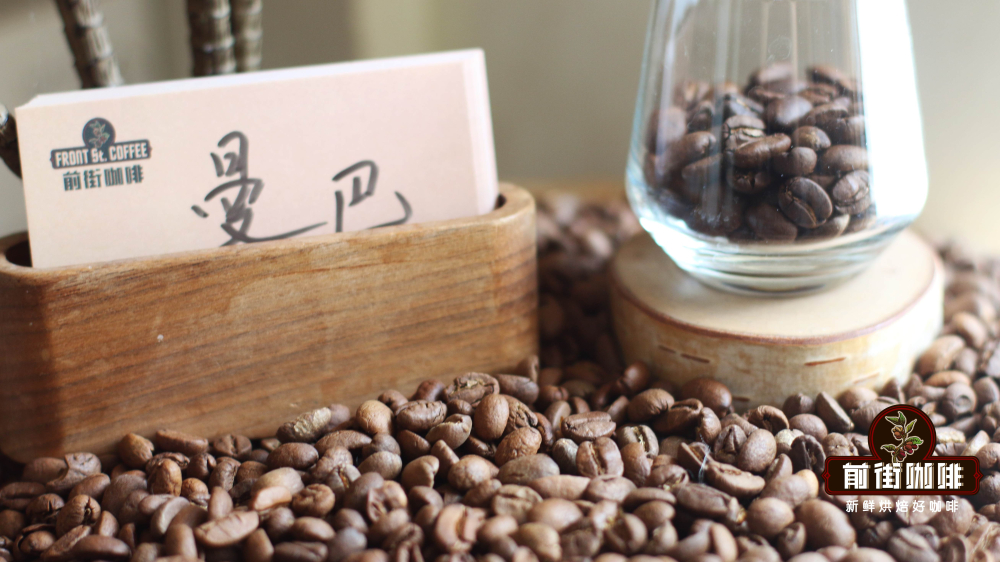
House Blend Coffee Beans Recommendation | Do Arabica Coffee Beans Determine the Flavor of Espresso Blends? How to Blend Espresso Beans and How to Choose Coffee Beans and What Is the Blending Ratio?
Front Street Coffee · The Art of Blending Coffee Beans and Espresso Blend Recipes Sharing. Blending coffee, also known as mixed coffee, is the practice of combining various single-origin coffee beans to fully bring out the strengths of each single-origin bean, blended beans. [more…]
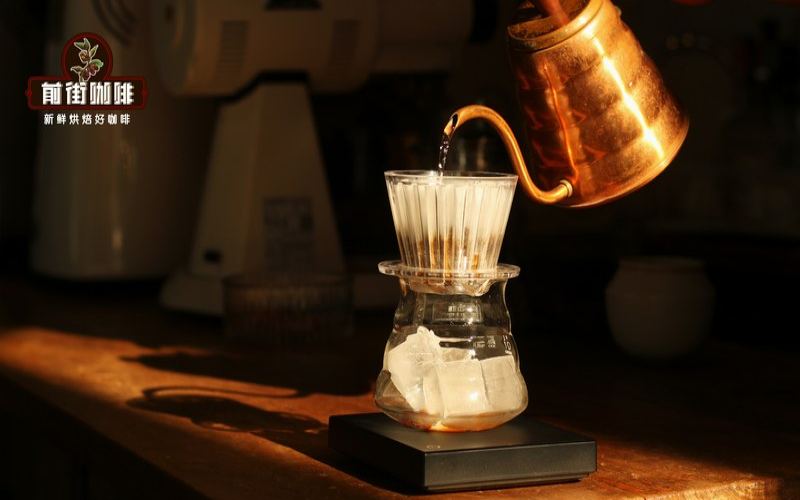
When to brew Colombian beans after buying them home to bring out the aroma
The reason Colombian coffee beans are well suited for home use lies not only in their easy-to-understand flavor, but also in their ability to clearly show the change from fresh to mature. Freshly roasted beans often release their aroma quickly, yet taste slightly tight on the palate; after a few days of resting, the acidity, sweetness, body, and aftertaste gradually come together, making them easier to work with whether you use a pour-over or an espresso machine at home. [more…]
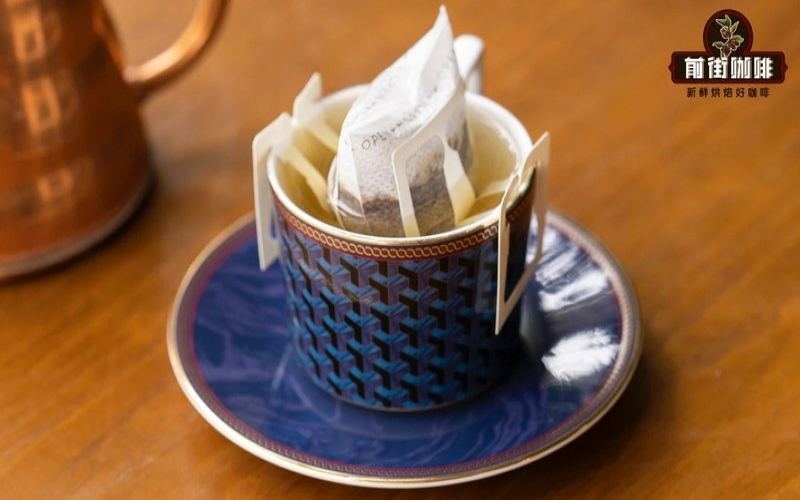
From roast date to opening date: planning the drinking clock for espresso blend beans
Espresso blend beans begin a period of change from the moment roasting is complete: in the early stage they release a large amount of carbon dioxide, in the middle stage the aroma and extraction gradually open up, and in the latter stage they slowly lose their vibrancy. When beginners choose beans, they don't need to treat "the closer to the roast date, the better" as a rule; instead, they should let the dates of arrival, opening the bag, and finishing the beans fall within a suitable flavor window. [more…]
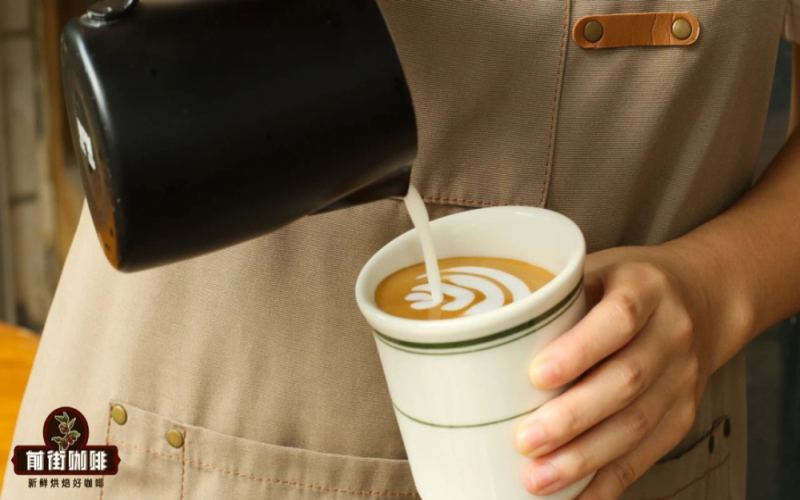
Illustrated Latte Art Tutorial: Key Points on Milk Foam Thickness and a Full Analysis of Milk Selection
Many friends who are just getting into coffee think latte art looks simple—just pour casually and you'll get a heart or a tulip. But when they actually try it, they discover the milk always floats on the surface in clumps. In fact, the key to latte art lies in the condition of the milk foam, the pouring technique, and the way you hold the pitcher and the cup. This time, Front Street Coffee focuses on latte art, breaking down the operational details of each step—from the required foam thickness, steam wand positioning, and steaming temperature, to pouring practice and how to hold the milk pitcher—to help everyone avoid detours and pour a decent-looking pattern as quickly as possible. [more…]