








What is coffee crema and why is it called oil?
Crema is the golden foam on top of an espresso shot, and it is not actually oil. Chemically it is an emulsion foam built mostly from carbon dioxide, plus the natural lipids inside the coffee bean, proteins and other compounds pushed out during extraction. The oil portion is small, usually under 1 percent of the whole layer, which is why the name misleads people.
The word comes from Italian and simply means cream, describing the thick, fine texture of the surface foam, so calling it oil is a translation slip. Front Street Coffee notes that pressurized extraction and bean characteristics together form this foam, and from that angle crema can be split into real and fake varieties depending on how it was produced.
That golden, dense layer of foam on the surface of espresso is often called "crema" and is also hailed as the soul of espresso. But have you ever thought that this layer of "crema" is actually not real oil? Recently, Front Street Coffee saw online discussions about "the distinction between real and fake coffee crema," which sparked curiosity among many coffee lovers. This article will start from the essential composition of Crema, explain why it is mistranslated as oil, analyze how pressurized extraction and coffee bean characteristics together create this emulsified foam, and further clarify the difference between "real crema" and "fake crema." Whether you are a beginner or a connoisseur who wants to understand the principles of espresso in depth, you can get clear answers from it.
A couple of days ago, while Front Street Coffee was browsing online, it came across a rather interesting discussion. Many friends, upon first seeing it, would probably be as full of questions as Front Street Coffee: "Does coffee crema really have real and fake distinctions?"
Out of curiosity, Front Street Coffee scrolled down the post to figure it out. After reading it, it found that from a certain perspective, coffee crema indeed has real and fake distinctions. But to understand what "fake crema" is, one must first understand what "real crema" is. To be honest, though, the so-called "real" crema itself is not really that "real." What is coffee crema? Front Street Coffee has repeatedly mentioned in previous content that the layer of "crema" regarded as the soul of espresso is, strictly speaking, not the oil we normally understand. The oil we refer to in daily life means edible oil, animal fat, and other lipids in the chemical definition. But the layer called "crema" in coffee is mainly composed of carbon dioxide, the natural lipids contained in coffee beans, proteins, and some other substances. It is a layer of foam formed through a specific extraction method. In other words, it is essentially an emulsion foam, not pure oil. (PS: There is indeed oil, but the proportion is very low, generally less than 1% of the whole.)

The reason it is called oil is purely because the original name "Crema" was mistranslated as oil. It is that simple. Crema is an Italian word, and its original meaning is "cream." The layer of foam on the surface of espresso is thick and delicate in texture, very much like cream, so it got this name. Here, we can understand Crema as: "foam as viscous as cream."
However, this kind of crema can only be produced by pressurized extraction. When hot water rapidly passes through finely ground coffee powder under pressure as high as 9 bar, the carbon dioxide in the coffee beans is quickly released and dissolves into the water, forming tiny bubbles. These bubbles are then wrapped by substances such as lipids and proteins in the coffee beans, forming a stable foam layer. By the time it falls into the cup, it becomes the coffee crema we see.
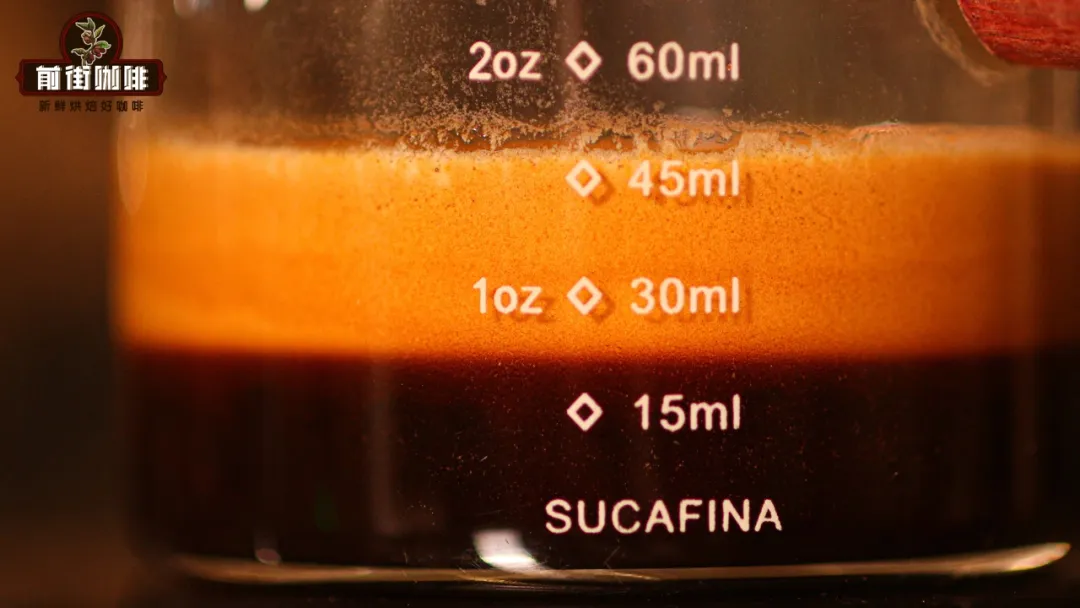
What is "fake crema"? From the above, we can know that the so-called "real" crema refers to a special product resulting from the combined action of pressurized extraction and the coffee beans' own characteristics. These two conditions are indispensable. As long as one is not met, for example, if the extraction method is not pressurized, or if the coffee beans themselves do not have enough carbon dioxide and lipids, then basically that cream-like viscous coffee crema cannot be produced.
However, many friends have found that some coffee preparations can still produce a rich layer of foam even if these two conditions are not met, and its thickness can even be much greater than the crema extracted by a coffee machine. These are what people call "fake" crema.
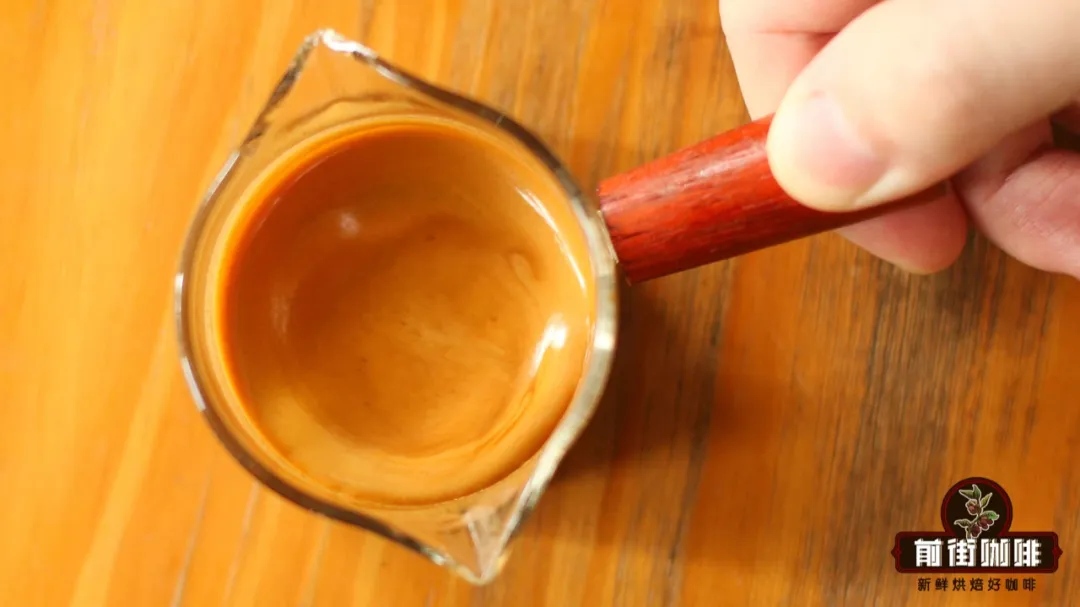
(Image from the internet, for reference only) These "cremas" are not naturally produced, but are foams imitated through artificial intervention. For example, pressurized air or special materials are added to whip up foam similar to Crema. Its texture and mouthfeel are far from the "real" crema produced by a real espresso machine. It is neither delicate enough nor smooth enough, and mostly only serves a visual effect. Therefore, people call this layer of foam produced by artificial intervention "fake crema." At this point, I believe everyone already understands where the difference between "real" and "fake" crema lies. But it is precisely because of the existence of "fake crema" that many beginners mistake the somewhat rough yet rich crema extracted by certain coffee machines for "fake crema." Because they are neither smooth nor refined, and completely unlike the cream-textured "real" crema rumored. So online, we often see beginners posting: "Is this coffee crema I extracted real or fake?"
- END -
The above content is compiled by CoffeeHunters, a coffee news website.


