







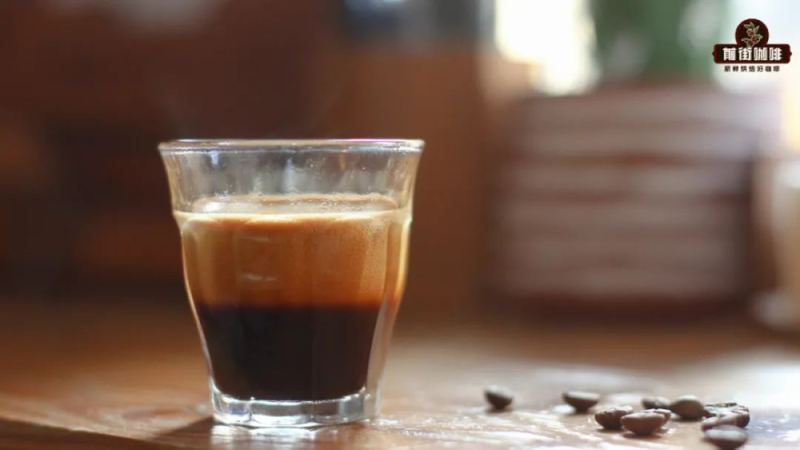
What espresso coffee beans bring to the crema layer?
Crema is the golden foam on top of an espresso shot, and it is not pure oil. It is a mixture of coffee oils and carbon dioxide pushed out of the ground coffee under pressure. Those oils and gases come from the beans themselves, so the bean's variety, origin, roast level, and freshness set how much crema forms and how long it lasts.
Extraction also matters. Espresso machines have developed since Angelo Moriondo's 1884 design toward more precise control of pressure, water temperature, and ratio. Beans with high oil content and enough stored carbon dioxide give thicker crema, while the coffee-to-water ratio and the pressure at the group head decide how much of that material actually reaches the cup.
The golden-yellow oil layer on the surface of espresso, known as Crema, is an important reference for many coffee lovers when judging espresso quality. But what exactly is this "oil" layer made of? Why is some espresso crema thick and long-lasting, while other crema is thin and dissipates easily? This article will start from the compositional nature of crema, trace the evolution of espresso machines, and analyze one by one the effects of coffee bean variety, origin, roast level, freshness, as well as extraction pressure and coffee-to-water ratio on crema performance. At the same time, combined with Front Street Coffee's espresso blend recommendations, it will provide practical advice for achieving thick crema in both home and cafe settings, helping you understand and master the extraction logic of espresso more systematically.
To learn more about specialty coffee, welcome to follow: Front Street Coffee (Frontsteet Coffee)
The term "Espresso" comes from Italy. Originally, the core purpose of the birth of espresso was to make a cup of coffee faster. At first, it referred to a specific way of making coffee, and espres itself carries the meaning of "fast," meaning that a cup of black coffee could be produced in an extremely short time.
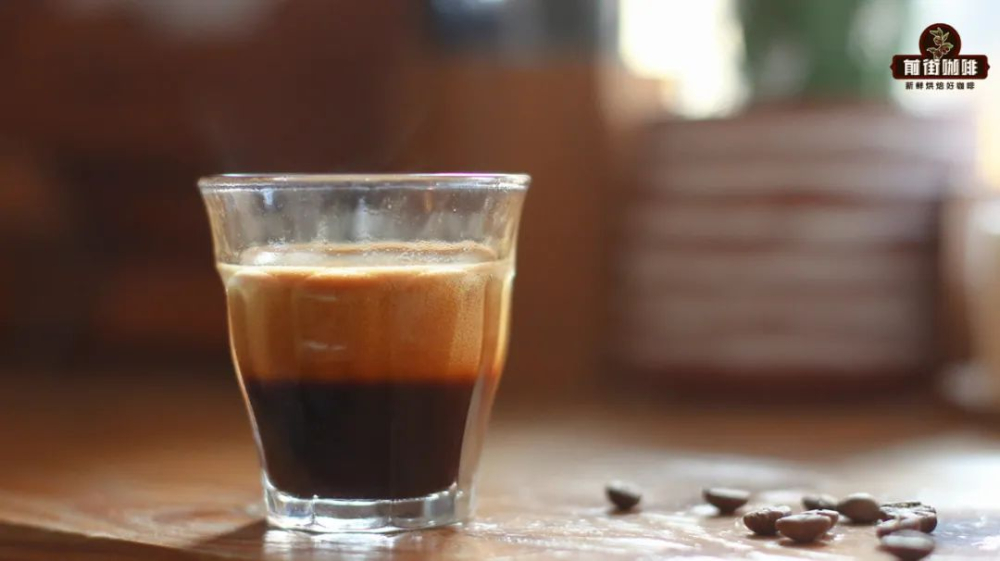
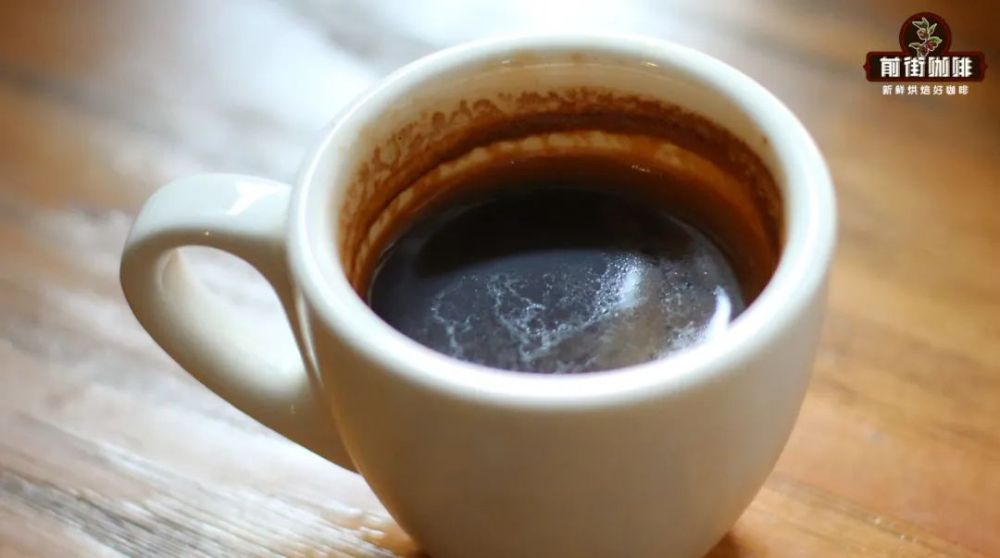
That golden foam layer on the surface of espresso is scientifically called Crema. Strictly speaking, calling it "oil" directly is not entirely accurate, because crema is actually a mixture of coffee oils and carbon dioxide. After this layer of crema gradually breaks down and the carbon dioxide escapes, the thin reflective film left behind is what truly qualifies as coffee oil.
Of course, in everyday conversation, out of habit, people often collectively refer to that golden crema as espresso crema oil. Now that we understand the composition of crema, if we want to extract thick crema, when selecting coffee beans we should prioritize beans with high oil content and sufficient carbon dioxide reserves.
In 1884, the Italian Angelo Moriondo designed the first espresso machine, equipped with two independent brewing boilers, using 1.5 bar pressure and steam for extraction. The resulting coffee liquid was more viscous, and the taste was richer than drip coffee. After that, coffee machines were continuously improved, and variables such as water temperature and pressure were controlled more precisely. In 1948, Achille Gaggia, the owner of a cafe in Milan, invented a lever-driven coffee machine that could use high pressure to produce what we now call crema. From then on, crema has been regarded as one of the indicators for measuring espresso quality, and espresso has also come to specifically refer to high-concentration coffee made by pressure with rich crema.
The richness of espresso crema mainly depends on two factors: coffee variety and roast level.
Generally speaking, Robusta performs better in crema than Arabica, but its flavor is also heavier, with a stronger taste impact. Here we recommend Front Street Classic Blend. It uses the traditional combination of Brazilian, Mandheling, and Robusta beans. The flavor has notes of spice, butter, and caramel. During extraction it releases the rich aroma of dark chocolate, with thick crema, suitable for home use and latte art.
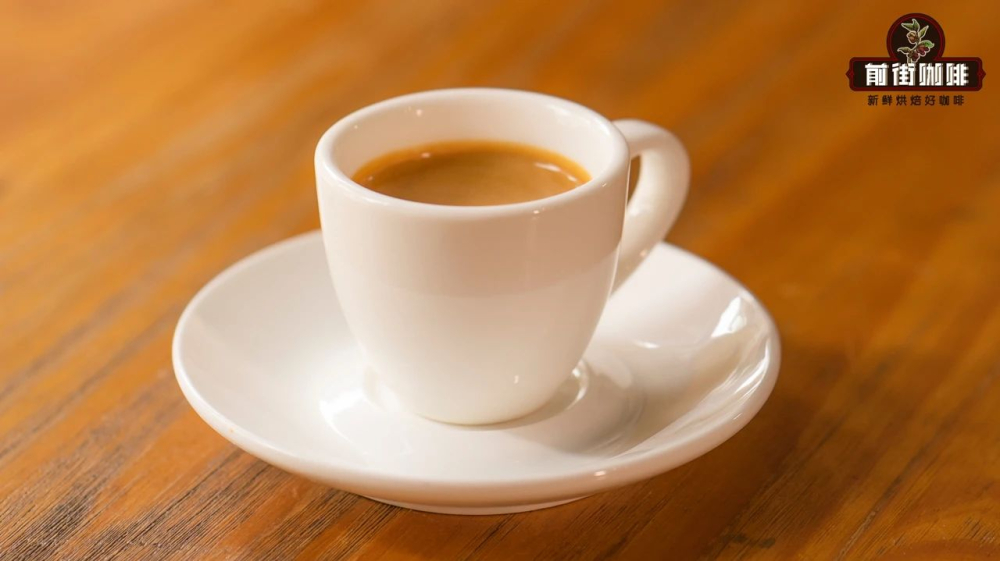
From the perspective of origin, Arabica from the Americas and Asia often performs better in crema than African beans, so they are more commonly found in espresso bean formulas. In addition, roast level also affects the richness of crema. Generally speaking, the darker the roast, the stronger the expression of coffee crema. Therefore, in order to balance good crema with slight fruit acidity, espresso beans usually use a medium-dark roast level.
If you also prefer this style, you can try the espresso beans recommended by many baristas — Front Street Black Cocoa Blend. This is a cost-effective espresso bean composed of Brazil from Central and South America and Yunnan smallholder beans from our country. Making espresso with it brings aromas of toast, nuts, and caramel, accompanied by a faint fruit acidity to balance the overall flavor. It not only extracts stably, but can also serve as an everyday staple coffee.
Some friends also want to pursue the acidity of espresso, so they use some medium-light roasted coffee beans to extract espresso. In this case, the performance of crema is naturally not as ideal.
Next to discuss is the carbon dioxide content, or in plain terms, freshness. Carbon dioxide is produced during roasting and slowly escapes from the bean body over time. Espresso coffee beans need about 45 to 60 days to fully release it. When the carbon dioxide is completely depleted, the flavor of the coffee beans has almost entirely disappeared as well (in other words, they are no longer fresh). At this point, the extracted coffee crema is thin, or even completely absent, leaving only the bitterness of the coffee itself.
For this reason, if you want to obtain both coffee aroma and crema, Front Street always advocates using freshly roasted coffee beans. All Front Street coffee beans are roasted within 5 days and support shipping within 24 hours,
Second, it is not that the fresher the espresso beans, the better. If the beans have not gone through a 7 to 12 day resting period, the abundant carbon dioxide inside the coffee beans will be pressed into the crema, forming a very thick crema. But this kind of crema is very rough and unstable, and will quickly rupture and break down, and the coffee flavor will also be relatively weak. Some friends who just bought espresso beans asked Front Street why the coffee flavor was different from before. Front Street suggested resting the beans for 5 days first and then trying again. After 5 days, he said it tasted like the original flavor again.
After choosing suitable coffee beans, what remains is the issue of the extraction stage. To extract rich golden crema, the extraction pressure needs to be maintained at 9 bar. Some small home machines that use vibration pumps find it difficult to stabilize pressure throughout the entire extraction, which is also one of the reasons for insufficient crema.
Once there is sufficient hardware support, it depends on the extraction method, such as the coffee-to-liquid ratio. Some friends think that if they want richer crema, they should extract more coffee liquid, so that the crema will increase along with it. But if you carefully observe the coffee flow process, you should notice: at the beginning what flows out is brown-black, then brown-yellow, then golden-yellow, and finally yellow-white.
This is the process of coffee crema changing from thick to thin. The further into the later stage, the thinner the crema and the lighter the color, which instead drags down the overall quality of the espresso. Front Street's espresso coffee-to-liquid ratio is usually controlled between 1:1.8 and 2, and rarely exceeds 1:2. For example, today's adjusted parameters are 20 grams of coffee powder, extracting 40 grams of coffee liquid in 30 seconds.
The above content is compiled by CoffeeHunters, a coffee news website.


