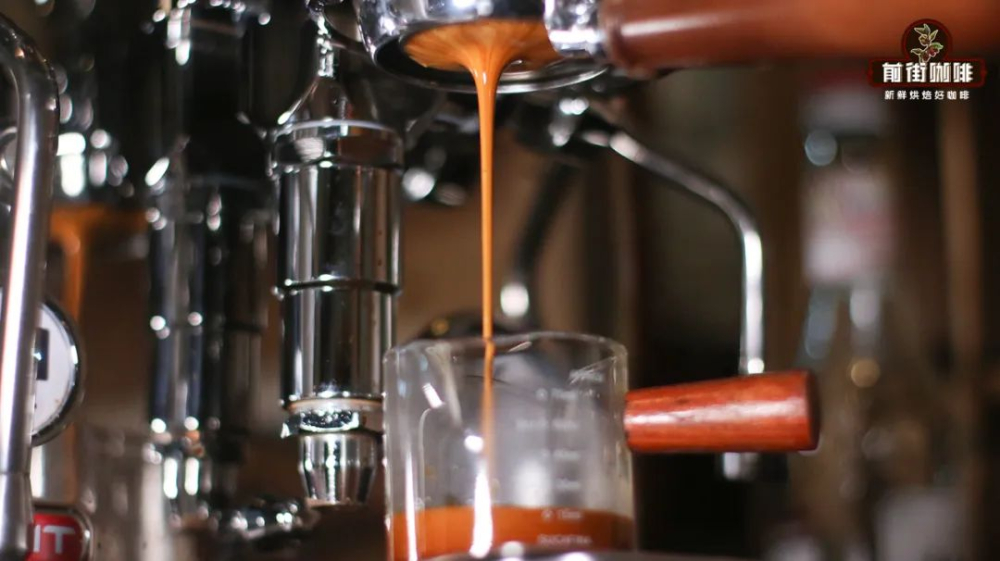
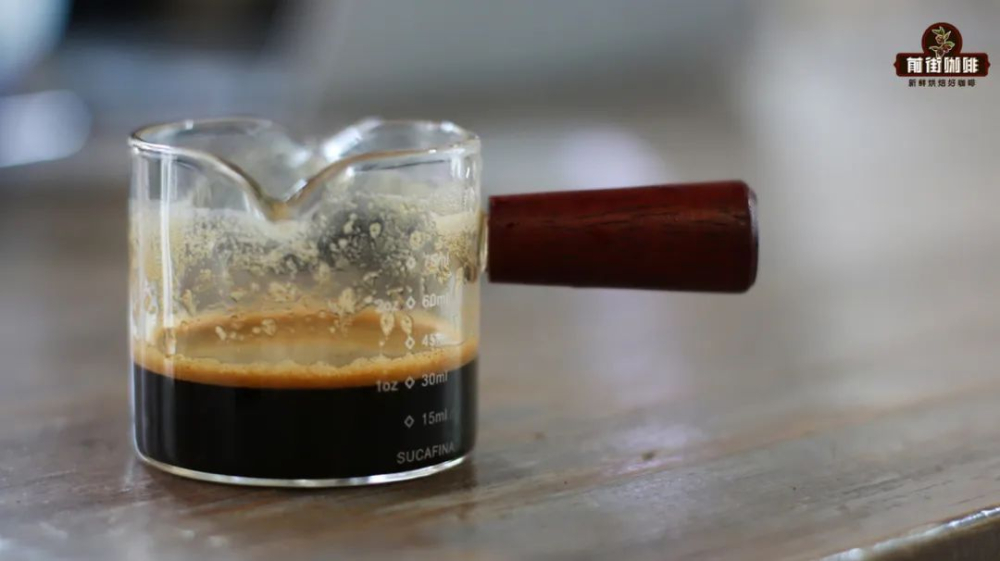
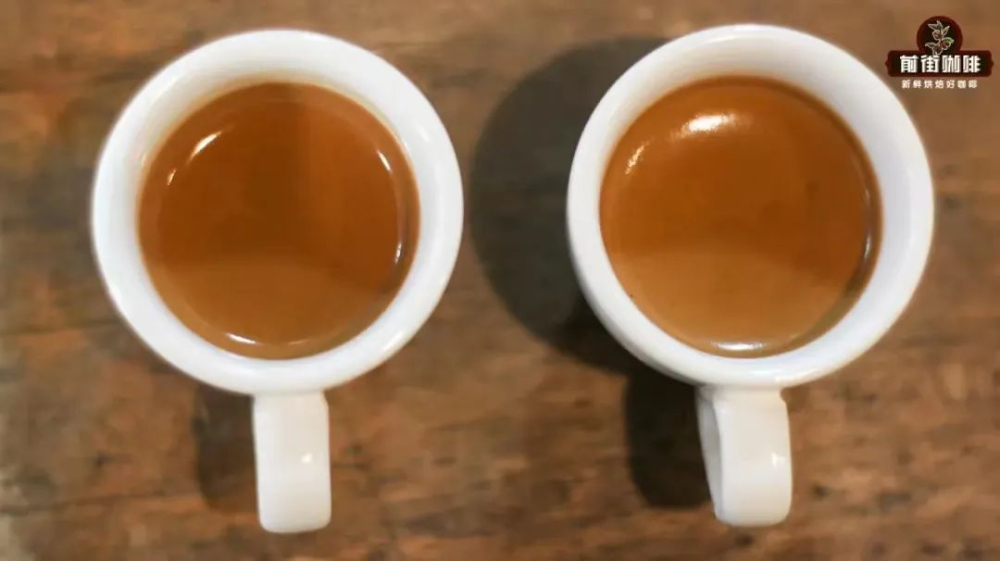
We often hear people say, "To judge whether an espresso tastes good, just look at the crema. The best espresso has a fine, thick, golden crema." But can the quality of an espresso really be judged by the state of its crema?
To find out whether this method is reliable, Front Street only needs to give everyone two questions.
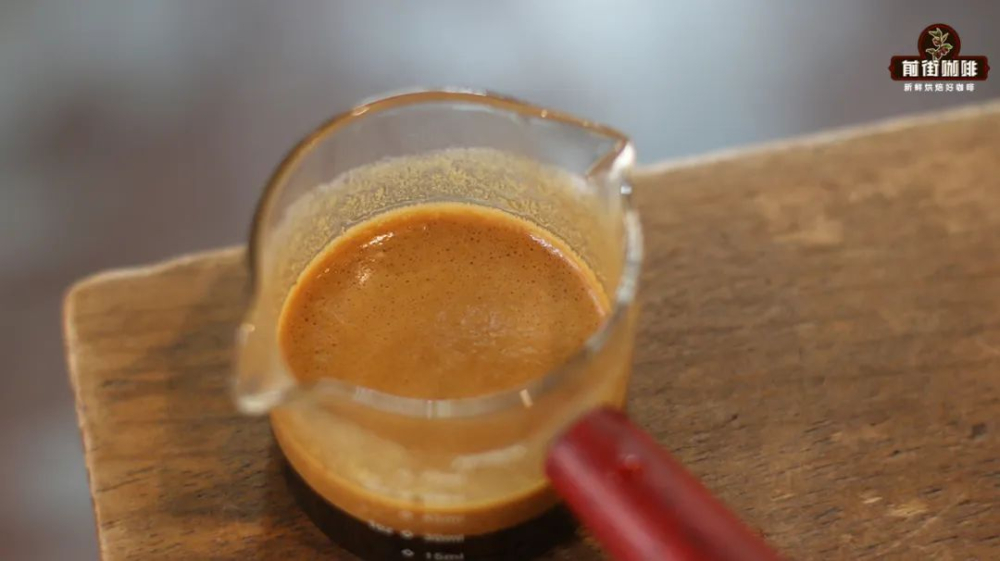
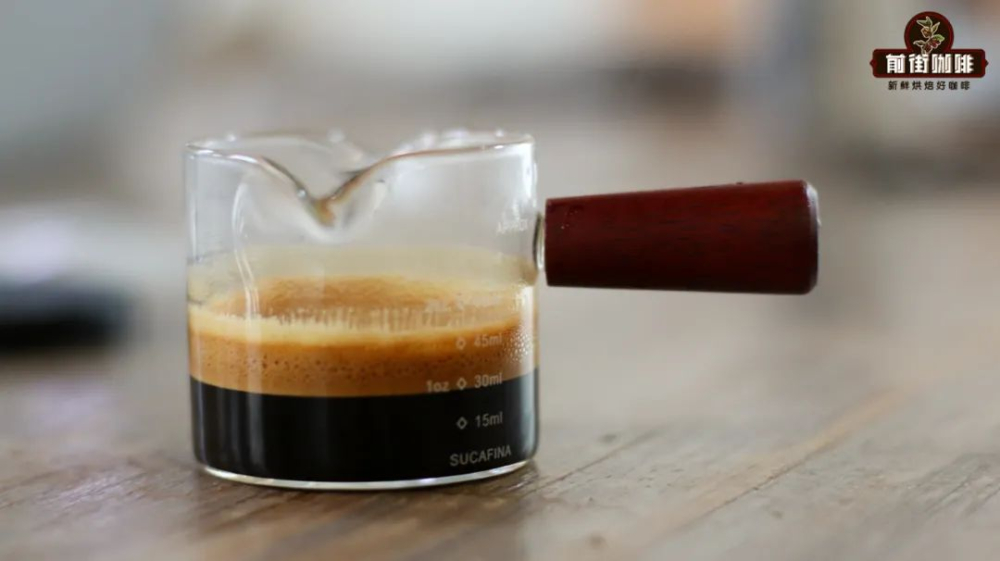
Question one: In the picture below, only one cup is a good espresso. Please identify the good cup based on the state of the crema.
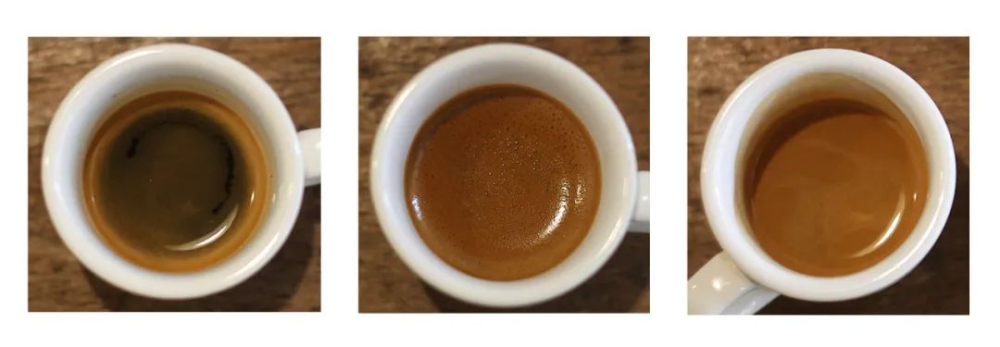
Question two: In the picture below, there is also only one cup of good espresso. Please identify the good cup based on the state of the crema.
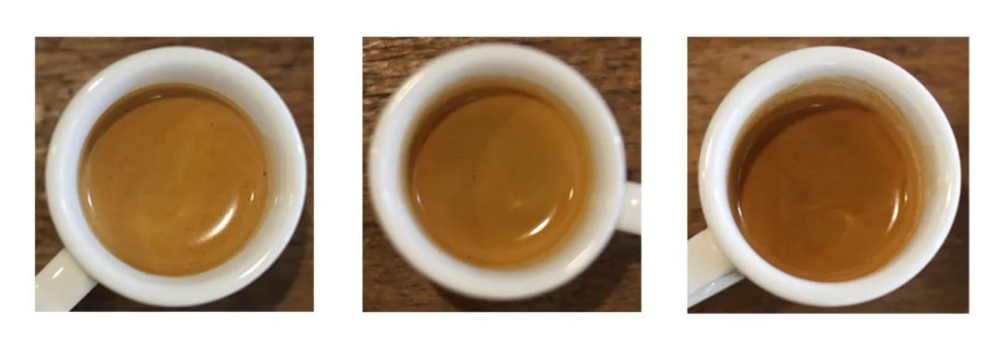
The correct answers are: for question one, the third cup; for question two, the second cup. I believe many friends can choose correctly for the first question, but for the second question, some may have guessed correctly.
Looking at the crema state of an espresso is like looking at the coffee bed of a pour-over; you cannot tell if a cup of coffee tastes good. A fine, thick, golden crema does not necessarily mean it tastes good. However, you can infer some potential issues from the state of the crema.
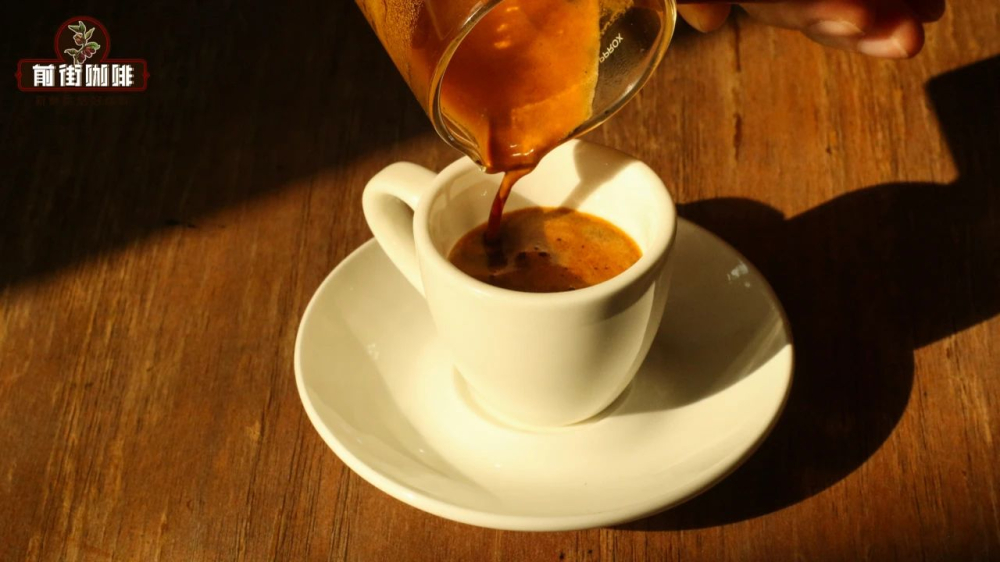
First, let's talk about what this golden coffee crema is. The crema of an espresso is essentially the insoluble oils in coffee beans wrapping around carbon dioxide, both of which come from the coffee beans. In fact, the golden foam on the surface of the coffee bed in pour-over coffee is also oils and a small amount of carbon dioxide.
Due to the extraction pressure of up to 9Bar from an espresso machine, the oils and carbon dioxide are directly pressed into the coffee. Since oils are insoluble in water, they gradually separate and form the golden crema.
Therefore, the quality of coffee crema mainly depends on three factors: the carbon dioxide content in the beans, the grind size, and the roast level of the coffee beans.
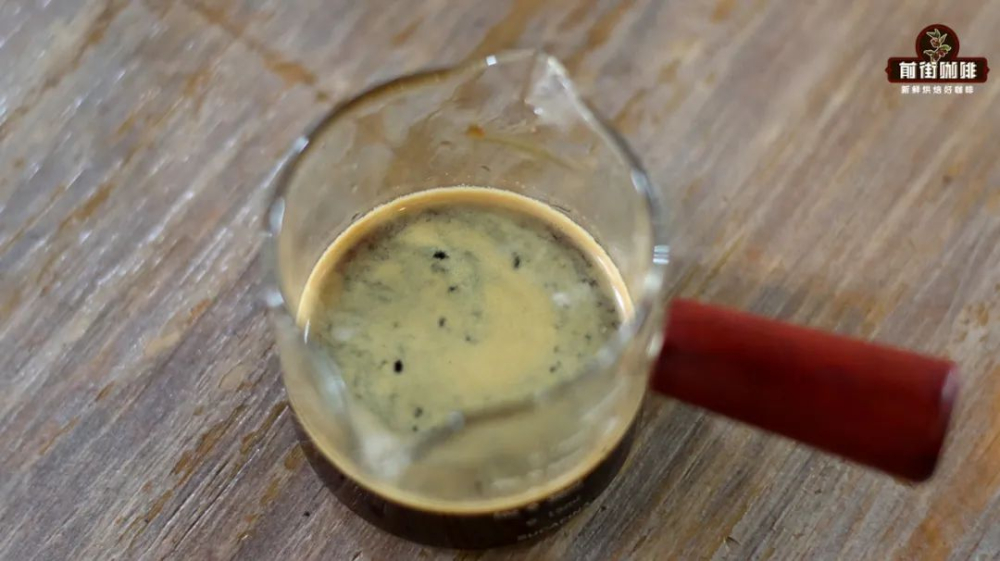
Thus, sometimes the state of the crema can reflect some issues. For example, the most common case is when the crema is very rich but has a rough texture, breaks down quickly, and shows clumping. Espresso with this kind of crema often has indistinct flavors.
This is because the coffee beans have not been rested properly and are too fresh, with excessive carbon dioxide inside. As mentioned earlier, the richness of coffee crema is related to carbon dioxide. When the coffee beans have a lot of carbon dioxide, the extracted crema will naturally be very thick. But too much carbon dioxide also makes the crema structure unstable, prone to breaking down and forming large bubbles. When there are many bubbles, they pile up into clumps with poor flow, resembling milk foam.
Carbon dioxide is a protector of flavors, whether through natural volatilization or human extraction. Therefore, if the coffee beans are too fresh, it will affect the extraction, resulting in coffee with no distinct flavors.
The other extreme is when the coffee beans are not fresh, naturally having less carbon dioxide, so the extracted crema is very thin. If the coffee beans are not fresh, the extracted espresso will naturally not taste good.
Next is the influence of grind size on the crema state. For example, if the coffee grounds are too coarse, they cannot effectively block the water pressure, so the coffee liquid flows out quickly, and the crema color is lighter with a thin, watery texture. In this case, the espresso will taste sharp and watery.Conversely, if the coffee is ground too fine, the coffee puck strongly blocks the water pressure, so the crema will be very rich, viscous, and dark. In this case, the espresso will taste burnt and bitter.
Having covered the factors that can be judged from the crema state, let's now discuss examples where you cannot judge whether the coffee tastes good from the crema state.
The first example is extracting a cup of espresso from a dark-roasted coffee bean and a light-roasted coffee bean separately. The crema quality of the dark-roasted bean espresso will inevitably be richer, darker, and have a better body than the light-roasted bean. But both espressos have their own characteristics and fall into the category of being tasty.
The second example is the second question Front Street asked at the beginning. Those three cups of crema all look fine, rich, and golden. But only one performs excellently. Because Front Street extracted these three cups using pressures of 6Bar, 9Bar, and 11Bar respectively. The crema extracted under this range of pressure changes does not vary much, but the taste shows obvious differences. At 6Bar, it is rather bland, with no flavors expressed. At 11Bar, it has a pungent, burnt bitterness.
The above content is compiled by CoffeeHunters, a coffee news website.