







Some people drink espresso for the flavor, while others drink it for the mouthfeel. Those who favor flavor have a variety of SOE coffee beans to choose from, but what coffee bean options are there for those who prefer a rich mouthfeel?
The Signature Feature of Espresso — Crema
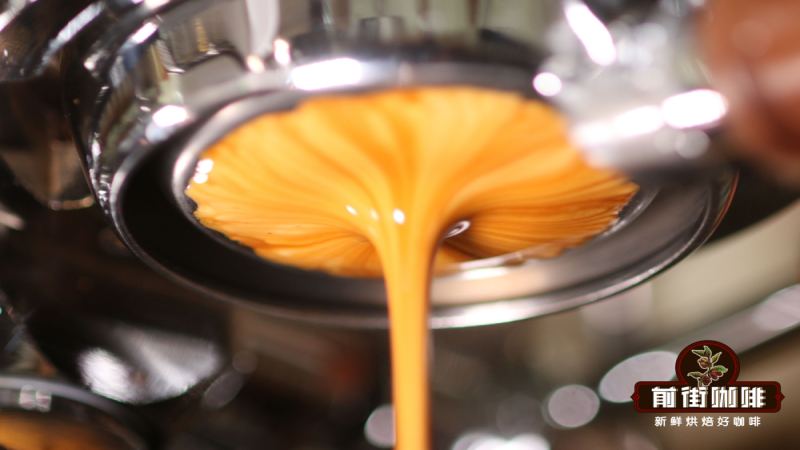
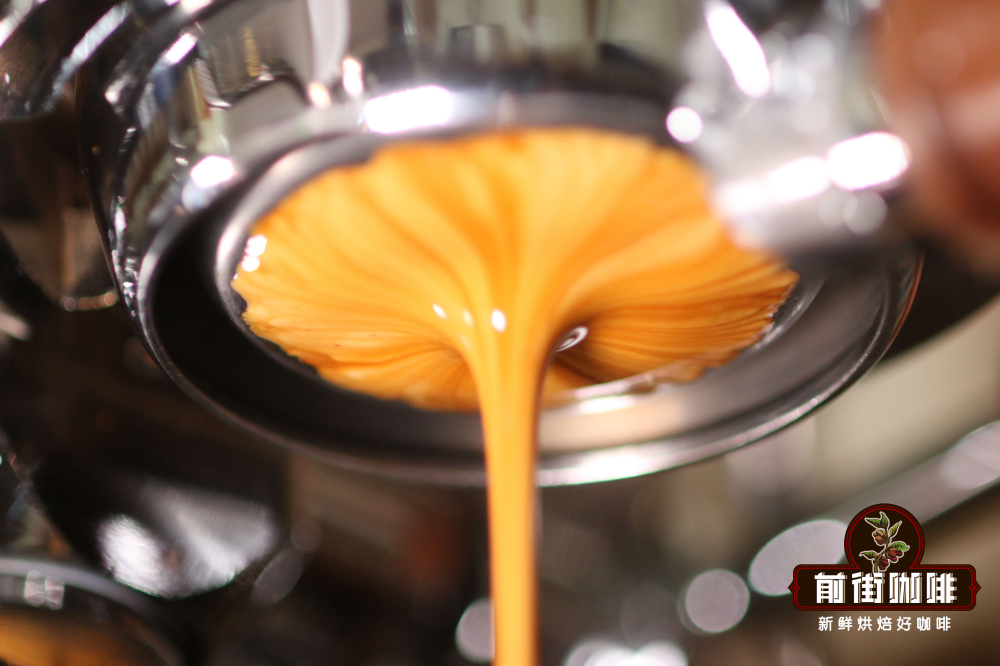
The most captivating thing about espresso is that layer of golden, delicatecoffee crema, which Italians call Crema. This layer of crema forms because the high-pressure extraction of an espresso machine forces oils to wrap around carbon dioxide and flow into the cup. And because the carbon dioxide wrapped in oils cannot escape right away, it forms a temporarily stable structure.
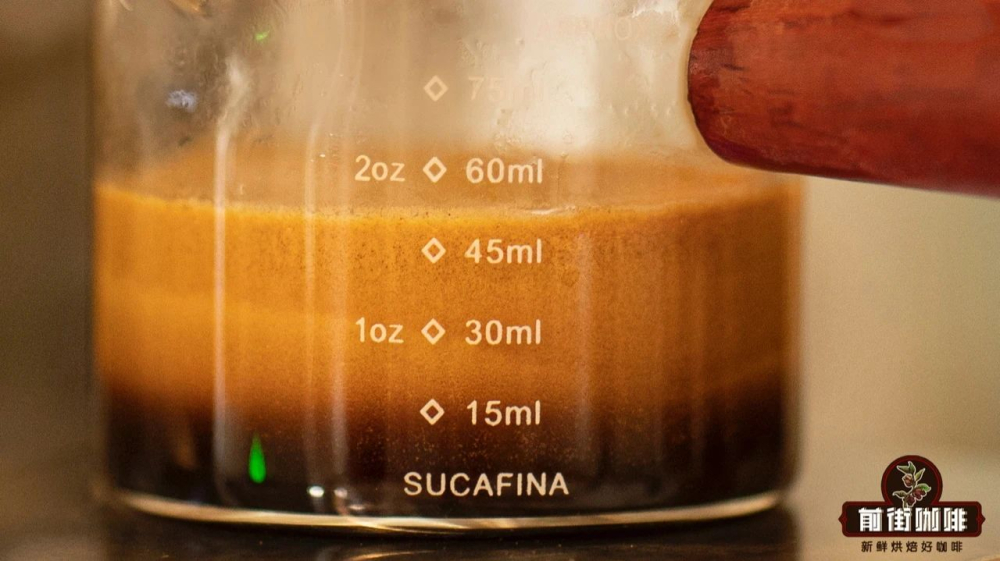
Coffee crema's thickness and color also represent the quality of the espresso. A qualified cup of espresso should have a crema thickness equal to 1/3 of the coffee liquid, with a golden color and a smooth, delicate surface free of large bubbles.
What factors affect coffee crema?
① The freshness of the coffee beans
Since crema is produced by the oils in coffee wrapping around the carbon dioxide in coffee, the amount of crema can also be used to judge whether the coffee beans are fresh. The more crema, the fresher the coffee beans.

② The roast level of the coffee beans
Similarly, under the same freshness conditions, if there is more crema, we can also consider the beans to be roasted darker.
③ The extraction level of the coffee beans
The darker the crema, the more dissolved substances from the coffee have entered the coffee liquid.
④ The variety of the coffee beans
Different coffee species produce different characteristics, which also affects how much crema is produced. It is currently known that Robusta produces more crema than Arabica.
What recommendations are there for coffee beans that want rich crema?
We all know that Arabica has a sweet, fragrant flavor, while Robusta has a burnt-bitter and woody taste, but Robusta's crema is richer than Arabica's. That is why Italians, who love a full-bodied mouthfeel, are used to blending Arabica coffee beans with a small amount of Robusta coffee beans.

Front Street Coffee has created a blend for customers who love crema and mouthfeel, named "Front Street Commercial Blend Coffee Beans." It is made from Arabica coffee beans from Brazil and Colombia blended with 10% Robusta coffee beans. This Front Street commercial blend tastes rich in crema and mouthfeel, with caramel sweetness, and also has nutty, cocoa-like, and dark chocolate flavors. It is balanced in acidity and sweetness, with a slight bitterness, and a lingering aftertaste. Adding a small amount of Robusta coffee beans increases the richness of the crema, and because the amount is small, it does not change the flavor too much.
The reason Front Street named this blend "Front Street Commercial Blend Coffee Beans" is that it performs very well whether used to make Americano or milk coffee, and with its price advantage, it is very suitable for commercial cafes.

Rich crema makes latte art easier
Espresso is also used as the base for making lattes. When making hot lattes, it is often "incidentally" paired with exquisite latte art patterns. Fine and rich coffee crema makes latte art easier.
Espresso with good crema can blend better with milk foam and maintain a stable state, which has a huge impact on the fineness and setting of latte art. Although espresso without crema can still be used for latte art, the resulting patterns look somewhat stiff and rough in appearance.

Besides the coffee beans, what is the main reason for thin crema?
Just now, the barista at Front Street Coffee (FrontStreet Coffee) shared several factors that affect crema. But aside from excluding a few factors, what is the reason that espresso crema is thin and watery? We believe the problem still lies with pressure. Looking back at the concept of crema just shared, crema is a product of a pressurized environment. Under sufficient pressure, even lightly roasted coffee beans can extract a certain amount of crema.

If consumers cannot extract the ideal crema state when extracting a blend specifically intended for espresso, then the barista at Front Street Coffee (FrontStreet Coffee) would recommend that you check the extraction pressure, or upgrade to an espresso machine with commercial capability.
The above content is compiled by CoffeeHunters, a coffee news website.


