







Do Moka Pots and Coffee Fats Explain Why More Crema Is Not Always Better?
More crema does not automatically mean better espresso. Crema is a layer of foam and suspended oils that forms during extraction, and it reflects bean condition and extraction quality rather than flavor by itself. A thick layer adds mouthfeel and aroma in a straight shot, and a thin layer floats on an Americano, but the taste underneath depends on the beans.
Coffee itself is not high in fat. The oils that reach the cup are a small fraction of the bean, and much of what looks like fat in crema is actually carbon dioxide and water. Moka pots also produce a little crema, which is often treated as proof of Italian character. Three blends are used to show the range: Classic Blend, Commercial Blend, and Dark Cocoa Base Blend.
Many coffee enthusiasts are fascinated by the golden layer of crema on the surface of espresso, and some even regard it as the soul of Italian coffee. But is more crema really better? How exactly does it affect the taste and flavor of coffee? Is coffee itself high in fat? This article will start from the causes of crema and its role in extraction and tasting, and combine three representative espresso beans—Front Street Classic Blend, Commercial Blend, and Dark Cocoa Base Blend—to give you a comprehensive understanding of the essence of coffee crema and answer common questions about Crema.
Among coffee drinkers, some are used to adding sugar and milk, while others prefer pure black coffee. Although the bitterness is pronounced at first taste, with continued尝试 and learning, many people gradually become obsessed with the oily aroma hidden behind this bitterness, and from it experience layers of richness and sweet aftertaste.
How can coffee produce more crema?
The golden coffee crema (Crema) is often regarded as the soul of Italian coffee. Not only espresso machines, but even moka pots strive to produce a little crema to prove that they belong to the Italian system.
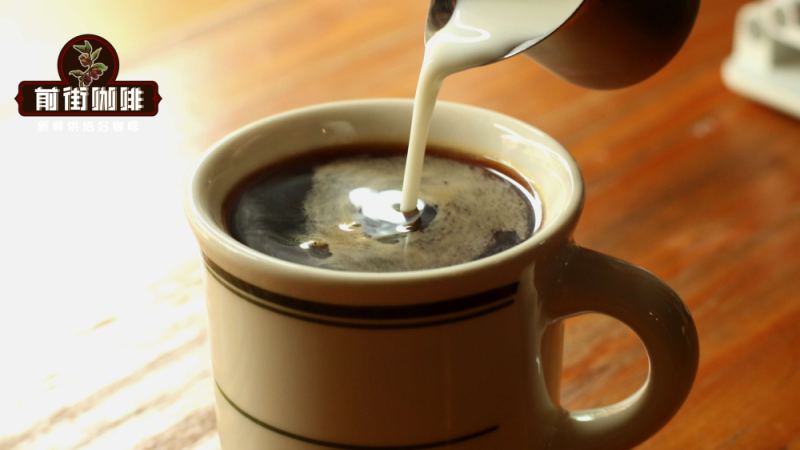
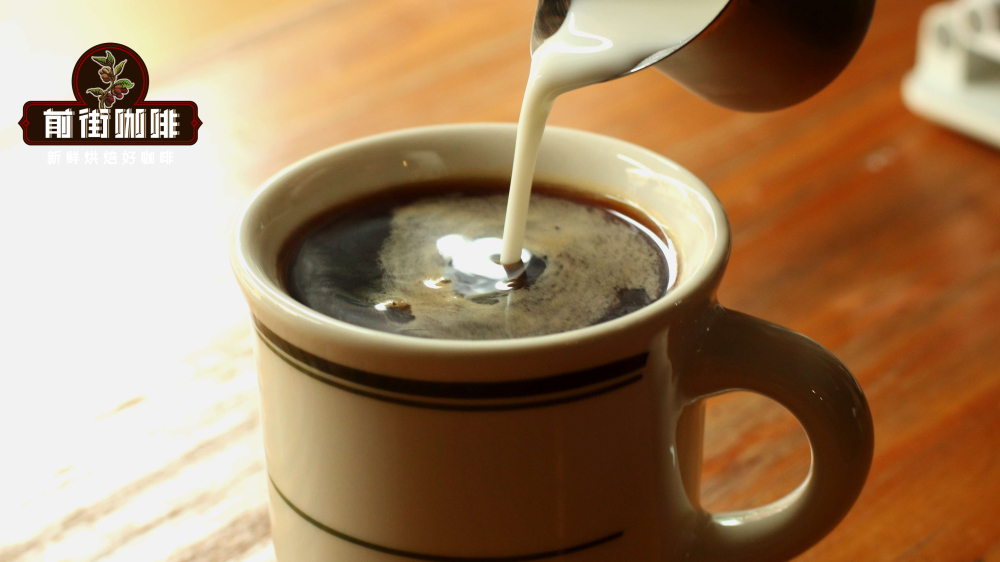
In fact, crema is like a mirror of Italian coffee. By observing the state of crema on an espresso, one can judge the quality of the coffee beans and whether the extraction is on point. When drinking espresso on its own, a thick crema brings a richer mouthfeel and aroma; when made into an Americano, whether you pour water into the espresso or pour the espresso into water, a thin layer of crema will float on the surface; if milk is added to make a latte, you can taste a creamy, smooth sweetness.
Many people think that the essence of a cup of espresso lies in the crema, so they tend to choose medium-dark roasted coffee beans. Front Street Classic Blend, Front Street Commercial Blend, and Front Street Dark Cocoa Base Blend are the three most popular representatives.
For learning to make coffee at home, Front Street Classic Blend can be your first choice. The inspiration for this espresso bean comes from the "Mamba" recipe—Mamba is a combination of Indonesian Mandheling and Brazilian coffee beans. The flavors of the two complement and harmonize with each other. In the early years, Mamba blends were very popular in Taiwanese cafés and could be considered an old-school coffee taste. Front Street Classic Espresso Blend adds Robusta to the Mamba base, significantly enhancing the crema and making the body of the espresso stronger. It is suitable for home brewing and also for latte art.
When it comes to the coffee beans with the most abundant crema, Front Street Commercial Blend is certainly on the list. If you want to recreate the same Americano or latte as in a coffee shop, you can buy Front Street Commercial Blend coffee beans. It is a blend of three major origins: Brazil, Colombia, and Vietnam. After medium-dark roasting, it has rich coffee crema and roasted aromas. As an Americano, it tastes sweet and mellow and is very easy to drink; as a latte, it is rich and smooth, leaving a lingering fragrance after drinking. Moreover, the price is affordable, making it suitable for stocking up in a shop as a daily single-origin option.
If your coffee shop is more focused on cost-effectiveness, then choose the everyday-grade Front Street Dark Cocoa Base Blend. This bean uses a combination of Yunnan smallholder beans and Brazilian Red Bourbon, with both nutty notes and the acidity of ripe plums. After grinding into powder, it gives off a creamy chocolate aroma. The taste is balanced, the crema is moderate, and the key is stable extraction. It is positioned as tasty but not expensive, definitely the preferred choice for home and shop use.
Is more coffee crema better?
Many people think that for a cup of espresso, the more crema the better, but this is not the case. More crema means more bubbles, but if these bubbles are rough and unstable, then it cannot be considered a high-quality espresso.
A bag of coffee beans just after roasting contains active gases that are continuously released and affect extraction. At this time, a 4–7 day resting period is needed, and once the release has stabilized, you can start drinking it. It is worth noting that the best tasting period for coffee beans is within 45–60 days, so be sure to finish them early, otherwise the coffee will lose its essence.
What effect does coffee crema have on coffee?
Front Street made two cups of Americano at the same time. One cup was kept as is, and the other had the crema scraped off the surface with a spoon, then they were tasted. Front Street found that the Americano with the crema scraped off was cleaner, the bitterness was less pronounced, and the perception of flavor was clearer and more transparent.
What exactly is the reason for this?
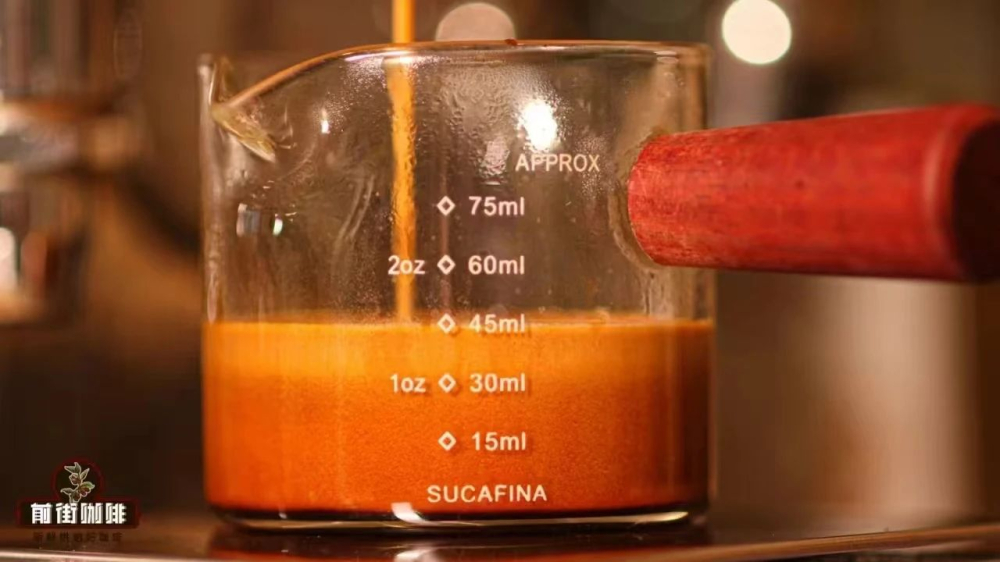
This requires understanding the structure of crema (Crema). Coffee crema is mainly composed of carbon dioxide and the insoluble oils from coffee grounds. However, because the fine holes of the coffee portafilter basket are not as fine as filter paper, a small amount of very fine powder also falls into the coffee during extraction and hides in the crema. When drinking espresso, the crema makes the coffee feel richer because it is itself delicate and dense, and because the crema accounts for about 1/4 of the coffee, so the effect is naturally obvious. But after it is made into Americano, its sparse crema is not enough to matter at all. It does not provide obvious help in the mouthfeel, and instead, because of the fine powder, it leads to a mixed taste and a sandy texture. In addition, the crema itself is somewhat bitter, which also deepens the bitterness.
The above content is compiled by CoffeeHunters, a coffee news website.


