







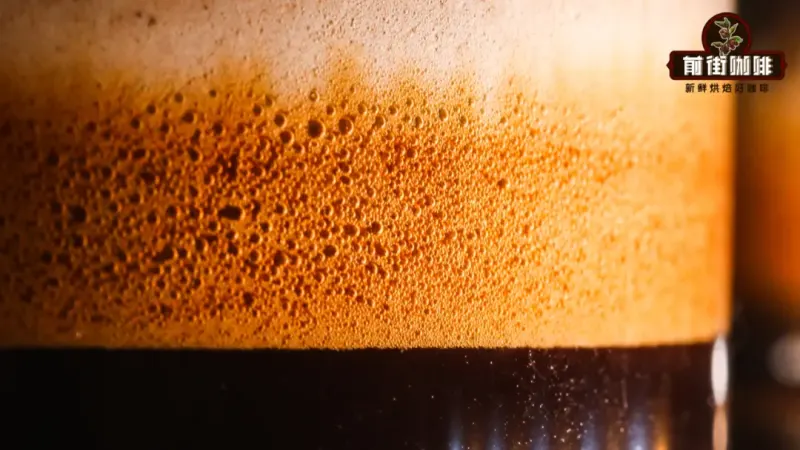
How Do Oils in Coffee Build Espresso Crema?
Crema is the golden to chocolate foam on espresso. High-temperature, high-pressure water pushes through the coffee bed, dissolving soluble material and emulsifying the oils in coffee while trapping air and carbon dioxide into fine bubbles. Variety, roast date, roast level and equipment all change how much crema appears.
Robusta beans usually give more crema, and freshly roasted or darker roasted coffee also helps, while lightly roasted beans tend to show less. Blends such as Front Street Classic, Commercial and PWN Golden Mandheling offer different crema levels, so bean choice and rest time matter more than price alone.
That golden to chocolate-colored foamy layer on the surface of espresso is what coffee lovers often call "crema." It is not only a visual hallmark, but also influences the flavor direction and mouthfeel of espresso to a considerable extent. So what exactly is crema? Simply put, it is a mass of tiny bubbles formed when water extracts coffee grounds under high temperature and pressure, emulsifying the natural fats and oils in coffee and mixing them with air and carbon dioxide. The amount of crema is closely related to coffee variety, roast date, roast level, and equipment conditions. Robusta beans usually produce more abundant crema, while freshly roasted and darker roasted beans can also enhance crema performance. This article will systematically sort out the causes and influencing factors of crema, and at the same time, combined with specific products such as Front Street Classic Blend, Front Street Commercial Blend, and Front Street PWN Golden Mandheling, provide bean selection references and price direction for coffee lovers pursuing rich crema.
When it comes to espresso, crema is a core topic that cannot be avoided. It not only gives espresso its unique visual presentation, but also shapes the coffee's flavor and mouthfeel to some extent. But what exactly is crema? Have you ever really thought about this question?
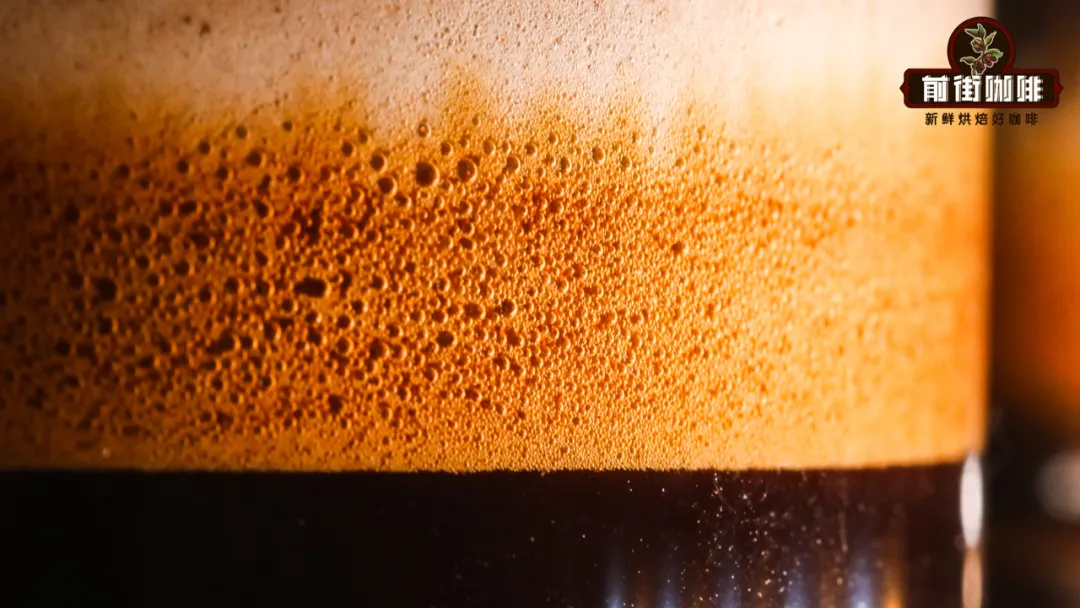
From an intuitive level, crema is the layer of liquid floating on the surface after espresso extraction is completed, with a color transitioning from golden to chocolate, and it is closely related to the "pressure" during extraction. After extraction ends, the lighter-colored crema layer remains on top, while the darker coffee liquid settles below.
Espresso crema is actually a mixture woven together from multiple components: high-temperature, high-pressure water flows through the coffee bed, dissolving soluble substances out of it. This process also emulsifies the naturally present fats and oils in coffee and traps air, forming a large number of fine, tiny bubbles. In addition, freshly roasted coffee beans themselves continue to release carbon dioxide, and these gases also join the above emulsification reaction. The fresher the coffee, the greater the amount of carbon dioxide released, so during extraction you can often see larger bubbles surging out.
Crema can reflect both the innate qualities of green coffee—the more abundant the crema, the higher the natural oil content of the coffee beans themselves—and also the roast level and freshness of the roasted beans. Of course, some people think that espresso with rich crema must taste good, but this is not absolute. In this article, Front Street will talk about crema, this much-discussed topic.
The amount of crema is related to the following factors:
◆Coffee variety
The coffee beans currently circulating on the market can be roughly divided into two categories: Arabica and Robusta. Arabica has a relatively limited amount of crema and often shows richer fruity acidity, with a balanced mouthfeel and not much bitterness; Robusta usually has abundant coffee crema, with aromas leaning toward walnut, caramel, grain, popcorn, and woody notes, a full body, and rich flavor with bitterness accompanied by sweetness, making it very suitable as a component of espresso blends.
If you pursue rich crema performance, you can buy Front Street Classic Blend and Front Street Commercial Blend. Both espresso beans contain a small amount of Robusta variety. Front Street Classic Blend combines Brazil, Mandheling, and Robusta, using a medium-dark roast. During extraction it gives off obvious aromas of butter, toasted bread, and caramel cookies, with strong flavor, a solid body, delicate crema, and excellent extraction stability. It is an essential home coffee for beginners.
If you want to recreate the taste of a coffee shop, or aspire to become a cafe owner, then Front Street Commercial Blend is the first choice. Compared with other espresso coffees, Front Street Commercial Blend uses the classic combination of Brazil and Colombia, then adds a small amount of Robusta, taking the original flavor layers to an even higher level, presenting complex nutty aromas such as almond, apricot kernel, and walnut. The crema has good flow, the mouthfeel is low in acidity and full-bodied, and combined with its price advantage, it is undoubtedly the optimal choice for opening a shop.
◆ Roast date
An appropriate amount of carbon dioxide participating in the emulsification process can indeed increase the volume of crema, but too much carbon dioxide will instead hinder the extraction of coffee substances. Front Street recommends using coffee beans 4 to 50 days after roasting
◆ Roast Level
Lightly roasted beans produce crema with a lighter color and thinner texture, while dark roasted beans yield correspondingly thicker, darker crema. Top choices include Front Street PWN Golden Mandheling and Front Street Queen's Estate. However, it's worth noting that overly dark roasted coffee beans can actually release too much oil, which adheres to packaging containers or coffee equipment and cannot enter the emulsification process. At the same time, the released oils oxidize and deteriorate upon contact with air, potentially affecting the state and stability of the espresso crema.

◆ Hardware and Equipment
Rich espresso crema is the product of high temperature and high pressure. Some fully automatic or home-grade machines lack a stable pressure system and cannot properly emulsify oils and carbon dioxide, so the "crema" they produce is far removed from normal crema in both mouthfeel and flavor.
The above content is compiled by CoffeeHunters, a coffee news website.


