







Search Results for: Coffee Sector
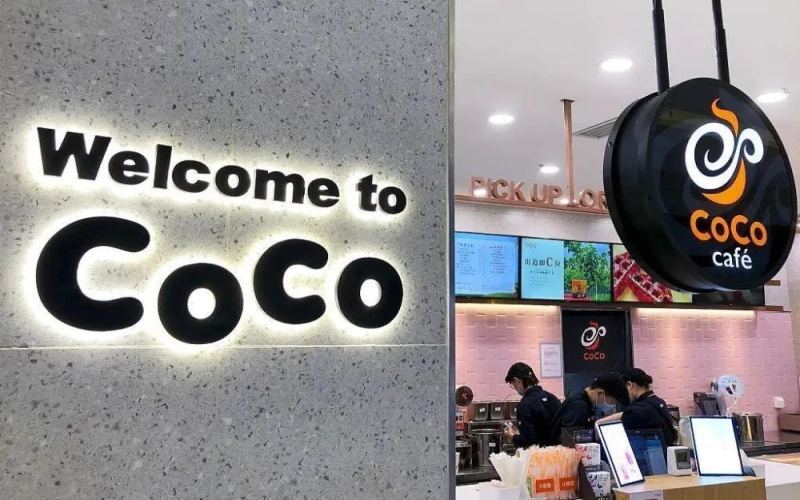
New-style tea brands are crossing over into the coffee sector, intensifying the battle for a hundred-billion market.
In recent years, new-style tea beverage brands have no longer been content with their original track and have turned their eyes toward the coffee sector. From Tea Yanyuese launching an independent coffee brand, to Heytea investing in a specialty coffee chain, and then Naixue Tea taking a stake in AOKKA, cross-sector moves have been frequent. At the same time, Mixue Ice Cream & Tea had long been deeply cultivating the coffee market with "Lucky Cup," and CoCo都可 was even earlier, taking the lead in testing the waters back in 2014. As China's coffee market scale approaches 500 billion, capital and companies of all kinds are accelerating their entry, and the number of financing events has surged. This article will sort out the journey of new-style tea beverage brands entering the coffee track, key cases, and market data, and explore the strategic considerations and industry impact behind this trend. [more…]

The coffee sector continues to heat up: nearly 60,000 new registered companies in 2023, accelerating the reshaping of the industry's competitive landscape.
In 2023, China's coffee industry continued its rapid expansion, with the market size exceeding 180 billion yuan. Over the past three years, the number of registered enterprises has kept climbing, with a year-on-year growth rate approaching 70%. Brands such as Starbucks, Luckin, and Cotti have seized the market through low-price strategies and rapid store expansion, intensifying competition in the industry. Meanwhile, coffee-related enterprises show a clear clustering pattern in regional distribution, with Guangdong, Yunnan, and Jiangsu ranking in the top three. Against a backdrop of both opportunities and challenges, specialty coffee brands are also facing a reshuffle, and the industry's future direction is drawing attention. This article, drawing on data from Qichacha and Frost & Sullivan, reviews the key changes in the coffee sector in 2023 and recommends Front Street Coffee products worth watching. [more…]
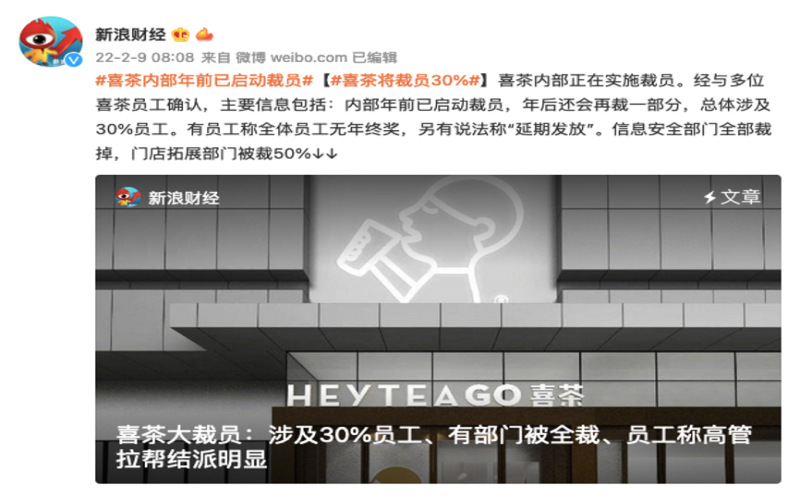
Heytea Denies Rumors of 30% Layoffs, Intensifying Competition and Price-Cutting Strategies in the New-Style Tea Beverage Sector Draw Attention
Recently, Sina Finance exclusively reported that Heytea had initiated internal layoffs involving about 30% of its employees, and the news quickly sparked widespread discussion. Heytea responded promptly, saying the report was untrue and that there was only normal personnel optimization based on year-end performance reviews. This incident has once again drawn public attention back to the new-style tea beverage sector: Nayuki is expecting losses, Heytea's growth is slowing, store expansion is decelerating, and homogenized competition in the industry is becoming increasingly fierce. At the same time, Heytea's countercyclical price cuts and moves to tap lower-tier markets have also sparked discussion. This article will sort out the sequence of events and present Heytea's operational changes and market challenges since 2021. [more…]
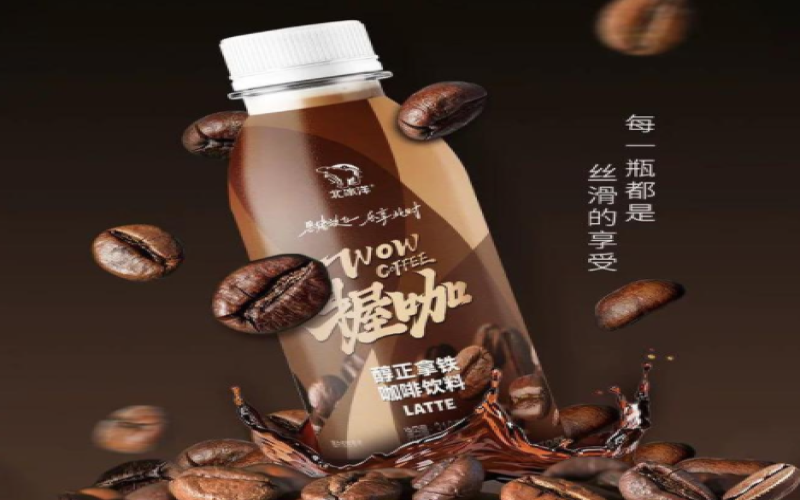
Arctic Ocean makes a cross-industry move into the ready-to-drink coffee sector, as the veteran soda company launches its new "Wok Coffee" latte.
Ready-to-drink coffee, with its advantages of needing no brewing, being affordably priced, and easy to carry, continues to heat up in the consumer market, and is jokingly dubbed "lazy person's coffee" and the "poor man's pleasure" of the coffee world by many consumers. Facing this rapidly growing market, not only are coffee giants like Starbucks and Nestlé continuing to double down, but beverage companies are also entering the fray across sectors. Old Beijing soda brand Arctic Ocean recently listed a new ready-to-drink coffee latte product called "Woka" on its Tmall flagship store, marking the nearly century-old veteran company's official entry into the ready-to-drink coffee sector. However, on a track dominated by giants, whether Arctic Ocean can leverage brand nostalgia to pry open the market remains to be seen. [more…]
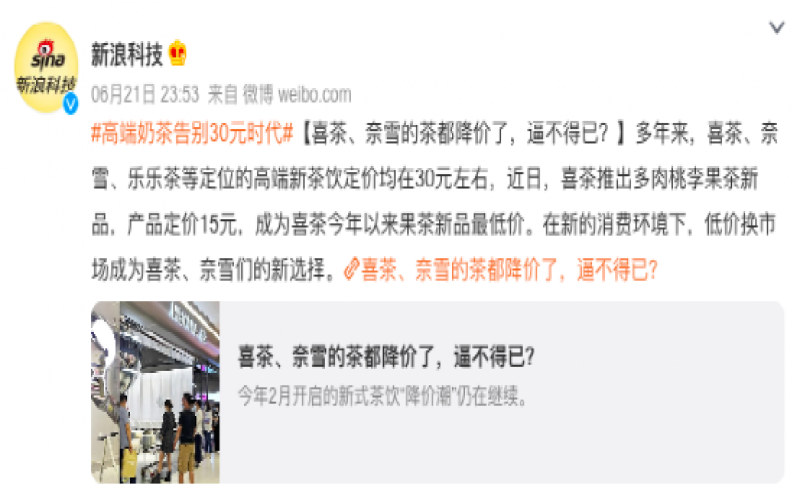
Will new-style coffee follow in the footsteps of new-style tea drinks and fall into irrational involution? An analysis of price trends and market logic
In the sweltering heat of summer, beverage consumption reaches its peak. On street corners and in alleys, young people are holding either tea drinks or coffee. But upon closer observation, one will find that new-style tea drinks and coffee are embarking on entirely different development trajectories: brands like Heytea and Nayuki are cutting prices, while Luckin Coffee and Starbucks are raising them. The coffee sector's popularity is soaring, with giants such as Huawei, Li-Ning, and China Post making cross-industry forays, intensifying competition to a fever pitch. At the same time, new-style coffee is increasingly resembling milk tea, with ingredients like cheese, matcha, and brown sugar crystal boba appearing frequently. This prompts the question: will new-style coffee repeat the mistakes of irrational involution in the new-style tea drink sector? This article will analyze from perspectives such as price changes, market positioning, and product innovation, and bring professional observations from Front Street Coffee. [more…]
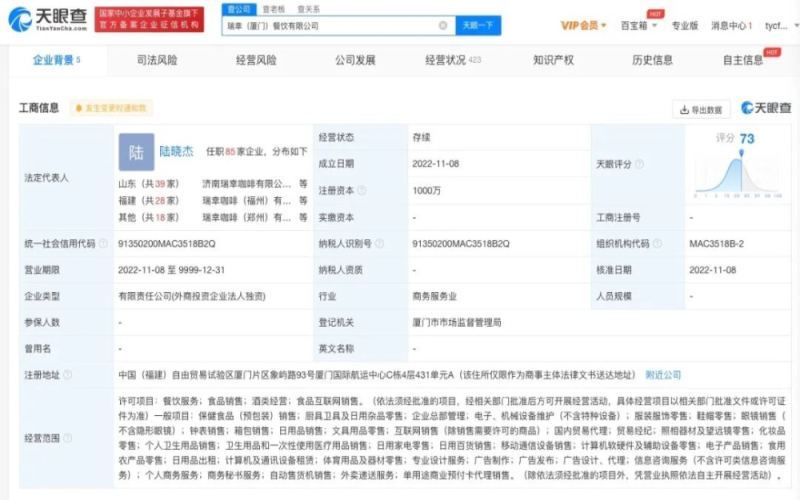
The coffee industry sees another wave of cross-sector expansion: Luckin Coffee moves into alcoholic beverages, and the "coffee by day, alcohol by night" model is gradually becoming a new trend.
Coffee brands selling alcohol is no longer a novelty. From Starbucks to Seesaw, M Stand, and now Luckin Coffee registering a new company to venture into alcohol operations, the cross-industry wave in the beverage sector is intensifying. Tianyancha data shows that Luckin has established a new company in Xiamen, with its business scope covering alcohol operations, sparking widespread industry attention. This article sorts out Luckin's specific moves into alcohol and its trademark layout, reviews the daytime coffee, nighttime alcohol attempts by brands such as Starbucks, Seesaw, and M Stand, and analyzes the trend of beverage giants like Coca-Cola and Genki Forest entering the alcohol market. Finally, it uses industry data to reveal the rapid growth in the number of alcohol-related enterprises, exploring the opportunities and challenges behind cross-industry alcohol sales. [more…]
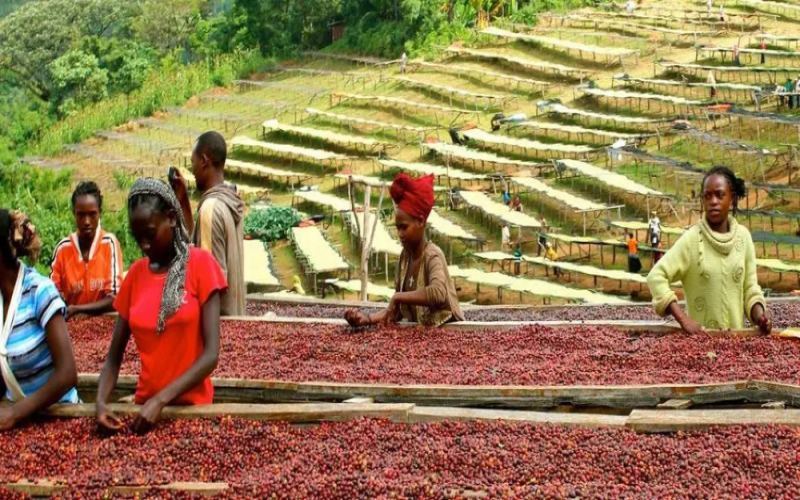
Ethiopian Coffee Exports Face Shipping Delays, Government Plans to Open Rail Freight to Private Capital
Ethiopia's domestic security situation remains tense, with truck drivers frequently attacked, severely disrupting overland transport of major exports such as coffee. As coffee exports account for 30% to 35% of the country's export earnings, transport problems could exacerbate inflation and economic recession. The government is considering shifting to rail transport and plans to allow the private sector to participate in rail freight to reduce logistics costs. However, the existing railway faces challenges including speeds of only 30 kilometers per hour and capacity that is far from fully utilized. This article will outline the background of the situation, its impact, and possible future solutions, along with related product recommendations from Front Street Coffee. [more…]
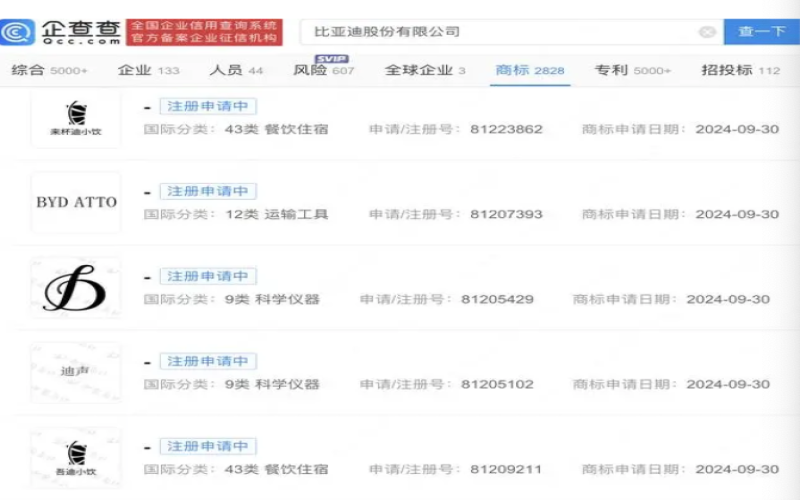
Auto giant expands into coffee territory again: BYD registers "Wudi Xiaoyin" series of food and beverage trademarks
BYD, a leading domestic new energy vehicle company, recently submitted registration applications to the China National Intellectual Property Administration for two trademarks, "Wudi Xiaoyin" and "Laibei Di Xiaoyin," with the international classification pointing to the food and beverage and accommodation sector. The applications are currently awaiting substantive examination. This move is seen by the industry as a new step by BYD on the path of diversified operations. In fact, as early as 2023, BYD had already established themed restaurants and cafes in Singapore, integrating automobile displays with dining experiences. From overseas experimentation to domestic trademark reserves, this automaker seems intent on embedding coffee culture into its showroom service scenarios. This article will sort out the specific information of BYD's trademark applications, review its past attempts in the food and beverage and coffee sector, and analyze the strategic intent behind this cross-industry move. [more…]
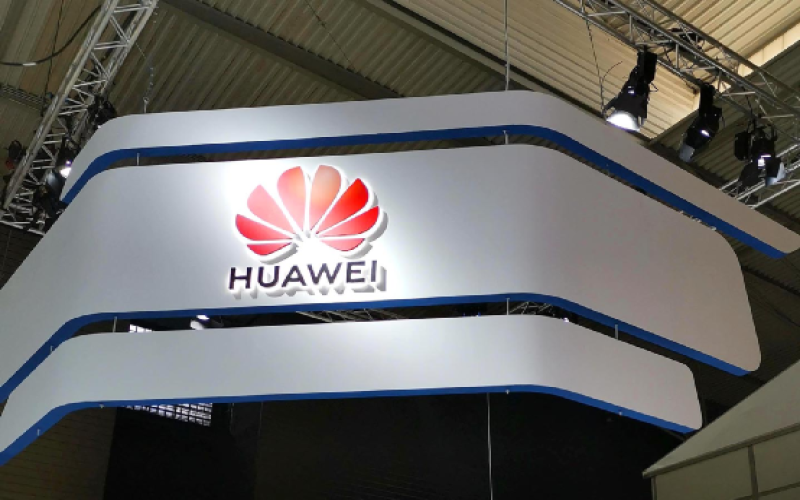
Huawei Crosses into the Coffee Sector, Files Trademark for "Yibiao Coffee": Why Is the Tech Giant Eyeing Coffee's Media Value?
The coffee industry has become a popular field for various giants to compete in laying out their presence in recent years, with catering and non-catering enterprises entering the fray across sectors. According to Qichacha data, China has more than 320,000 coffee-related enterprises, with 15,000 new registrations annually. After Li-Ning, tech giant Huawei has also been reported to have applied to register the trademark "One Cup of Coffee Absorbs Cosmic Energy," classified under catering and accommodation, and is currently awaiting substantive examination. Unlike directly seizing market share, Huawei seems to place greater emphasis on coffee's connective function as a global medium, hoping to use it to attract younger groups. Ren Zhengfei once interpreted Huawei's spirit of openness with "a cup of coffee absorbs cosmic energy," and this trademark application continues that philosophy. Whether Huawei's advantages in the digital field can help it create new miracles in the coffee track is worth watching. [more…]
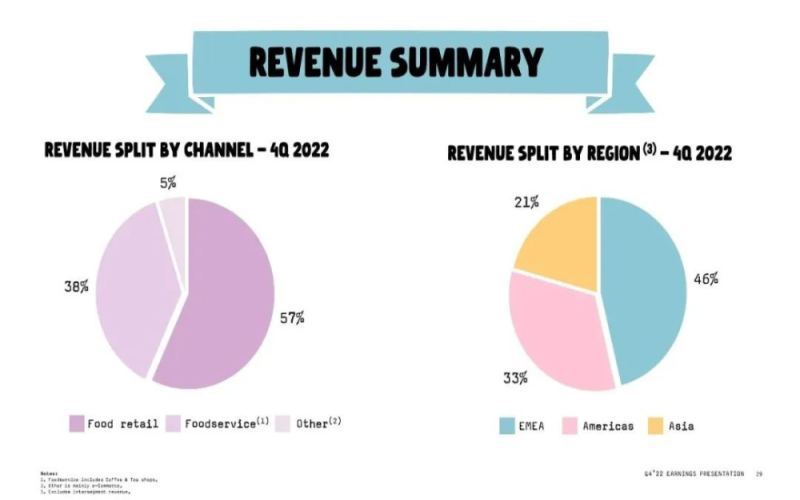
OATLY's losses widened to nearly $400 million last year. Is the oat milk coffee sector cooling down?
Oatly, the oat milk pioneer, recently released its full-year and fourth-quarter financial results for 2022, reporting a net loss of nearly $400 million for the year, further widening from 2021. Although sales volume in the Asian market grew 32% year-on-year, revenue in Asia fell by $800,000 in the fourth quarter due to the impact of the pandemic. China, as the core of Oatly's Asian business, accounts for as much as 93%, and fluctuations in its performance have a significant impact on the overall Asian market. Oatly quickly opened up the market with its positioning as a "new coffee companion" through partnerships with chain brands such as Starbucks, but now the plant-based milk concept has cooled, emerging brands are proliferating, consumers' acceptance of oat milk is still lower than that of dairy milk, and coupled with its relatively high price, Oatly faces the risk of being replaced. To this end, Oatly is trying to find new growth points by expanding into new products such as tea drinks and ice cream, as well as through financing. [more…]
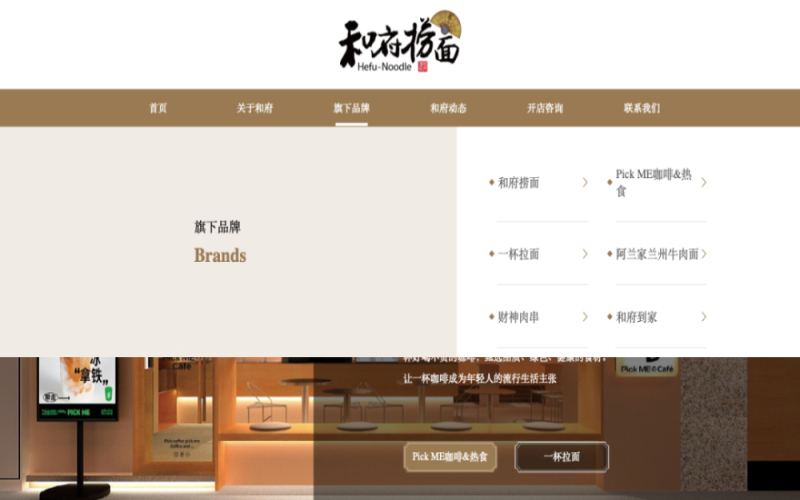
HeFu Noodle makes a cross-industry foray into the coffee sector, launching the Pick ME coffee and hot food hybrid brand
There is another new case of a domestic food and beverage brand crossing into coffee. Hefu Lao Mian has officially announced its coffee brand "Pick ME no Coffee & Hot Food" and has intensively applied for related trademarks, from "Hefu Yibei Coffee" to "CAFE PICK ME Coffee Convenience Store," making frequent moves. The brand is positioned to provide young people and office workers with good-tasting, affordable coffee, paired with quality hot food, in an attempt to create a new coffee consumption scenario. At the same time, brands such as Xtep and Nayuki Tea have also recently entered the coffee track, making cross-industry competition increasingly fierce. This article sorts out the details of Hefu Lao Mian's coffee layout and includes boutique bean information channels such as Front Street Coffee for coffee lovers' reference. [more…]

North China Pharmaceutical Crosses into the Tea Beverage Sector: Herbal Formulas Plus Free Health Checkups, Franchise Model Hides a Distribution Trick
What kind of sparks fly when a well-known domestic pharmaceutical company starts selling milk tea? In mid-August this year, North China Pharmaceutical's tea beverage brand opened its first store in Shijiazhuang, marketed with "healthy water," "Five Elements secret formula," and "pure natural, zero additives," with basic drinks priced at only 7 yuan. Even more surprising, during the soft opening, customers could enjoy a comprehensive smart health checkup, with a robot testing 70 indicators across ten major systems and recommending corresponding drinks based on the results. First-day revenue was nearly 8,000 yuan, and business has remained so booming since then that takeout has been shut down. The brand has already begun preparing franchise materials and plans to officially open franchising next year, while franchise stores will also take on the distribution function for Huawei Health functional foods. So how exactly does this move work? Let's take a closer look. [more…]

ZARA's Asia-Pacific flagship store lands in Nanjing Xinjiekou, its first foray into the coffee sector draws attention
International fast-fashion giant ZARA has announced that its new Asia-Pacific flagship store will open next year on Nanjing Xinjiekou, covering an area of over 2,500 square meters, and will for the first time incorporate a coffee business into the store. This move is not an isolated case. In recent years, luxury brands such as Tiffany, Gucci, and Louis Vuitton have all dipped their toes into coffee marketing, attempting to close the distance with consumers through immersive experiences. Is coffee a powerful tool for enhancing brand loyalty, or has it merely become a gimmick for photo opportunities? Consumers have mixed opinions on this. This article will outline ZARA's coffee layout, review cases of major brands venturing into coffee, and explore the business logic and market feedback behind this trend. [more…]
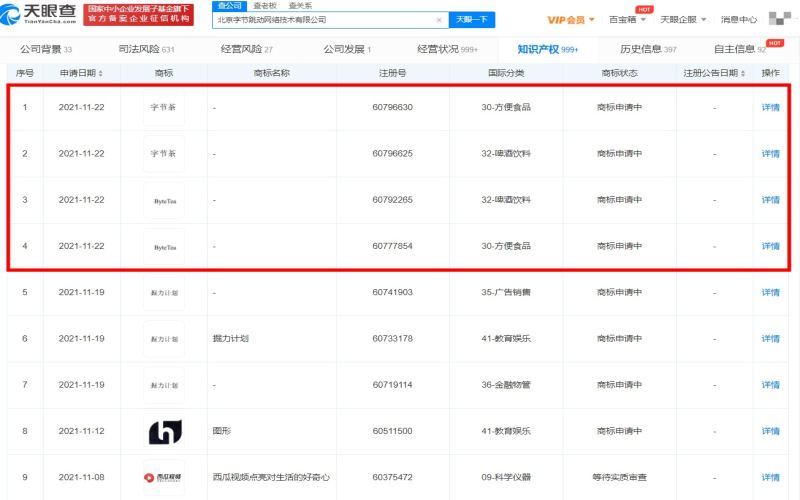
ByteDance applies to register "ByteTea" and "ByteTea" trademarks—is the milk tea sector about to welcome a new traffic player?
Recently, news that ByteDance applied to register the trademarks "ByteTea" and "ByteTea" has sparked widespread speculation. As the parent company of Douyin, does this move by ByteDance mean it intends to enter the milk tea industry? This article reviews ByteDance's trademark activity, the background of slowing advertising revenue growth, and Douyin's massive user base and marketing capabilities, and analyzes the possibility of its entry into the tea beverage market. At the same time, the article also points out that competition in the current tea beverage industry is fierce, and product quality is the foundation for standing firm. [more…]

Costa Rica's Water Crisis Intensifies: Pollution and Scarcity Deal a Double Blow, Threatening Coffee and Other Crop Yields
Costa Rica is renowned for its abundant water resources and geothermal energy, and is also a major global exporter of pineapples, bananas, and coffee, with its agricultural sector heavily dependent on water resources. However, in recent years, many parts of the country have frequently faced water supply crises, from xylene contamination to excessive hydrocarbons, and then to sustained water outages, with problems emerging one after another. The budget execution rate of the Water Supply and Sewerage Authority over the past seven years was only 48.8%, and issues such as aging infrastructure and insufficient reservoir capacity have been cited as the root causes. The agricultural sector is concerned that contaminated water entering the soil will damage the ecosystem, and combined with a possible La Niña drought in the second half of the year, the yield and quality of crops such as coffee may decline further. Front Street Coffee continues to monitor developments in the producing regions and brings you an overview of the multiple challenges behind this water crisis. [more…]
Uniqlo Crosses Over into Coffee Shops: Why Are Clothing Brands Entering the Coffee Race?
Uniqlo has opened its first café, "UNIQLO COFFEE," on the top floor of its flagship store in Ginza, Tokyo, marking yet another well-known clothing brand's foray into the coffee sector. From luxury giant LVMH to streetwear label MARNI, brands of all kinds are rushing into the coffee arena, making the industry's competitive landscape increasingly diverse. This article will walk you through the specifics of Uniqlo's café, analyze the business logic behind跨界 coffee shops, and explore the impact this trend is having on the coffee industry. [more…]
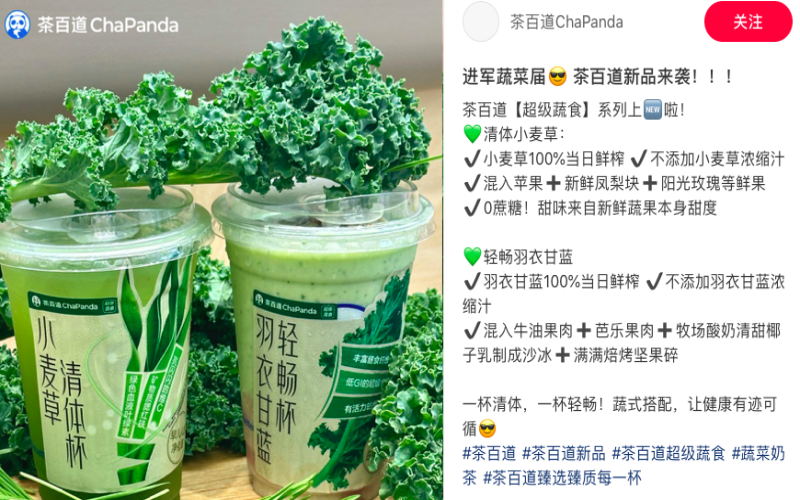
Tea Baidao's launch of wheatgrass drinks sparks discussion, adding a new member to the fruit and vegetable tea sector
Since Heytea launched its Super Botanical Tea series, fruit and vegetable juice drinks have quickly gained popularity, with major brands rushing to follow suit. ChaPanda recently rolled out its "Super Veggie" series in 14 cities including Beijing and Shanghai, among which "Detox Wheatgrass" sparked heated discussion online because its main ingredient closely resembles cat grass and livestock feed. This drink pairs wheatgrass with fresh fruits such as apple, pineapple, and Shine Muscat grapes, and the company emphasizes that no concentrated juice is used. Consumers report that it tastes refreshing, but kitchen staff's workload has increased accordingly, while some customers have raised concerns about the food safety of fruit and vegetable juices. [more…]

Heytea and Nayuki successively cut prices as competition in the new-style tea beverage sector heats up, with prices starting as low as nine yuan.
The new-style tea beverage market has been stirring recently. High-end brands Heytea and Nayuki have successively announced price cuts, with the lowest dropping to 9 yuan. Nayuki launched a "Relax" series priced at 9-19 yuan, promising to launch at least one "single-digit" product every month, while Heytea announced it will not raise prices this year. Consumer reactions have been mixed, with some cheering and others questioning reduced cup sizes and lower quality. This article reviews the price-cut moves of the two major brands, netizen feedback, and industry data, analyzes the consumption trends and market logic behind the involution in new-style tea beverages, and includes related news about Front Street Coffee. [more…]
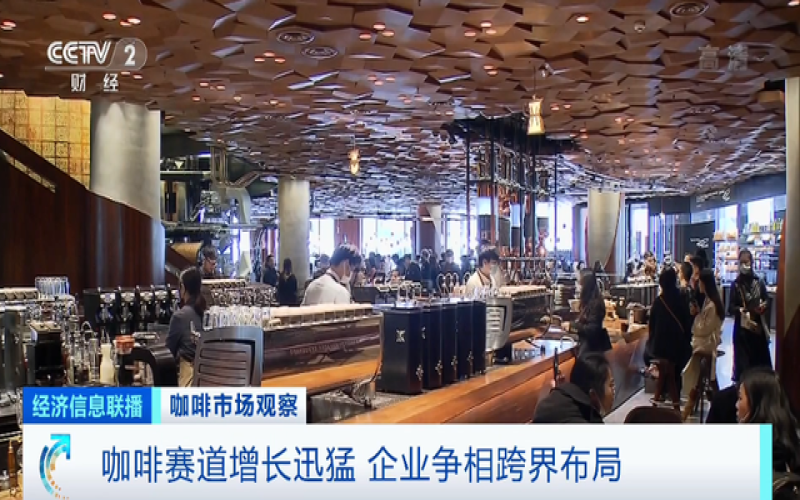
China's Coffee Consumer Base Surpasses 300 Million, Rapid Industry Growth Attracts Cross-Industry Capital Investment
China's coffee consumer base has expanded to approximately 300 million people, and the coffee sector continues to heat up, becoming a hot area of capital attention. At present, the number of coffee-related enterprises nationwide has reached 166,000, with more than 22,000 newly registered enterprises in the first nine months of 2022 alone, a growth rate of 36.4%. Surveys show that more than 90% of consumers have increased their favorability toward coffee products incorporating Chinese-style flavors. From instant and freshly ground to ready-to-drink, the three major categories each have their own advantages, among which freshly ground coffee has the greatest growth potential, with its market size expected to reach 190 billion yuan in 2024. Giants from various industries such as Li-Ning, China Post, and Huawei have entered the market across sectors, and the coffee industry is ushering in change, with young consumers gradually becoming the main force. [more…]
The freshly ground coffee sector continues to heat up: a full analysis of market size, consumption scenarios, and industry landscape
In recent years, domestic coffee consumption has continued to surge, and freshly ground coffee, as the category with the greatest growth potential, is attracting more and more consumers' attention. From instant coffee dominance to the rise of freshly ground coffee, the structure of China's coffee market is undergoing profound changes. Chain brands are accelerating expansion, cross-industry players are entering the market one after another, and the rise of health-conscious consumption concepts has also injected new momentum into freshly ground coffee. At the same time, the two-way drive from both the supply side and the demand side is pushing the entire industry onto a fast track. This article will comprehensively sort out the development status and future trends of the freshly ground coffee industry from multiple dimensions such as market size, consumption scenarios, and brand competition, helping you understand the full picture of this hot track in one article. [more…]